
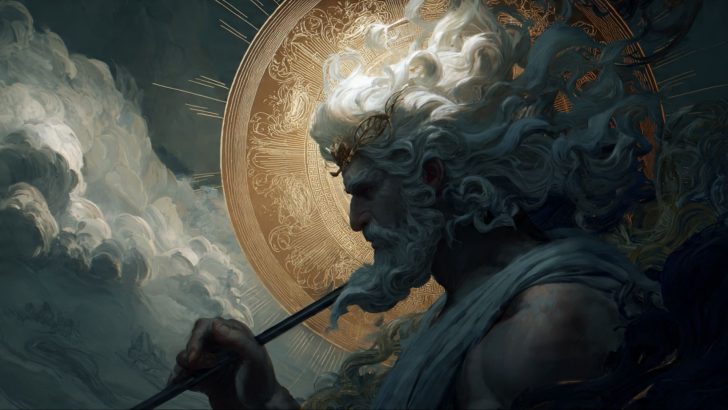
In Greek mythology, the Titans ruled the world before the Olympian gods took over. Zeus and his siblings led the charge in the Titanomachy, the great war that changed everything.
As a king of gods, Zeus went on to punish Titans for their rebellion, hubris, and crimes against his order.
Each punishment reflected the Titan’s sins and role in the rebellion.
Some were cast into Tartarus, and others were condemned to eternal burdens. Only a few were spared because they supported the new divine rule.
1. Cronus
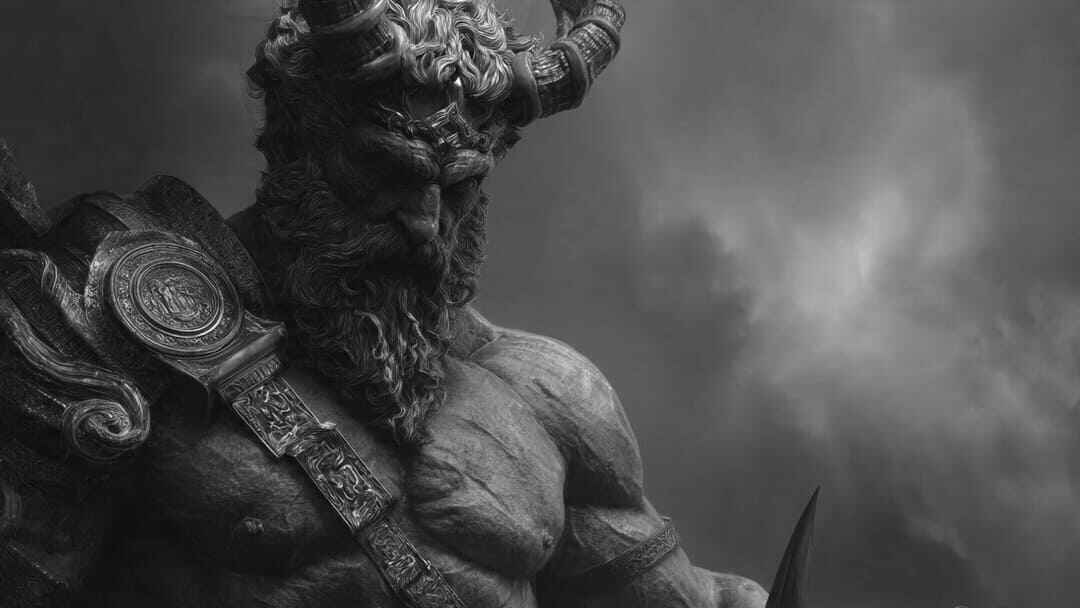
Cronus, the ruler of the Titans and Zeus’s father, feared losing his throne, as he had overthrown Uranus.
To keep his power safe, he swallowed his 自己的 儿童 – Hestia, Hera, Demeter, Hades, and Poseidon.
However, Rhea, his wife and the mother of Zeus, tricked him by hiding Zeus and giving Cronus a stone to swallow instead.
When Zeus came into power, he led the Olympians in a war against Cronus and the Titans. After the victory, he punished Cronus by banishing him to the dark abyss, Tartarus.
Cronus’s tyranny was broken, and he stayed imprisoned in the depths of the underworld.
2. Hyperion
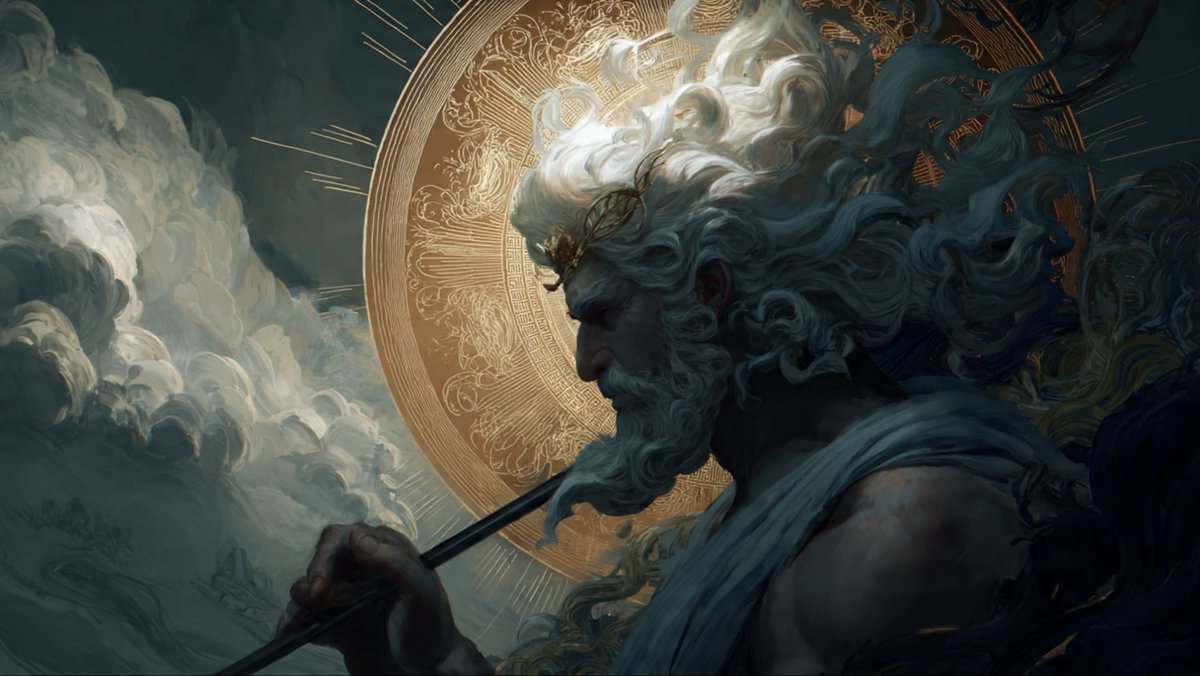
Hyperion, the Titan of the Sun, was a supporter of the Titans during the war. However, after Zeus won, Hyperion’s influence waned.
He wasn’t thrown into Tartarus or given a harsh punishment, but was left in the shadows, his powers weakened.
Over time, he became associated with the fading of the age of the Titans.
Essentially, his punishment was 隐蔽性.
His story speaks of the decline of the old order.
3. Iapetus
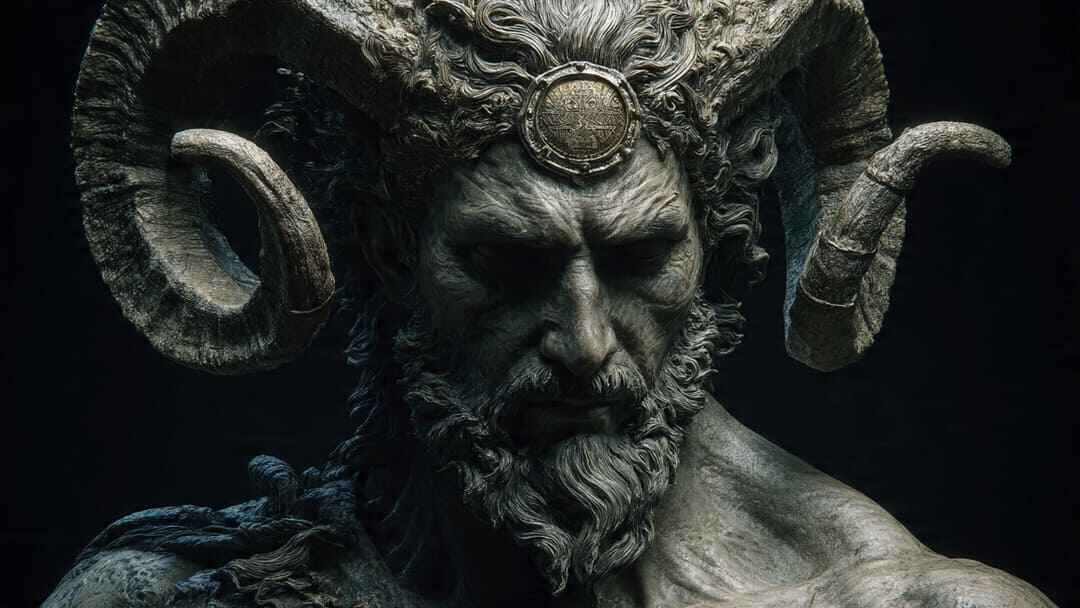
Iapetus was the father of Prometheus, Epimetheus, Menoetius, and Atlas. He was linked to human mortality and craftsmanship.
During the Titanomachy, he sided with his kind, and this decision earned him a harsh fate.
Zeus cast Iapetus into Tartarus, making him experience the limits of the mortal existence he represented.
His punishment reflected his connection to mortality; his children would shape humanity, but he himself was confined to the depths as a reminder of the Titans’ fall.
Iapetus was among the mightiest Titans, but even he couldn’t escape the consequences of rebellion once Zeus came into power.
4. Themis
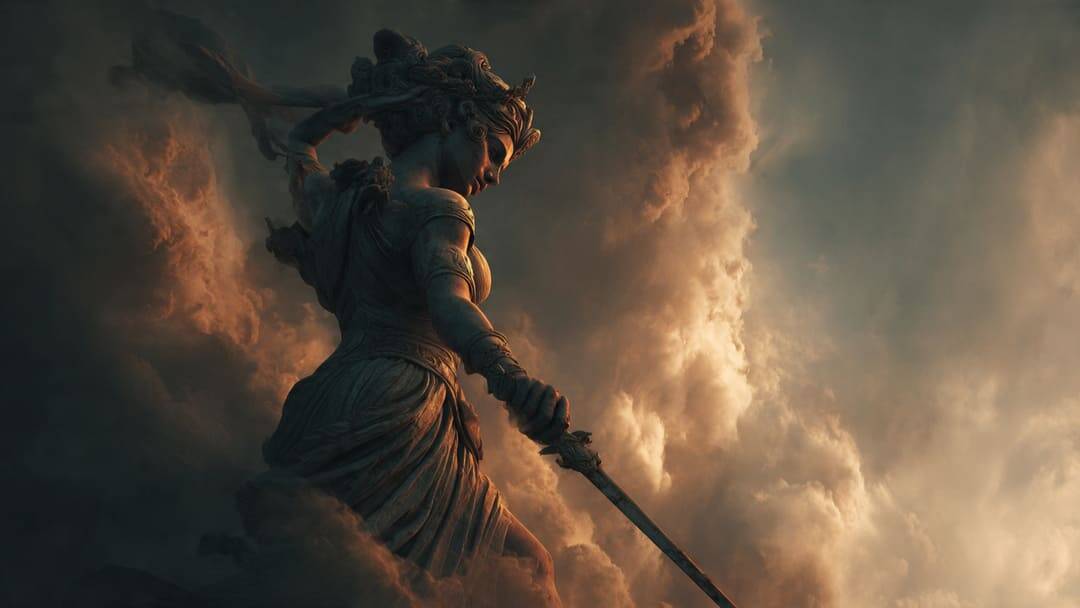
Themis, the Titaness of law and order, was a supporter of the Olympians. Because she sided with Zeus, she avoided the severe punishments the other Titans got.
Instead, she was honored and became an important goddess associated with justice and divine order.
Zeus recognized her role in maintaining harmony, so her support was rewarded.
Her story shows the importance of adapting; she realized that the old order was done for and supported the new divine regime.
Instead of imprisonment or torment, Themis grew in importance, symbolizing the law that the Olympian gods upheld after overthrowing their predecessors.
5. Mnemosyne
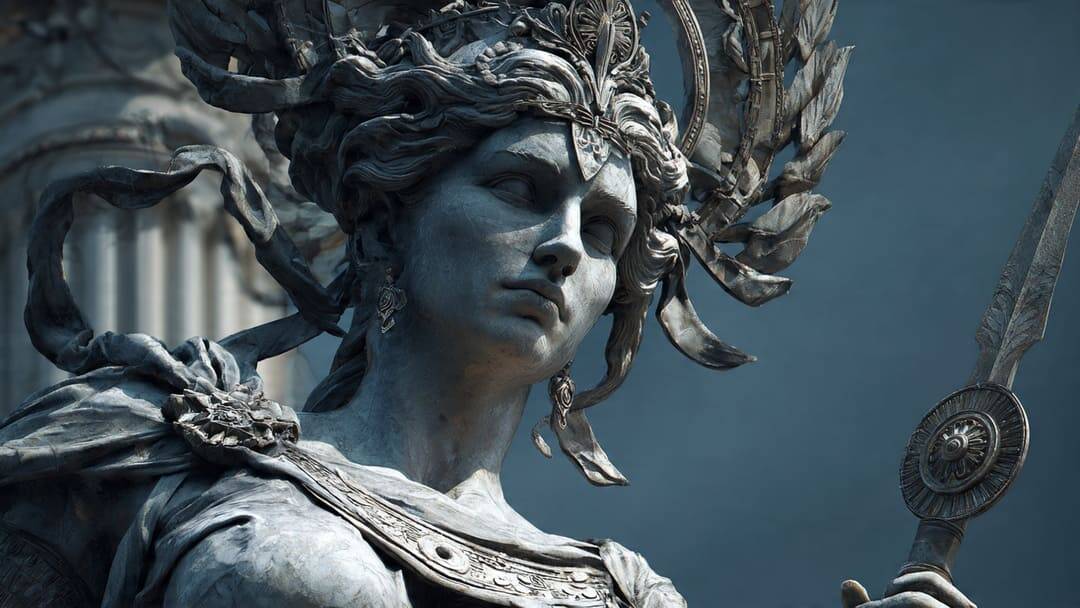
Mnemosyne was the Titaness of memory, and she also supported the Olympians. Zeus saw her loyalty and chose not to punish her.
He actually made her his consort, and she became the mother of the Muses.
Her story shows how the support for the new order was met with favor.
Her role as the Titaness of memory also symbolized the importance of remembrance and tradition in the new age.
She helped preserve the stories, arts, and knowledge of the gods for eternity.
6. Atlas
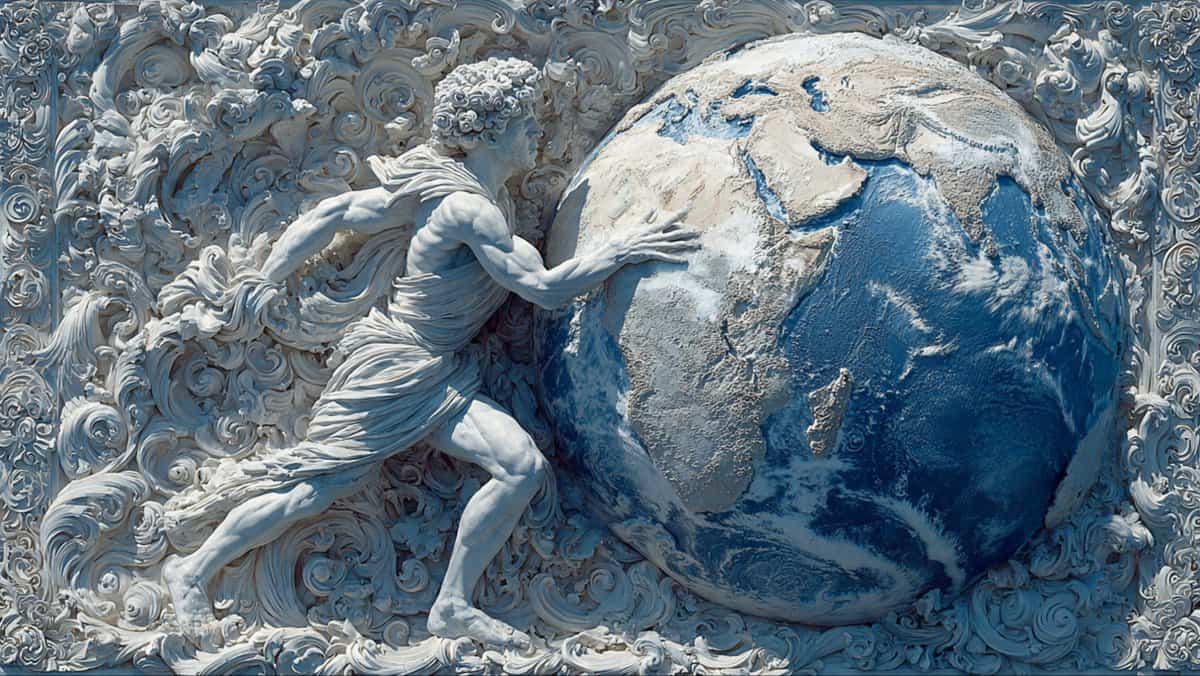
Atlas is a well-known Titan, and he sided with the old order during the war. His punishment sent a clear message: you don’t defy Zeus.
He condemned Atlas to hold the heavens on his shoulders forever. This eternal burden reflected his rebellion and pride.
His story shows the terrible consequences of opposition, and it’s a reminder of the Titans’ hubris.
His fate transformed him from a mighty supporter of the old order into a figure cursed to bear the weight of his defiance forever.
7. Prometheus
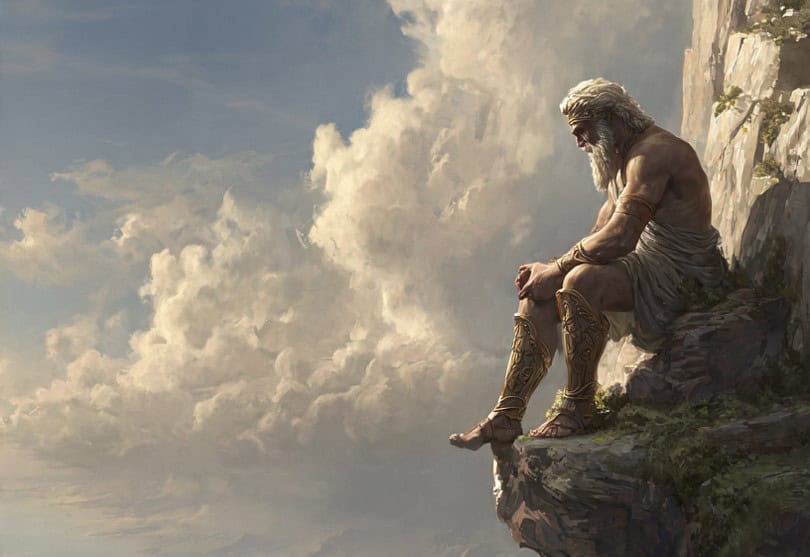
Prometheus defied Zeus by stealing fire from Olympus and giving it to humans; an act that sparked civilization.
Zeus saw this as a dangerous act of rebellion, and the punishment was brutal.
He chained Prometheus to a remote mountain in Scythia, where an eagle would eat his liver daily, tormenting him.
Why the liver? Because it’s an organ that renews itself, Prometheus’s suffering never ended. He would heal overnight, and in the morning, the eagle would attack again.
Though a traitor in the eyes of the gods, Prometheus is a hero of humanity, who gave us the gift of knowledge and progress.
His story remains a symbol of resistance and sacrifice in the face of tyranny.
8. Epimetheus
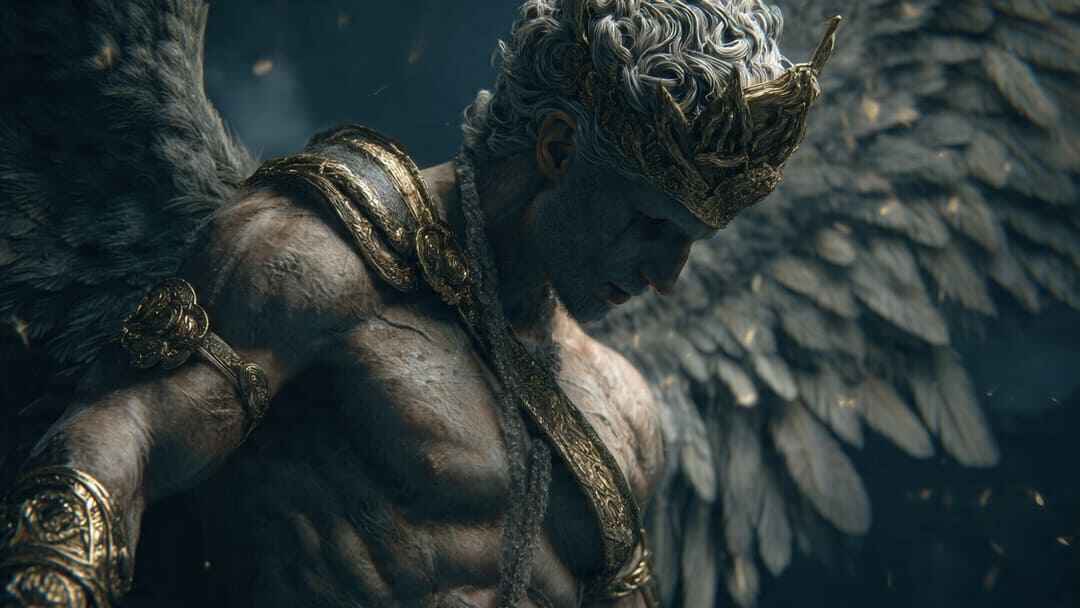
Epimetheus was the brother of Prometheus. He wasn’t as rebellious, but he did play a part in the Pandora myth.
He’s the Titan of afterthought, which might explain his actions.
After his brother stole fire, the gods created the first woman, Pandora, to punish humanity.
Epimetheus was warned not to accept any gifts from Zeus, but he still accepted and married Pandora. She, then, went on and opened the jar of evil, etc.
Zeus didn’t go after him directly, but he was caught up in the chaos. His story warns us about naivety and its consequences.
He became part of the larger narrative of divine punishment and human suffering.
9. Menoetius
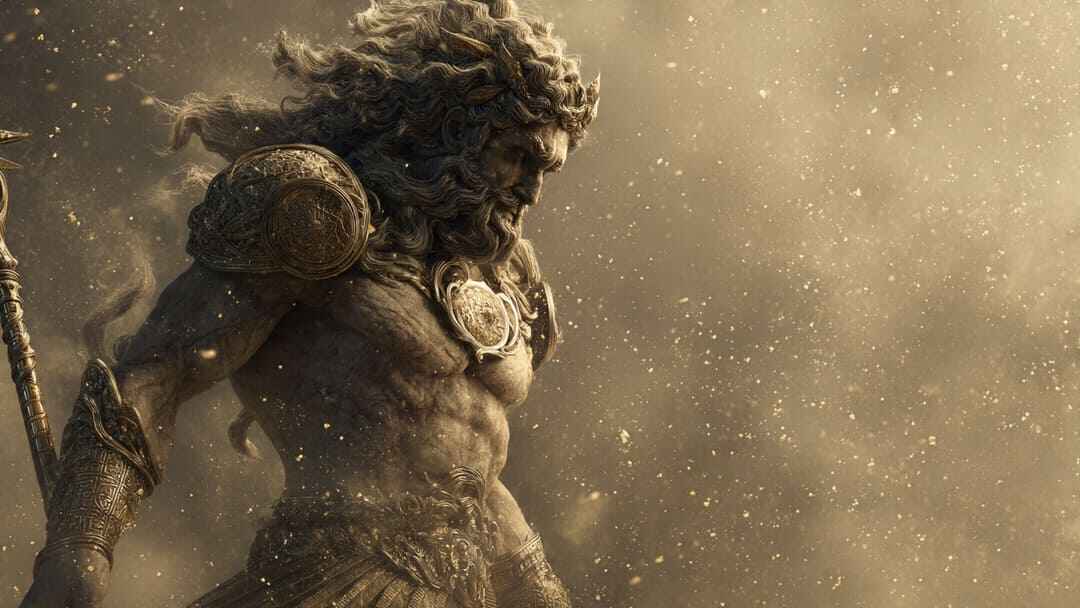
Menoetius was the Titan of rashness and hubris, and he was struck down by Zeus during the Titanomachy.
His reckless pride made him dangerous, and Zeus acted decisively; he destroyed Menoetius with a thunderbolt and cast him into Tartarus.
His punishment was swift and fitting.
His story highlights the dangers of excessive pride. And his fall served as a warning: no one is above divine authority.
10. Pleione and Leto
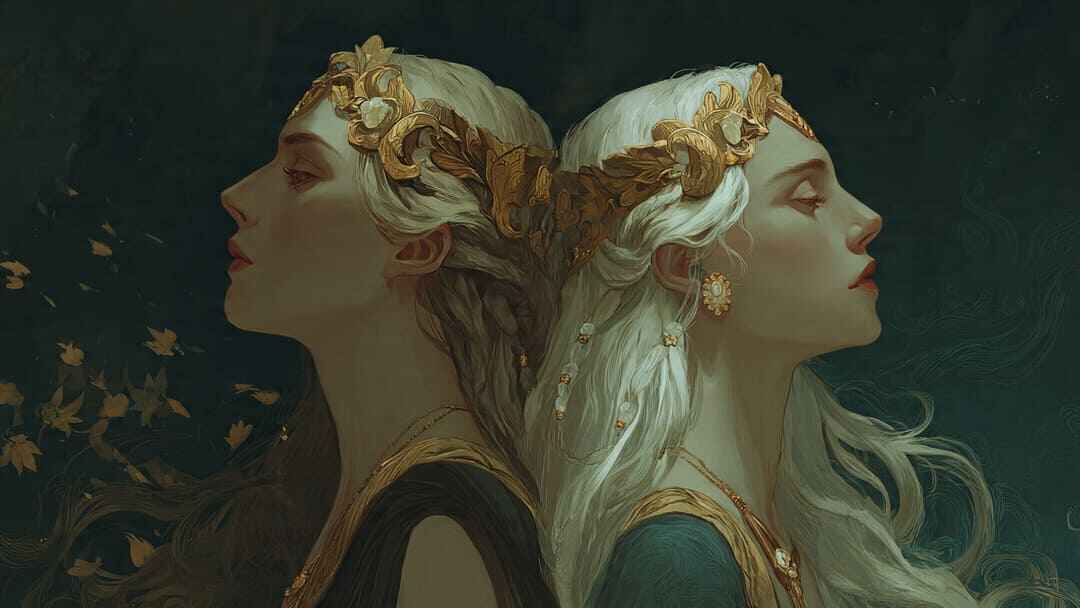
Pleione and Leto are sometimes considered as Titanesses and sometimes as mother goddesses. Leto, in particular, is famous for giving birth to Apollo and Artemis.
Pleione was the wife of Atlas and the mother of the Pleiades, a group of seven sisters transformed into stars.
Unlike other Titans, they weren’t punished for rebellion.
Leto gained divine favor. She was an important nurturing figure and a supporter of the Olympian gods.
Their stories focus on divine roles and not revenge.
They symbolize the nurturing aspects of divine power, contrasting with the downfall of their kin.

A little Aquarius, devoted to writing and embroidery. Through my writing, I hope to empower readers to align with their true selves and navigate life’s mysteries with confidence.