

At first, some pieces of advice our grandmas give us seem strange, especially when they’re from an era that is long gone.
They don’t use modern logic, but they work well in real life. Over the years, they have also continued to develop into useful habits, and many of these original ideas still apply today.
My grandma is no exception, and the older I get, the more I realize how right she was.
1. Open the Windows First Thing In The Morning

My grandmother always opened the windows in the house the first thing every morning, regardless of weather conditions.
This seemed to be silly back then, but once she did that, there was a change in how the room felt all day long. Having fresh air flowing in made the room feel cleaner and more open and created a feeling of reset.
It only took a couple of minutes to do, but it made a tremendous difference in my overall experience and energy in the house.
2. Take A Minute Before You React To Something Unexpected

Whenever my grandma experienced something out of the ordinary, she would first take a moment to think before she reacted to what had just occurred.
This wasn’t to ignore the issue at hand but to give her a chance to collect her thoughts and develop a plan for addressing the issue.
By taking just a minute to gather all the information, her decision was much more accurate than if she had reacted instantly and added a layer of complexity to the situation.
Taking a minute to pause before acting will allow you to respond to your daily challenges much better.
3. Keep Things Where You Actually Use Them

She organized the objects in her home based on how the objects were used versus how they looked.
This way, she could put the items in a spot that made sense to her and made it easier for her to find an item quickly when she needed it.
It also made her daily routines much easier for her to follow. Although her system was not perfect, it was very effective.
4. Fix Small Problems Right Away

One thing that she did was fix any problems that she had when they occurred. She had no system of waiting to fix something until it got worse.
Small problems tend to become larger problems if they are left unresolved, and so it is best to address them as soon as possible.
By dealing with problems right away, you create a sense of control in your environment and can keep your life organized.
5. Always Prepare a Little Extra

When she was cooking or planning, she would make a little more than was needed. This was not just to waste food, but more for the flexibility of having extra time or food available should the unexpected happen.
This would relieve some of the stress that comes from dealing with a change in your plans.
6. Do One Thing Fully Before Starting Another

She did not switch tasks until one was complete. Doing this made her more productive, and she truly made fewer mistakes.
Switching back and forth between tasks can also cause delays, but staying with only one task makes everything easy.
It may be slow at first, but it usually will produce better results, creating a rhythm that is easier to follow.
7. Follow a Routine Regardless of How Busy You Are

Although she had no urgent projects to do, she maintained a simple routine. Following a basic routine created structure and allowed her to produce everyday stuff without forcing herself to do so.
A routine can be somewhat loose; what it has to do is provide direction to your daily tasks.
This habit helps keep days organized and keeps things flowing even when there is no specific plan.
8. Focus on How Something Feels, Not Just How It Looks

When choosing products such as clothing, furniture, or habits, she usually paid more attention to how they felt than to how they looked.
If an item felt good, she kept it; if it didn’t, then she made changes. Ultimately, she had a better rhythm that allowed her to maintain comfort, and comfort results in better decisions.
9. Keep Relevant Things Simple

She simplified things, whether it was a recipe or a project. This simplification helped her create a model for consistency in order to prevent mistakes or delays.
Simplicity allows consistency; it removes excess steps that result in unnecessary time being spent and focuses on what is actually necessary.
Over time, I realized that consistency results in stable results.
10. End the Day by Resetting Small Things
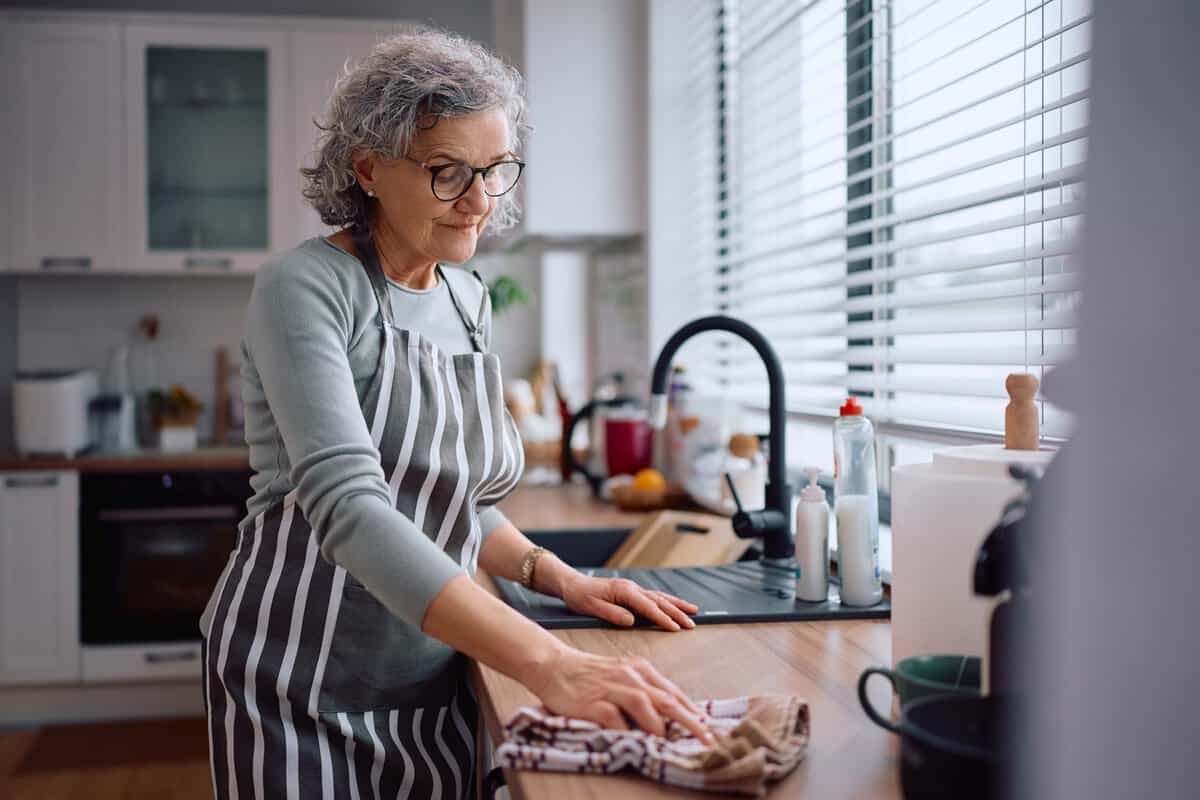
Before sleep, she spent some time preparing for the next day by putting things away.
This made a clean slate for the following day and required less effort to get ready in the morning. It made her feel more organized.
At the end of a day, doing a little reset can help you feel better about the next day or can help you feel like you can manage your life better.

Born and raised in Bosnia and Herzegovina. Ever since I was a little girl, my imagination knew no bounds. I remember vividly how I’d scribble down short stories, each page bursting with adventures and characters conjured up from the whimsy of my mind. These stories weren’t just for me; they were my way of connecting with my friends, offering them a slice of my fantasy world during our playtimes. The joy and excitement on their faces as we dived into my fictional realms motivated me to keep writing. This early passion for storytelling naturally evolved into my pursuit of writing, turning a childhood hobby into a fulfilling career.