

Across many ancient cultures, especially in Ancient China, jade was more than a beautiful stone. It was believed to carry deep spiritual meaning connected to life, protection, and eternity.
People saw jade as something pure, strong, and unchanging, which made it a natural symbol of immortality.
It was used in rituals, burial practices, and daily objects that held emotional or spiritual value. Jade was not only admired for its appearance, but also respected for what it represented.
Over time, it became closely linked with the idea that life continues beyond the physical world.
In this article, we explore ten reasons why jade was seen as a symbol of immortality and why it held such powerful meaning in history.
1. Its Durability Made It Feel Eternal
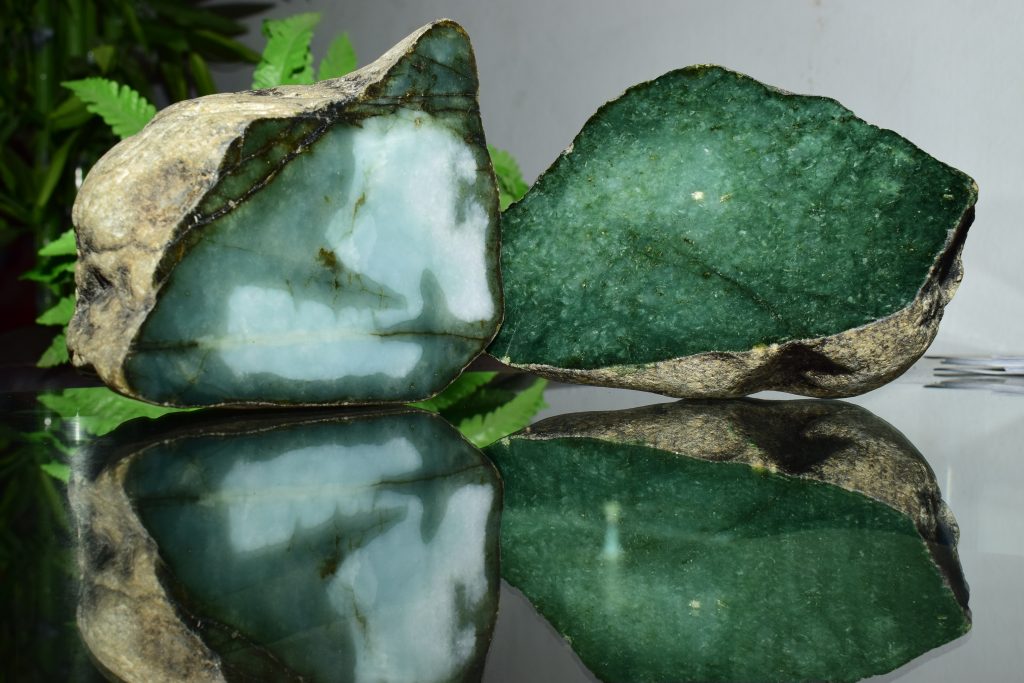
Jade is a very strong and durable stone, which made ancient people see it as something that could last forever.
Unlike softer materials that break or wear down quickly, jade remains solid and unchanged over time. This physical strength gave it a symbolic meaning of permanence and eternity.
In Ancient China, objects made from jade were passed down through generations, reinforcing the idea that it could outlast human life.
Because it did not easily decay, jade became connected to the concept of immortality and the idea that something can continue beyond time.
2. It Was Used in Burial Rituals
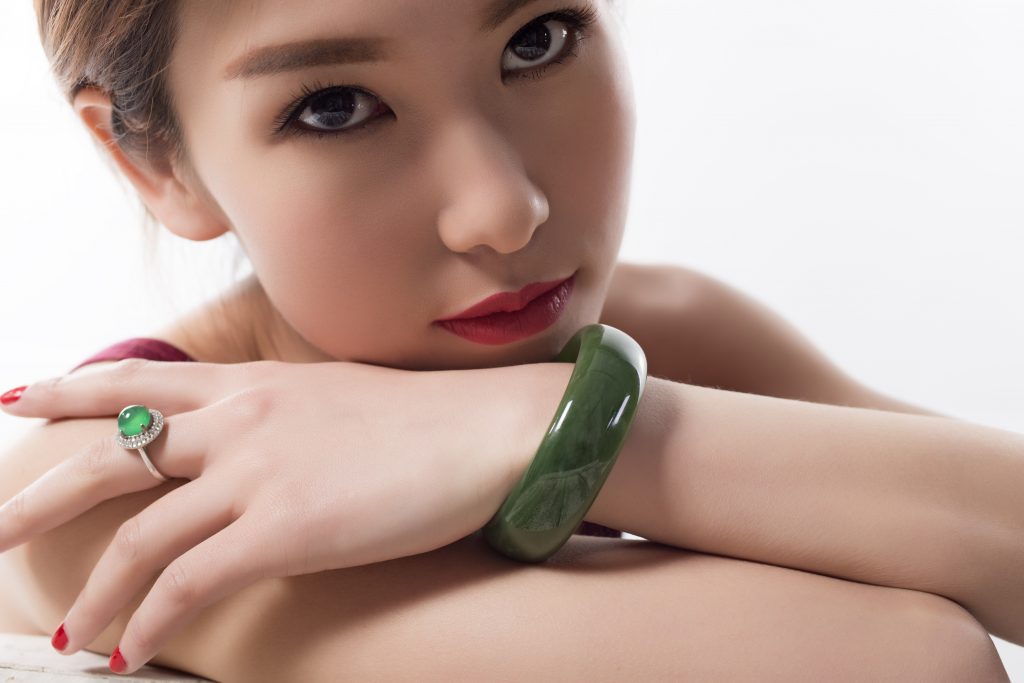
Jade played an important role in burial practices, especially in Ancient China. It was often placed in tombs or used to create protective coverings for the body.
Some rulers were buried with jade suits made of small pieces sewn together. People believed jade could protect the body after death and preserve it in some way.
This strong connection to burial rituals made jade a symbol of life after death. It was not just decoration, but a meaningful object connected to the idea that existence continues beyond the physical world.
3. It Represented Purity and Balance
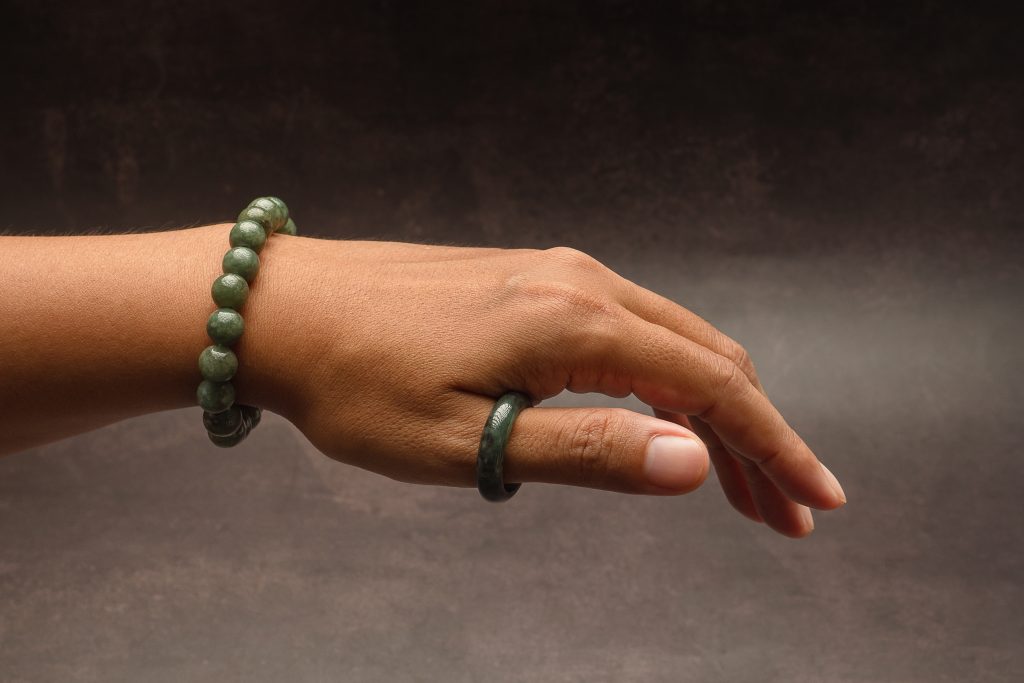
Jade was often seen as a symbol of purity and balance. Its smooth texture and calming color gave it a peaceful and harmonious appearance.
In many traditions, purity was connected to spiritual strength and lasting existence. The idea was that something pure and balanced would not easily be destroyed.
Because of this, jade became associated with inner harmony and long life. It symbolized a state of being that is stable and enduring, which fits closely with the concept of immortality.
4. It Was Linked to Spiritual Protection
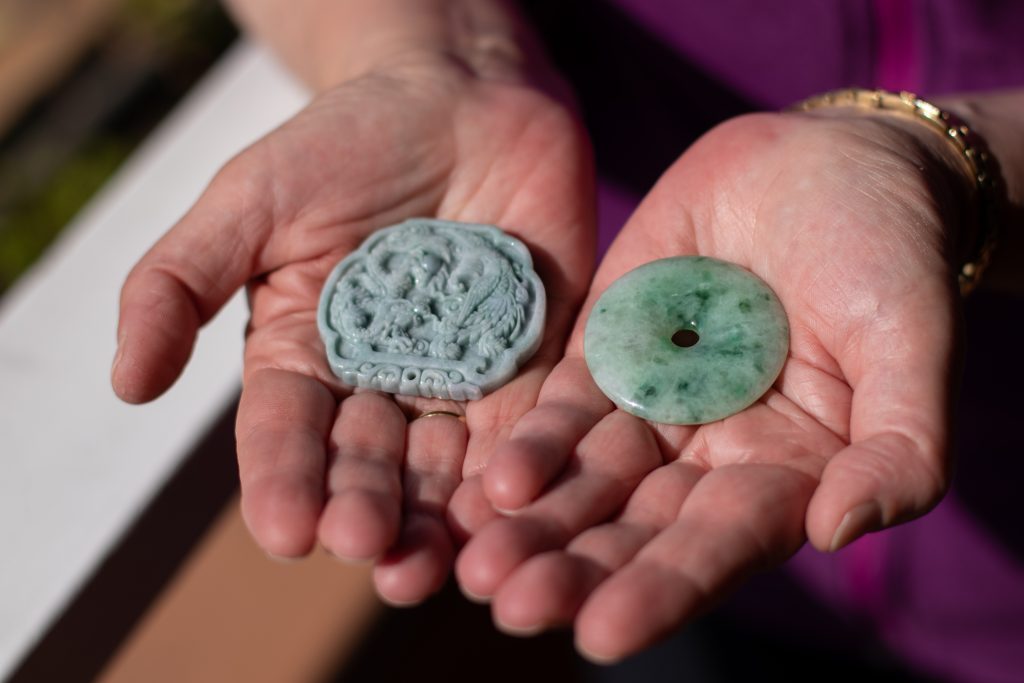
Many ancient cultures believed jade had protective qualities. It was thought to guard against negative energy and harm, both in life and after death.
People often wore jade as amulets or carried it for protection. In Ancient China, it was believed that jade could protect the spirit and maintain balance between the physical and spiritual worlds.
This protective meaning made it closely connected to immortality, as it symbolized the ability to preserve life or spirit beyond danger and decay.
5. Its Color Symbolized Life Energy
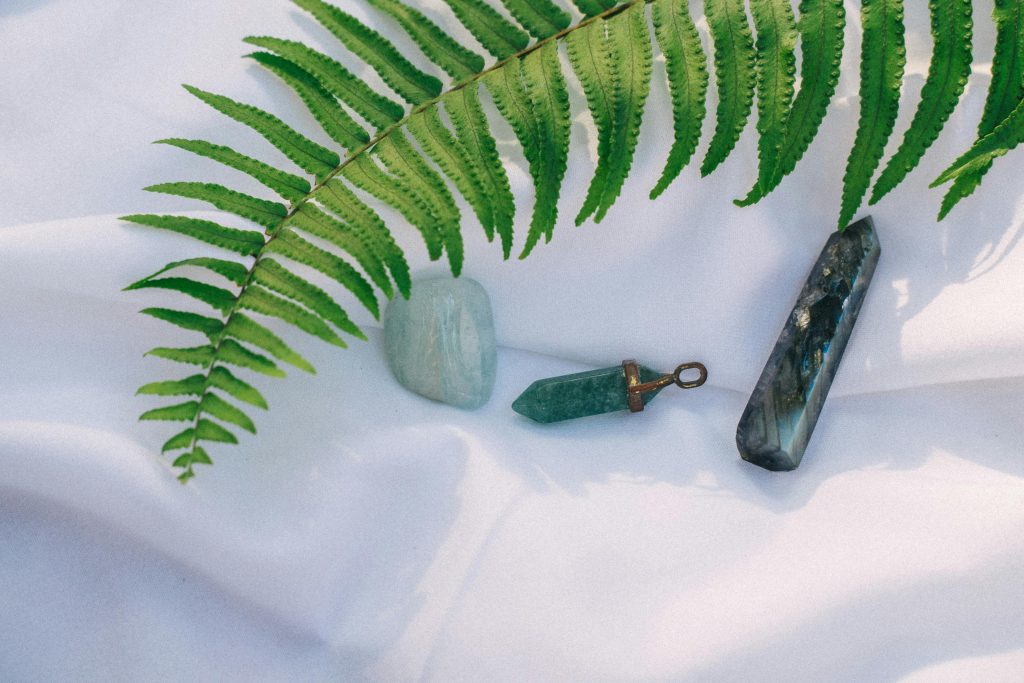
The green color of jade is often associated with life, growth, and natural energy. In many cultures, green represents renewal and the cycle of life.
Because jade carries this color, it became linked with the idea of continuous life and regeneration. This connection made it a symbol of something that does not end, but keeps renewing itself.
In symbolic terms, this reflects immortality as an ongoing cycle rather than a fixed state. The color itself helped reinforce jade’s meaning as a stone of life and endurance.
6. It Was Connected to High Status and Legacy
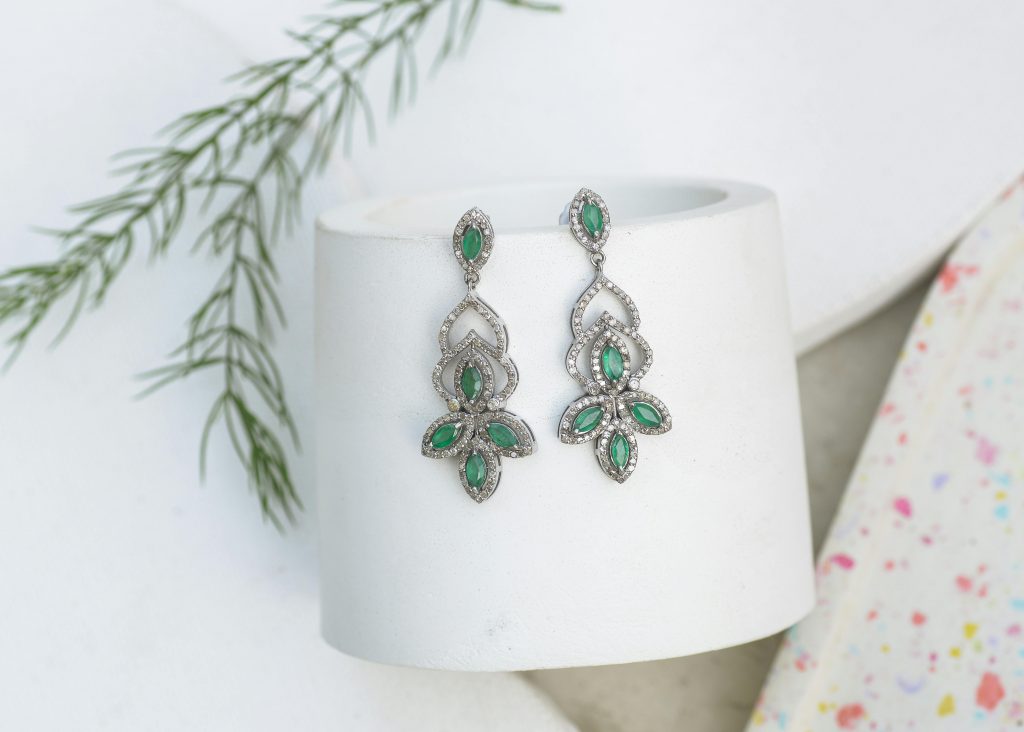
Jade was often reserved for royalty and important figures in Ancient China. Because of this, it became associated with legacy and lasting influence.
People believed that important individuals should be remembered beyond their lifetime, and jade helped symbolize that idea.
Owning or being buried with jade suggested that a person’s presence would continue in memory and spirit.
This connection between jade and lasting legacy contributed to its meaning as a symbol of immortality and enduring identity.
7. It Was Used in Sacred Objects
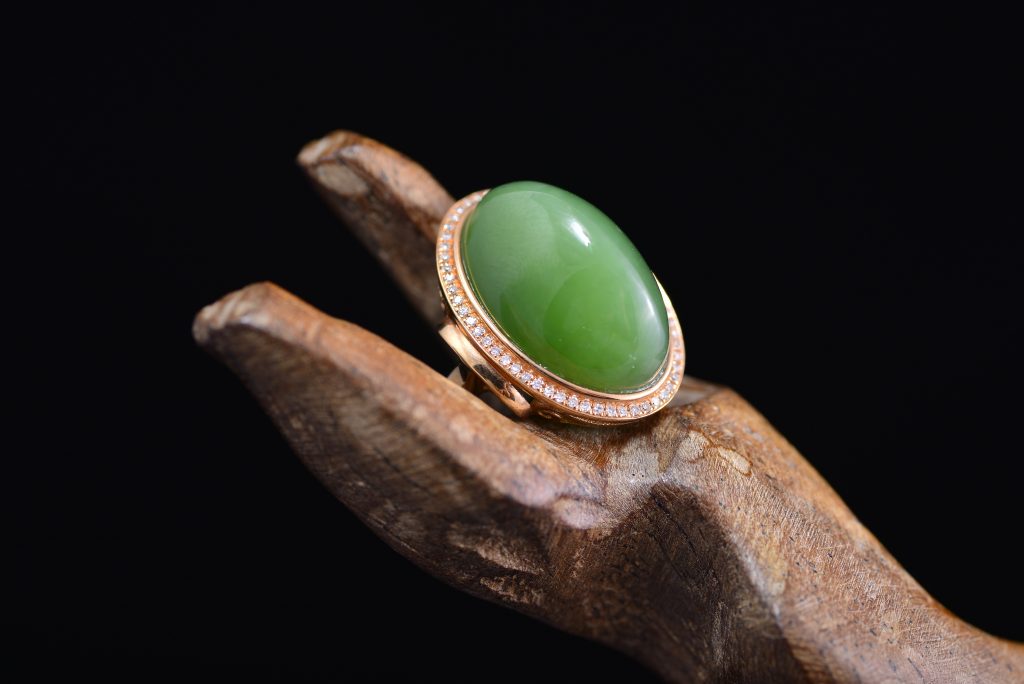
Jade was often used to create objects for religious or ceremonial purposes. These included tools, ornaments, and symbolic items used in rituals.
Because these objects were connected to spiritual practices, jade became linked with sacred meaning. It was not just a material, but a bridge between human life and firmer beliefs.
In many cases, these objects were passed down or kept for long periods, reinforcing the idea of continuity.
This use in sacred settings strengthened jade’s association with eternal life and spiritual connection.
8. It Was Believed to Preserve the Body
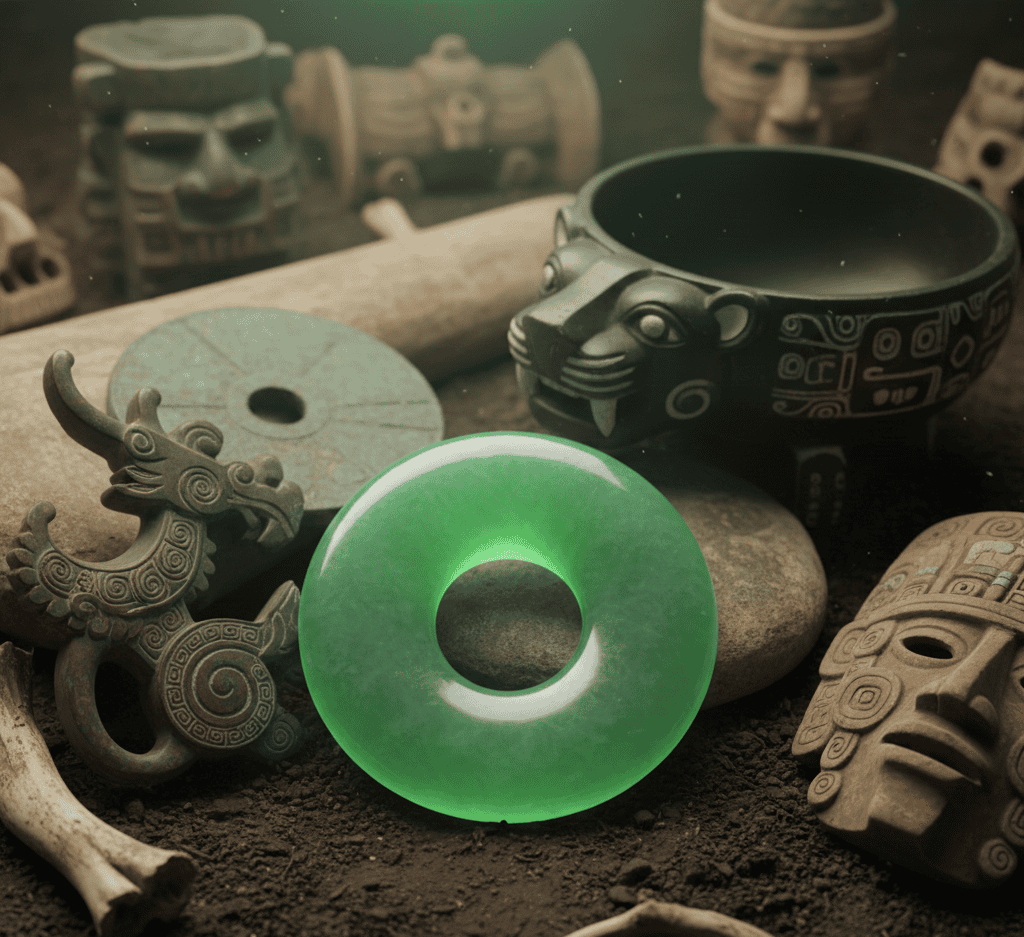
In some traditions, jade was believed to have properties that could help preserve the body after death.
This belief led to its use in burial practices, where it was placed on or around the body. People thought it could slow decay or protect physical form.
Even if this was not scientifically accurate, the belief itself gave jade strong symbolic meaning.
It became associated with the idea of maintaining existence beyond death. This connection made it a powerful symbol of immortality in both physical and spiritual senses.
9. It Represented Harmony With Nature

Jade’s natural origin and smooth form made it a symbol of harmony with the natural world. In many traditions, living in balance with nature was seen as a path to long life and spiritual continuity.
Jade reflected this idea because it appeared calm, balanced, and connected to the earth. This harmony suggested stability and endurance, which are important aspects of immortality.
People saw jade as a reminder of natural balance and the idea that life continues through cycles rather than ending completely.
10. It Became a Cultural Symbol of Eternal Life

Over time, jade became widely recognized as a symbol of immortality because of all these combined meanings.
Its durability, beauty, spiritual use, and connection to life and death created a powerful image. In Ancient China, jade was not just a material but a cultural symbol of eternal life and lasting presence.
Even today, it continues to carry this meaning in many traditions. It represents the idea that something can remain strong, balanced, and meaningful beyond the limits of time.

自出生以来,我一直感觉到自己与神灵有着紧密的联系。作为一名作家和导师,我的使命是帮助他人在最黑暗的时刻找到爱、幸福和内心的力量。