

When we talk about the moral foundations of Western society, most people immediately think about the Ten Commandments or Christ’s Sermon.
It’s treated as common knowledge that before the biblical law, humanity just stumbled around in a chaotic dark age.
But that narrative is a lie, and it’s very unfair. Before Abraham even existed, ancient pagan societies ran powerful empires and built advanced civilizations.
Before the stone tablets, they had values that promoted fairness, community, courage, and honor.
1. Appreciation for Life
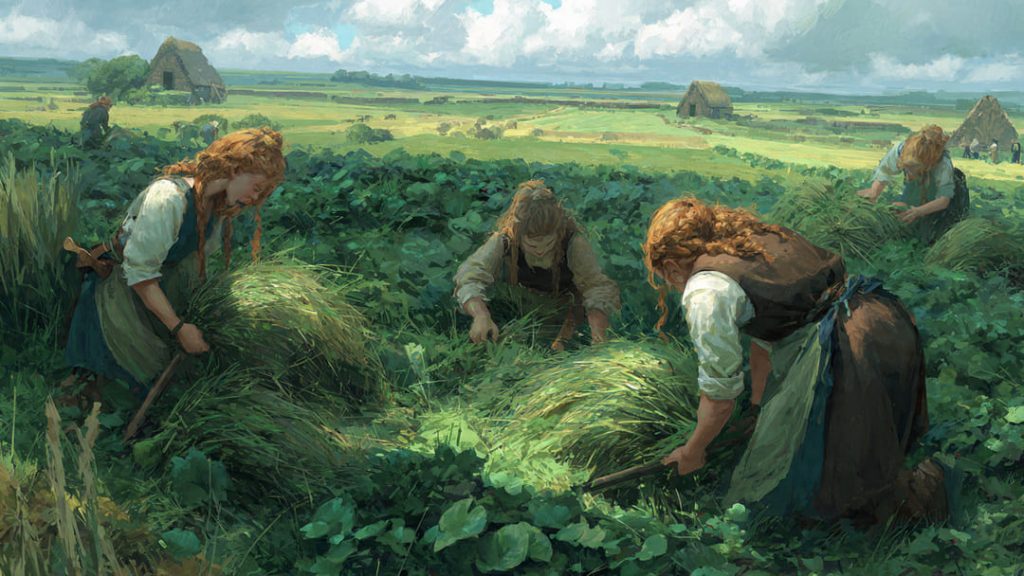
Before monotheistic doctrine led us to view this world as a flawed temporary place, ancient civilizations looked around and saw sacredness in nature.
To them, this life was it; it was the main event, and it was the very thing they hoped to experience again once they’re reborn.
They watched the seasons change and animals multiply, and they recognized that survival meant living in tune with the earth.
They also didn’t see the body and the natural world as inherently sinful. Instead, that’s exactly where they saw value.
They recognized the divine in themselves, their blood, as well as rivers and forests.
This raw appreciation for life meant that murder and destruction were seen as both legal and spiritual crimes.
2. Hospitality
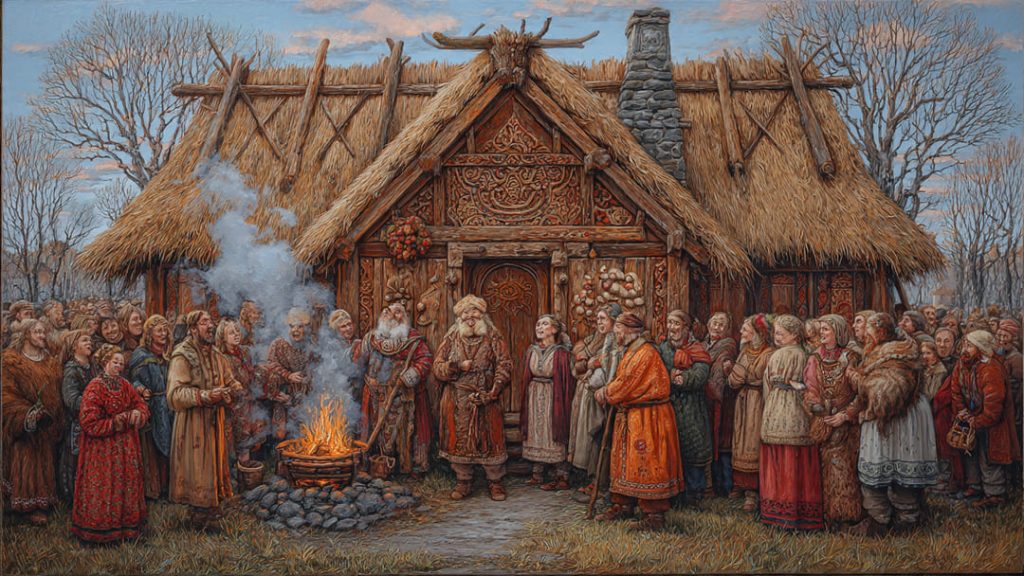
In ancient times, hospitality wasn’t just a thing of politeness, it was the law. Ignoring it meant provoking divine punishment.
The times were harsher, and travelers enjoyed little to no accommodation.
Finding a place to sleep and replenish your strength before continuing your travels was often a matter of life and death.
Living with value meant never rejecting a weary traveler from your doorstep, and people took this very seriously.
They believed that the gods walked the earth disguised as humble beggars or travelers to test people’s kindness.
It was paramount to feed your guest well, find them a bed, and most importantly, keep them safe under your roof. In exchange, the guest would entertain the household with stories.
This value created a strong safety net across the world.
It was an acknowledgment that we’re all vulnerable, so it was important to take care of each other.
3. Living Fully Through Pleasure and Joy

Contrary to the later purity culture, pagan societies took joy to insane levels. Food, drinks, music, laughter, and intimacy were all expressions of the divine.
Pleasure was one of the values because ancient peoples understood that the gods gave them the ability to experience such things for a reason.
To deny yourself joy or to hold back from pleasure was seen as turning your back on the gift of the creators who provided a beautiful world.
Like prayer, overindulgence was a communion with the divine, and in special occasions, it reached the point of debauchery.
4. The Law of Reciprocity
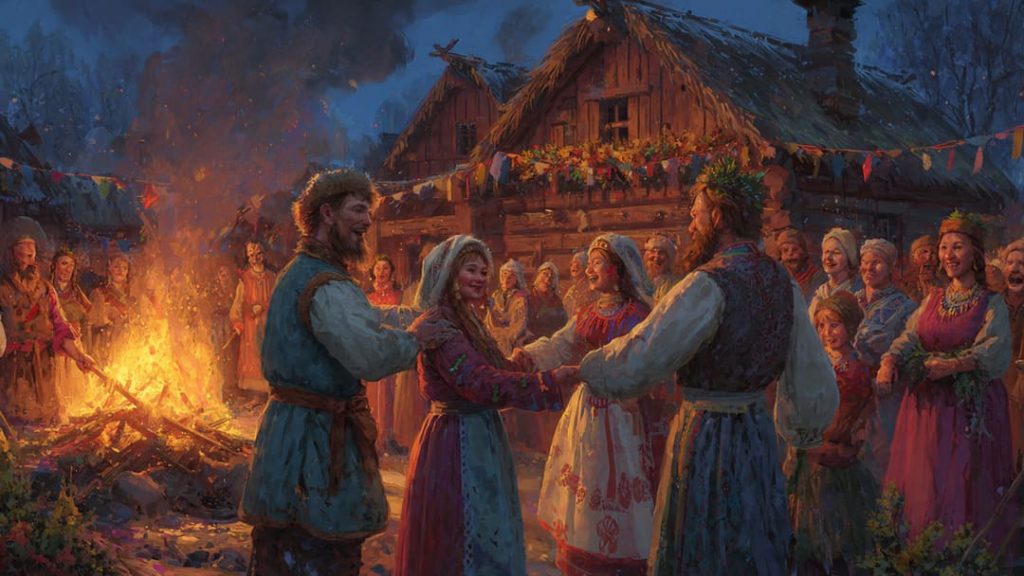
Many pagan societies operated under the law of reciprocity. It was simple: you take, you repay.
This was the fundamental value that held their communities together.
If a farmer’s crop failed, his neighbors didn’t dwell on the details; they helped because that could happen to them, and they knew that the only way out of that situation was the help of the community.
And this value extended beyond human relationships.
When people killed an animal for food or chopped down a tree, they made offerings to the earth. They understood that you can’t take from nature without giving something back.
Balance was a priority, because they knew that if you consume and never replenish, the whole system collapses.
5. The Communal Treasury
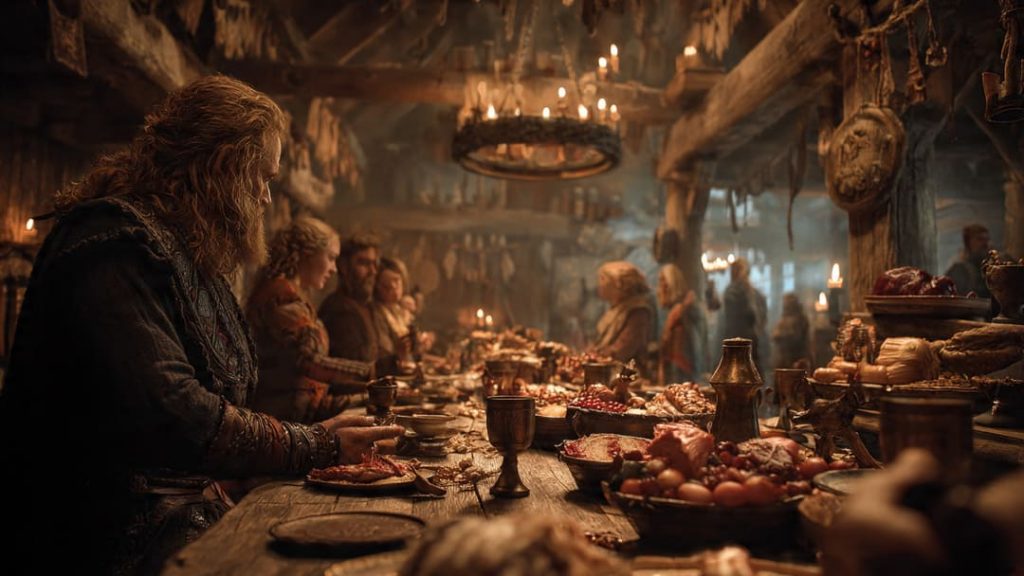
In ancient times, survival of the community relied on the idea of a common treasury. Resources were gathered for the good of the whole.
The leader or king of a primitive settlement wasn’t the one to hoard all the wealth; he was the distributor, making sure that no one starves under his rule.
People shared grazing lands, wells, forests, and food barns.
Anyone could use what the community provided, but no one had the right to hoard it at the expense of their neighbors.
Sharing and fairness were the values the whole community lived by, and they were sustainable because the communities were smaller and more close-knit.
Back in the day, people understood that a sick and starving underclass dragged down the entire civilization.
6. A Fierce Sense of Honor
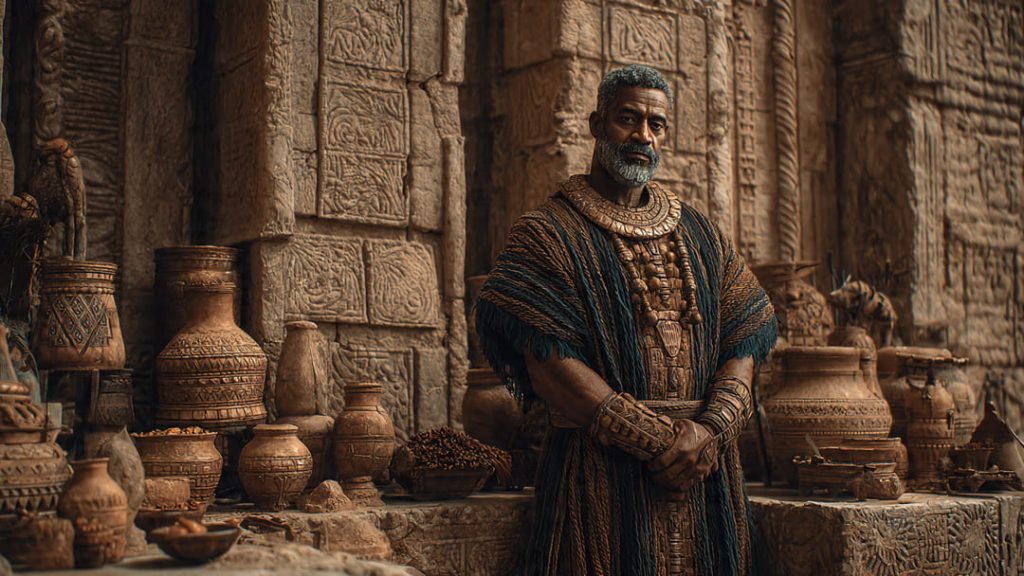
Ancient pagans lived by a sense of honor that governed every single thing they did.
Their word was their bond, and if they broke it, they did so at the cost of their entire family, reputation, and even risked divine wrath.
Dishonor of a single family member lingered around for generations, ensuring that even their grandchildren wouldn’t be trusted unless they went far and beyond to prove themselves.
This fierce commitment to personal integrity created stable societies. People knew exactly where they stood with each other.
This value was one way of maintaining the cosmic balance in everyday life.
7. Sovereignty

Before divine right of kings became a thing, ancient Celts, Germans, and other tribal peoples believed that sovereignty was given by the land itself, usually personified as a goddess.
A leader didn’t have a birthright; he had to prove that he would nourish and protect the land.
If a king became greedy and corrupt, people looked for the signs in the nature and farmland; droughts, failed crops, cattle death, and pestilence were signs that the land rejected him.
Sovereignty also applied to the individual. Every free person had a right to their own bodily autonomy and self-determination.
The value and power came from the land and people, not a distant deity. This often considered the true root of human freedom.

A little Aquarius, devoted to writing and embroidery. Through my writing, I hope to empower readers to align with their true selves and navigate life’s mysteries with confidence.