
Let’s be honest—when people hear “end times” in the Bible, they either picture dramatic movie scenes, confusing symbolism, or that one relative who insists it’s happening next Tuesday. But biblical prophecies about the end times aren’t just chaos and mystery—they’re layered messages about justice, hope, warning, and, yes, a bit of divine drama.
The good news? You don’t need a theology degree to understand the basics. The even better news? We’re about to break them down simply, clearly, and with just enough humor to keep you from spiraling. Here are 10 of the most talked-about end-time prophecies—explained in a way that actually makes sense.
1. The Rise of the Antichrist

The Antichrist is often described as a powerful figure who appears charming, persuasive, and…slightly too good at winning people over. Think: someone who promises peace and unity but has very questionable intentions behind the scenes.
In simple terms, this prophecy warns about deception. Not everything that looks good 是 good. The Antichrist represents leadership that manipulates truth for control.
The deeper meaning? Stay spiritually alert. It’s less about identifying a specific person and more about recognizing patterns—false promises, moral compromise, and blind loyalty. Basically, if it feels like a deal that’s “too perfect,” maybe read the fine print…carefully.
2. Wars and Global Chaos
Jesus Himself, specifically Jesus Christ, spoke about increasing wars, conflicts, and unrest as signs of the end times. Not exactly comforting—but also not entirely surprising if you’ve ever watched the news.
This prophecy isn’t saying every conflict means “the end is tomorrow.” It’s more about escalation—things becoming more intense, widespread, and difficult to ignore.
The takeaway? The world has always had problems, but this prophecy highlights a tipping point. It’s less about panic and more about awareness. Also, it subtly reminds people to focus on peace in their own lives…because clearly, the world could use more of it.
3. The Spread of the Gospel Everywhere
Before the end comes, the message of Christianity is said to reach all nations. In biblical terms, that’s a big deal.
Thanks to technology, travel, and the internet, this prophecy feels more relatable than ever. What once took centuries can now happen in seconds.
The deeper meaning? This isn’t about pressure—it’s about opportunity. It emphasizes connection, communication, and making sure everyone has access to spiritual truth.
Also, if you think about it, this prophecy is surprisingly optimistic. Amid all the chaos, there’s still a focus on hope, outreach, and people coming together through shared belief.
4. The Mark of the Beast
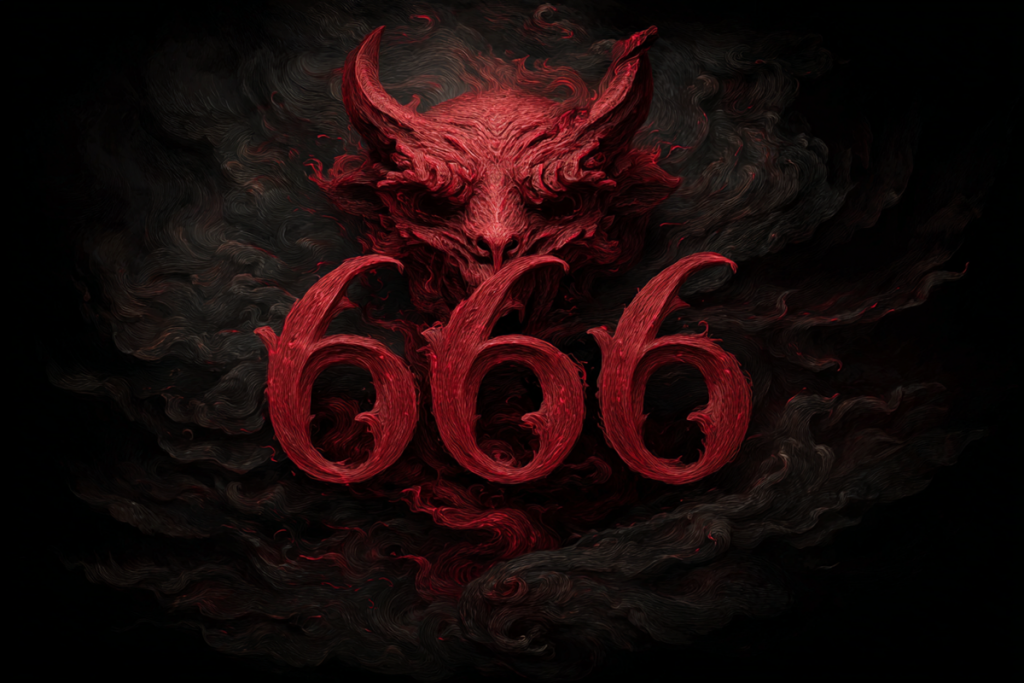
Ah yes, the infamous Mark of the Beast—arguably the most debated prophecy of all time. It’s described as a mark required for buying and selling, often associated with control and allegiance.
Simply put, it represents a system where participation in society becomes tied to loyalty—specifically, the wrong kind.
People have speculated about what it could be for years (and yes, the theories get wild), but the core idea is about choice. Will you conform for convenience, or stand firm in your beliefs?
It’s less about the “what” and more about the “why.” And honestly, it raises a very modern question: how much are people willing to trade for comfort and security?
5. Natural Disasters Increasing

Earthquakes, famines, and other natural disasters are described as signs that something big is approaching. Again, not exactly light reading.
But here’s the key: these events are often referred to as “birth pains.” Not the end itself—but the beginning of something new.
That shifts the perspective a bit. Instead of pure destruction, there’s also transformation. It’s messy, uncomfortable, and sometimes overwhelming—but it’s part of a larger process.
The takeaway? Hard times don’t always mean the end—they can signal change. Still stressful, yes. But not entirely without purpose.
6. The Second Coming of Christ
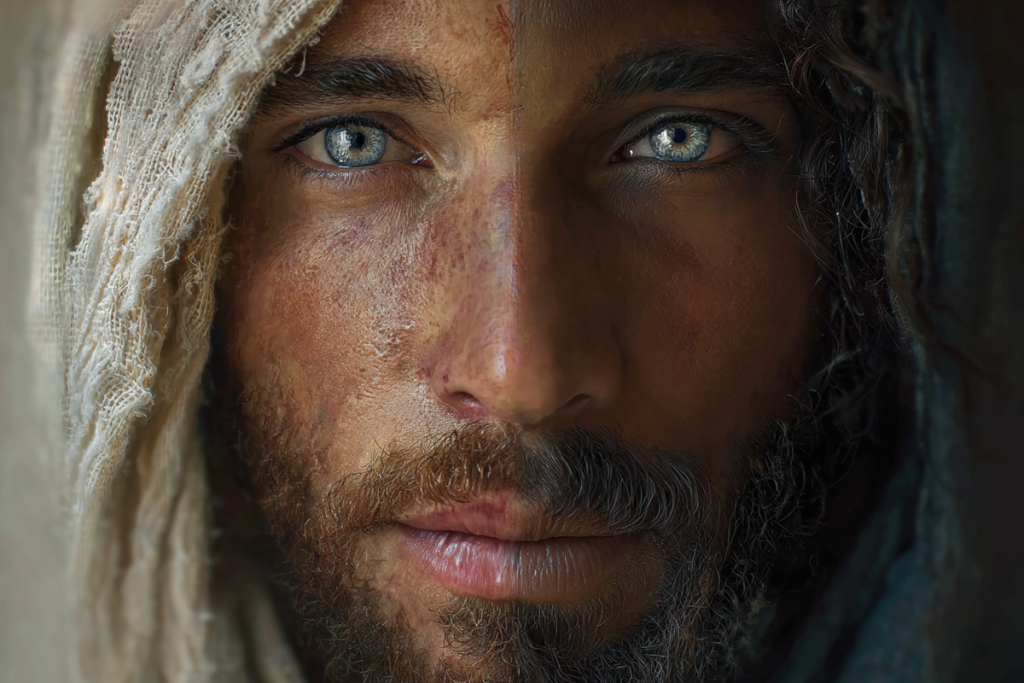
The return of Jesus Christ is basically the central moment of end-time prophecy. It’s described as visible, powerful, and impossible to miss—so no, it’s not something subtle that you might accidentally scroll past.
This event represents justice, restoration, and the fulfillment of God’s promises. It’s the moment when everything unresolved is finally addressed.
For believers, this is more hopeful than scary. It’s not about fear—it’s about things being made right.
Think of it as the ultimate resolution to a very long and complicated story. Dramatic? Yes. But also meaningful.
7. The Final Judgment
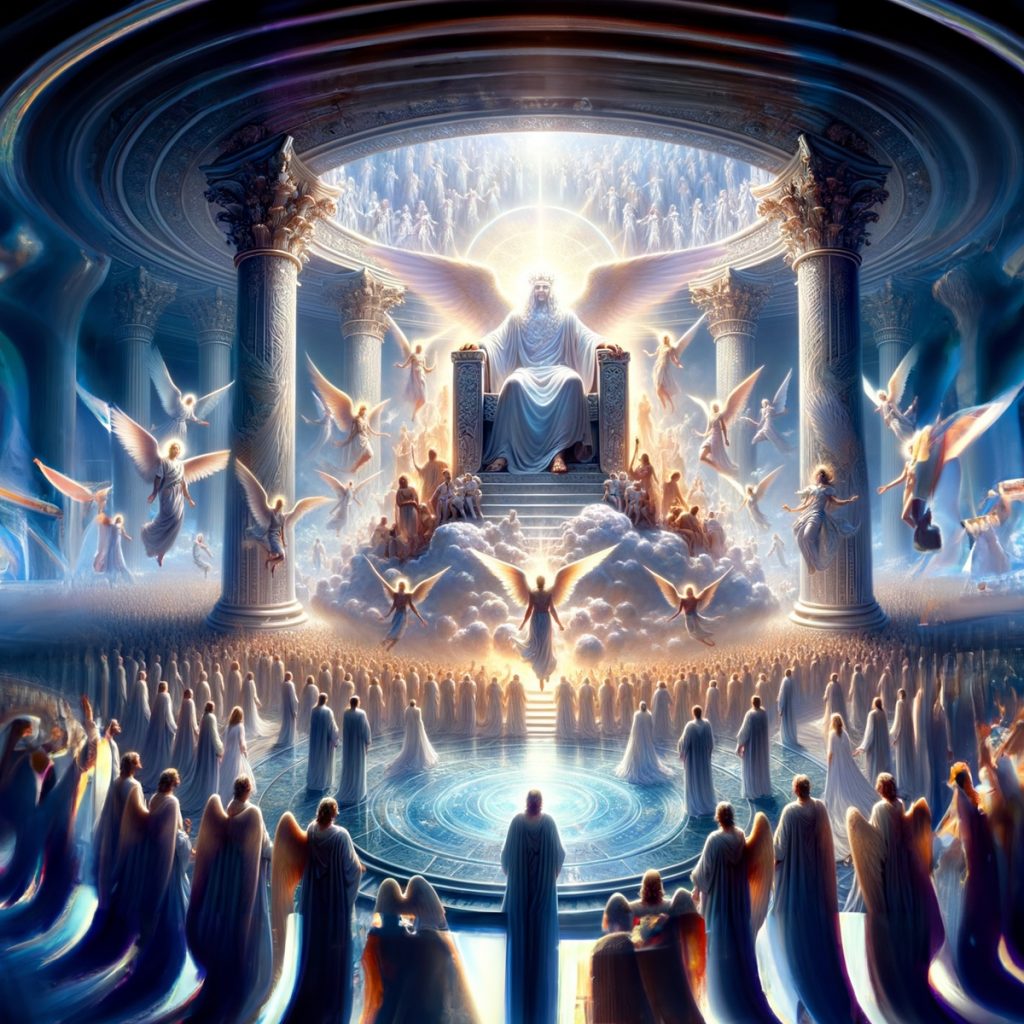
The Final Judgment is exactly what it sounds like: a moment where everyone is held accountable. Actions, choices, intentions—it all comes into focus.
Now before this sounds terrifying, it’s also about fairness. It’s the idea that nothing goes unnoticed and that justice is ultimately served.
The deeper meaning? Accountability matters. What you do, how you treat people, and what you stand for—it all counts.
It’s less about fear and more about responsibility. Also, a gentle reminder that maybe being a decent human being is always a good strategy.
8. A New Heaven and New Earth
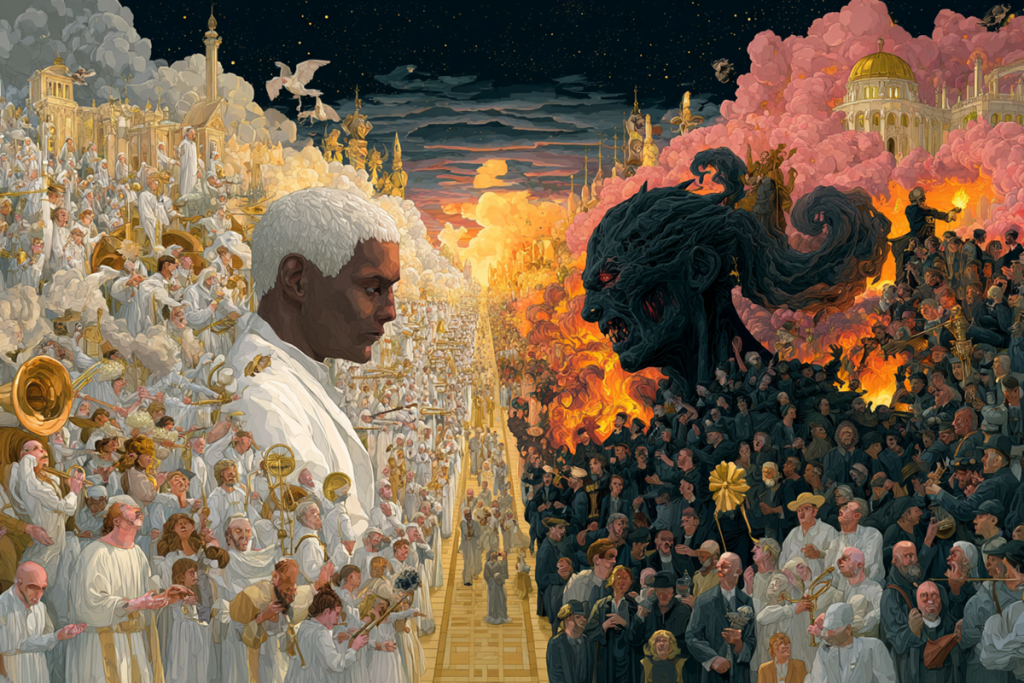
After all the chaos, judgment, and dramatic events, there’s…renewal. The Bible describes a completely restored creation—often called the New Heaven and New Earth.
This is where things shift from intense to hopeful. No more suffering, pain, or injustice—just peace and restoration.
The takeaway? The end isn’t really the end. It’s a reset. A better version of everything.
And honestly, after everything described before this, it feels like a well-earned upgrade.
9. False Prophets and Misinformation
Not everyone spreading “truth” in the end times will actually be telling the truth. The Bible warns about false prophets—people who appear credible but lead others astray.
Sound familiar? It should. This prophecy feels very current.
The core message is about discernment. Don’t believe everything just because it sounds convincing or comes from someone confident.
It’s basically ancient advice for modern problems: think critically, stay grounded, and maybe don’t trust every dramatic headline you see.
10. People Becoming Spiritually Cold

One of the more subtle prophecies is that people’s love will “grow cold.” In other words, empathy decreases, selfishness increases, and kindness becomes…optional.
This isn’t about dramatic events—it’s about everyday behavior.
The deeper meaning? The real danger isn’t just external chaos—it’s internal disconnection. When people stop caring about each other, everything else gets worse.
The takeaway is surprisingly simple: stay kind. Stay compassionate. In a world that might feel increasingly disconnected, choosing empathy is actually a powerful act.

Lover of good music, reading, astrology and making memories with friends and spreading positive vibes! 🎶✨I aim to inspire others to find meaning and purpose through a deeper understanding of the universe’s energies.