
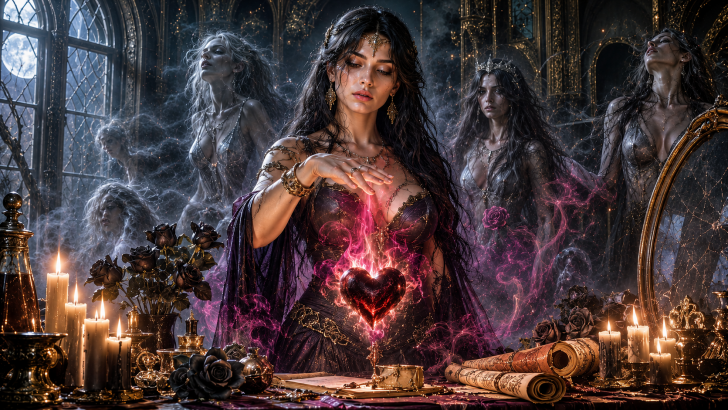
Some ancient stories describe mysterious female figures connected to temptation, fear, and hidden spiritual forces.
In certain mystical traditions, one of these figures is Naamah, often described as a dark and seductive presence linked to night, desire, and spiritual danger.
She is sometimes connected to other well-known mythological figures like Lilith, forming part of a broader symbolic world of spirits and demonesses in folklore.
In these stories, Naamah is not just a simple villain. She often represents deeper themes like temptation, emotion, and the hidden struggles of human desire.
Different traditions describe her in different ways, but she is usually shown as powerful, mysterious, and closely tied to spiritual and emotional influence.
Here are five important things to know about Naamah and her place in myth and legend.
1. Naamah Is Often Linked to Temptation and Desire
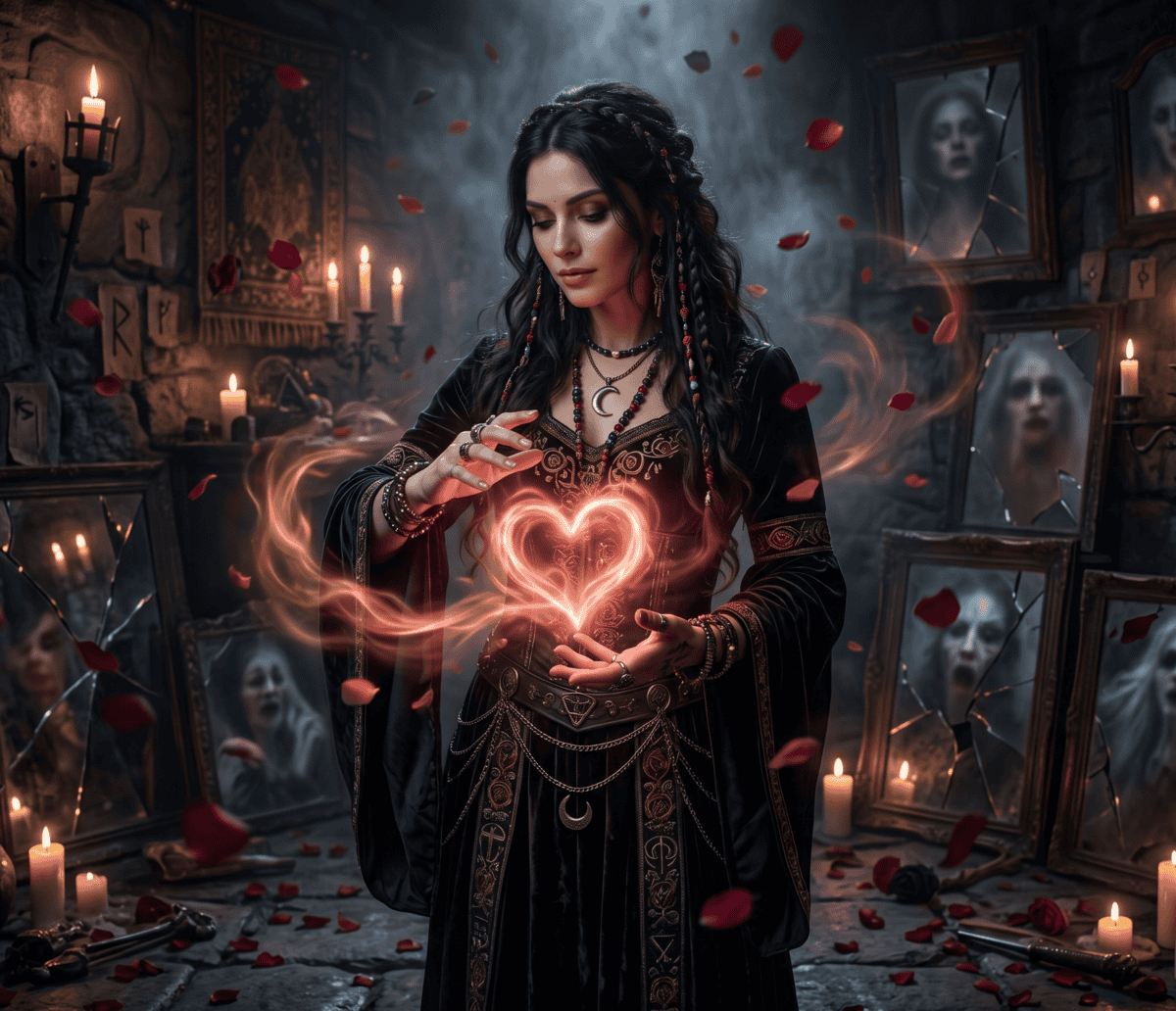
Naamah is commonly described as a figure connected to temptation, attraction, and emotional influence over human behavior.
In many traditions, she represents the pull of desire, especially when emotions become overwhelming or difficult to control.
Rather than acting through force, she is often portrayed as influencing thoughts and feelings in subtle ways.
This makes her more symbolic than literal, representing how desire can guide decisions even when logic suggests otherwise.
Her presence in myth often reflects the ancient fear that strong emotions can cloud judgment and lead people away from balance, peace, and spiritual clarity.
Many stories also suggest she appears most strongly in moments of loneliness, uncertainty, or emotional vulnerability, when the mind is already open to suggestion and inner conflict.
2. She Is Sometimes Called a “Sister” of Lilith
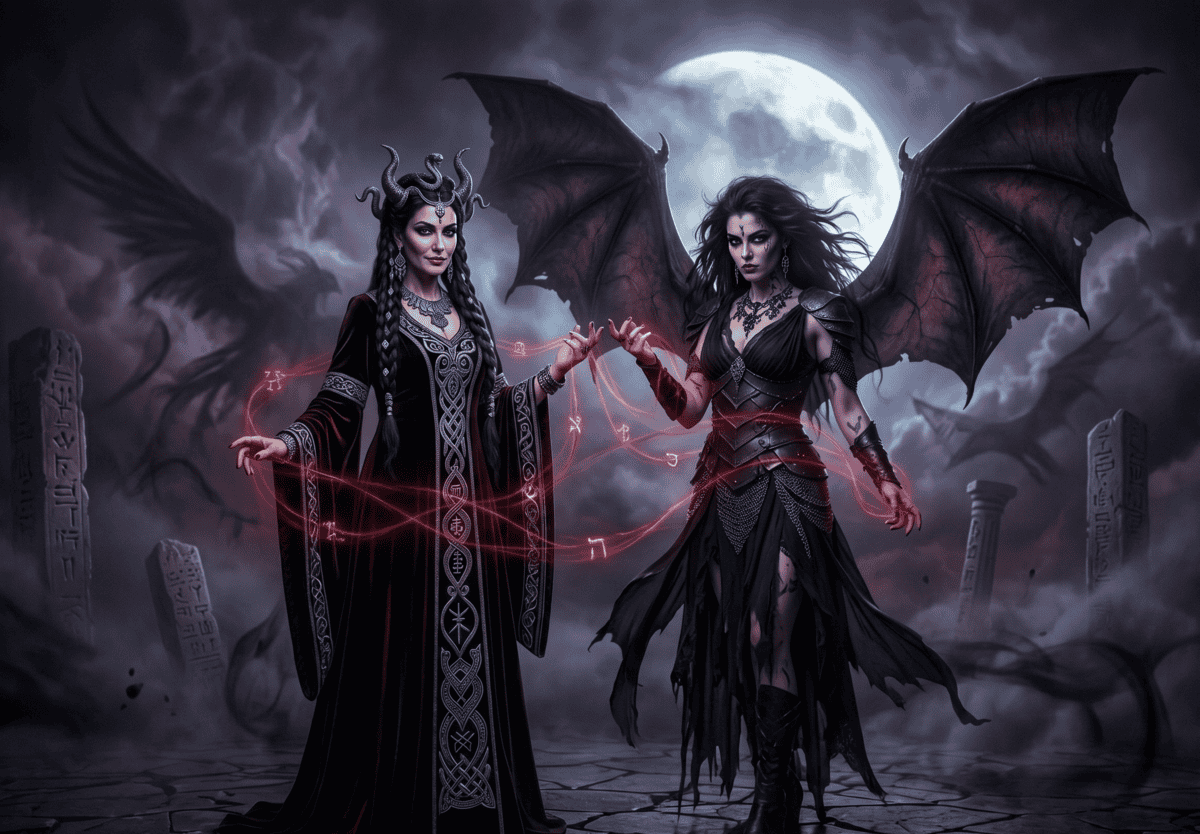
In later mystical interpretations, Naamah is sometimes associated with Lilith, another powerful and feared female figure in folklore.
They are not always described as literal sisters, but as symbolic counterparts or companions in certain mythological systems.
This connection places Naamah within a group of dark feminine figures often linked to night, independence, and spiritual danger.
Together, these figures represent complex ideas about freedom, desire, and rebellion against traditional order.
Their relationship varies across texts, but it highlights how mythology often builds interconnected symbolic families of spirits rather than single, isolated characters.
Some traditions even describe them working together as forces that challenge boundaries between the spiritual and human worlds.
3. Naamah Is Associated With Night and Hidden Places
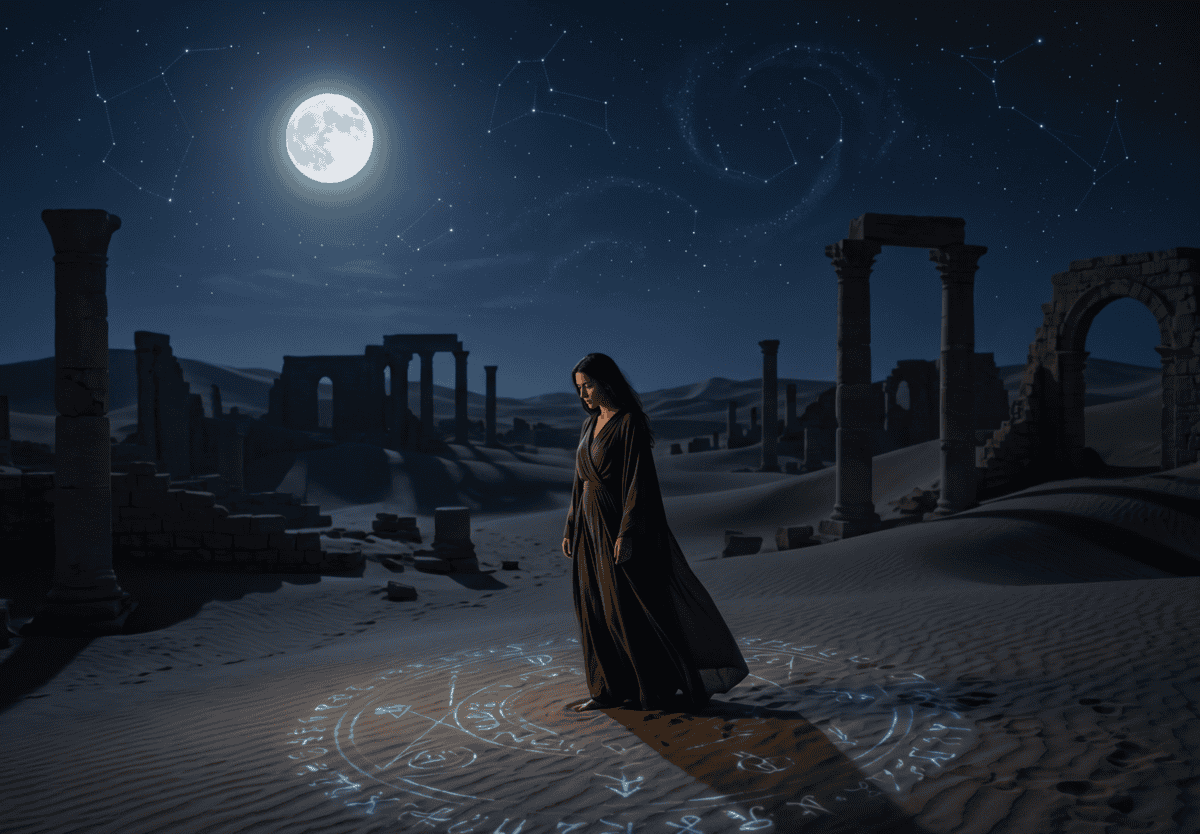
Many traditions describe Naamah as a figure connected to darkness, night, and unseen spaces where human awareness is limited.
She is often linked to dreams, hidden thoughts, and emotional states that appear when the world is quiet.
Nighttime symbolism in mythology often represents mystery, uncertainty, and the subconscious mind.
Because of this, Naamah becomes a symbol of things that are not fully visible or understood during ordinary life.
Her association with darkness does not always mean evil, but rather the unknown aspects of human emotion and experience that exist beyond clear explanation or control.
This makes her feel more like a presence tied to inner reflection and emotional depth rather than a simple external threat.
4. She Represents Emotional and Spiritual Influence
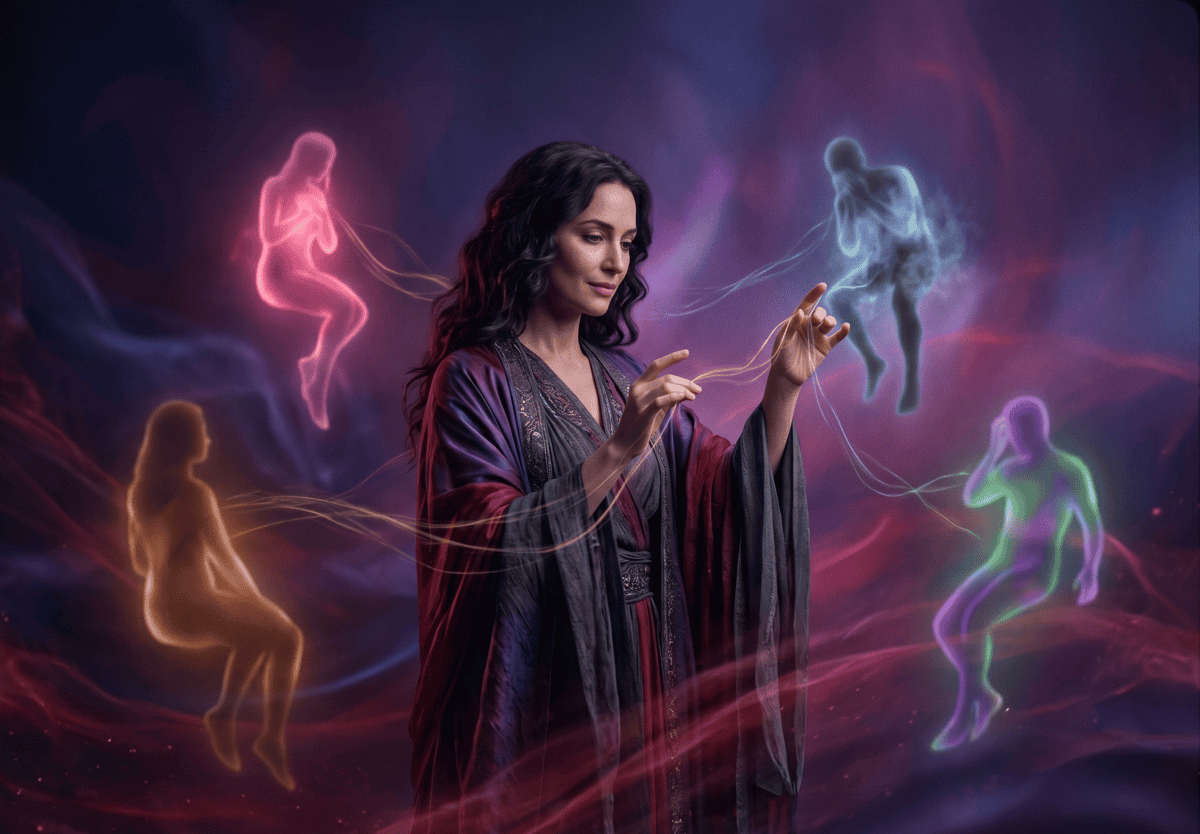
Naamah is often portrayed as influencing emotional states, especially desire, longing, and attachment.
In symbolic interpretations, she represents how emotions can shape perception and decision-making.
Rather than forcing actions, she is described as gently guiding feelings in certain directions.
This makes her a powerful metaphor for internal emotional struggle, where people feel pulled between different desires and choices.
Her mythological role reflects the idea that emotional influence can be just as powerful as physical force, especially when it comes to human relationships and personal decisions.
Some interpretations also suggest she represents how unresolved emotions can quietly shape behavior over time without a person fully realizing it.
5. Naamah Remains a Symbol of Mystery and Inner Conflict
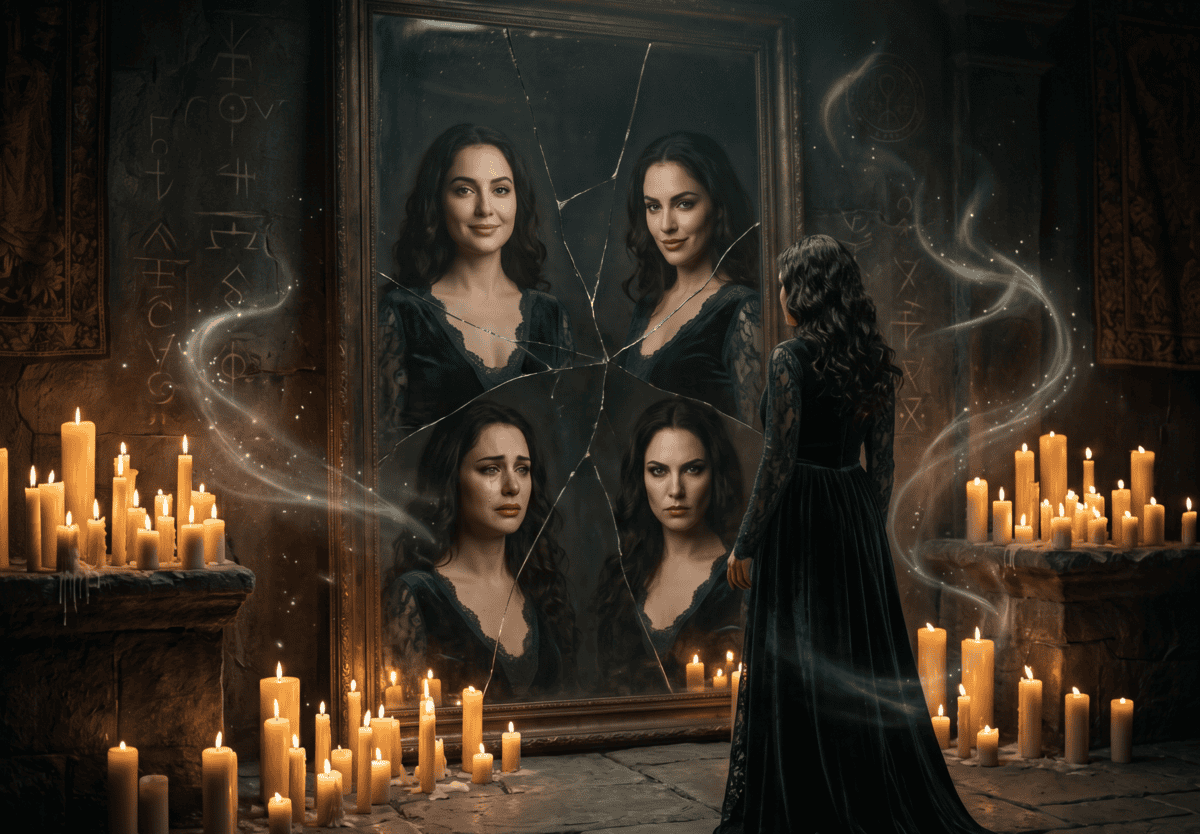
Even today, Naamah is remembered as a mysterious figure representing hidden emotion, temptation, and spiritual complexity.
Naamah continues to appear in mystical writings and modern interpretations of ancient symbolism.
She is not always viewed literally, but often as a representation of inner conflict and emotional depth within human nature.
Her story reminds people that mythological figures often reflect psychological and emotional truths, not just supernatural beings.
This is why Naamah remains an interesting figure in discussions about mythology, symbolism, and the way ancient cultures understood desire, fear, and the hidden parts of the human mind.
Many modern readers also interpret her as a reflection of internal struggles between desire and self-control in everyday life.

自出生以来,我一直感觉到自己与神灵有着紧密的联系。作为一名作家和导师,我的使命是帮助他人在最黑暗的时刻找到爱、幸福和内心的力量。