
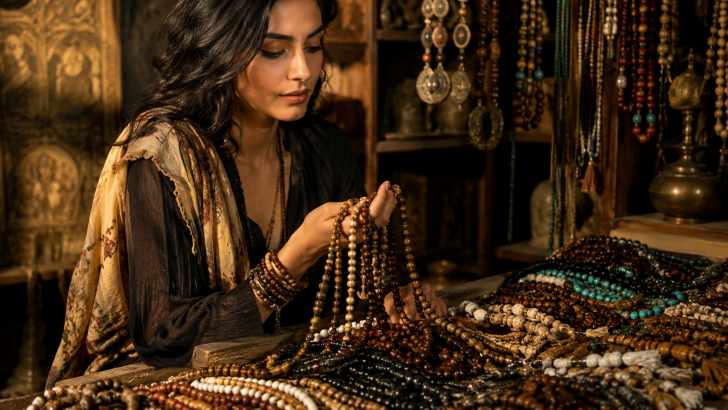
Prayer beads are often associated with a particular faith, but their history stretches across continents, cultures, and centuries.
From ancient temples and monasteries to modern homes and places of worship, beads have helped people focus their thoughts, count prayers, and deepen their spiritual practices.
Although the designs vary widely, the purpose is often similar. Prayer beads provide a physical way to guide spiritual reflection and devotion.
Their long history reveals surprising connections between cultures that developed thousands of miles apart.
Here are five fascinating things to know about the hidden history of prayer beads around the world.
1. Prayer Beads Have Been Used for Thousands of Years
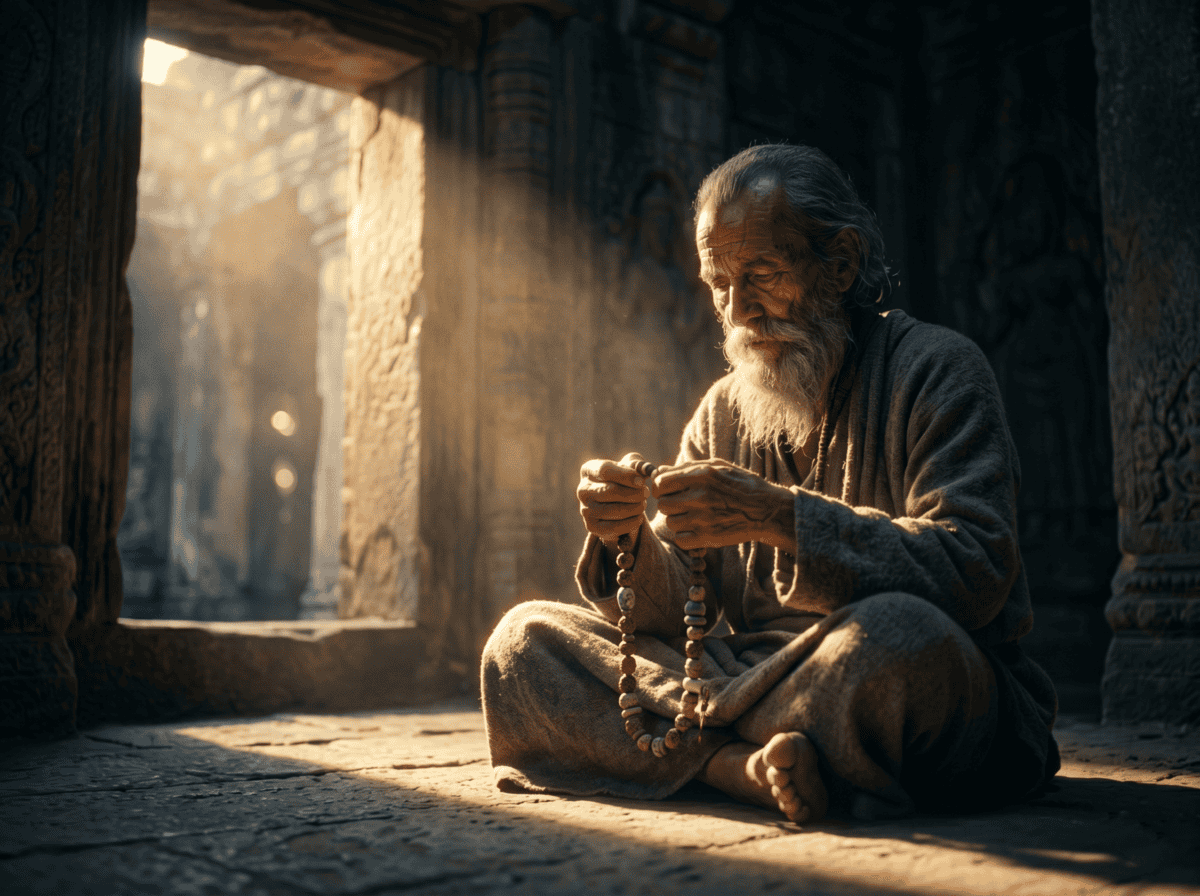
Many people are surprised to learn that prayer beads have an extremely ancient history.
Long before the modern world existed, people in various cultures used stones, seeds, knots, and beads to help keep track of prayers, chants, and sacred recitations.
Because repeating prayers could involve large numbers, physical objects made counting easier and reduced distractions.
Some historians believe early forms of prayer beads may have existed several thousand years ago.
Over time, different civilizations developed their own versions using locally available materials such as wood, bone, gemstones, shells, and seeds.
The exact origins remain difficult to pinpoint because similar practices appeared in multiple regions.
What is clear is that prayer beads became a practical spiritual tool that could be carried almost anywhere.
Their durability and simplicity helped them survive through centuries of cultural change, allowing this ancient tradition to remain part of religious life for countless people around the world.
2. Many Different Religions Developed Their Own Versions
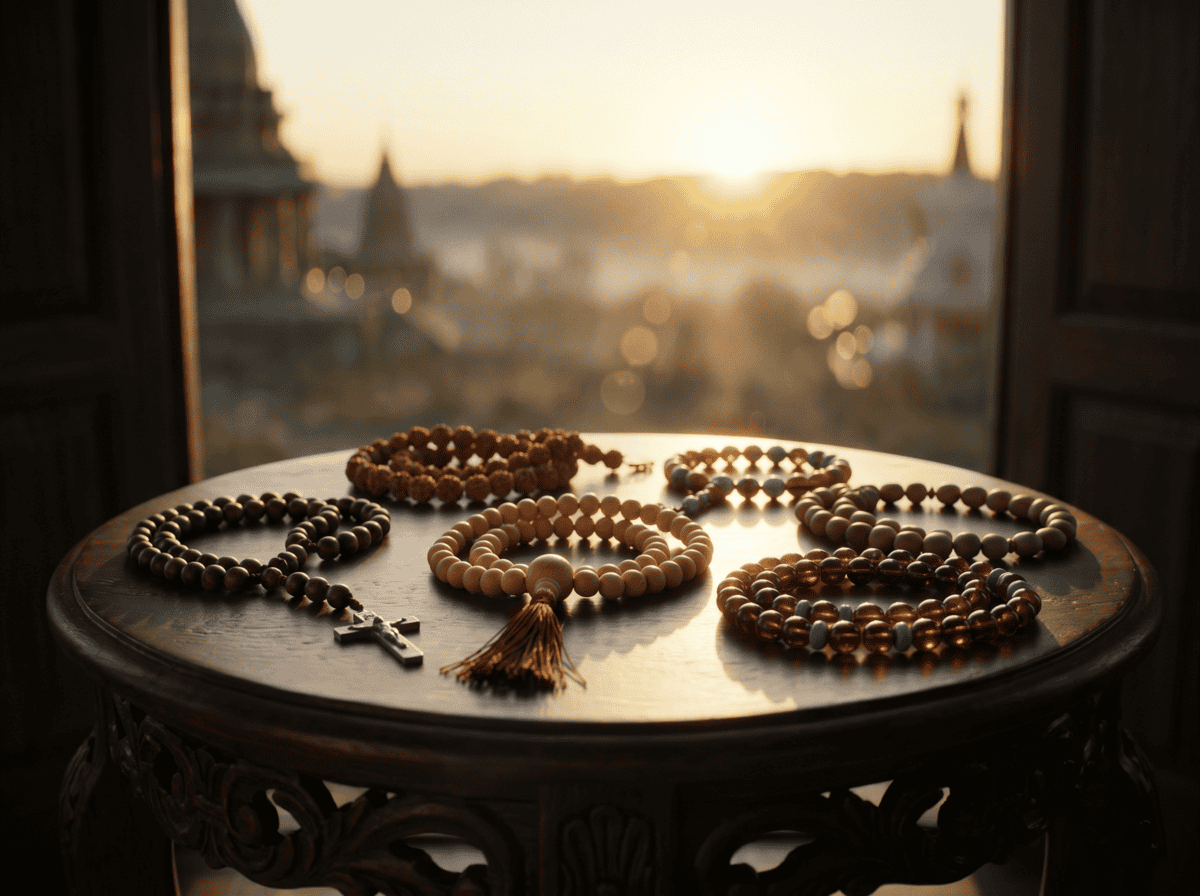
Prayer beads are not limited to a single religion. Various traditions developed their own forms, often independently.
For example, prayer beads play important roles in Buddhism, Hinduism, Christianity, and Islam.
Although the number of beads and specific practices differ, the underlying purpose is often similar.
They help worshippers maintain concentration, keep count during repeated prayers, and create a rhythm for spiritual reflection.
Each tradition adapted prayer beads to fit its own beliefs and customs. Some strings contain 33 beads, others 54, 99, 108, or different numbers entirely.
The variety demonstrates how a simple tool can take on unique meanings within different faiths.
Despite their differences, these traditions reveal a shared human desire to combine physical action with spiritual devotion, making prayer more focused and intentional.
3. The Materials Often Carried Symbolic Meaning
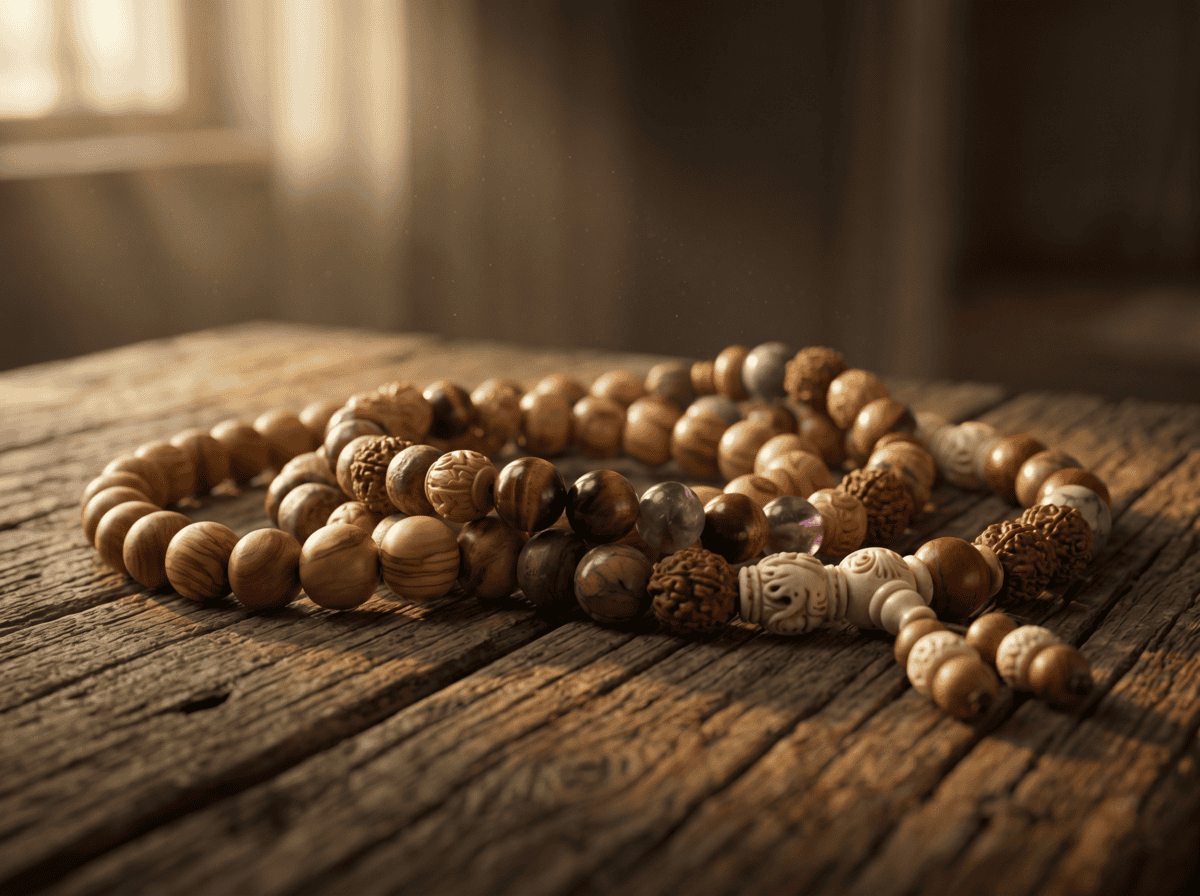
The beads themselves were often chosen for more than convenience. In many traditions, the material used to create prayer beads carried symbolic significance.
Wood from sacred trees, polished stones, seeds, olive wood, sandalwood, bone, and precious gems have all been used throughout history.
Certain materials were believed to encourage reflection, humility, purity, or spiritual awareness.
Others were valued because they connected worshippers to a specific region, pilgrimage site, or religious tradition.
Crafting prayer beads sometimes became an art form that blended spirituality with skilled workmanship.
The texture, scent, weight, and appearance of the beads could enhance the experience of prayer or meditation.
For many believers, the beads were not viewed as magical objects. Instead, they served as meaningful reminders of faith and devotion.
The choice of material often reflected the values and traditions of the community that created and used them.
4. Prayer Beads Traveled Along Ancient Trade Routes

One reason prayer beads became so widespread is that ideas often traveled alongside merchants, pilgrims, and explorers.
Ancient trade routes connected distant civilizations across Asia, Africa, Europe, and the Middle East.
These networks allowed goods, technologies, artistic styles, and religious practices to spread between cultures.
As people encountered new customs, they sometimes adopted and adapted them. Prayer beads benefited from these cultural exchanges.
While each tradition maintained its own unique practices, similarities occasionally appeared because communities learned from one another over long periods.
Pilgrims returning from sacred journeys sometimes brought new designs or prayer methods back to their homelands.
The movement of ideas helped prayer beads become one of the most recognizable spiritual tools in the world.
Their global presence serves as a reminder that cultures have influenced one another throughout history in ways that are often more interconnected than many people realize.
5. Prayer Beads Remain Popular in the Modern World
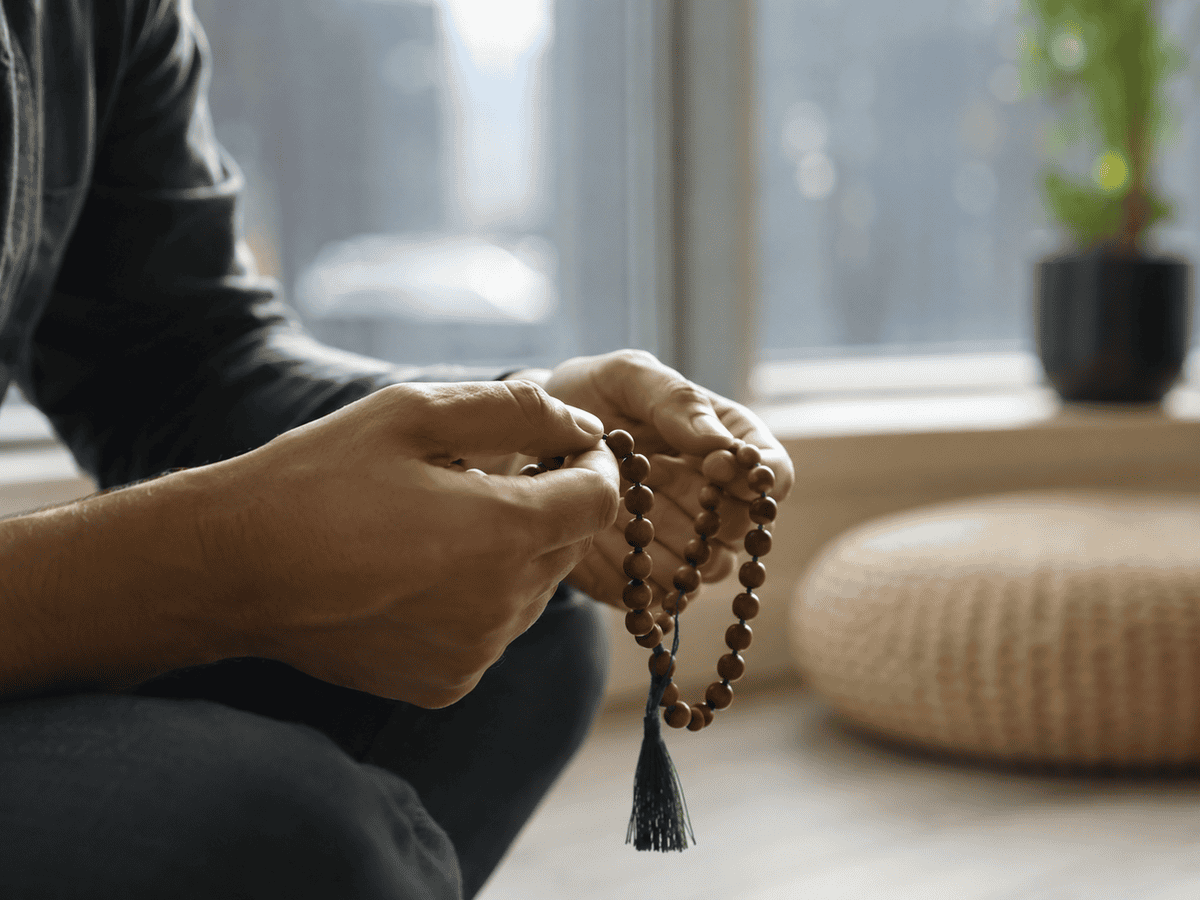
Despite dramatic technological changes, prayer beads continue to be used by millions of people today.
Modern worshippers still rely on them during prayer, meditation, contemplation, and spiritual reflection.
Some use traditional designs that have changed very little over centuries.
Others incorporate contemporary materials and artistic styles while preserving the same spiritual purpose.
Prayer beads remain popular because they engage both the mind and the hands.
The simple act of moving from one bead to the next can help create focus in a busy and distracting world.
For many people, the beads provide a sense of connection to generations of believers who practiced similar devotions long ago.
Their continued use demonstrates the lasting appeal of simple spiritual tools.
Across different cultures and faiths, prayer beads remain powerful symbols of reflection, discipline, devotion, and the universal human search for deeper meaning.

自出生以来,我一直感觉到自己与神灵有着紧密的联系。作为一名作家和导师,我的使命是帮助他人在最黑暗的时刻找到爱、幸福和内心的力量。