
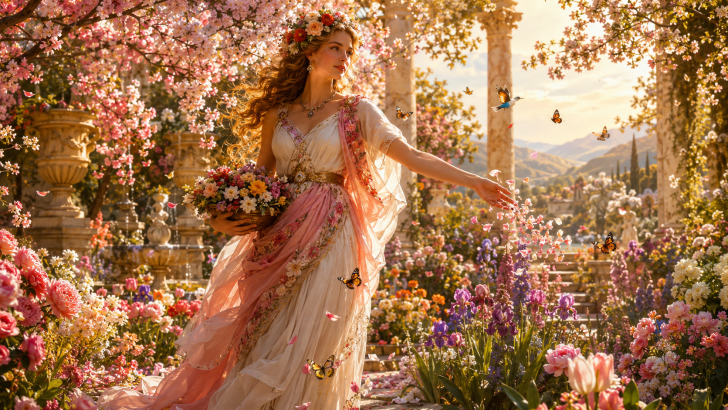
Have you ever wondered who was responsible for filling the world with colorful flowers each spring?
In Roman mythology, that honor belonged to Flora, the goddess of flowers, blossoms, and the season of spring.
While gods like Jupiter, Mars, and Neptune often receive more attention in mythology books, Flora played an important role in the lives of ordinary Romans.
Every year, as winter faded and flowers began to bloom, people saw her influence everywhere.
Gardens burst into color, trees covered themselves with blossoms, and the natural world seemed to awaken after months of quiet.
Although Flora may not be as famous today as some other mythological figures, her story is filled with fascinating details, colorful celebrations, and surprising connections to everyday life.
Here are ten must-know facts about Flora, the Roman goddess of flowers and spring.
1. Flora Was the Roman Goddess of Flowers
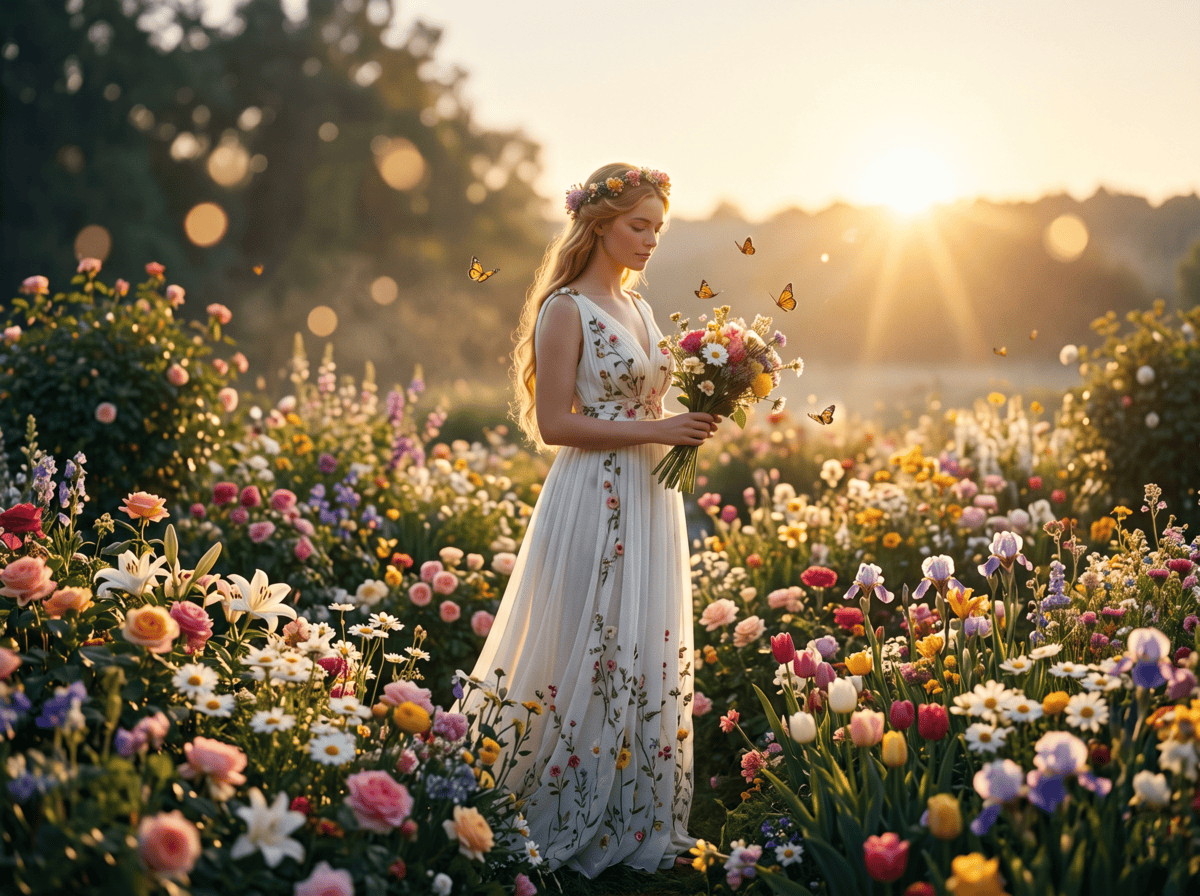
As her name suggests, Flora was primarily associated with flowers and blossoms. According to Roman belief, she watched over flowering plants and helped bring beauty to the natural world.
Whenever flowers opened their petals in spring, many Romans saw it as a sign of her presence. She was believed to encourage growth and help plants reach their full beauty.
Imagine looking across a field filled with blooming wildflowers after a long winter. It would be easy to see why people connected such scenes to a divine figure.
Flowers were not just decorations in the ancient world. They symbolized life, growth, and renewal.
Because Flora governed these beautiful signs of nature, she became one of the most beloved goddesses associated with the changing seasons.
2. She Was Closely Connected to Spring
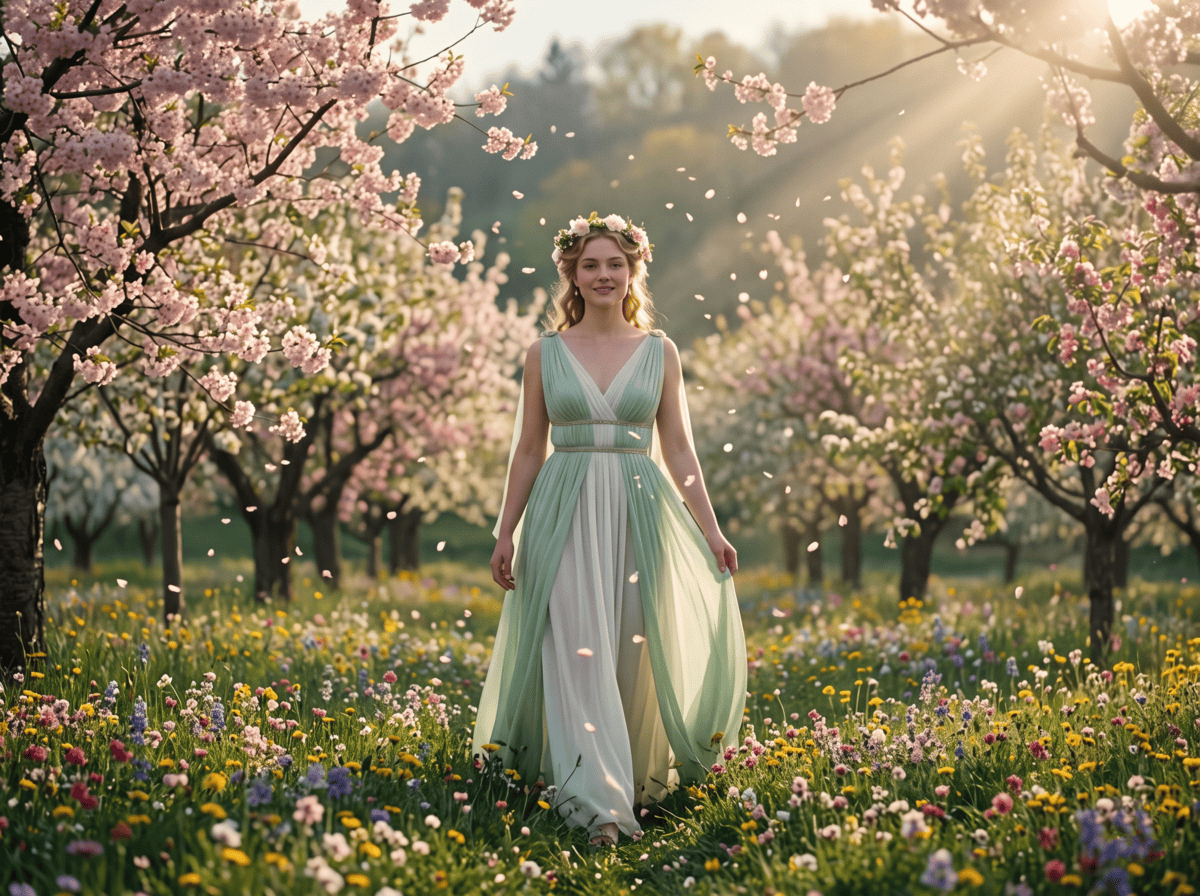
While Flora’s domain included flowers, her influence extended to the entire season of spring.
For the Romans, spring represented hope, renewal, and fresh beginnings. After months of cold weather, the return of warmth and color felt almost magical.
Flora became one of the central symbols of this transformation. Her arrival signaled that nature was waking up once again.
Think about the excitement people feel when they notice the first blossoms of the year. Even today, spring often lifts people’s spirits and encourages them to spend more time outdoors.
The Romans experienced similar feelings and saw Flora as the goddess responsible for bringing those changes.
3. Her Name Gave Us the Word “Flora”
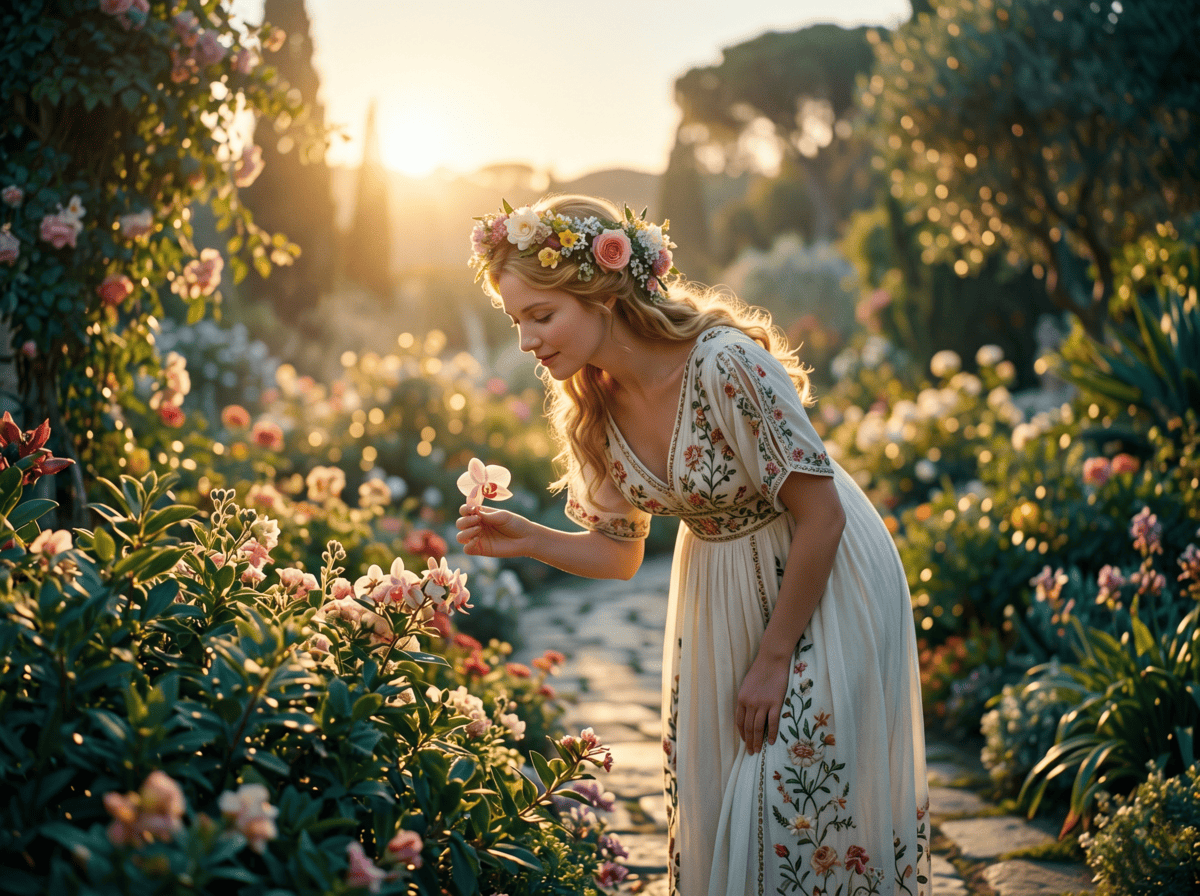
Many people encounter Flora’s influence every day without realizing it. The modern word “flora” is used to describe the plant life of a particular region.
Scientists, botanists, and nature enthusiasts regularly use the term when discussing vegetation. This connection comes directly from the Roman goddess herself.
It is fascinating how ancient mythology continues to shape modern language. Thousands of years after people worshipped Flora, her name remains part of the scientific vocabulary.
Imagine having such a lasting legacy that your name becomes associated with all plant life.
4. The Romans Celebrated a Festival Called Floralia
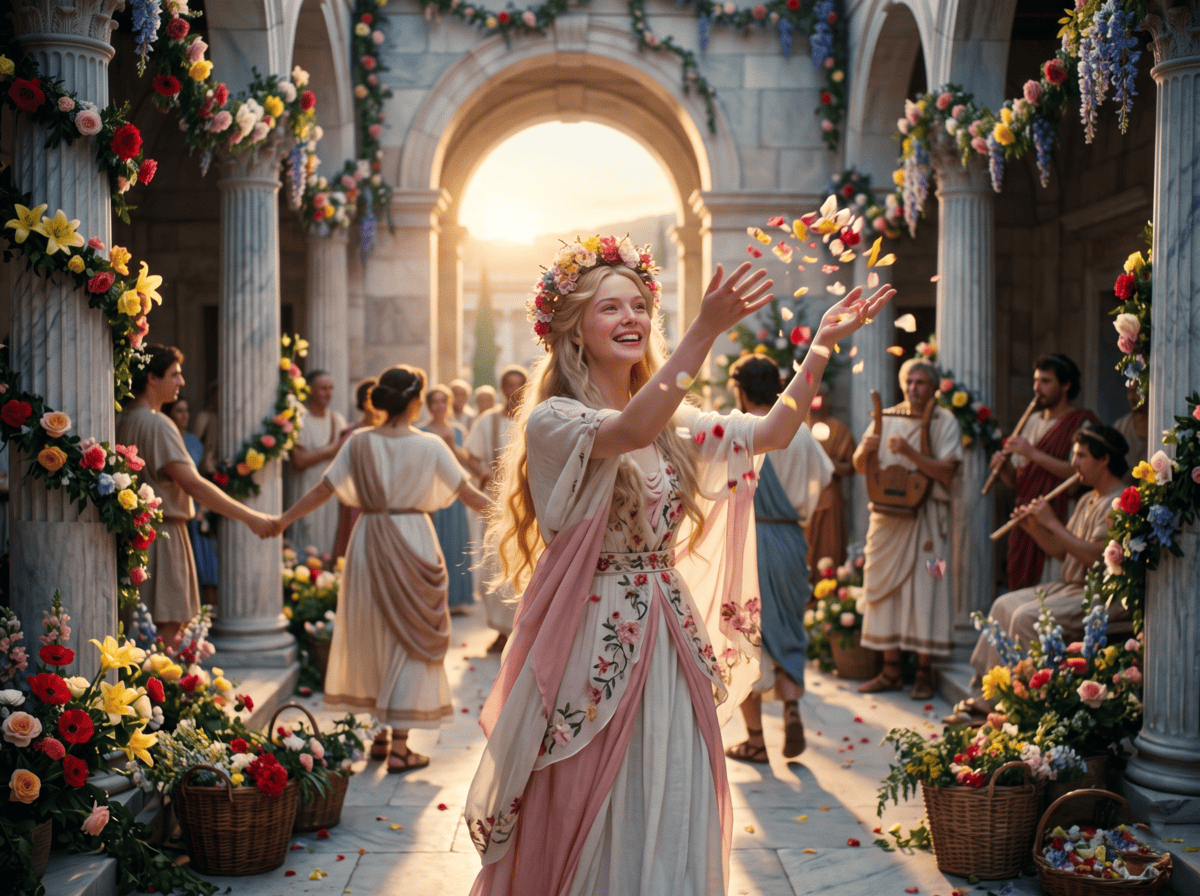
Flora was so important that the Romans held a major festival in her honor known as Floralia.
This celebration took place each spring and was filled with games, performances, entertainment, and public festivities.
It was one of the most colorful events on the Roman calendar. People decorated themselves with flowers and embraced the joyful atmosphere of the season.
You can almost picture the streets filled with bright colors, laughter, and celebrations as winter finally gave way to warmer weather.
Unlike some religious festivals that focused on solemn rituals, Floralia was known for its lively and festive spirit.
5. Flora Was Linked to Fertility and Growth
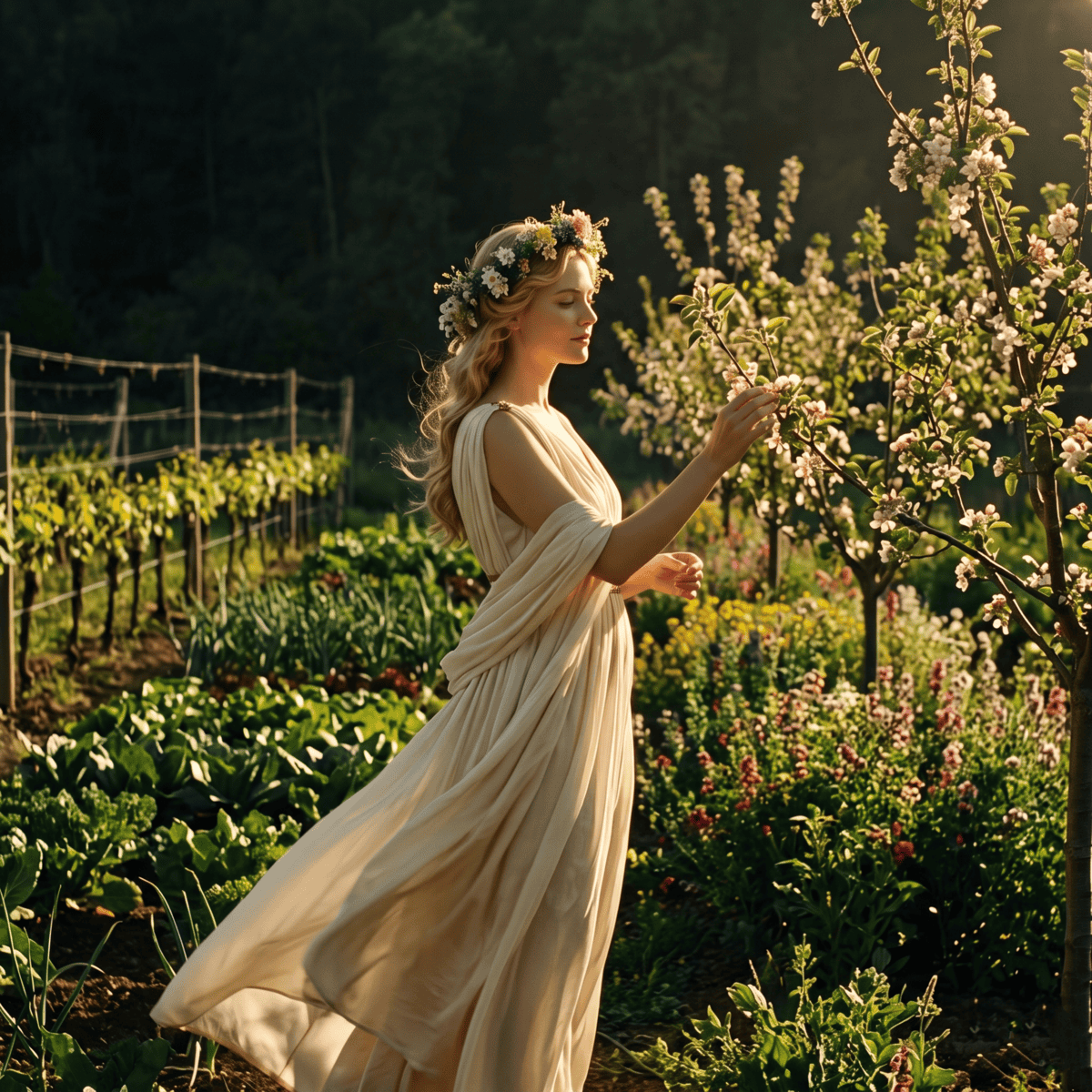
Flowers are often connected to beauty, but for the Romans, they also represented fertility and abundance.
Because Flora ruled blossoms, she became associated with the growth of plants, crops, and the renewal of life throughout nature.
This connection made her important not only to gardeners but also to farmers who depended on successful growing seasons.
Imagine living in a world where your survival depended heavily on the health of crops and plants. The arrival of spring would have carried enormous significance.
Flora symbolized the promise that life would continue and flourish after the hardships of winter.
6. She Appears in a Famous Roman Myth
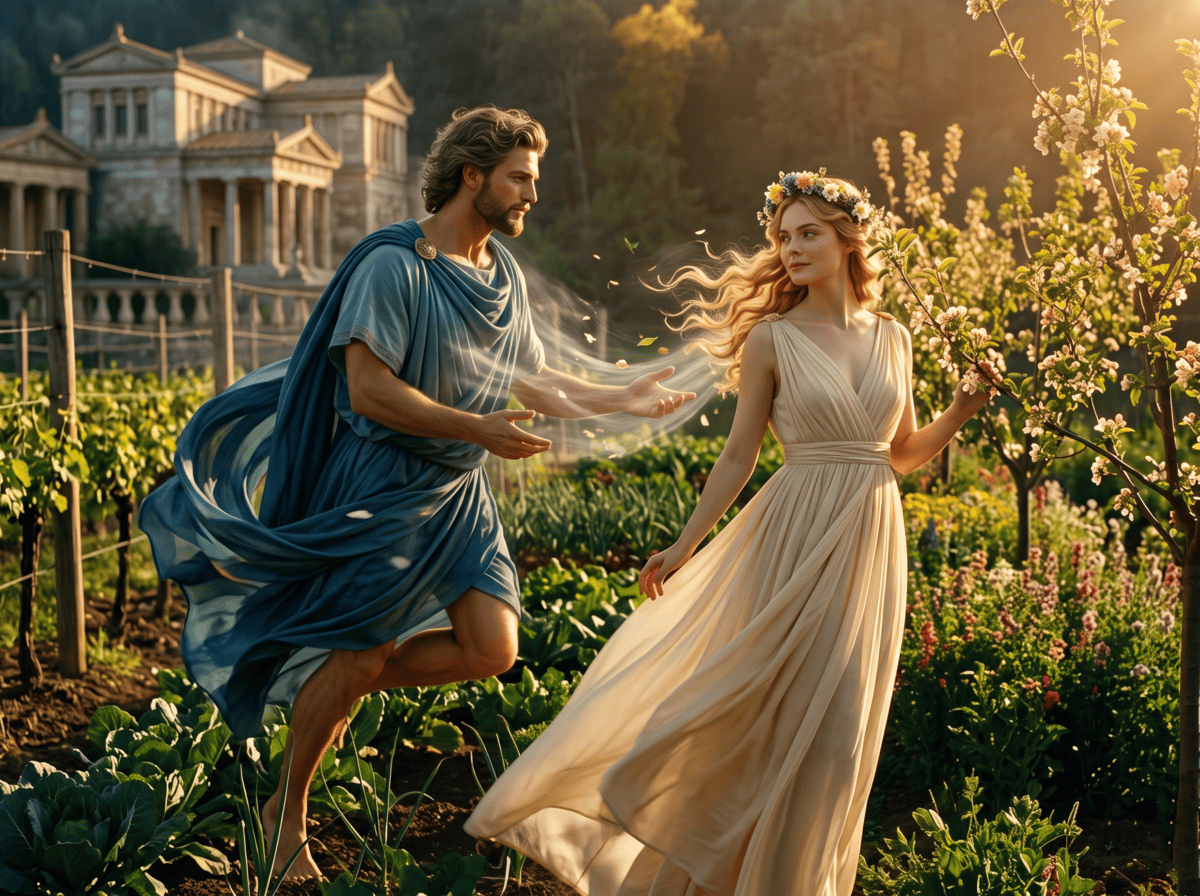
One of the most well-known stories involving Flora comes from the Roman poet Ovid.
According to the tale, Flora was originally a beautiful nymph named Chloris. One day, she caught the attention of Zephyrus, the god of the west wind.
After their meeting, Zephyrus transformed her into the goddess Flora and gave her authority over flowers and blossoms.
The story has a fairy tale quality that makes it easy to remember. A figure connected to nature receives divine powers and becomes responsible for one of the most beautiful parts of the world.
Whether Romans viewed the story as a literal truth or a symbolic mythology, it helped explain how Flora gained her important role.
7. Artists Loved Depicting Flora
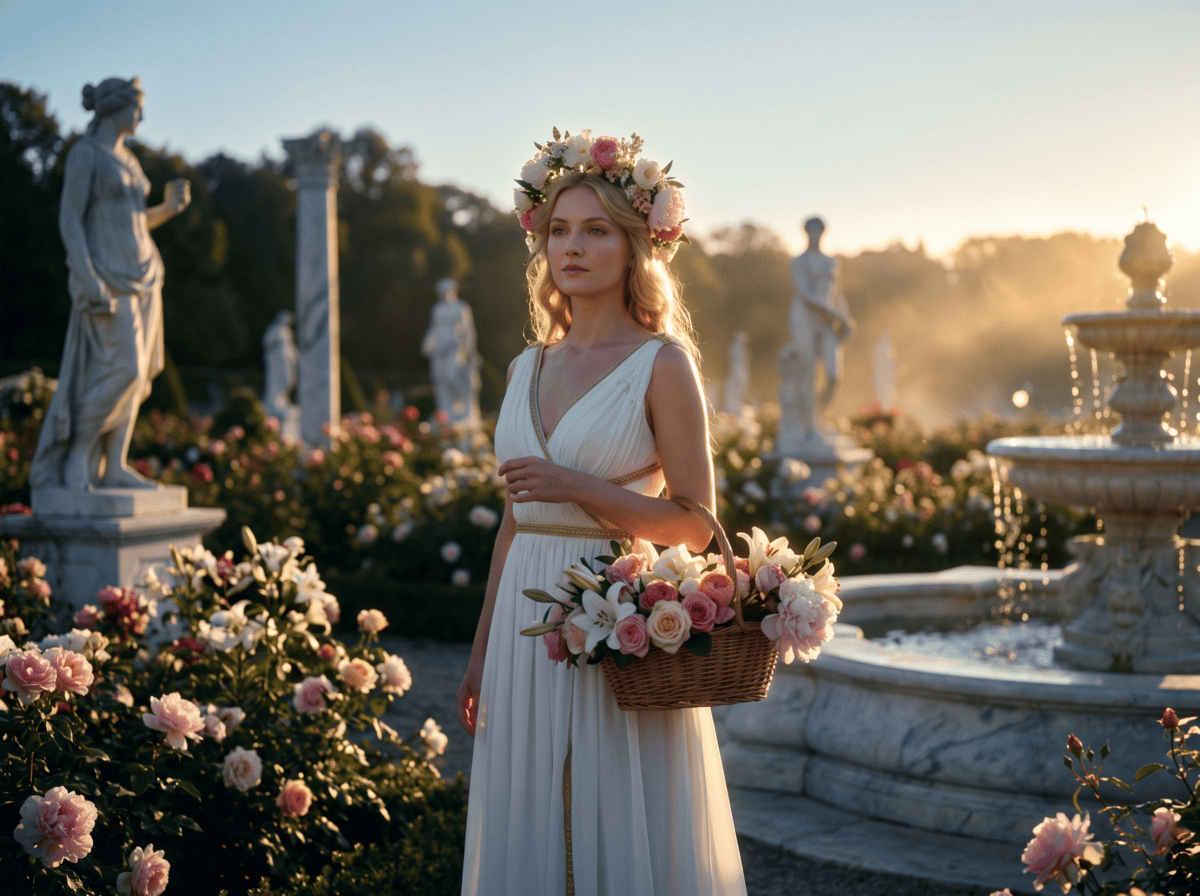
Throughout history, Flora became a favorite subject for painters, sculptors, and poets.
Artists were naturally drawn to a goddess associated with flowers, beauty, and the arrival of spring.
Her image often appeared surrounded by colorful blossoms and lush gardens. Many famous works of art portray Flora as a graceful woman scattering flowers across the landscape.
It is easy to understand why creative minds found inspiration in her story. Flowers have always been symbols of beauty, and Flora represented them all.
8. Flora Represented Joy and Celebration
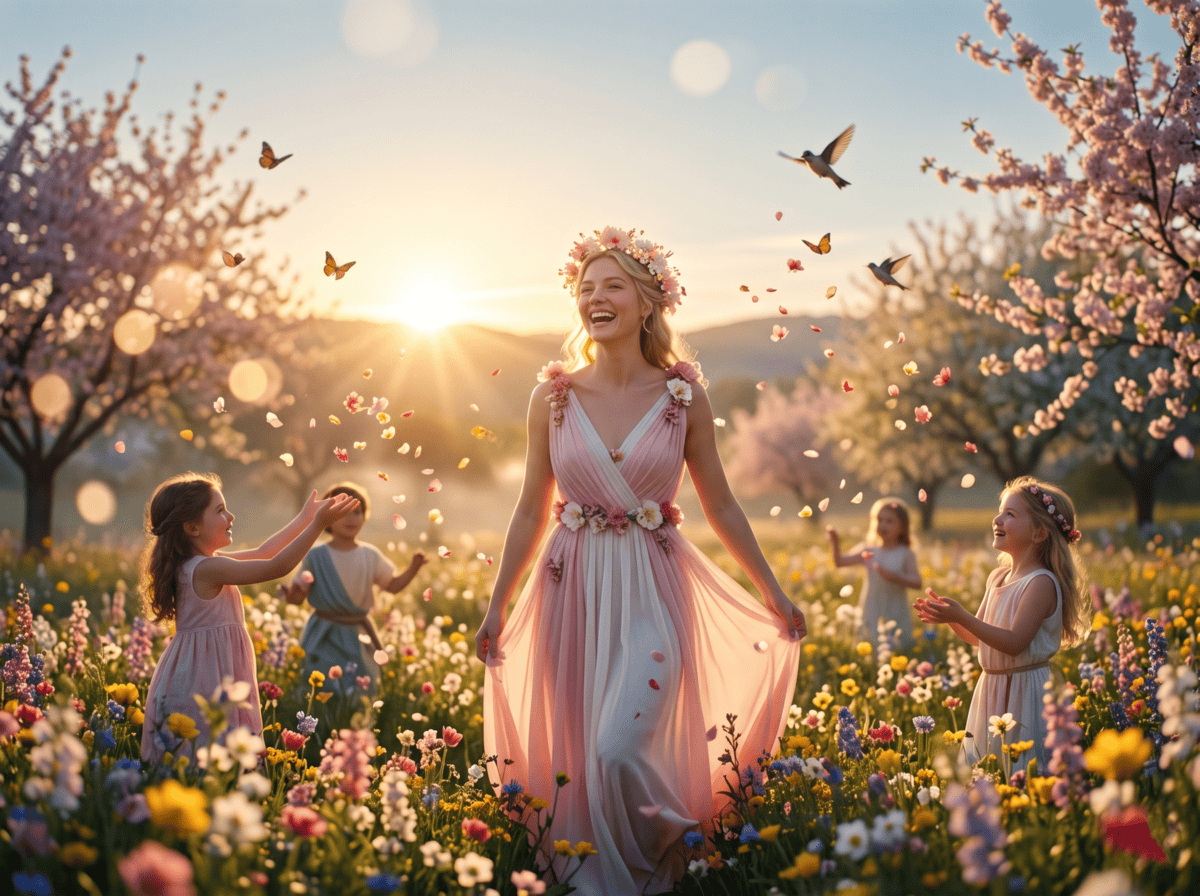
Some mythological figures were associated with war, storms, or difficult challenges. Flora represented something much lighter.
She became a symbol of happiness, beauty, and the simple pleasures of life. Think about how flowers are often used during celebrations, weddings, festivals, and special occasions.
They naturally create an atmosphere of joy. The Romans connected those positive feelings with Flora.
Her presence symbolized abundance, prosperity, and reasons to celebrate. This cheerful reputation helped distinguish her from many other deities in Roman mythology.
9. She Influenced Later European Traditions

Although the Roman Empire eventually disappeared, Flora’s influence continued long afterward.
Many spring festivals and seasonal celebrations across Europe retained themes that echoed ancient traditions associated with flowers and renewal.
As cultures evolved, some customs changed while others survived in new forms.
The idea of welcoming spring with flowers, decorations, and public celebrations remained remarkably persistent.
10. Flora Remains a Symbol of Spring Today
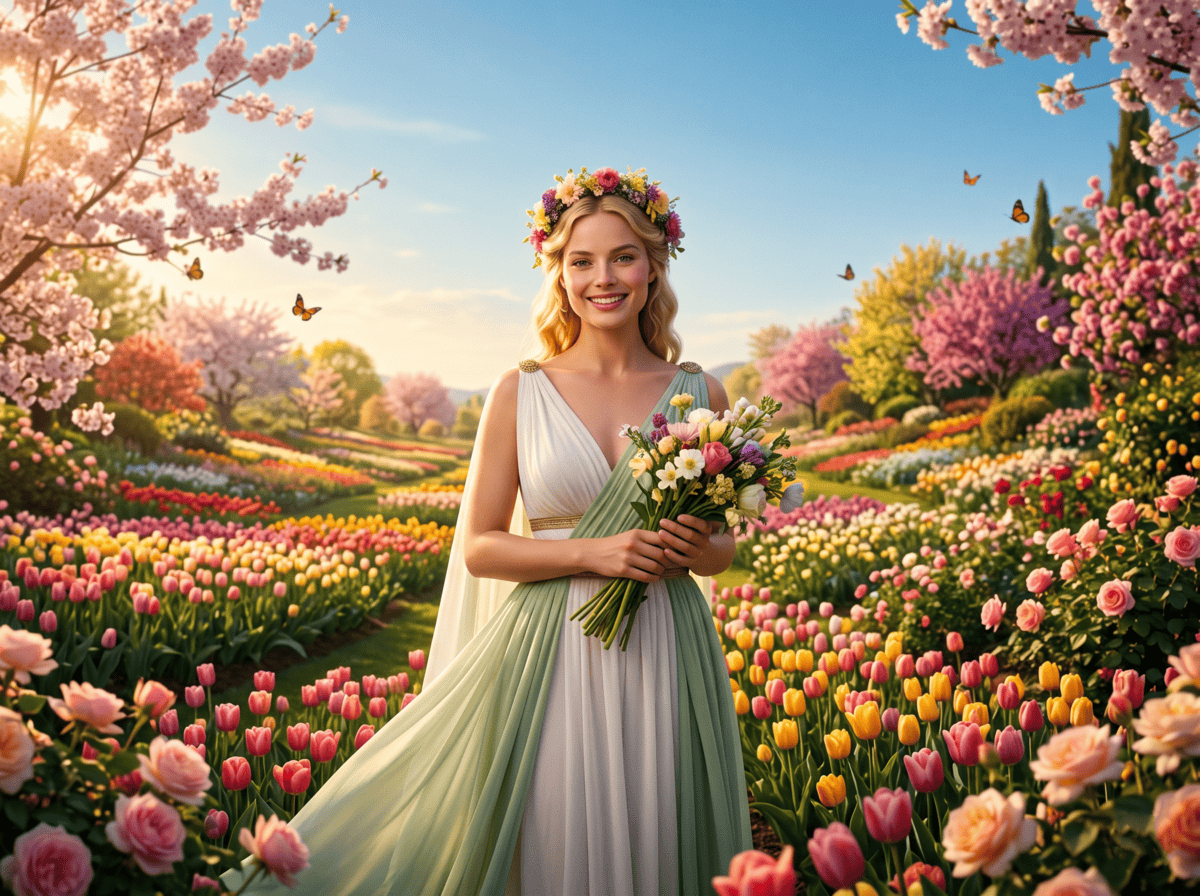
Thousands of years after ancient Romans honored Flora, her symbolism remains surprisingly familiar.
People still celebrate the arrival of spring with flowers, garden festivals, and outdoor gatherings.
Blossoming plants continue to represent renewal, hope, and the promise of warmer days ahead.
That is one reason Flora remains such an appealing mythological figure.
Her story centers on experiences that people continue to share regardless of where they live or when they were born.

自出生以来,我一直感觉到自己与神灵有着紧密的联系。作为一名作家和导师,我的使命是帮助他人在最黑暗的时刻找到爱、幸福和内心的力量。