
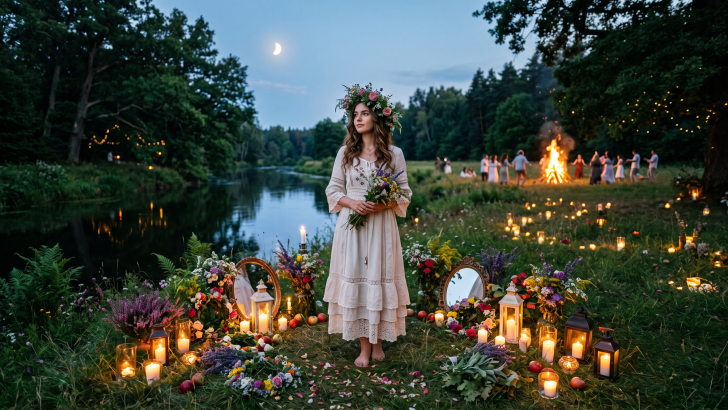
Today, people often meet through friends, school, work, dating apps, or social events. But in ancient times, finding a future spouse was surrounded by mystery, superstition, and folklore.
Many people desperately wanted clues about who they would eventually marry, what their future husband or wife would look like, or when the wedding would happen.
As a result, countless traditions emerged across different cultures. Some involved flowers, while others relied on dreams, mirrors, apples, or even everyday household objects.
While these practices were not scientific, they reveal how curious people have always been about love and the future.
Some of these customs seem charming, some are surprising, and a few are downright strange.
Here are ten ancient ways people tried to predict their future spouse.
1. Sleeping With Special Flowers Under the Pillow
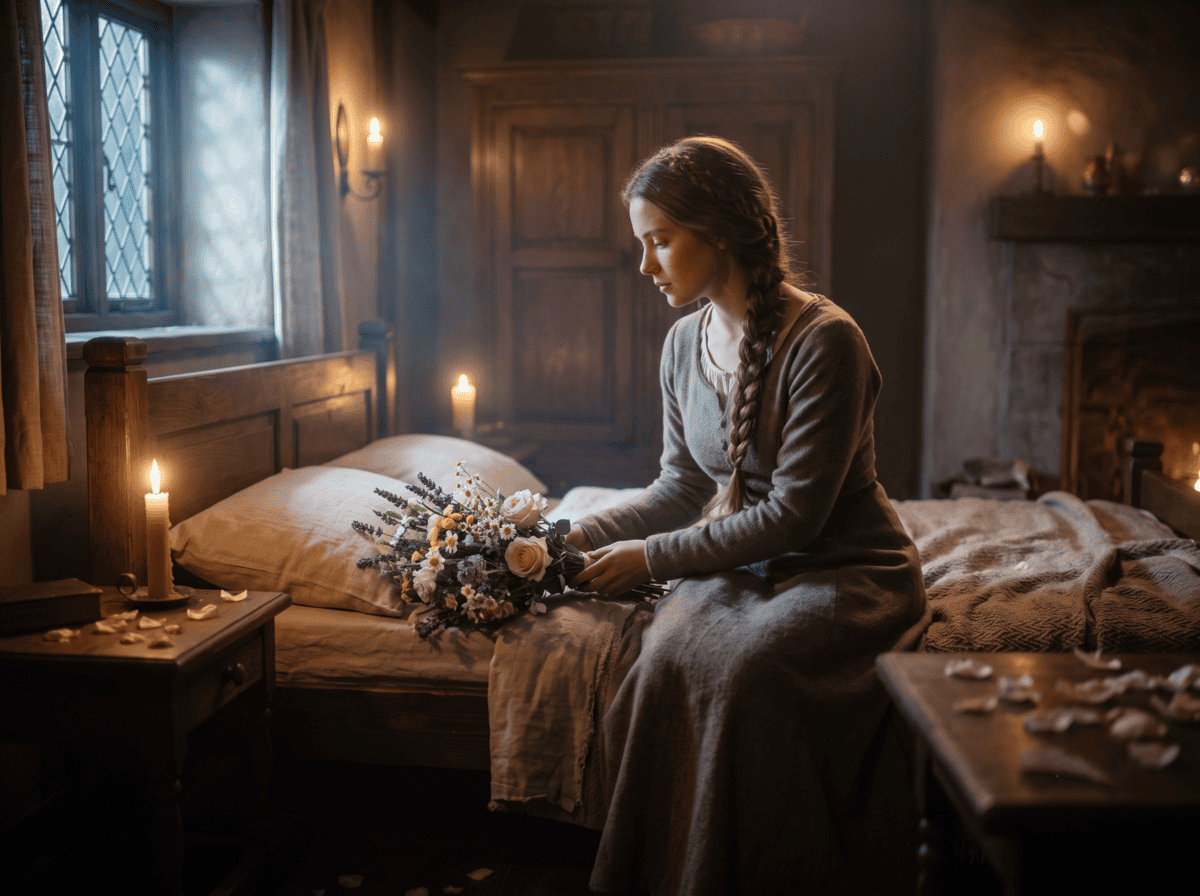
In many parts of Europe, young people believed certain flowers could reveal their future spouse through dreams.
On specific nights, especially during festivals connected to love or midsummer celebrations, girls would place flowers beneath their pillows before going to sleep.
The belief was simple. While they slept, they would dream of the person they were destined to marry.
You can easily imagine the excitement this created. A simple dream suddenly became a possible glimpse into the future.
Flowers were often associated with romance, fertility, and new beginnings, making them natural tools for love-related divination.
Even if no future spouse appeared, the tradition added a sense of magic and anticipation to an ordinary night.
2. Peeling an Apple in One Long Strip
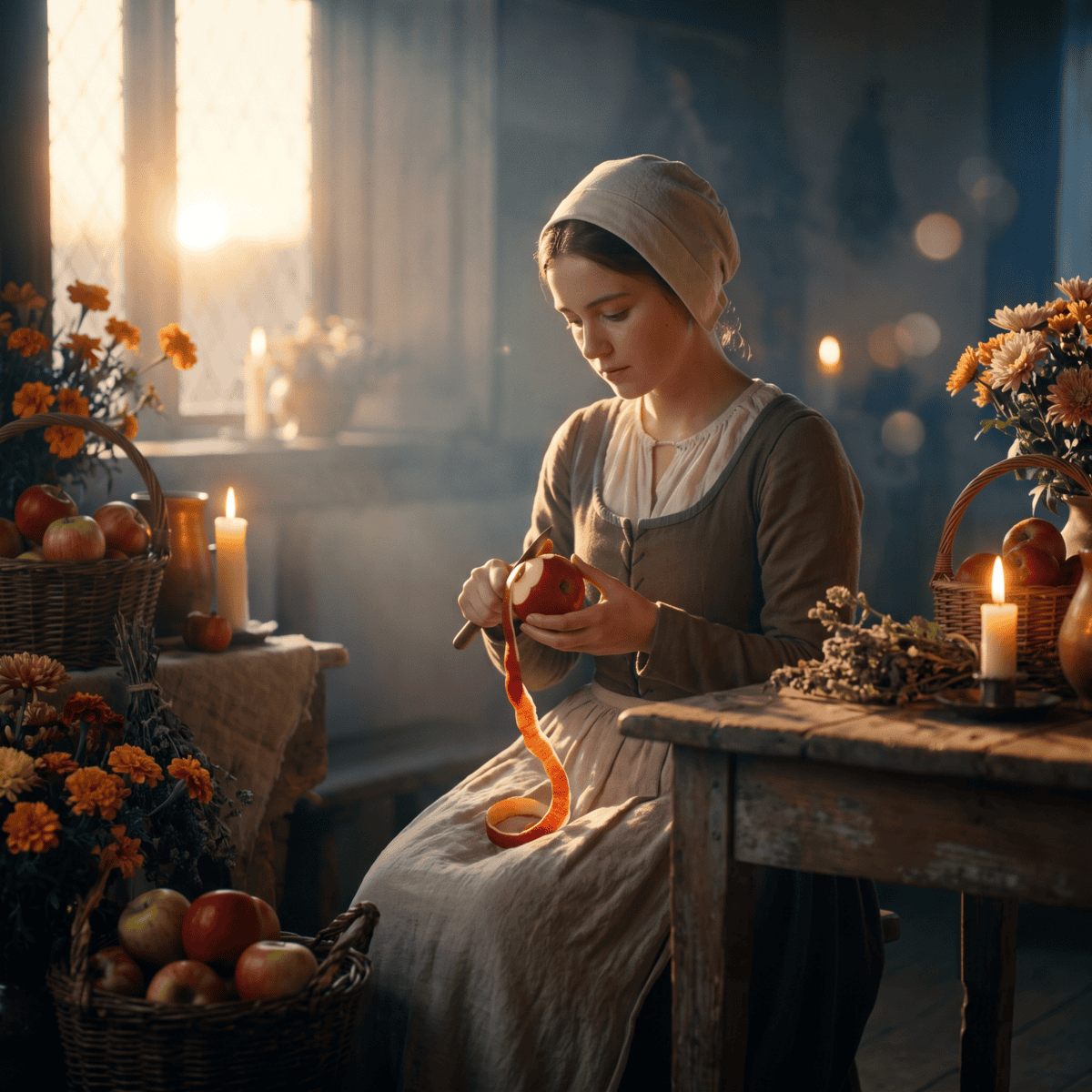
This popular tradition appeared in several European countries and was especially common among young women.
The goal was to peel an apple in one continuous strip without breaking the peel. Once finished, the person would toss the peel over their shoulder.
When the peel landed on the ground, people believed it would form the first letter of their future spouse’s name.
The longer and more complete the peel remained, the more exciting the prediction became.
While the results often required a healthy amount of imagination, the tradition remained popular for generations.
3. Looking Into a Mirror at Midnight
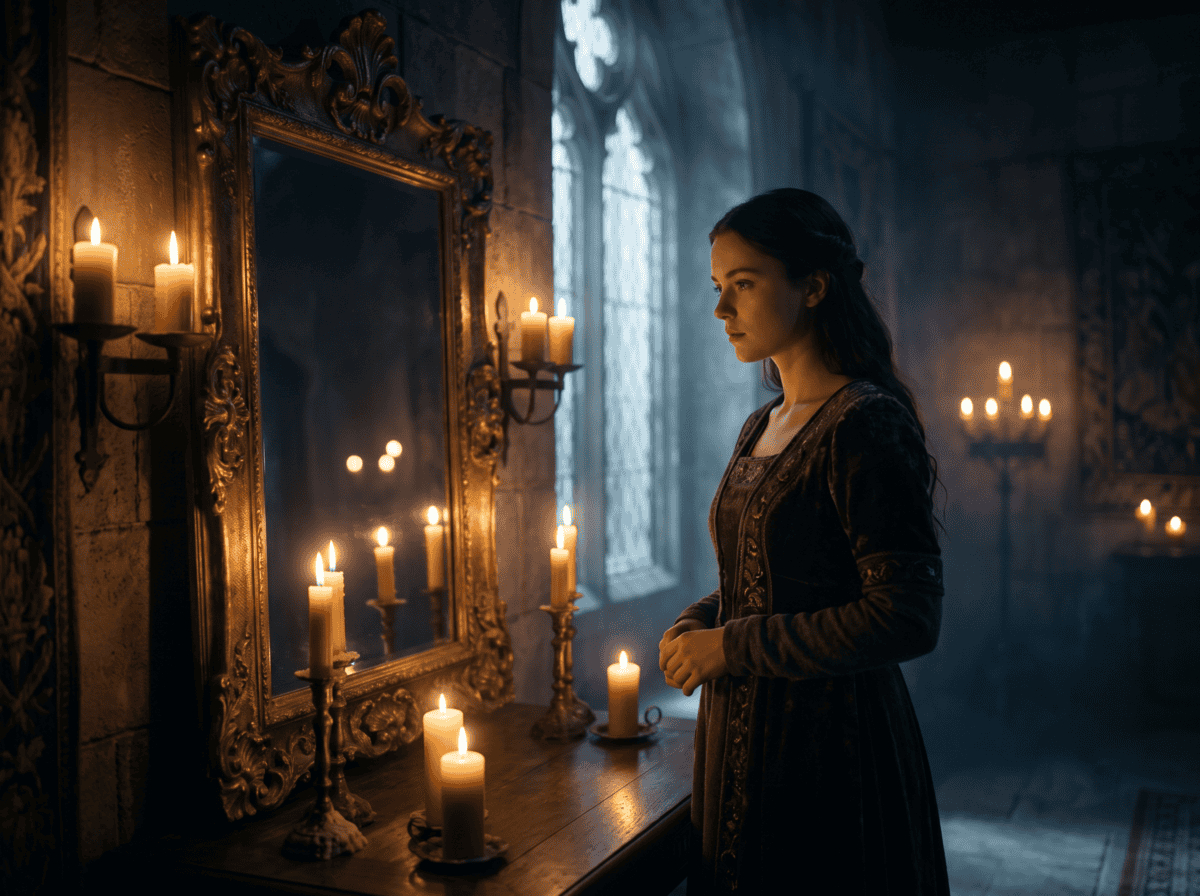
Mirror rituals were among the most mysterious methods of predicting a future spouse.
According to folklore in various countries, a person could look into a mirror at midnight under specific conditions and catch a glimpse of their future husband or wife.
Sometimes candles were involved. Other versions required standing alone in a dark room.
Mirrors have long been associated with mystery because they reflect images while seeming to conceal hidden worlds behind the glass.
The combination of darkness, candlelight, and anticipation made the experience unforgettable, whether a vision appeared or not.
4. Throwing Shoes During Holiday Celebrations
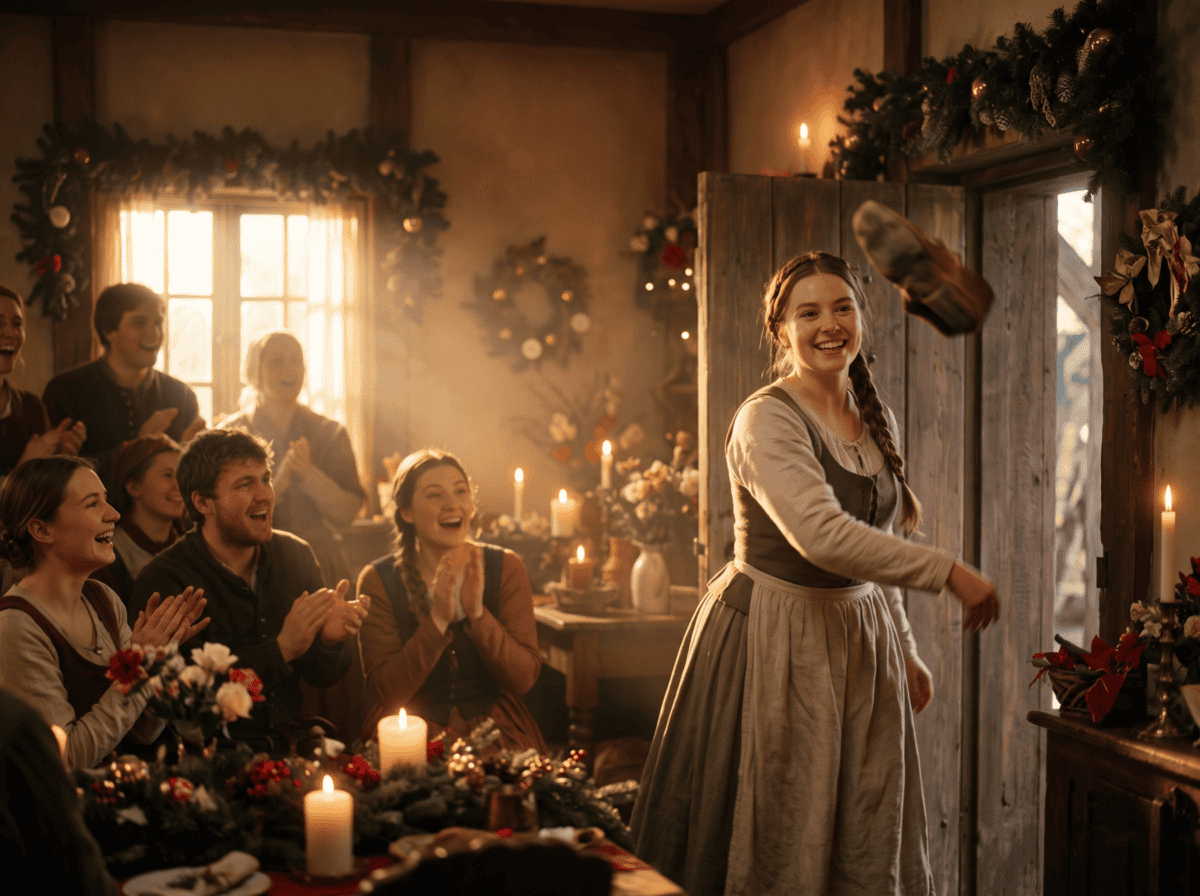
In several European traditions, shoes became unlikely fortune-telling tools. One custom involved throwing a shoe over the shoulder toward a door.
If the shoe landed with its toe pointing toward the exit, marriage was believed to be approaching. If it pointed elsewhere, the person might have to wait longer.
Think about how simple this ritual was. Nearly everyone owned a shoe, making the tradition accessible to almost anyone.
The results depended entirely on chance, but that did not stop people from eagerly participating.
It turned an ordinary object into a source of romantic speculation and entertainment.
5. Listening for the First Dog Bark

Some traditions relied on paying close attention to the sounds of the world around you.
In certain regions, young people would stand outside on special nights and listen for the first dog bark they heard.
The direction of the bark supposedly indicated where their future spouse would come from. The ritual transformed an everyday event into something meaningful.
It also reflects how ancient people often searched for signs and messages within the natural world.
6. Reading Future Clues in Nuts
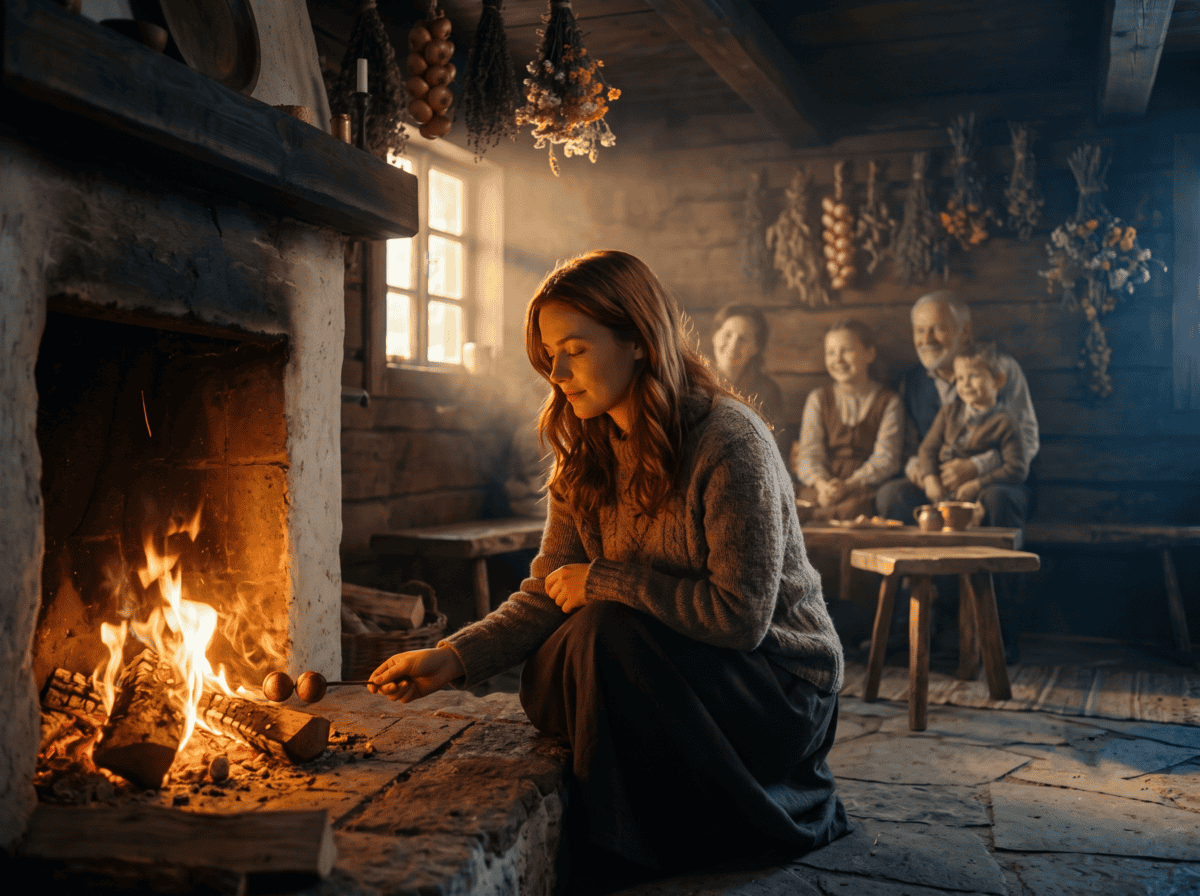
Nuts played an unexpected role in several matchmaking traditions. One popular custom involved placing two nuts side by side in a fire.
One nut represented the person performing the ritual, while the other represented their hoped-for partner.
If the nuts burned quietly together, it was considered a positive sign for future romance.
If they popped apart or rolled away from each other, the prediction was less encouraging.
You can almost picture families gathered around a fireplace, eagerly watching the tiny drama unfold. Simple activities like this brought entertainment and excitement to social gatherings.
7. Walking Through Fields on Midsummer Night
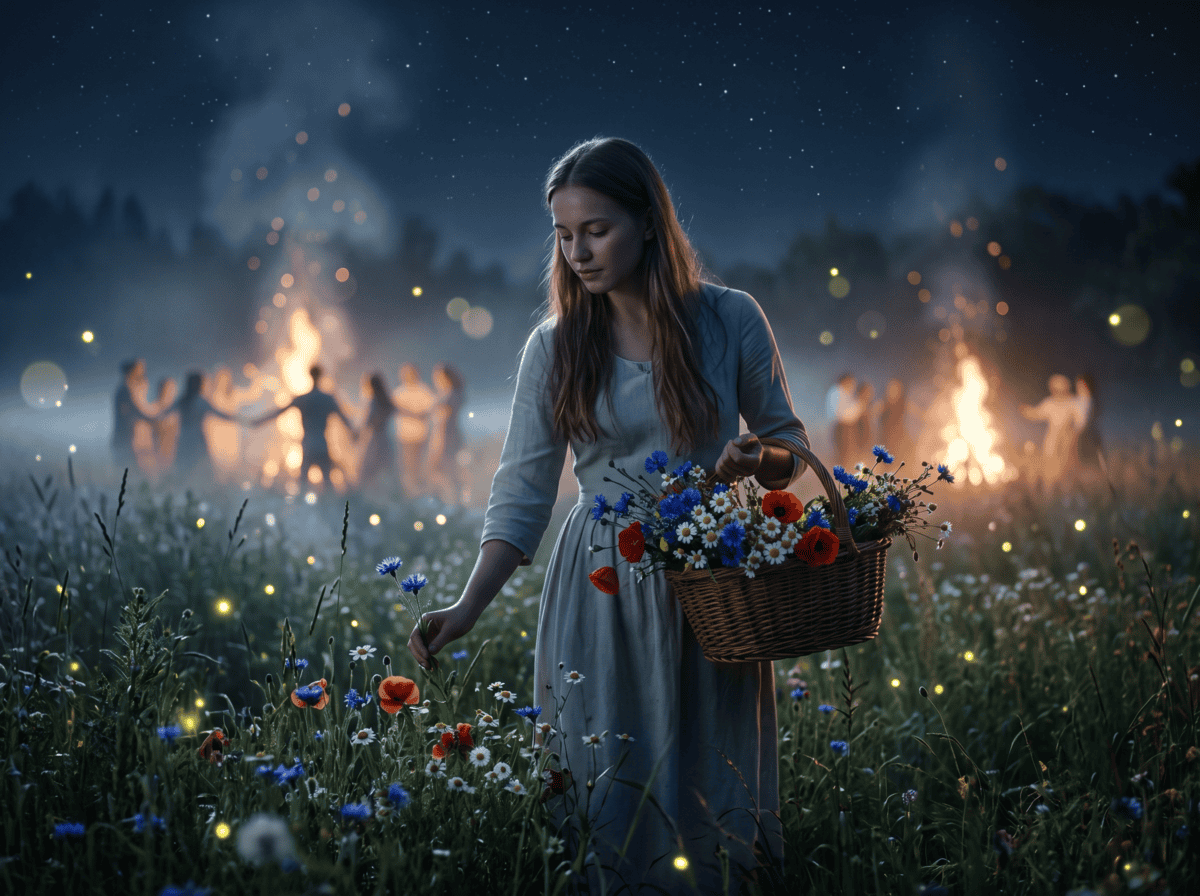
Midsummer celebrations were often linked to love and fortune-telling. In some traditions, young women walked through fields gathering flowers and herbs during the evening.
These plants were then placed beneath pillows or woven into wreaths. The belief was that dreams during midsummer carried special power and could reveal a future spouse.
There is something wonderfully romantic about this custom. The connection between nature, dreams, and romance appears in many cultures throughout history.
8. Pulling Cabbages From the Ground
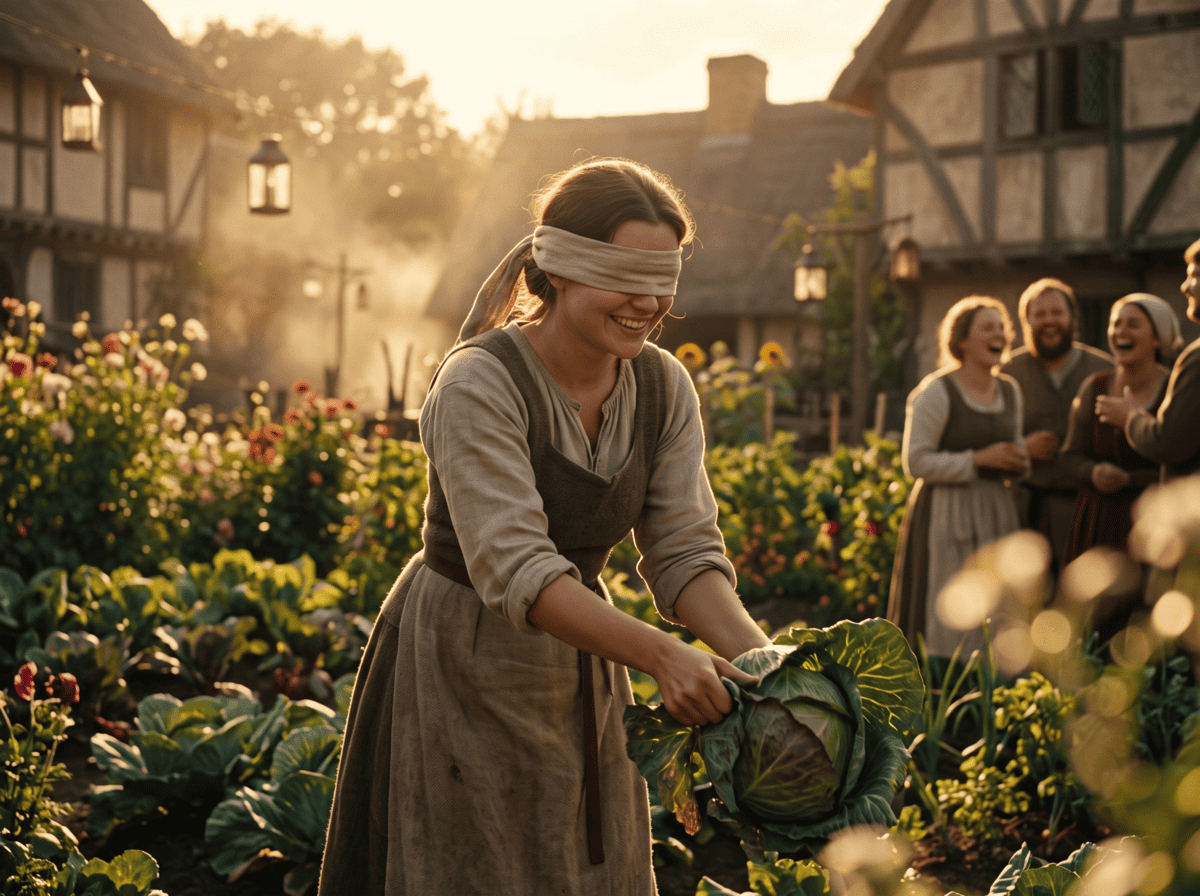
One of the stranger traditions involved cabbage. In parts of Northern Europe, young people would pull cabbages from the ground while blindfolded.
The appearance of the cabbage supposedly revealed details about their future husband or wife.
A large cabbage might suggest prosperity. A twisted or unusual cabbage could hint at certain personality traits.
It sounds amusing today, but agricultural societies often used crops and plants as symbols when making predictions.
Since farming was such an important part of daily life, even vegetables could become tools of fortune-telling.
9. Interpreting Dreams on Special Nights

Dreams have fascinated people throughout human history. Young people often performed rituals before bed, hoping to dream about their future spouse.
Many ancient cultures believed certain nights were especially powerful for receiving messages about future relationships.
Some traditions involved eating specific foods, saying special prayers, or placing symbolic objects nearby.
For many hopeful romantics, dreams offered the closest thing to a magical preview of married life.
10. Watching Floating Flower Wreaths
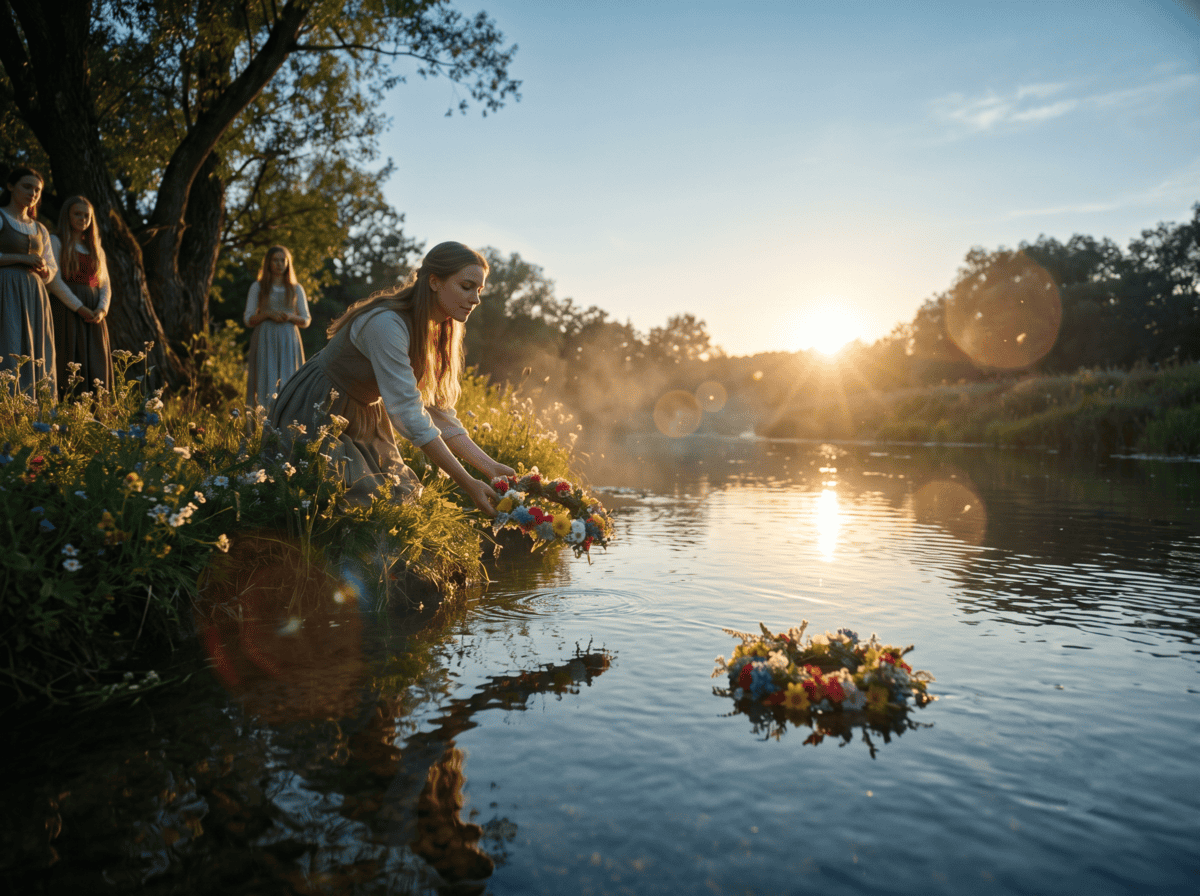
Flower wreaths were commonly used during festivals connected to love and fertility.
In some traditions, young women placed wreaths onto rivers or streams and watched where the current carried them.
A wreath that floated smoothly might predict a happy marriage. One that quickly became stuck could suggest obstacles ahead.
The combination of flowers, flowing water, and hopeful anticipation made this one of the most beautiful forms of traditional love divination.
For people who longed for answers about their future, even the path of a floating wreath seemed worth watching closely.

自出生以来,我一直感觉到自己与神灵有着紧密的联系。作为一名作家和导师,我的使命是帮助他人在最黑暗的时刻找到爱、幸福和内心的力量。