
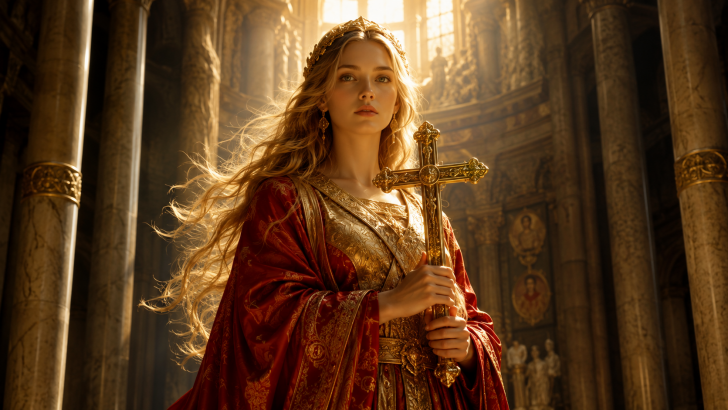
Have you ever wondered how people protected themselves from evil spirits before modern science existed?
For thousands of years, many civilizations believed that unseen supernatural forces could influence everyday life.
Demons were often blamed for illness, bad luck, nightmares, and other unexplained events. To guard against these dangers, people created powerful symbols that they believed offered protection.
Some were carved into doorways, while others were worn as jewelry or painted onto homes. These symbols represented divine power, sacred blessings, or spiritual barriers against evil.
Here are eight protective symbols that were once believed to guard against demons.
1. The Eye of Horus
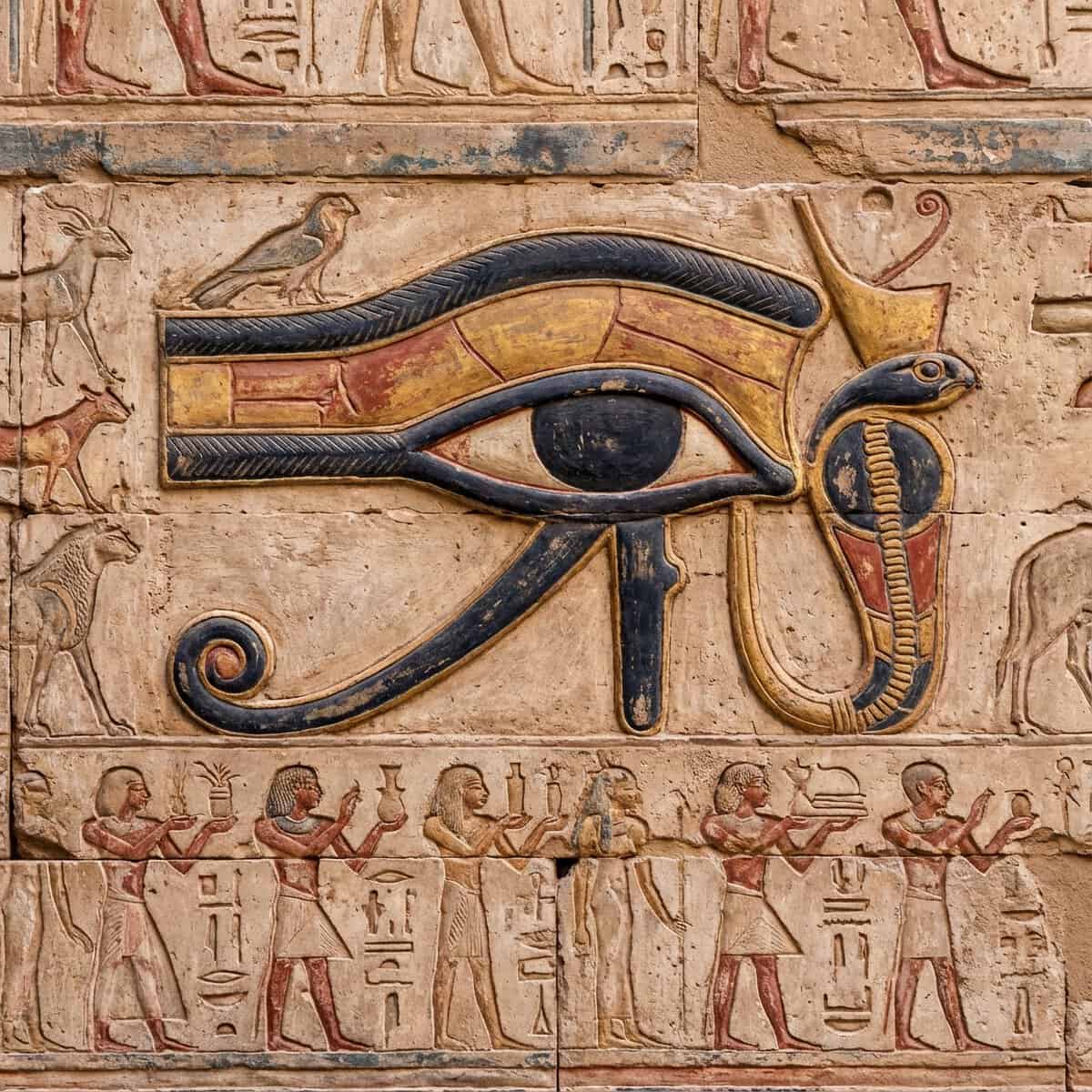
One of the most famous protective symbols from the ancient world is the Eye of Horus. In ancient Egypt, this symbol represented healing, protection, and divine power.
According to mythology, the god Horus lost his eye during a battle with Set, but it was magically restored, making it a symbol of wholeness and recovery.
Egyptians carved the Eye of Horus onto temples, ships, tombs, and personal amulets. Many believed it could shield both the living and the dead from harmful spirits.
The symbol also represented watchfulness, reminding people that the gods were always protecting those under their care.
Its popularity lasted for thousands of years and remains one of the best-known symbols from ancient Egypt.
2. The Hamsa Hand
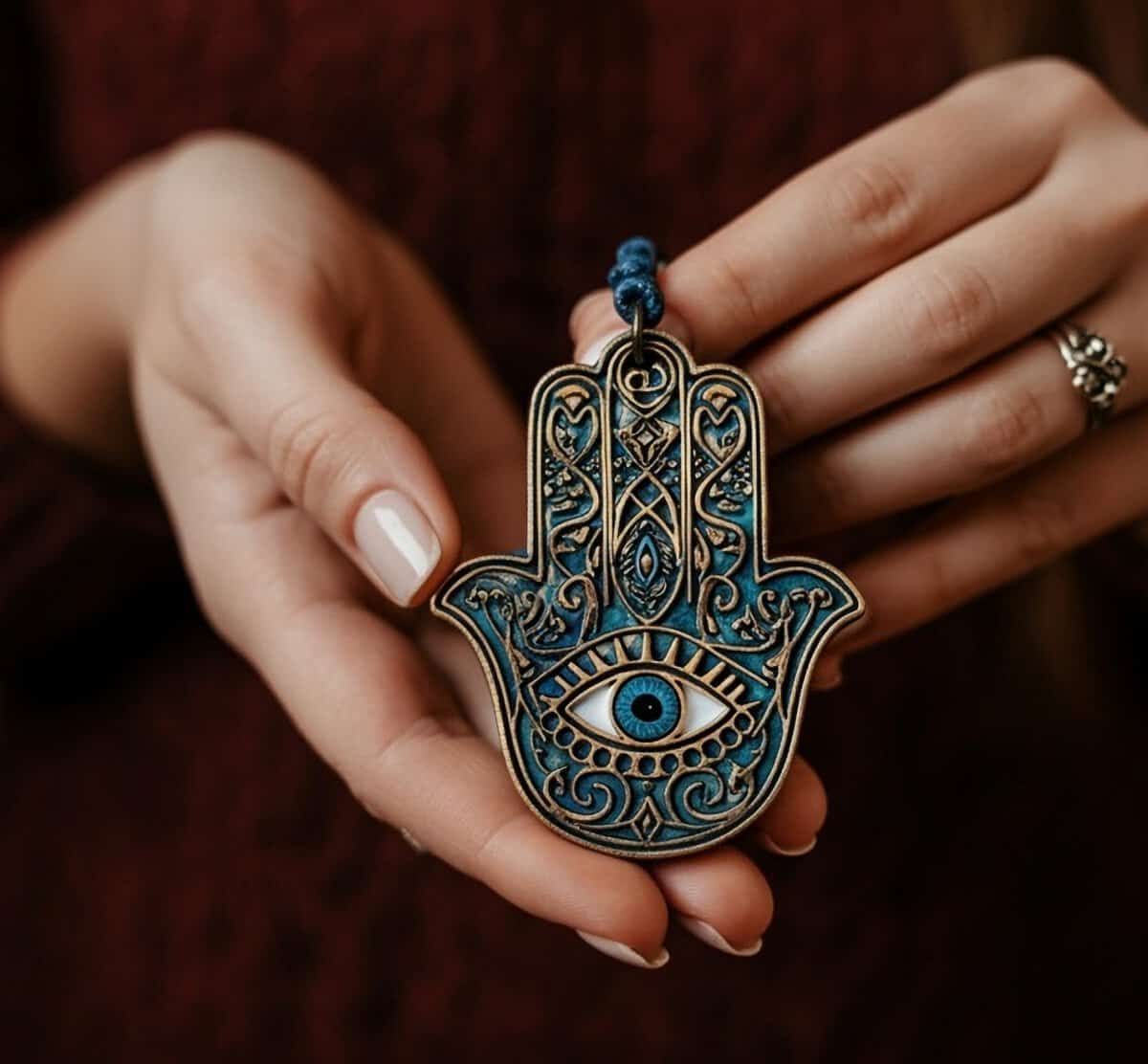
The Hamsa is a hand-shaped symbol that has been used across the Middle East and North Africa for centuries.
Although different cultures gave it different meanings, many believed it protected people from evil spirits and harmful intentions.
The open hand represented safety, strength, and divine protection. In many versions, an eye appears in the center of the palm to guard against negative influences.
People placed Hamsa symbols in their homes, wore them as jewelry, or carried them while traveling.
Today, it remains one of the world’s most recognized protective symbols, admired for both its spiritual meaning and its beautiful design.
3. The Pentagram
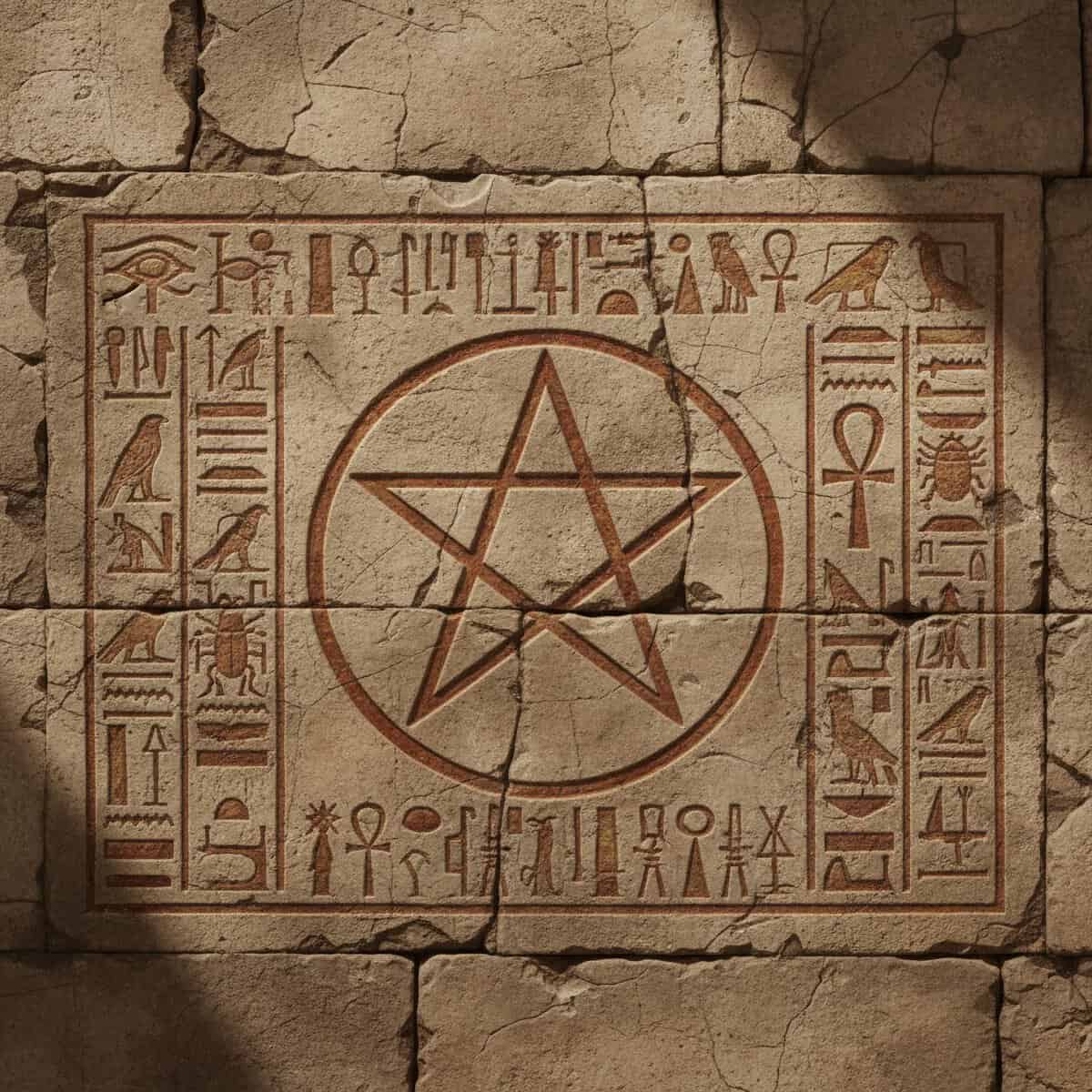
Long before it became associated with modern popular culture, the pentagram served as a symbol of protection.
Ancient civilizations, including the Babylonians and later various mystical traditions, viewed the five-pointed star as a sign of harmony and balance.
Some believed its perfect geometric form reflected the order of the universe and created a barrier against evil forces.
The pentagram appeared in magical texts, protective charms, and sacred drawings.
Its meaning has changed throughout history, but for many centuries it was primarily regarded as a symbol that guarded people from spiritual danger rather than inviting it.
4. The Cross
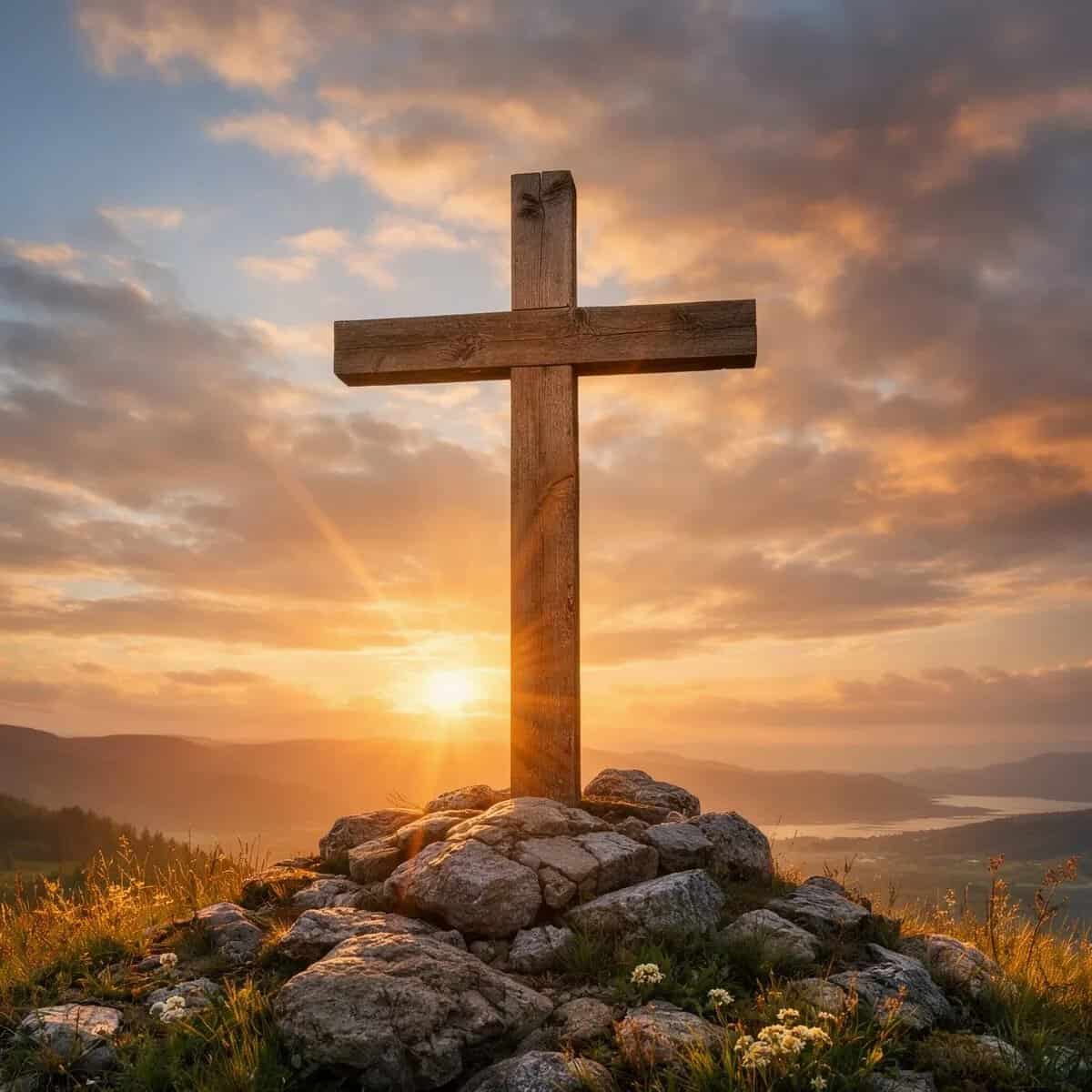
For Christians, the cross became one of the most powerful symbols of protection against evil.
It represents the sacrifice and resurrection of Jesus Christ, as well as God’s victory over sin and darkness.
Throughout history, many believers displayed crosses in their homes, carried them while traveling, or wore them as reminders of their faith.
The cross was also used during prayers and blessings when seeking protection from harmful spiritual influences.
Its importance spread across countless cultures and remains one of the most recognized religious symbols in the world today.
5. Gargoyles
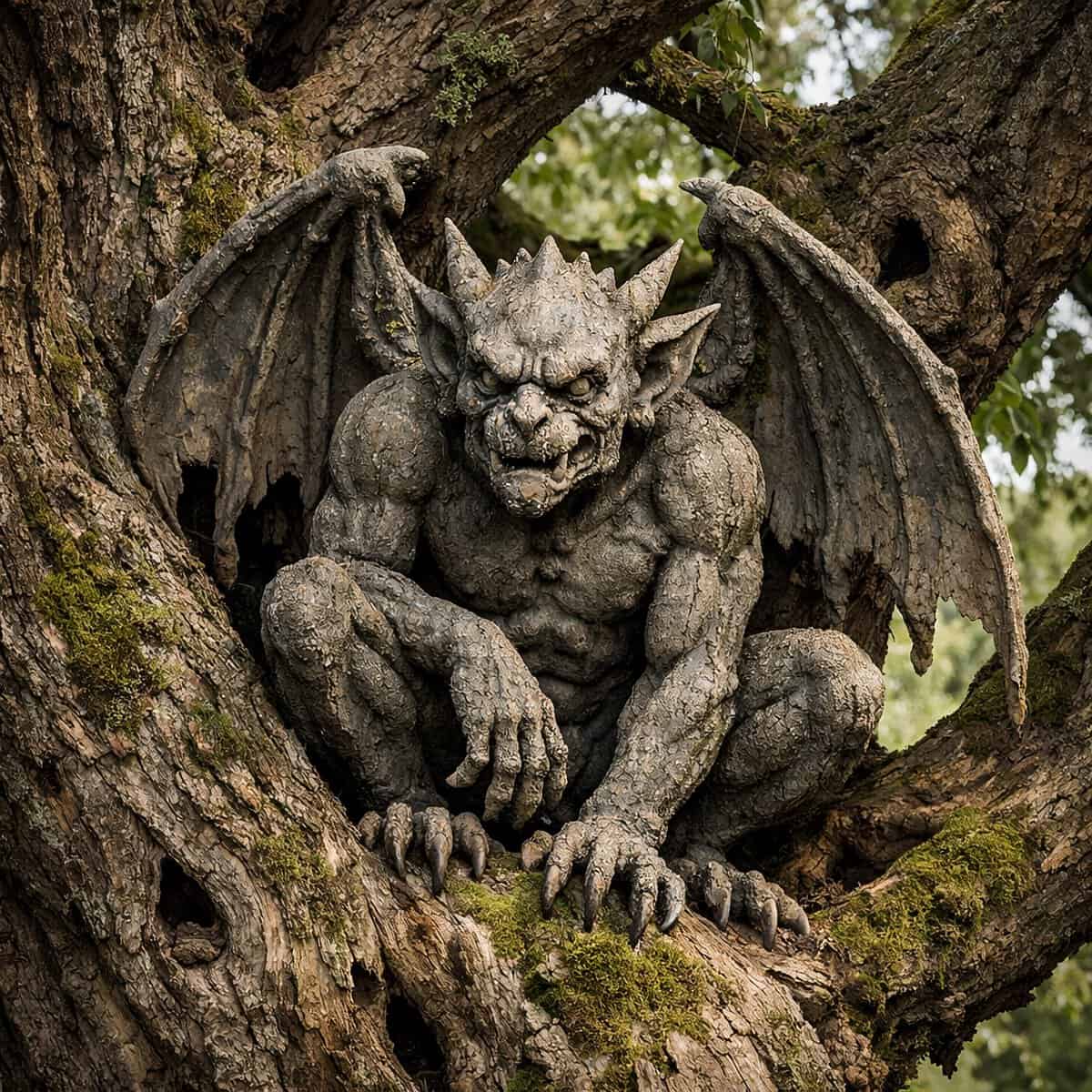
Many medieval churches featured large stone gargoyles watching over their walls and rooftops.
While they also served as decorative waterspouts, people believed these frightening creatures helped protect sacred buildings from evil spirits.
Their terrifying appearance was thought to frighten away demons before they could enter holy places. Visitors approaching a cathedral would often see rows of fierce faces.
Although they may appear frightening, gargoyles were intended to serve as guardians rather than monsters, standing watch over both the church and its worshippers.
6. Protective Runes

The ancient Germanic and Norse peoples carved runes onto weapons, jewelry, tools, and doorways.
While runes formed an alphabet, many were also believed to possess magical qualities. Certain runes were associated with protection, strength, or divine guidance.
People sometimes carved these symbols into wood or stone before long journeys or important battles, hoping they would receive supernatural help.
These inscriptions reflected the belief that written symbols carried spiritual power capable of defending people against unseen dangers.
Many rune stones have survived, offering fascinating glimpses into ancient beliefs.
7. The Mezuzah
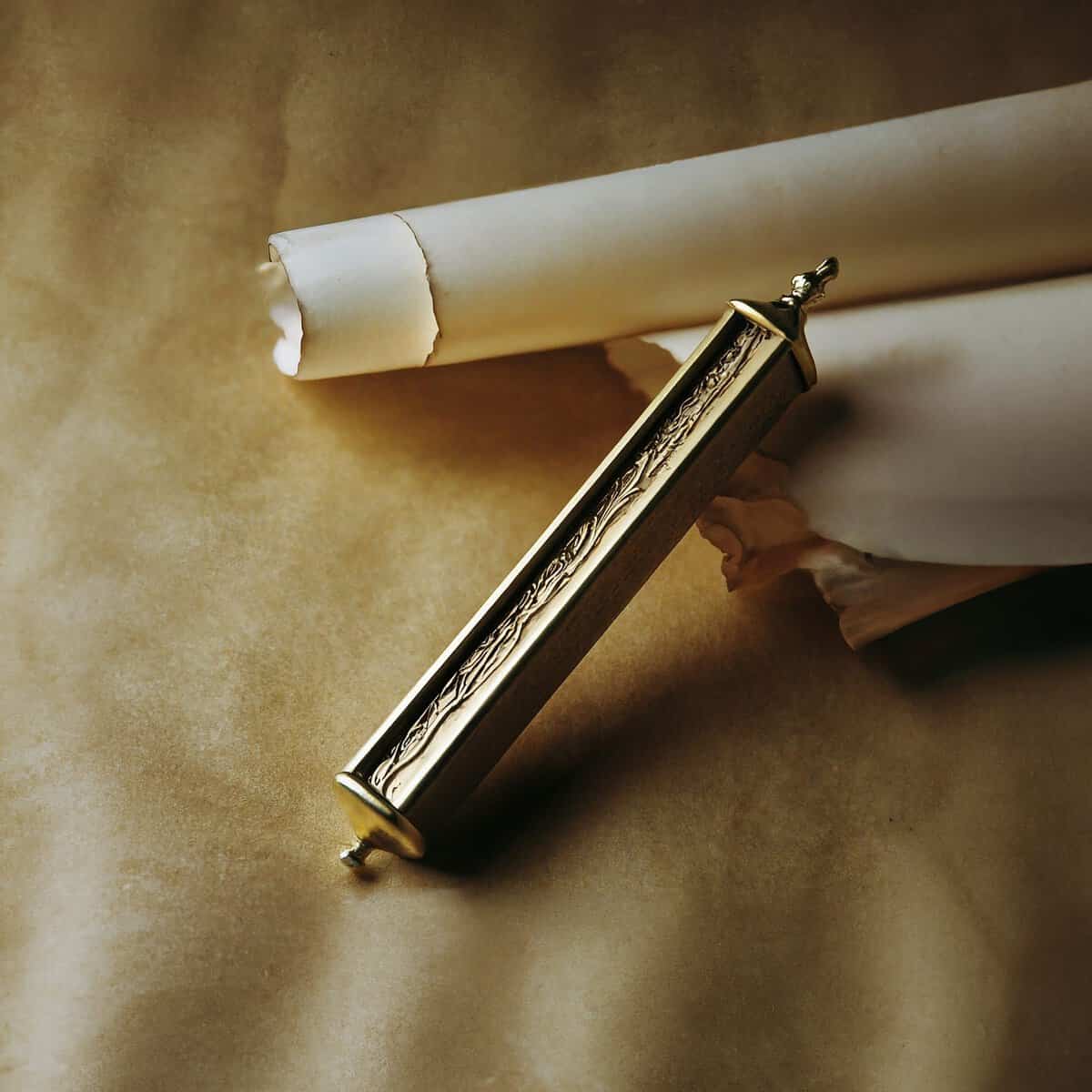
In Jewish tradition, the mezuzah is a small case attached to the doorposts of homes. Inside is a handwritten parchment containing verses from the Torah.
The mezuzah serves as a reminder of God’s presence and the importance of living according to His commandments.
Throughout history, many Jewish families also viewed it as a symbol of divine protection over the household.
Touching or acknowledging the mezuzah when entering or leaving the home became a meaningful expression of faith. Its significance continues today in Jewish communities around the world.
8. Iron Horseshoes
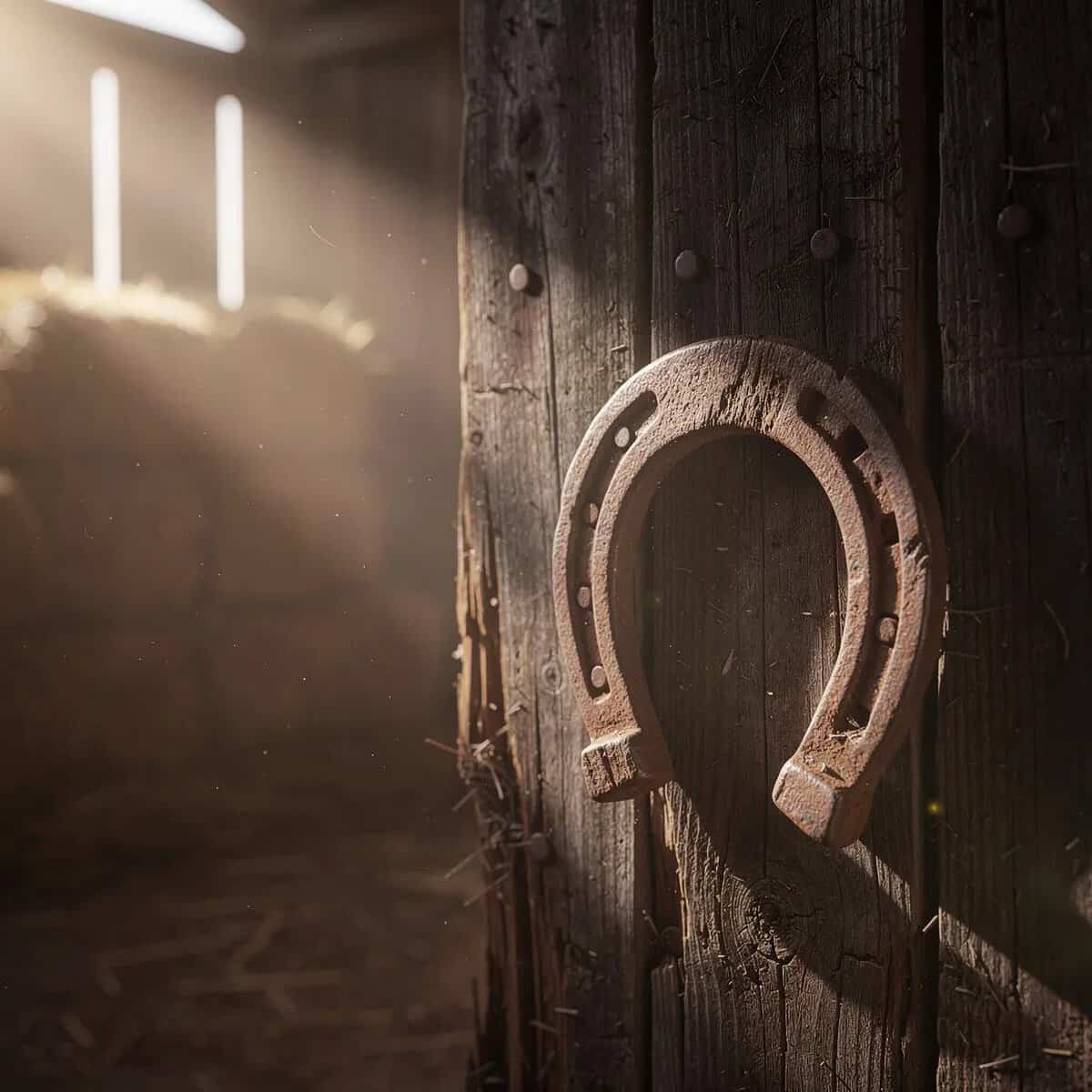
For centuries, people across Europe believed iron itself possessed the power to repel evil spirits. This belief led to the tradition of hanging horseshoes above doorways.
Many thought the iron frightened away demons, while the horseshoe’s shape was believed to trap or block harmful forces before they could enter the home.
Different regions developed their own customs regarding whether the open end should point upward or downward.
Regardless of the position, the horseshoe became one of history’s most familiar symbols of protection and good fortune, remaining a popular tradition even in modern times.

自出生以来,我一直感觉到自己与神灵有着紧密的联系。作为一名作家和导师,我的使命是帮助他人在最黑暗的时刻找到爱、幸福和内心的力量。