
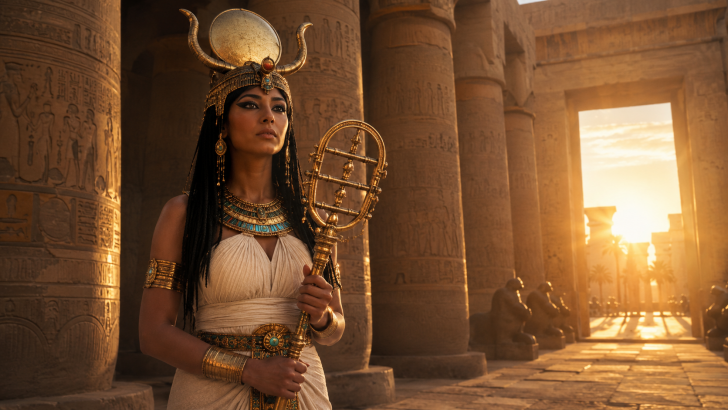
When people think of ancient Egyptian mythology, names like Ra, Osiris, Anubis, and Isis usually come to mind first.
Yet one of Egypt’s most beloved deities was Hathor, a goddess whose influence touched nearly every part of daily life.
She represented love, beauty, celebration, music, fertility, and compassion, making her one of the most widely worshipped figures in ancient Egypt.
For thousands of years, people prayed to Hathor for happiness, protection, healthy families, and joyful celebrations. Her symbols and temples can still be found across Egypt today.
Here are eight fascinating things you may not know about Hathor, the Egyptian goddess of love.
1. Hathor Was More Than the Goddess of Love
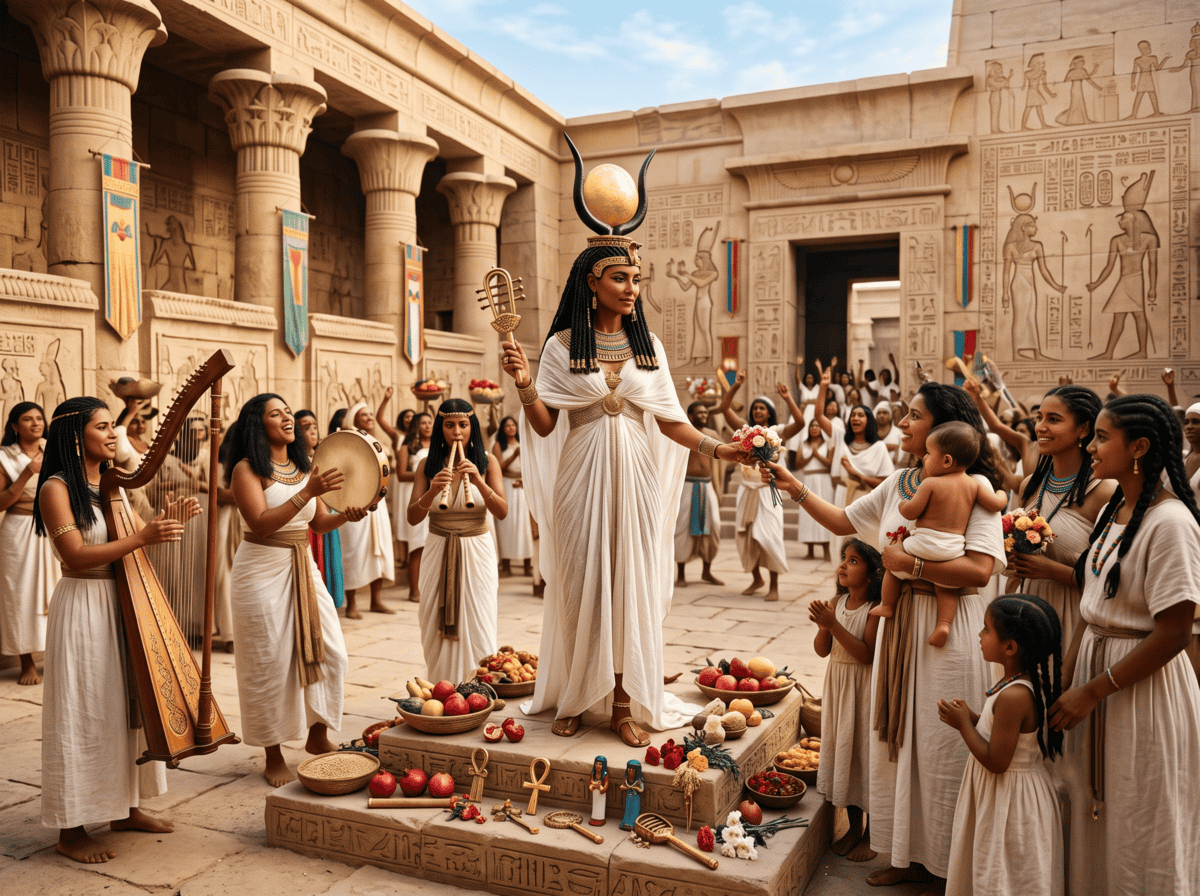
Although Hathor is often called the goddess of love, her role was much broader.
She was also associated with beauty, motherhood, fertility, music, dancing, joy, and celebration.
To the ancient Egyptians, these parts of life were closely connected because they all represented happiness, harmony, and the blessings of the gods.
Women prayed to Hathor during pregnancy and childbirth, while musicians and dancers honored her during festivals.
Her wide range of responsibilities made her one of the most important deities in Egyptian religion, and people from every social class looked to her for guidance, comfort, and protection.
Her influence reached nearly every part of daily life. Whether someone was celebrating a wedding, welcoming a child, or enjoying music during a festival, Hathor was believed to bring warmth, happiness, and divine favor.
2. She Was Often Called the Mother of the Pharaoh
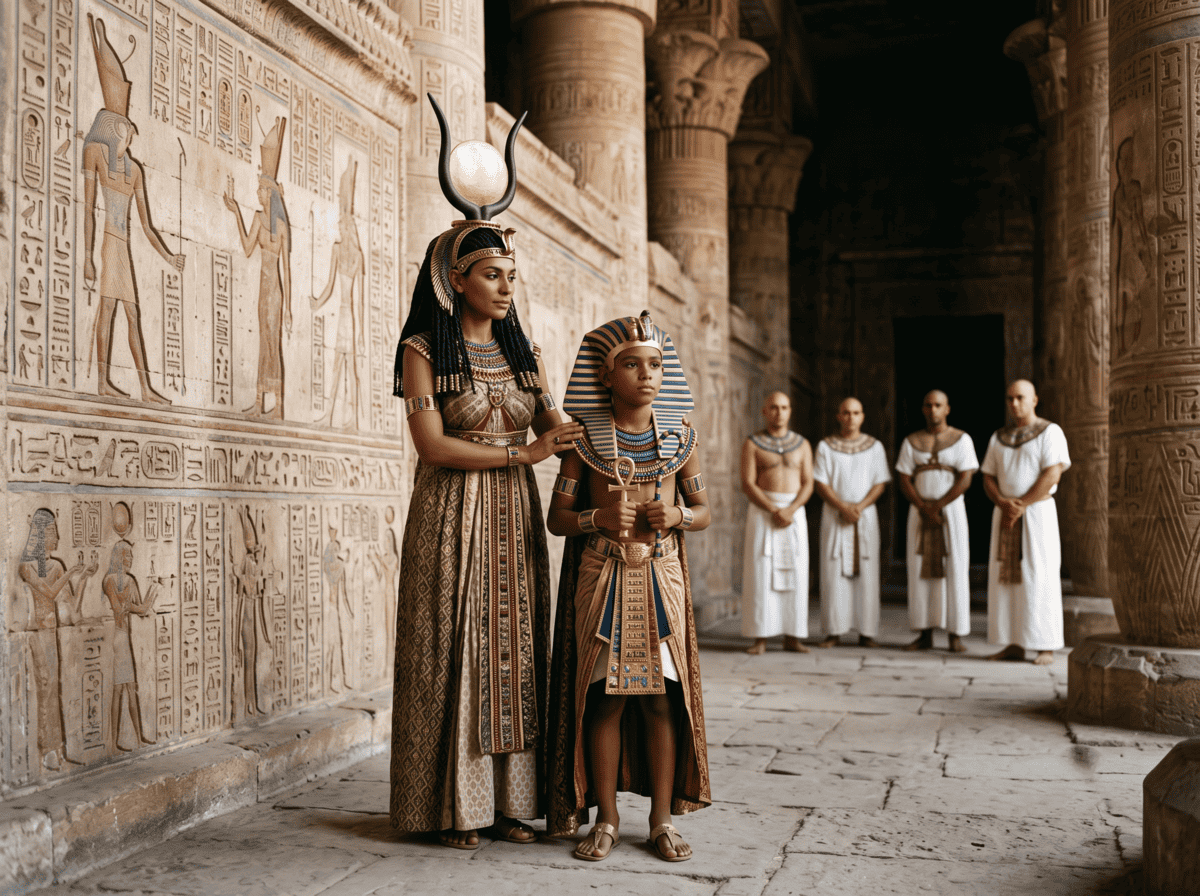
The ancient Egyptians believed Hathor shared a special relationship with their rulers.
Many pharaohs referred to themselves as her children, believing she offered them divine protection and guidance throughout their reign.
Temple artwork often shows Hathor caring for or nursing the king, symbolizing that his authority came with the blessing of the gods.
This powerful connection strengthened the idea that the pharaoh ruled not only through political power but also through divine support.
Hathor’s role helped unite religion and leadership in ancient Egyptian society.
People believed a successful ruler protected the land with the same care Hathor showed toward her children.
This symbolism reinforced the close relationship between the gods, the king, and the well-being of Egypt.
3. She Was Usually Depicted With Cow Horns
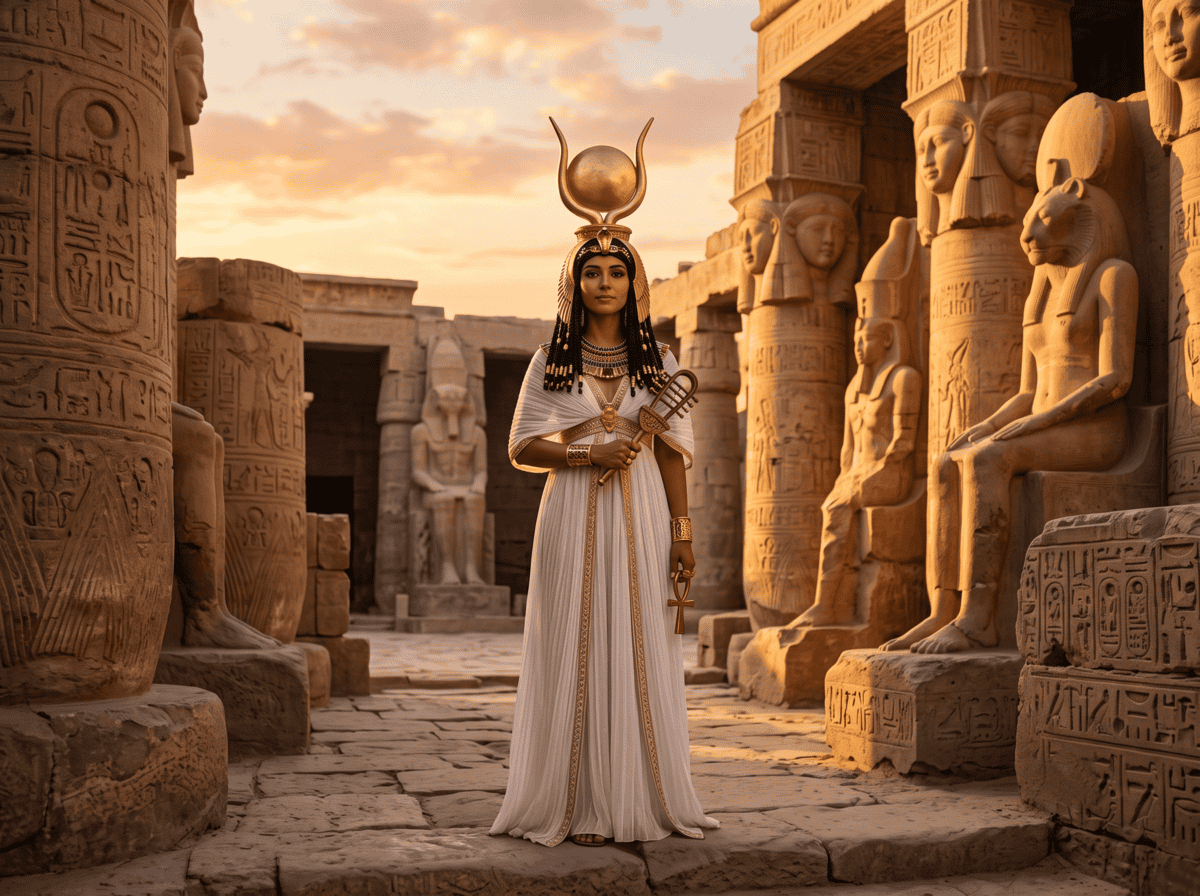
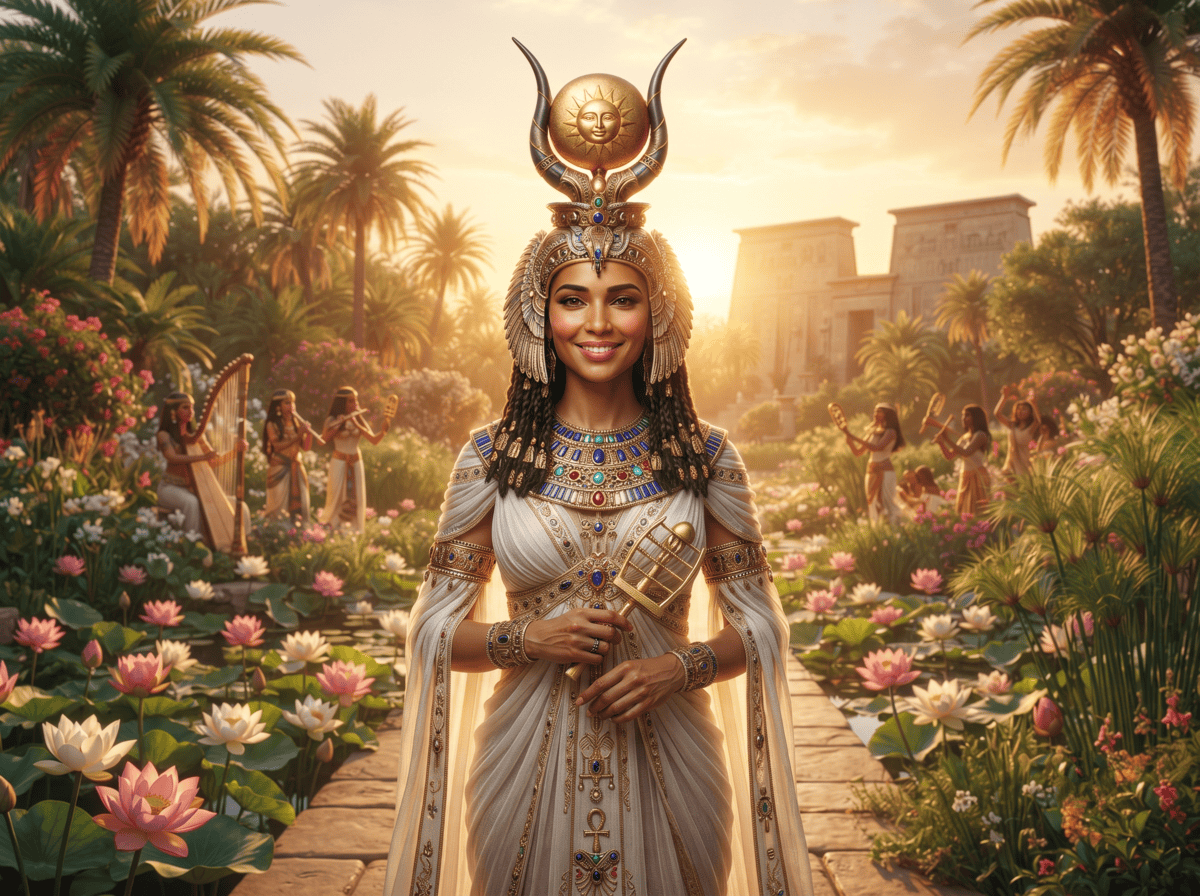
One of Hathor’s most recognizable features is her beautiful headdress. She was often shown wearing a pair of graceful cow horns surrounding a glowing sun disk.
The cow represented motherhood, nourishment, gentleness, and protection, while the sun disk connected her with the powerful solar gods of Egypt.
Sometimes Hathor herself appeared as a cow or as a woman with cow ears. Artists placed these symbols on temple walls, statues, jewelry, and sacred objects.
These images symbolized her caring nature and her role as a nurturing protector who watched over both the gods and humanity.
Even today, her distinctive appearance allows historians to recognize Hathor quickly among the many gods and goddesses of ancient Egypt.
4. Music Was Sacred to Hathor
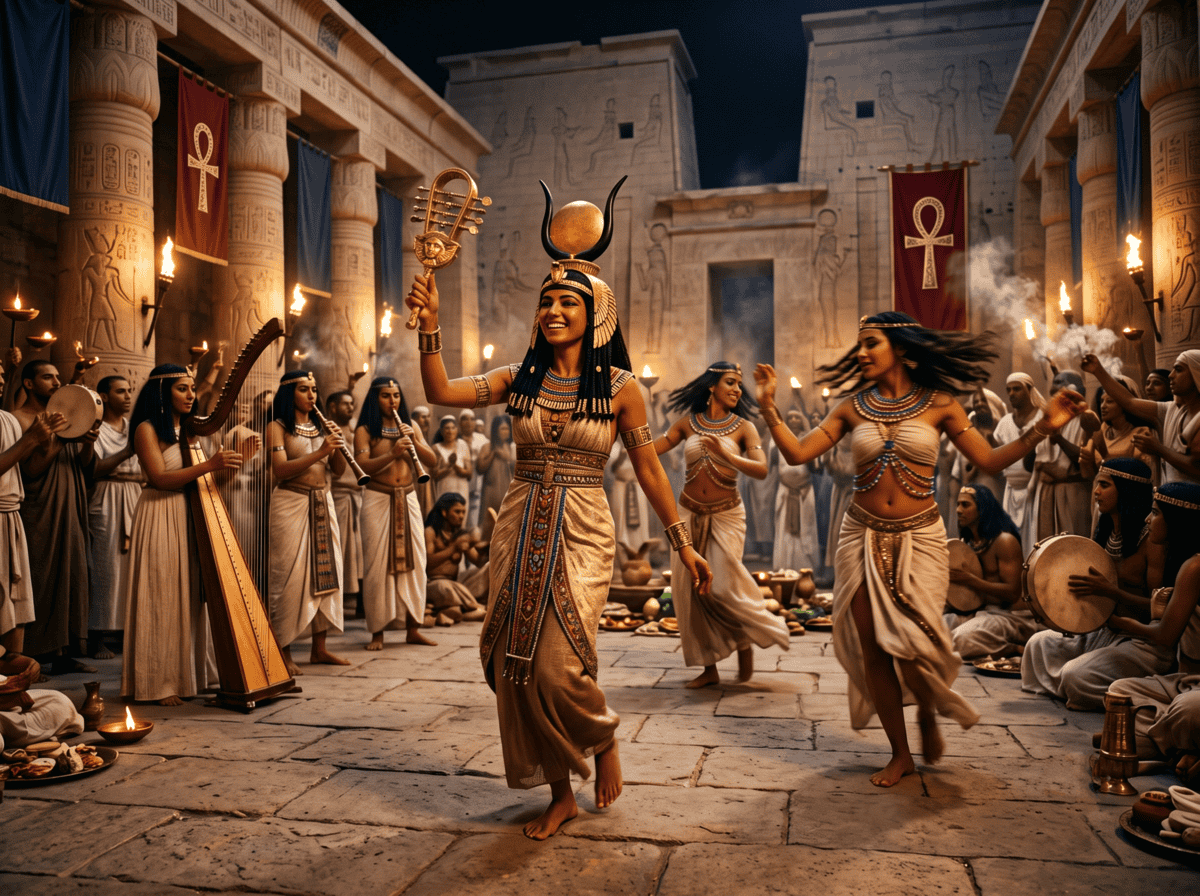
Music played an important role in Hathor’s worship. She was believed to delight in singing, dancing, and joyful celebrations that honored the gods.
Many musicians considered Hathor their patron goddess and performed during religious festivals dedicated to her.
One of her most famous sacred objects was the sistrum, a musical instrument that produced a gentle rattling sound.
The Egyptians believed its music pleased Hathor and brought happiness while driving away negative influences.
Her connection with music made religious ceremonies feel lively, joyful, and full of hope.
Festivals honoring Hathor often included large gatherings where communities celebrated together through music, dancing, and shared meals.
These joyful occasions strengthened friendships while expressing gratitude for the blessings of the goddess.
5. She Welcomed Souls Into the Afterlife
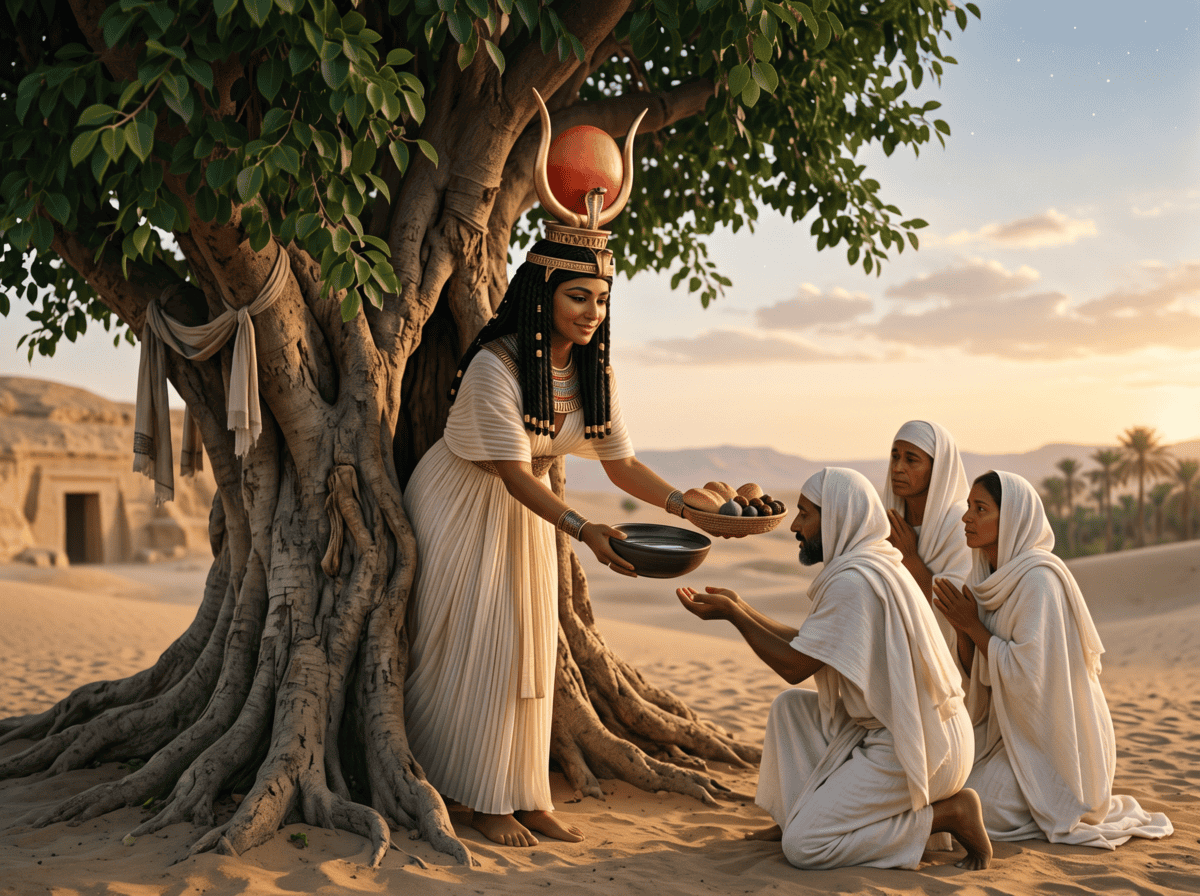
Hathor was not only connected with life but also with death and the journey beyond it.
Many Egyptians believed she greeted the souls of the dead and welcomed them into the next world with kindness and compassion.
Ancient tomb paintings often show Hathor emerging from sacred trees to offer water and food to travelers entering the afterlife.
These comforting images reminded people that death was not simply an ending but the beginning of another journey.
Her gentle presence made her one of the most reassuring deities in Egyptian mythology. Families found comfort in believing Hathor would receive their loved ones with warmth and care.
Her role offered hope that the next world could be peaceful, welcoming, and filled with divine protection.
6. She Had Magnificent Temples Across Egypt
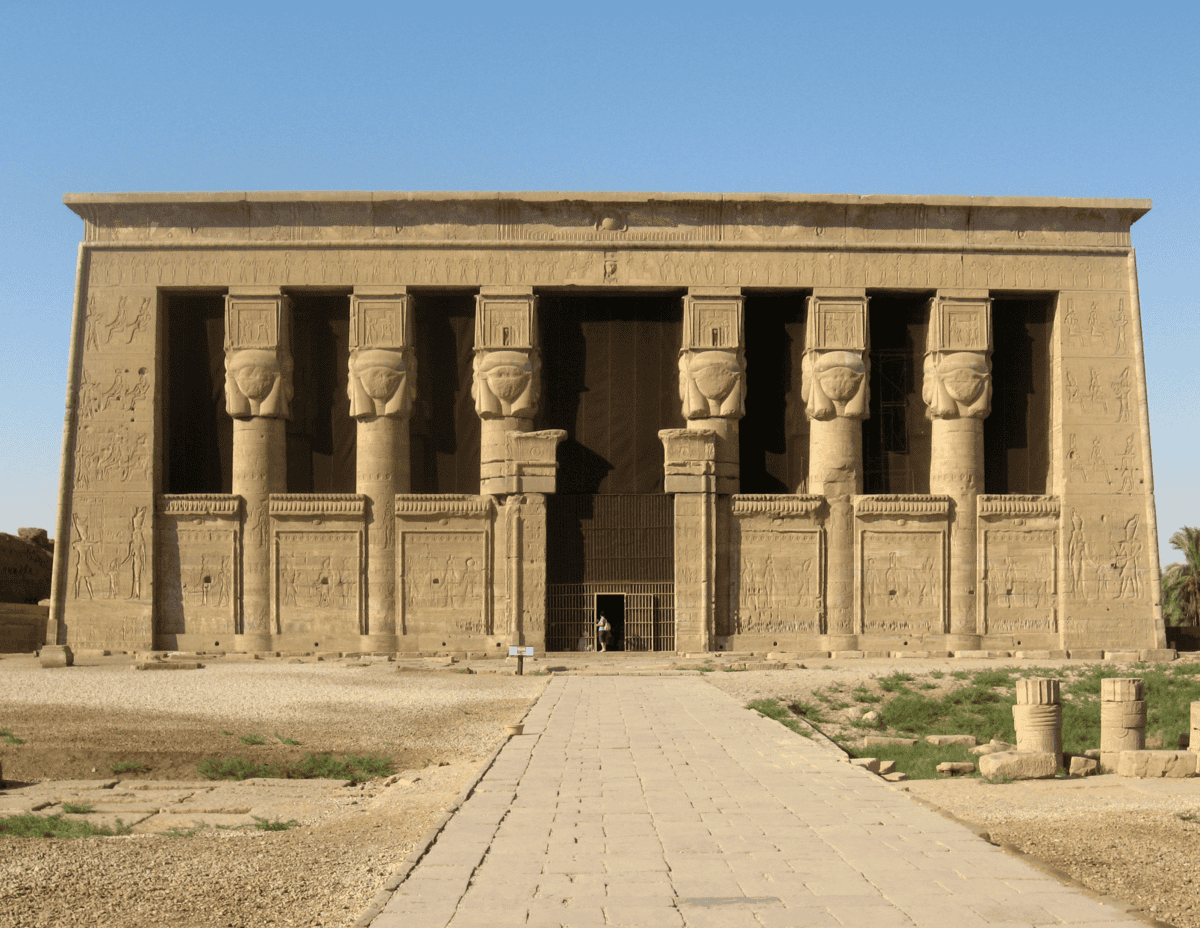
Hathor’s popularity led to the construction of impressive temples throughout ancient Egypt.
One of the best preserved is the Temple of Hathor at Dendera, which still stands today. Her temples became important centers of worship for many centuries.
Its beautifully carved columns, detailed reliefs, and colorful ceilings demonstrate how deeply the Egyptians honored her.
Pilgrims traveled long distances to visit these sacred places, offering prayers, gifts, and thanks for the blessings they believed Hathor had provided.
Many ceremonies held there celebrated music, fertility, and renewal, bringing together worshippers from different regions.
These magnificent temples remain valuable sources of information about Egyptian religion and artistic achievement.
7. She Was Sometimes Connected With the Eye of Ra
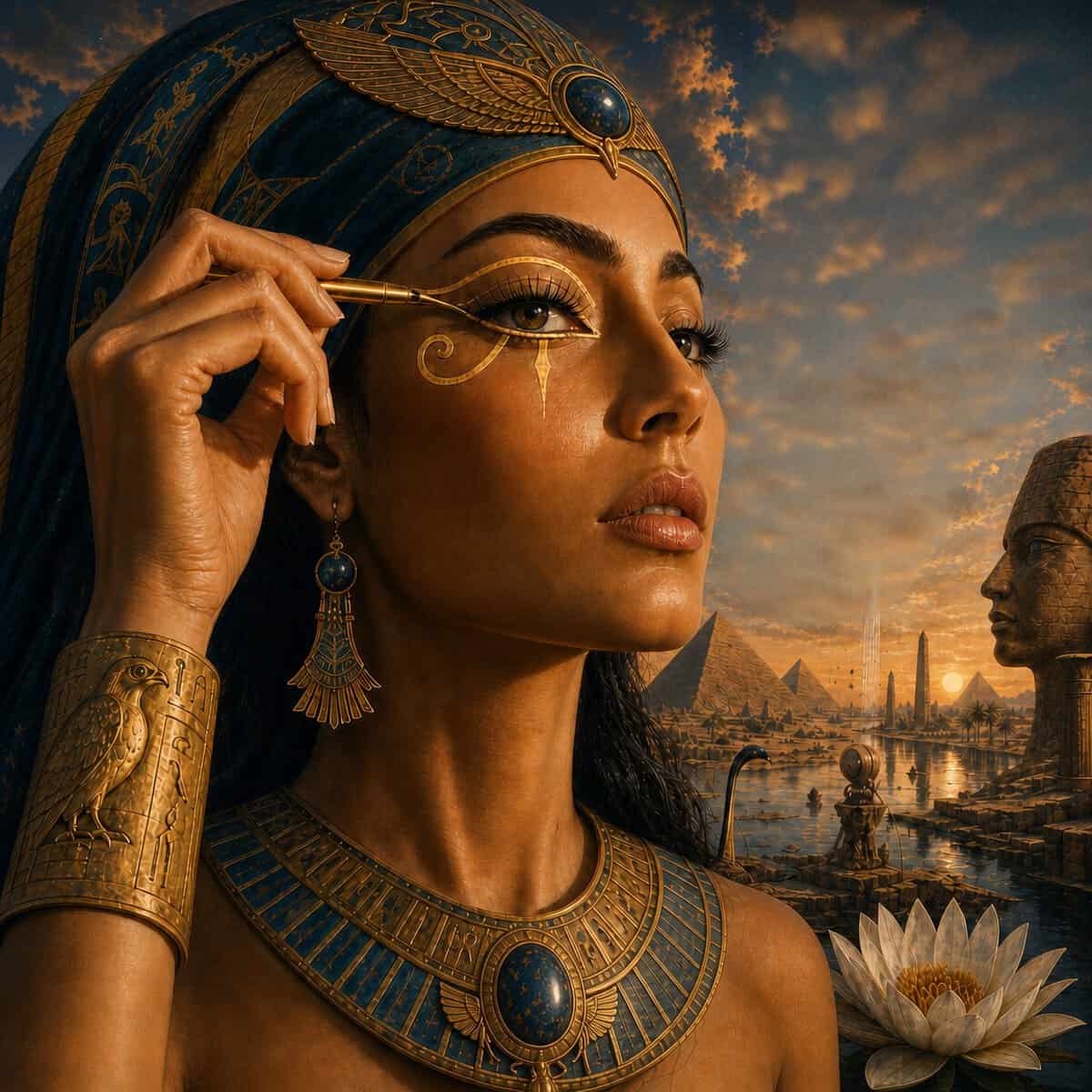
In certain Egyptian myths, Hathor became closely associated with the Eye of Ra. This powerful symbol represented the protective and active force of the sun god.
Although Hathor is usually remembered for her gentle personality, some stories describe her taking on a fierce role when defending divine order.
These myths reveal another side of her character. She could be loving and compassionate while also possessing the strength needed to protect the world from chaos.
This balance made her one of Egypt’s most fascinating goddesses. These stories reminded worshippers that kindness and strength could exist together.
Hathor’s willingness to defend harmony showed that protecting peace sometimes required courage as well as compassion and understanding.
8. Hathor Remained Popular for Thousands of Years
Many ancient deities rose and fell in popularity as Egypt changed over time. Hathor was different.
She continued to be worshipped for more than two thousand years, making her one of the longest-honored goddesses in Egyptian history.
Her connection with love, joy, family, music, and kindness appealed to people across many generations.
Even today, Hathor continues to inspire historians, artists, and mythology enthusiasts around the world.
Her enduring legacy reminds us that compassion, beauty, and happiness have always been qualities people cherish, no matter the century.
Her temples, artwork, and myths continue to reveal how important she was to everyday life in ancient Egypt.
Few deities remained so widely loved for such an extraordinarily long period of history.

自出生以来,我一直感觉到自己与神灵有着紧密的联系。作为一名作家和导师,我的使命是帮助他人在最黑暗的时刻找到爱、幸福和内心的力量。