
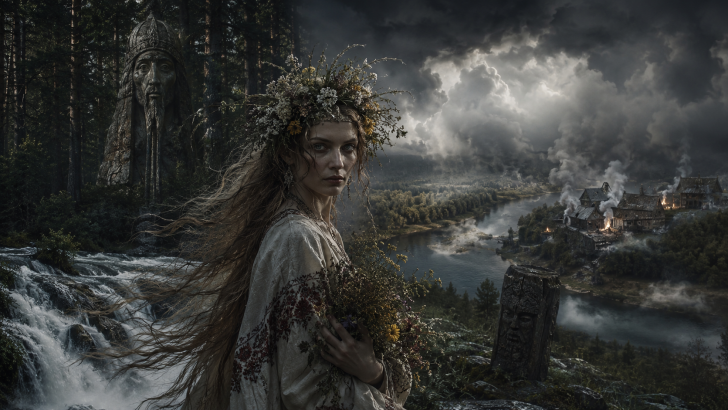
Long before horror movies and ghost stories filled bookshelves and television screens, people across Eastern and Southeastern Europe told chilling tales about supernatural beings.
The most fascinating figures in Slavic folklore are the female demons and spirits.
Some were blamed for storms, disease, and bad luck, while others lured travelers into danger or wandered the world searching for revenge.
Their stories changed from village to village, with each region adding its own details and warnings.
These figures were not simply monsters created to frighten children. Many reflected real fears about nature, illness, death, and the dangers of everyday life in earlier centuries.
Here are seven Slavic female demons that continue to fascinate folklore lovers today.
1. Baba Yaga Was the Mysterious Witch of the Forest
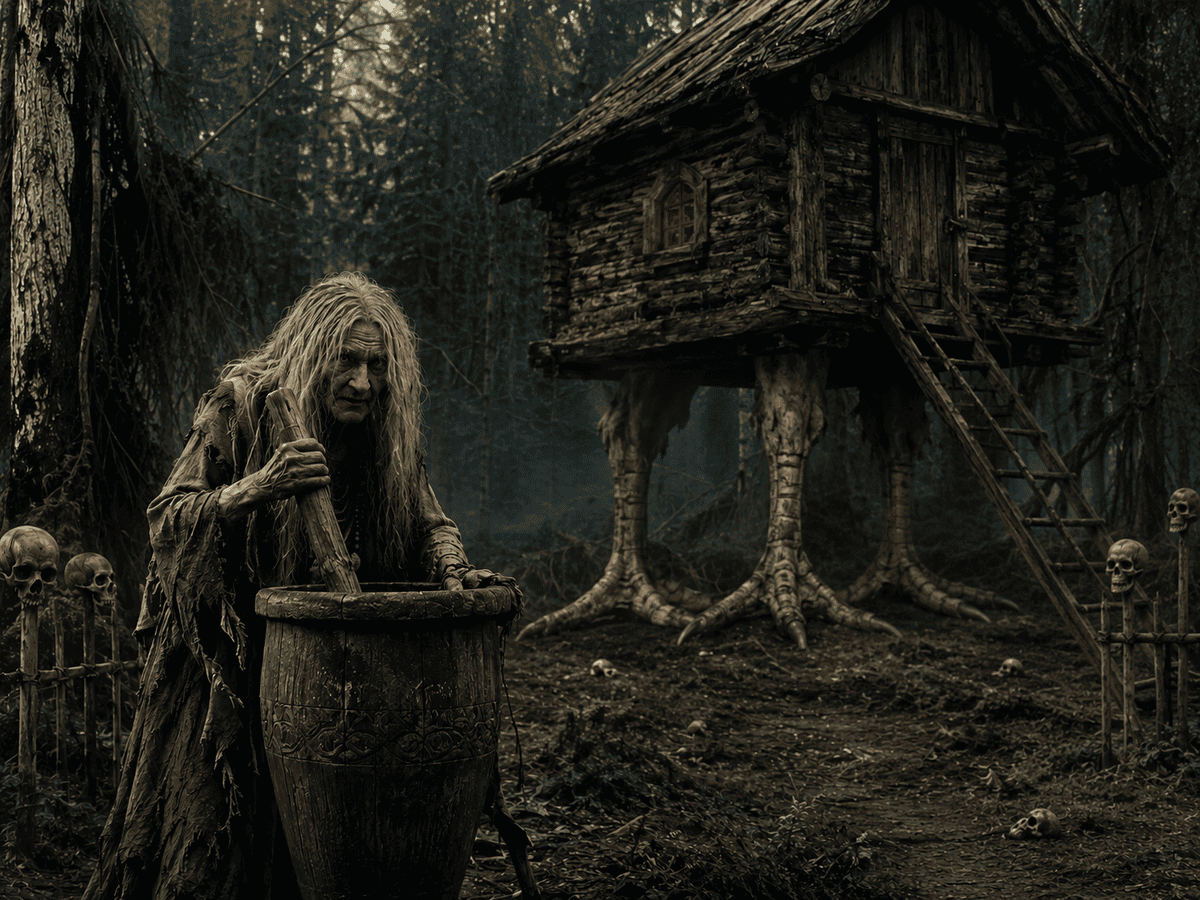
Few figures in Slavic folklore are more famous than Baba Yaga. She is usually described as an old woman living deep in the forest inside a strange hut that stands on giant chicken legs.
According to legend, the house could move, turn around, and even hide from visitors unless the correct words were spoken.
Baba Yaga often traveled through the sky in a giant mortar while steering with a pestle and sweeping away her tracks with a broom.
Unlike many villains, Baba Yaga was not entirely evil or entirely good. Some stories portray her as a dangerous cannibal who devoured anyone unlucky enough to enter her territory.
Other tales describe her as a wise helper who rewarded bravery, intelligence, and kindness.
This unpredictability made her especially frightening because no one knew which version they might encounter.
Even today, Baba Yaga remains one of the best-known supernatural women in European folklore and continues appearing in books, films, and modern fantasy stories.
2. Rusalka Was the Spirit of Lakes and Rivers
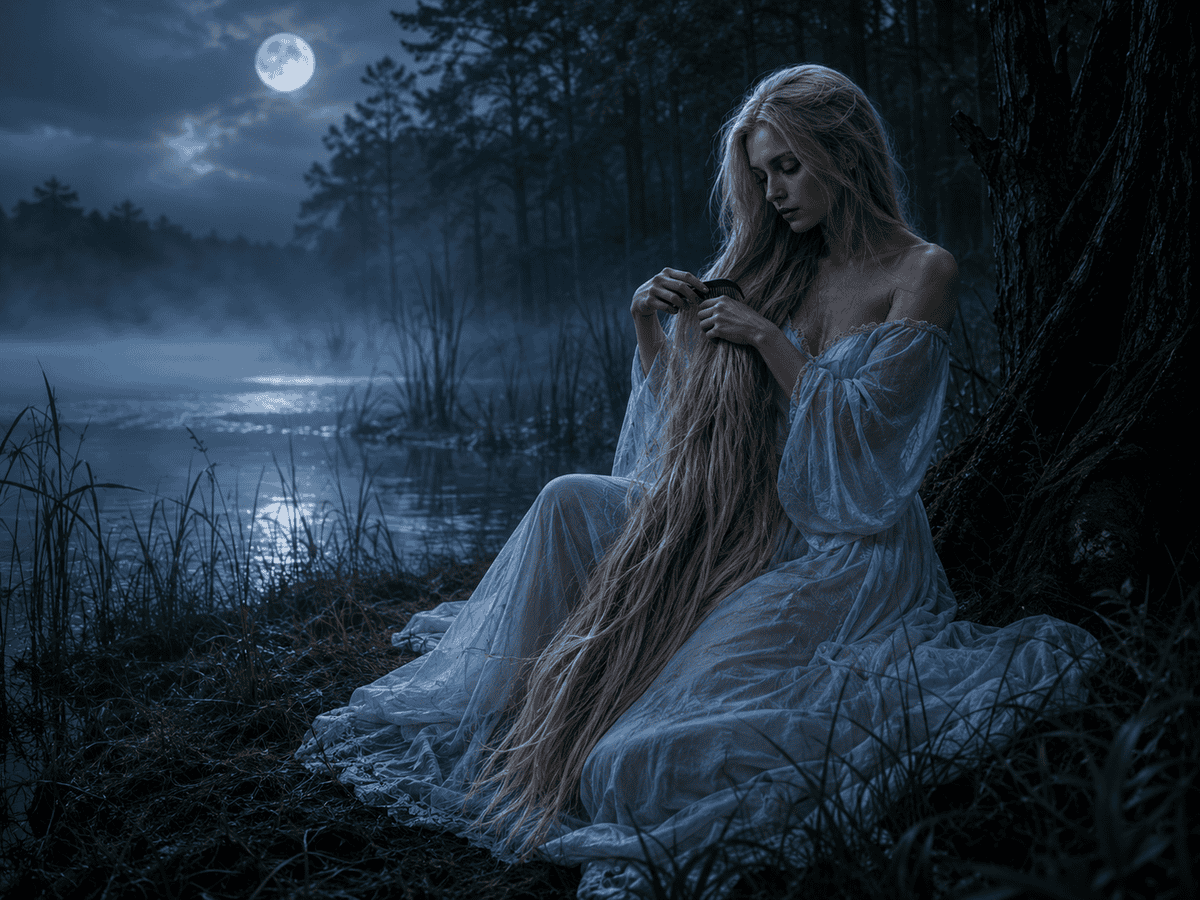
The Rusalka is one of the most haunting figures in Slavic mythology. She was often described as the spirit of a young woman connected with rivers, lakes, and streams.
In many traditions, Rusalki were believed to be the restless souls of women who died tragically or before marriage.
Stories often describe them sitting beside the water while combing their long hair or singing beautiful songs during moonlit nights. Despite their beauty, Rusalki were usually dangerous.
Some legends claimed they lured travelers toward deep water, while others believed they caused illness or misfortune for anyone who disturbed their homes.
In certain regions, special festivals and rituals were performed to avoid angering them during particular times of the year.
Their stories reflected both the beauty and danger of water, which provided life for communities but also claimed countless lives through accidents and floods.
3. Mora Was Blamed for Nightmares
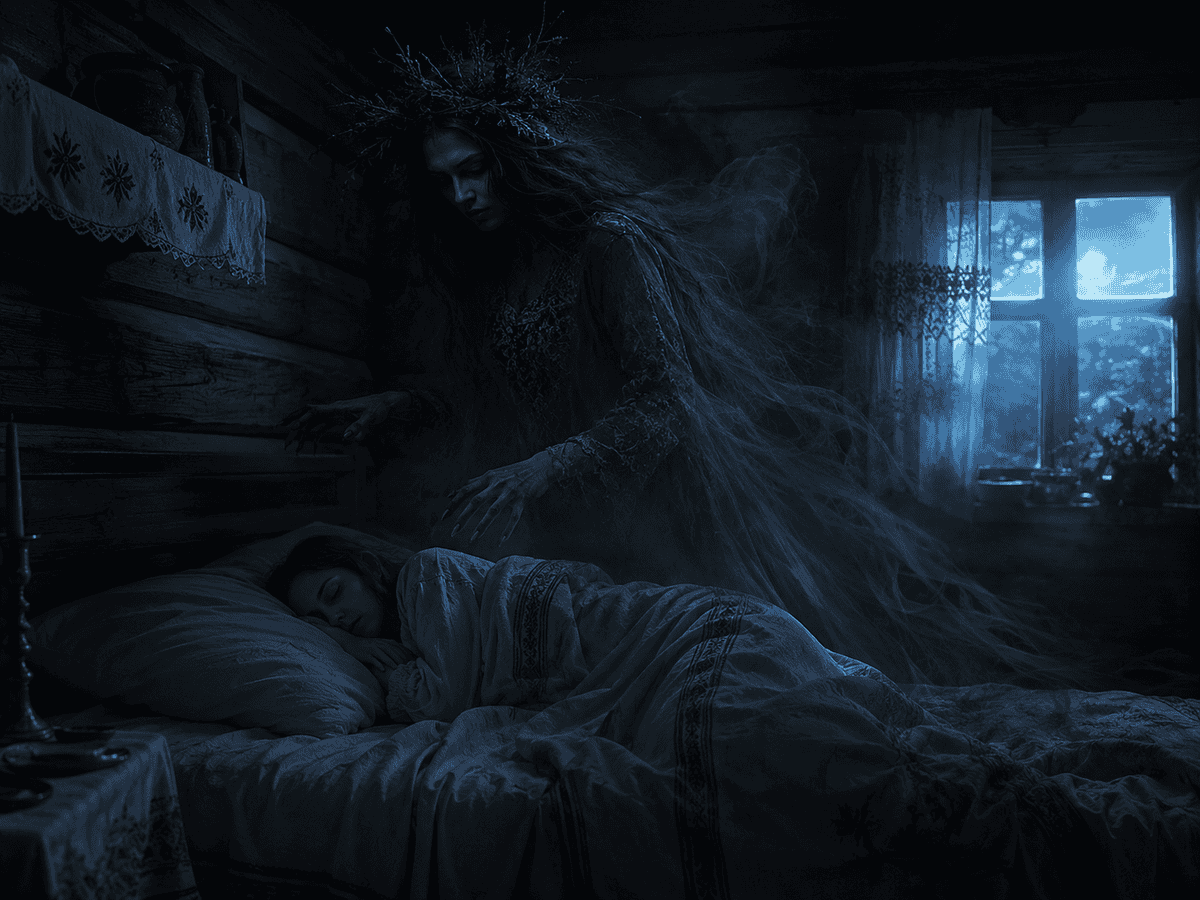
Many Slavic cultures feared a supernatural being known as the Mora. She was often blamed for bad dreams, sleepless nights, and the terrifying feeling of waking up unable to move or breathe properly.
Today, many people associate these experiences with sleep paralysis, but centuries ago they often seemed impossible to explain.
According to folklore, the Mora visited sleeping people during the night and sat upon their chest while they slept.
Victims sometimes described feeling pressure, fear, and an overwhelming sense that something unseen was nearby.
Communities developed numerous protective customs to keep the Mora away, including placing objects near the bed or reciting prayers before sleeping.
Interestingly, the English word “nightmare” shares linguistic connections with similar beliefs found across Europe.
The Mora demonstrates how folklore often developed to explain experiences that science would only understand much later.
4. Ala Brought Storms and Destroyed Harvests
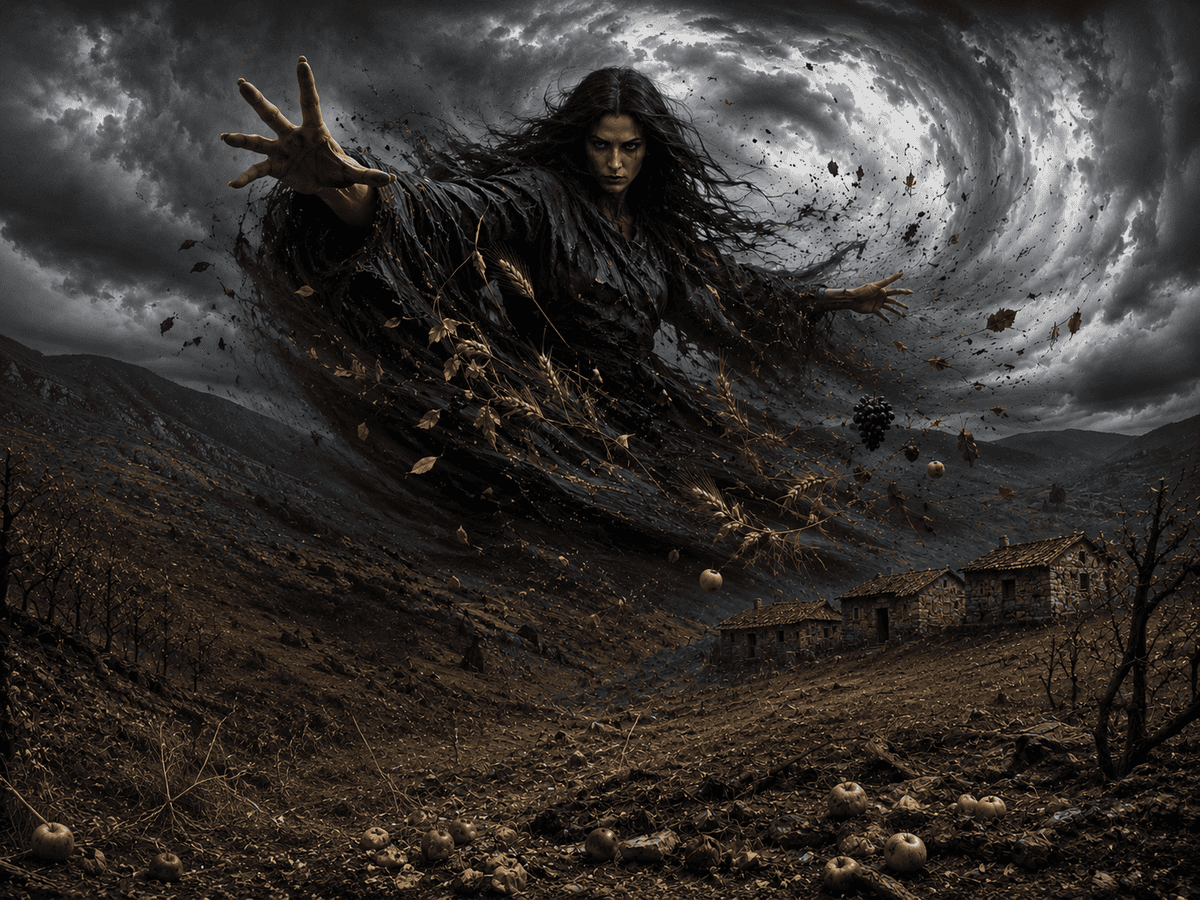
Across parts of the Balkans, Ala became one of the most feared supernatural beings in folklore.
She was closely associated with hailstorms, violent winds, and ruined harvests that could leave entire communities facing hunger.
Farmers often blamed Ala whenever storms arrived shortly before harvest season. Descriptions of her appearance varied greatly.
Some stories described a giant woman, while others imagined her as a dragon-like creature, a serpent, or an invisible force moving through the clouds.
Many legends also gave her an enormous appetite, symbolizing storms that seemed to consume fields and orchards in only a few hours.
In some traditions, dragons battled Ala high above the clouds in an effort to protect villages below.
These stories transformed ordinary thunderstorms into dramatic battles between supernatural forces fighting for control of the skies.
5. Vila Could Be Both Protector and Punisher
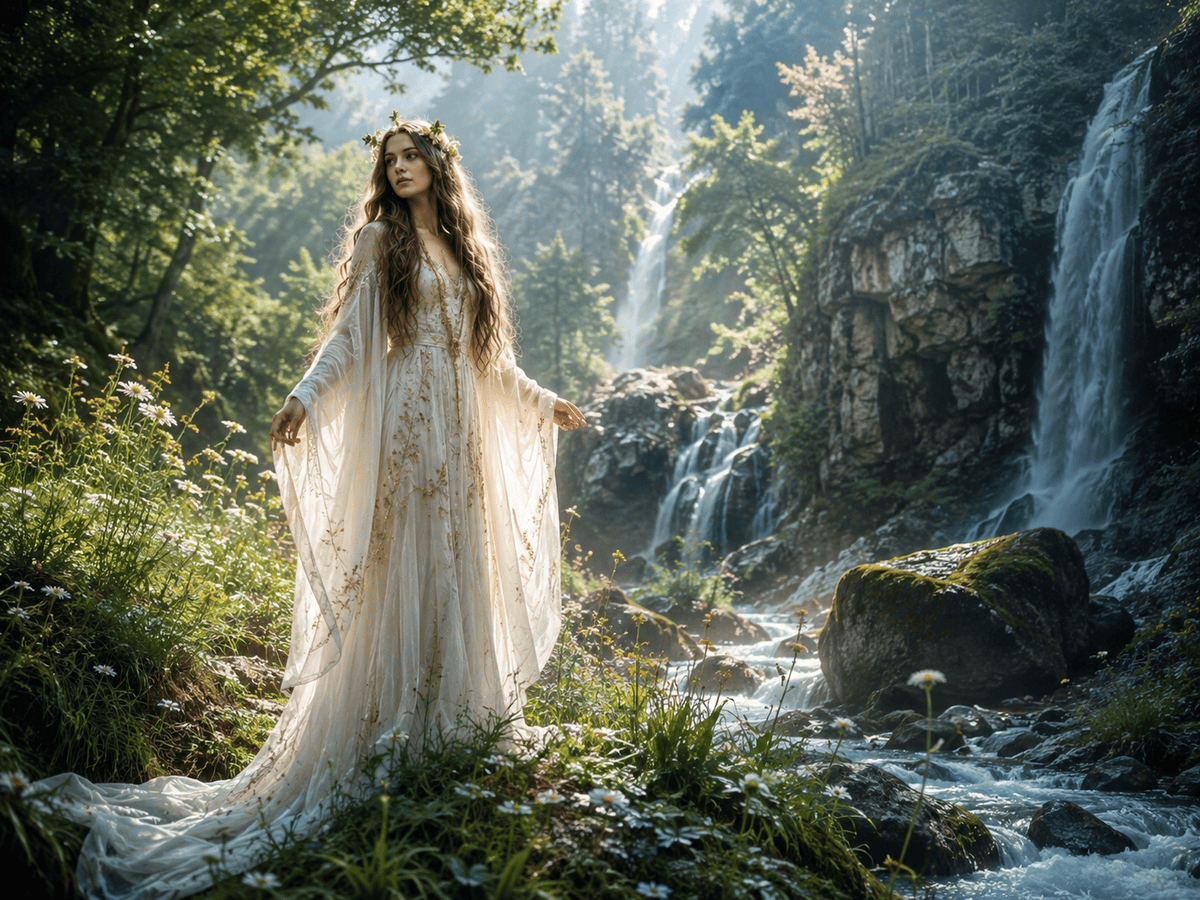
The Vila occupies a unique place in Slavic folklore because she was not always evil.
Usually described as an extraordinarily beautiful woman dressed in white, she lived in forests, mountains, caves, or near springs and rivers.
Many stories portray Vilas as guardians of nature who protected animals and sacred places. However, they could become dangerous when offended.
Hunters who harmed animals unnecessarily or travelers who disrespected their territory sometimes faced punishment.
Some legends claim Vilas could control winds, heal wounds, or grant magical gifts to heroes they favored. Others describe them leading people astray through wild landscapes or causing sudden illness.
Their dual nature made them fascinating figures because they represented both the generosity and unpredictability of the natural world.
In many ways, they resemble fairies and nature spirits found throughout European folklore.
6. Polednica Appeared in the Fields at Noon
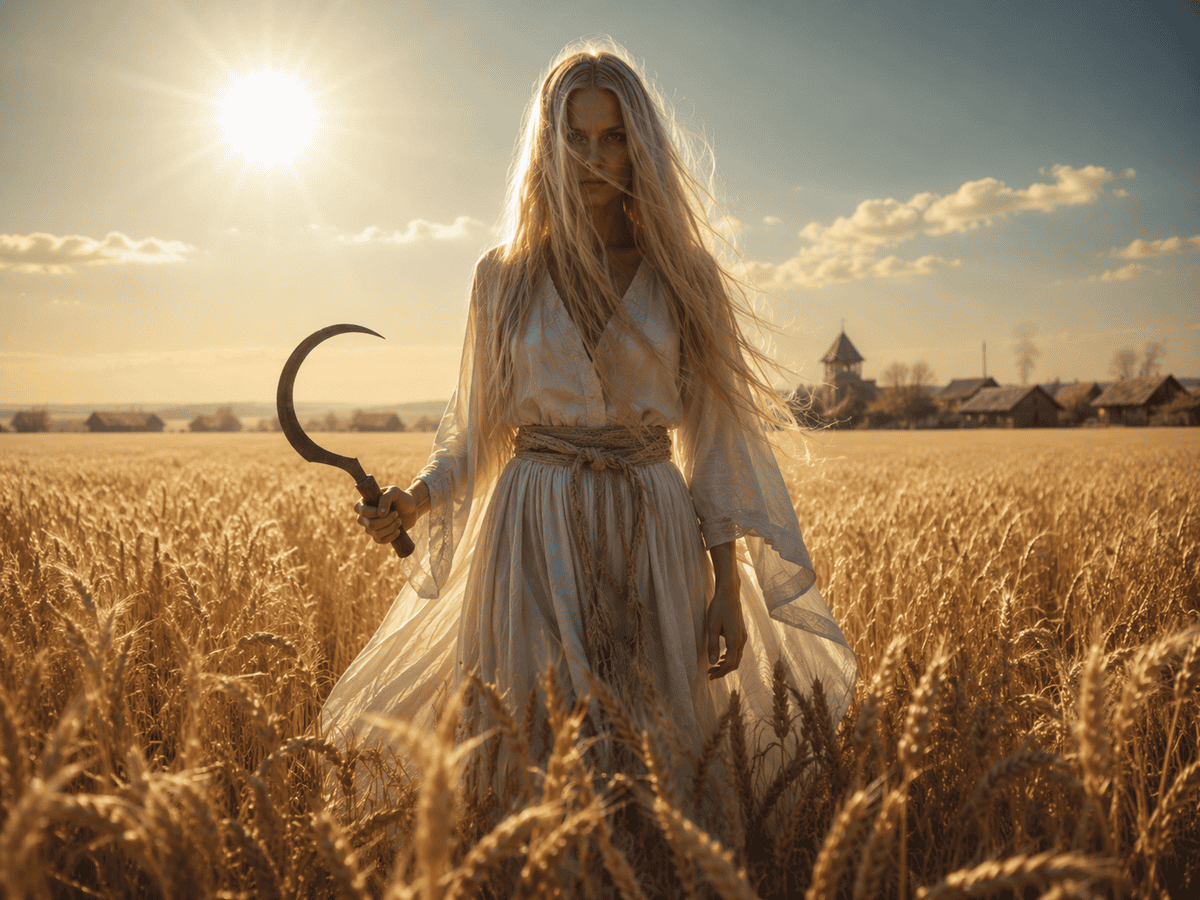
Polednica, sometimes called the Noon Lady, terrified farming communities across several Slavic regions.
According to legend, she appeared in fields during the hottest part of the day, especially during harvest season.
She was often described as a tall woman dressed in white or carrying farming tools.
Those who encountered her could be questioned, confused, frightened, or even struck with illness if they answered incorrectly or failed to show respect.
Modern historians believe the legend may have served as a warning against working too long under the hot summer sun.
Heat exhaustion, dehydration, and sunstroke were serious dangers for agricultural workers.
By giving these dangers a supernatural face, communities encouraged people to rest during the hottest hours of the afternoon.
The story of Polednica demonstrates how folklore often contained practical lessons hidden inside frightening tales.
7. Navka Wandered Between Life and Death
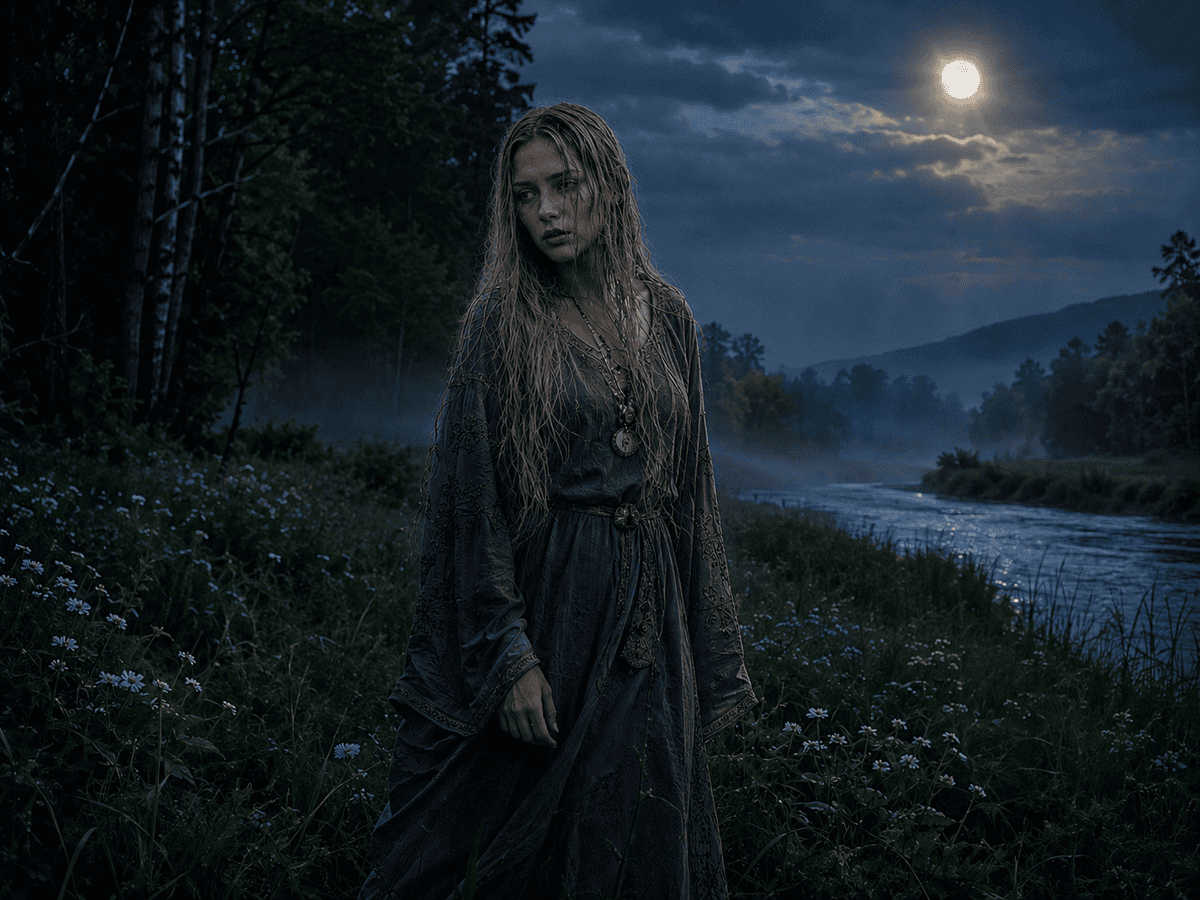
The Navka appears in several Slavic traditions as a restless female spirit. Descriptions vary widely, but she was often associated with young women who died before marriage or whose lives ended unexpectedly.
Because they were believed to have unfinished business, these spirits were said to remain between the worlds of the living and the dead.
Some legends portray Navkas as wandering forests and meadows, especially during spring. Others connect them with rivers or lonely places far from villages.
Their appearance could range from beautiful and sorrowful to unsettling and frightening depending on the region telling the story.
Many customs developed around remembering the dead and showing respect to wandering spirits in order to prevent unrest among the supernatural world.
The Navka reflects the grief and uncertainty surrounding death in earlier communities.

自出生以来,我一直感觉到自己与神灵有着紧密的联系。作为一名作家和导师,我的使命是帮助他人在最黑暗的时刻找到爱、幸福和内心的力量。