
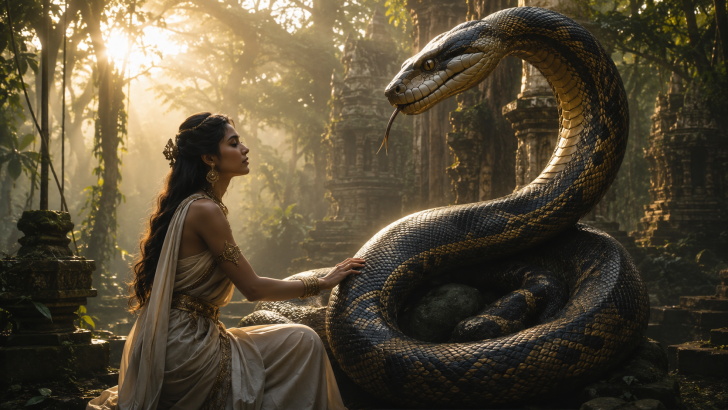
Few creatures have inspired as much fascination, fear, and respect as the serpent.
Across ancient civilizations, snakes appeared in myths as guardians of sacred places, protectors of treasures, bringers of wisdom, and symbols of both creation and destruction.
Their ability to shed their skin made them powerful symbols of renewal and transformation, while their mysterious movements and hidden habitats gave them an almost supernatural reputation.
From the deserts of Egypt to the temples of India and the forests of Mesoamerica, sacred serpents appeared in stories that shaped entire civilizations.
Some protected gods and kings. Others guarded the boundaries between worlds.
Many became symbols that survived for thousands of years and continue to appear in art, literature, and spiritual traditions today.
Here are eight sacred serpents from ancient legends.
1. Apophis Was the Great Serpent of Chaos in Egypt
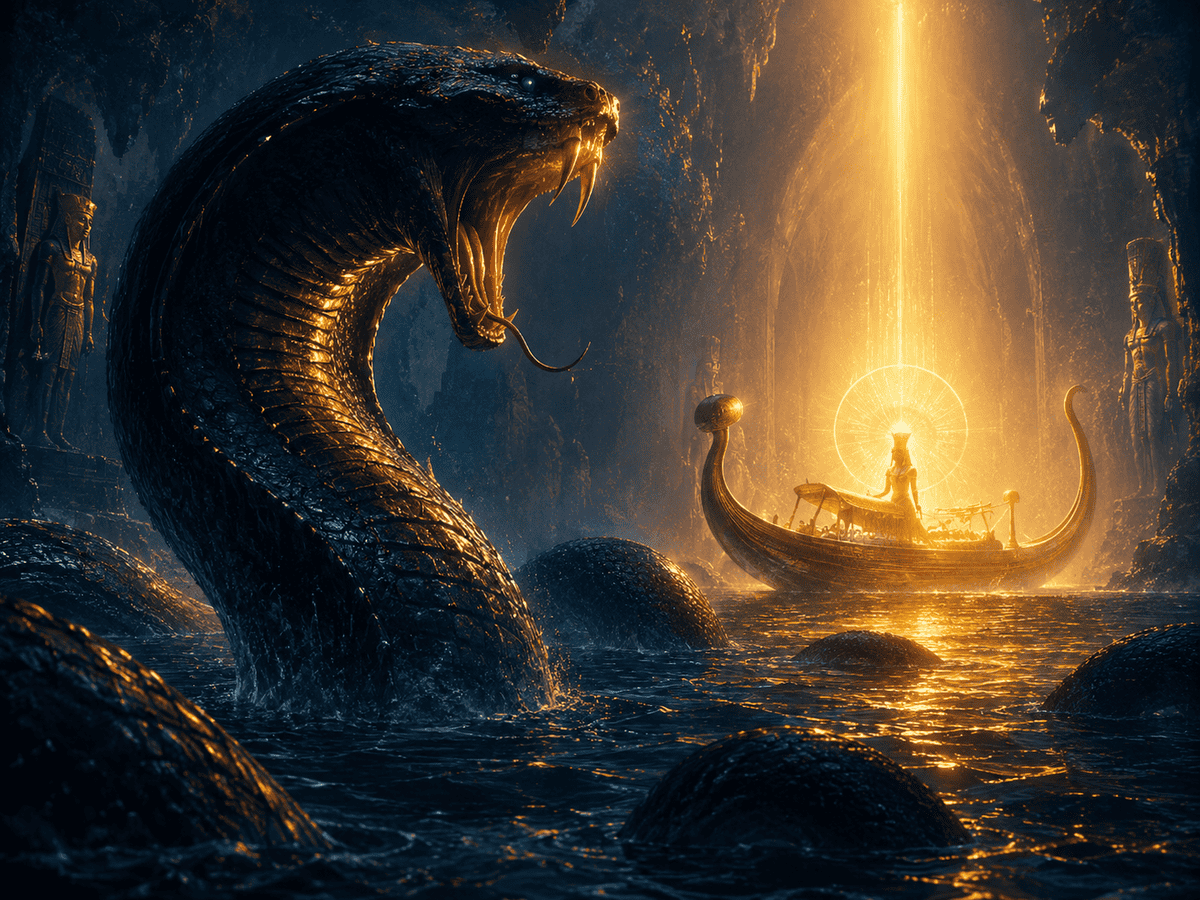
Among the most feared serpents of the ancient world was Apophis, known to the Egyptians as Apep.
Unlike many sacred snakes that served protective roles, Apophis represented chaos, darkness, and disorder.
According to Egyptian mythology, the giant serpent attacked the sun god Ra every night as Ra traveled through the underworld in his solar boat.
The struggle repeated endlessly. Each sunrise symbolized Ra’s victory and the restoration of order to the world.
Although Apophis was an enemy of the gods, he remained a sacred and important figure because he represented the forces that threatened creation itself.
The Egyptians believed the universe depended upon maintaining balance between order and chaos. Without chaos, order could not exist.
Priests even performed rituals intended to weaken Apophis and strengthen the sun god’s journey.
The serpent became a symbol of the challenges that must constantly be overcome to preserve harmony.
2. Jörmungandr Was the Serpent That Encircled the World

Norse mythology gave the world one of its most famous serpents in the form of Jörmungandr, the Midgard Serpent.
He was one of the children of Loki and the giantess Angrboda. They created one of mythology’s most powerful symbols.
According to legend, the gods feared the creature’s future power and threw him into the great ocean surrounding the human world.
There, he grew so enormous that he eventually wrapped himself around the entire earth and grasped his own tail.
Jörmungandr represented the boundaries of the known world and the endless cycle of existence.
His presence beneath the sea reminded the Norse people that immense forces existed beyond human control.
He was destined to face the thunder god Thor during Ragnarök, the final battle that would bring about the end and rebirth of the cosmos.
Despite his terrifying reputation, Jörmungandr also symbolized balance and cosmic order because his existence helped define the limits of the world itself.
3. Quetzalcoatl Was the Feathered Serpent of Mesoamerica
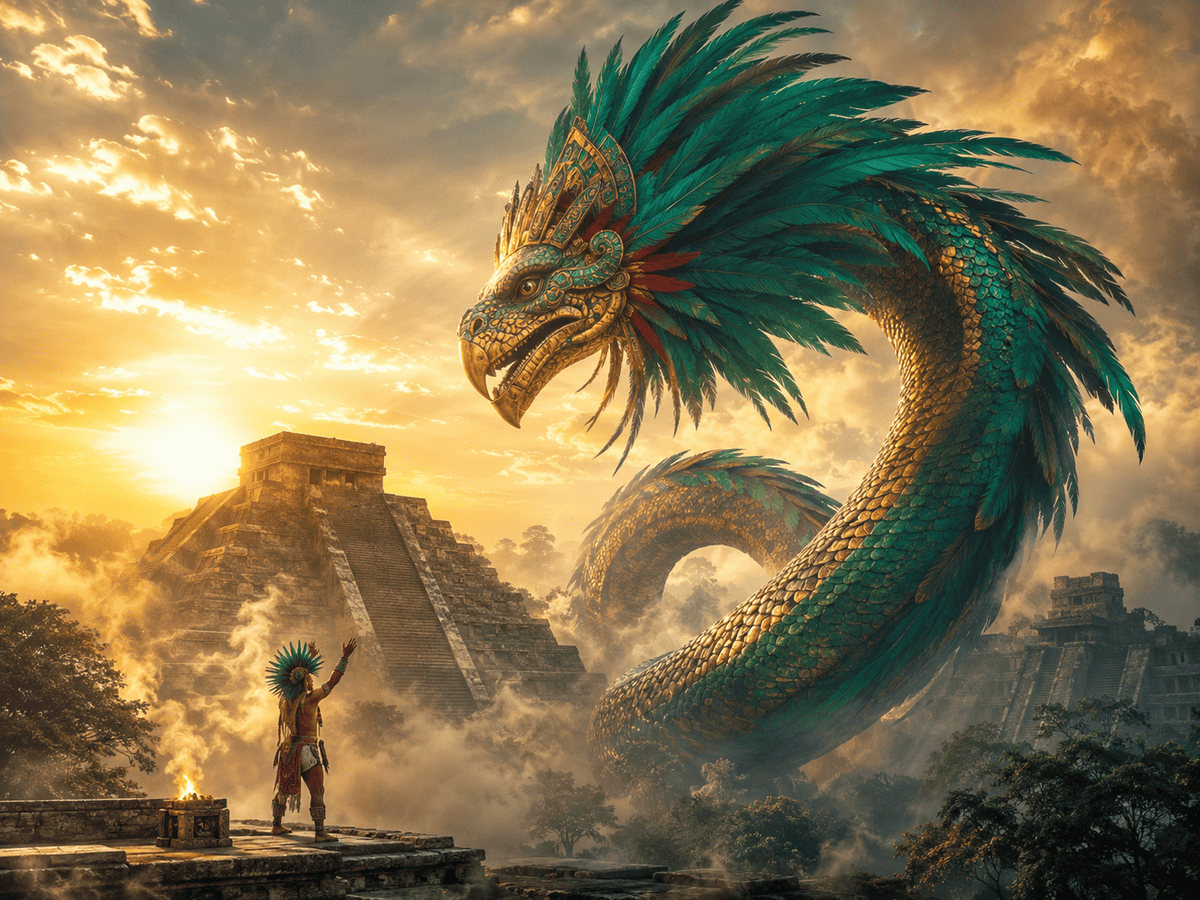
One of the most beloved serpents in world mythology was Quetzalcoatl, the Feathered Serpent worshipped by several Mesoamerican civilizations.
His name combines the quetzal bird with the serpent, uniting the sky and the earth within a single being.
Unlike many monstrous dragons and snakes found in mythology, Quetzalcoatl was often viewed as a deity associated with wisdom, learning, creation, and civilization.
He was connected with agriculture, astronomy, craftsmanship, and knowledge.
Many traditions credited him with helping humanity by providing important skills and teachings.
The combination of feathers and scales reflected the union of heaven and earth, spirit and matter, wisdom and power.
Quetzalcoatl became one of the most important religious figures among the Aztecs and earlier civilizations such as the Toltecs.
4. Shesha Carries the Universe in Hindu Tradition
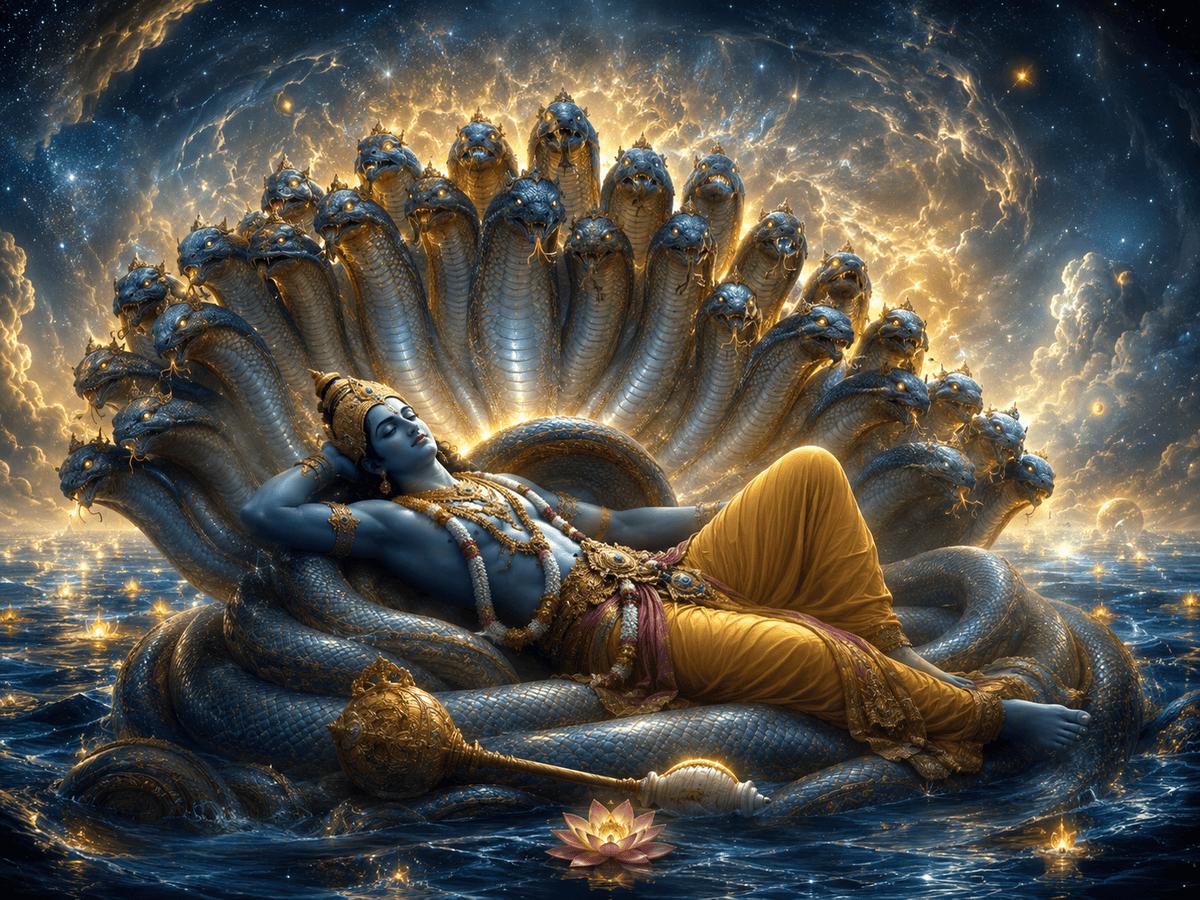
In Hindu mythology, Shesha, also called Ananta, is the cosmic serpent upon whom the god Vishnu rests between cycles of creation.
Unlike destructive serpents found in some traditions, Shesha represents stability, eternity, and the endless nature of time.
Ancient texts describe him as possessing thousands of heads and floating upon the cosmic ocean.
When one universe ends and another begins, Shesha remains. His very name means “that which remains.”
This made him a symbol of permanence within an ever-changing cosmos.
Many artistic depictions show Vishnu reclining peacefully upon the coils of the great serpent while creation awaits its next beginning.
The serpent becomes a reminder that existence itself is part of a much larger rhythm.
5. The Rainbow Serpent Created the Land in Aboriginal Traditions
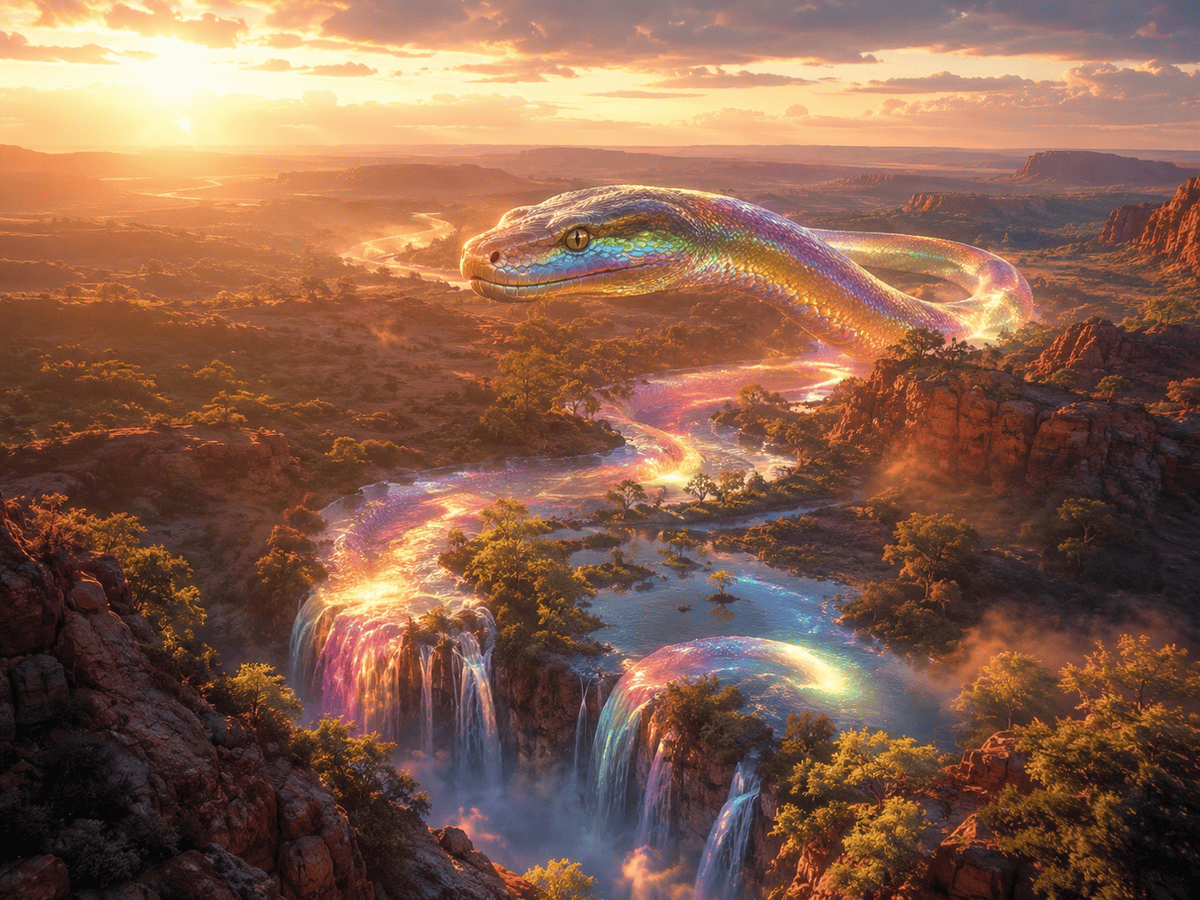
Among many Aboriginal Australian traditions, the Rainbow Serpent is one of the most important spiritual beings.
Although stories differ between communities, the serpent is often described as a creator figure who shaped rivers, mountains, valleys, and landscapes during the Dreaming.
As the serpent moved across the land, it carved paths that became waterways and geographical features.
The creature became deeply connected with water, fertility, and life itself.
Rainfall and rivers were essential for survival, making the serpent a symbol of both creation and renewal.
The Rainbow Serpent was not always gentle. In some stories, it could punish those who broke sacred laws or disrespected the land.
This balance between generosity and power reflected the importance of living in harmony with nature.
6. Wadjet Protected the Pharaohs of Egypt
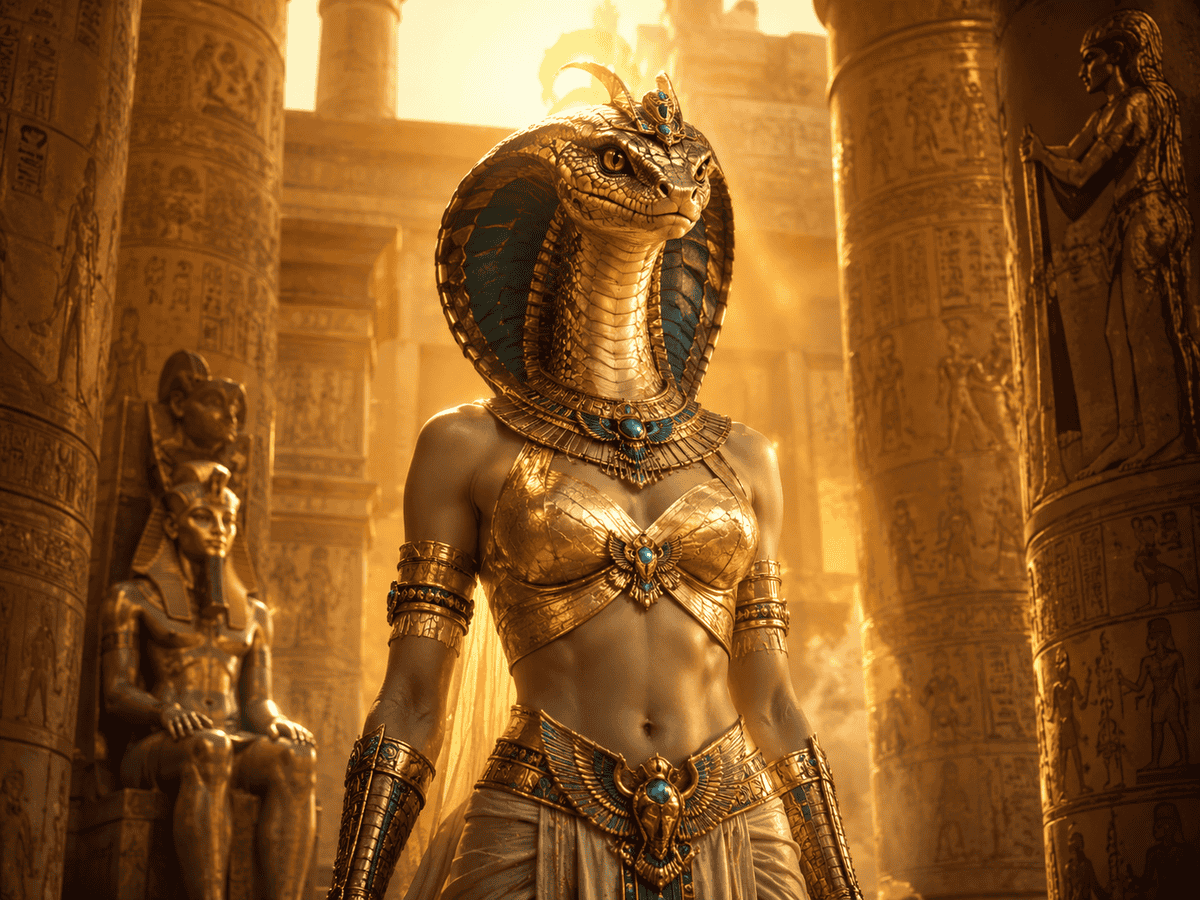
Another sacred serpent of ancient Egypt was Wadjet, the cobra goddess who served as protector of Lower Egypt and guardian of the pharaoh.
She was often depicted as a rearing cobra prepared to strike at enemies of the kingdom.
Her image appeared on royal crowns in the form of the uraeus, the upright serpent worn by Egyptian rulers.
This symbol represented divine authority and protection. The Egyptians believed Wadjet could spit fire at those who threatened the king.
Because of her protective role, she became one of the most respected goddesses in Egyptian religion.
Unlike Apophis, who represented chaos, Wadjet stood for stability, order, and royal legitimacy.
Her presence on crowns and temples reminded people that the gods watched over Egypt and its rulers.
7. Python Guarded the Sacred Oracle of Delphi
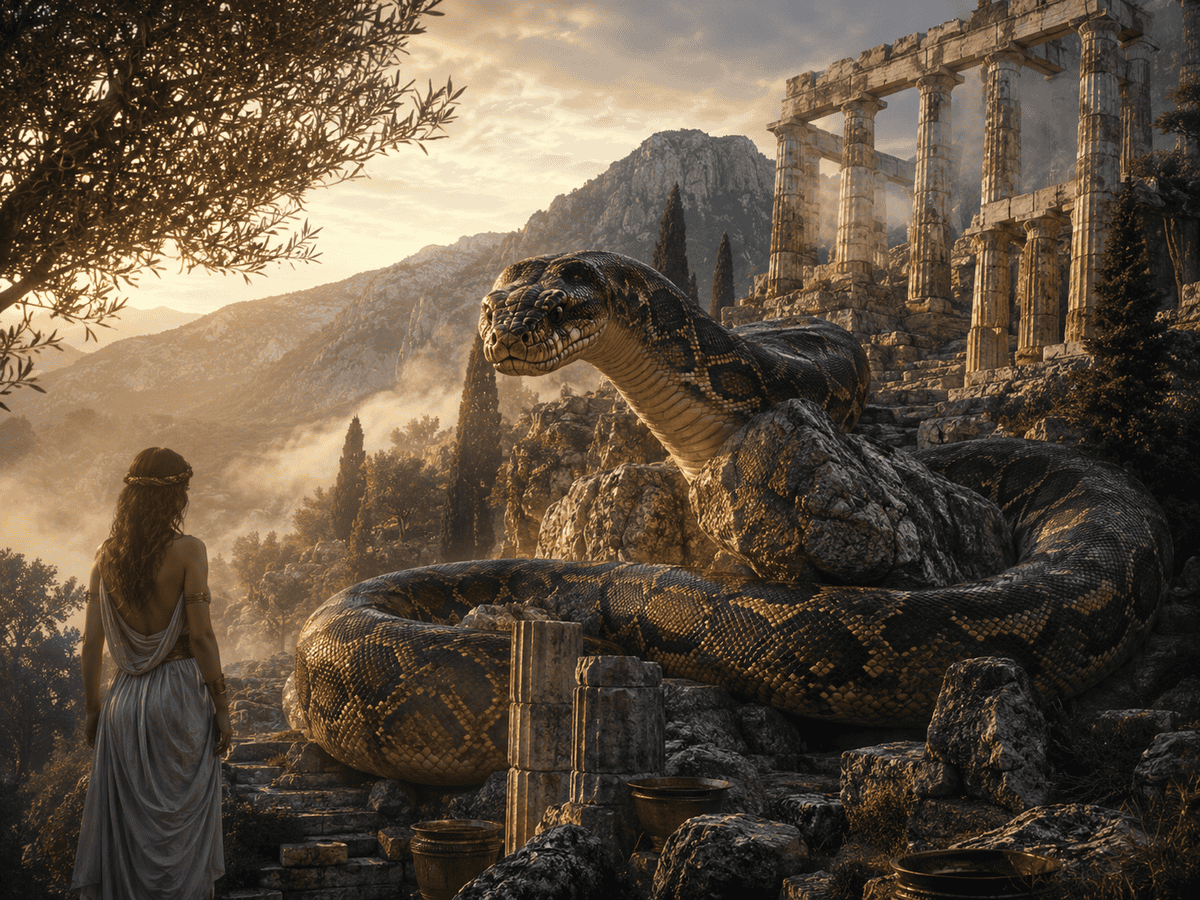
Before Apollo became master of Delphi, Greek mythology says the sacred site was guarded by a giant serpent known as Python.
The creature lived near the famous oracle and protected the ancient sanctuary. Eventually Apollo slew the serpent and claimed the site as his own.
Despite being defeated, Python remained an important sacred figure. The Pythian Games, one of the great athletic festivals of ancient Greece, were named in memory of the serpent.
The priestess of Delphi also became known as the Pythia. These connections ensured that the serpent’s legacy survived long after Apollo’s victory.
Python represented ancient wisdom and the mysterious powers associated with prophecy.
8. Ningishzida Was the Mesopotamian Serpent of the Underworld
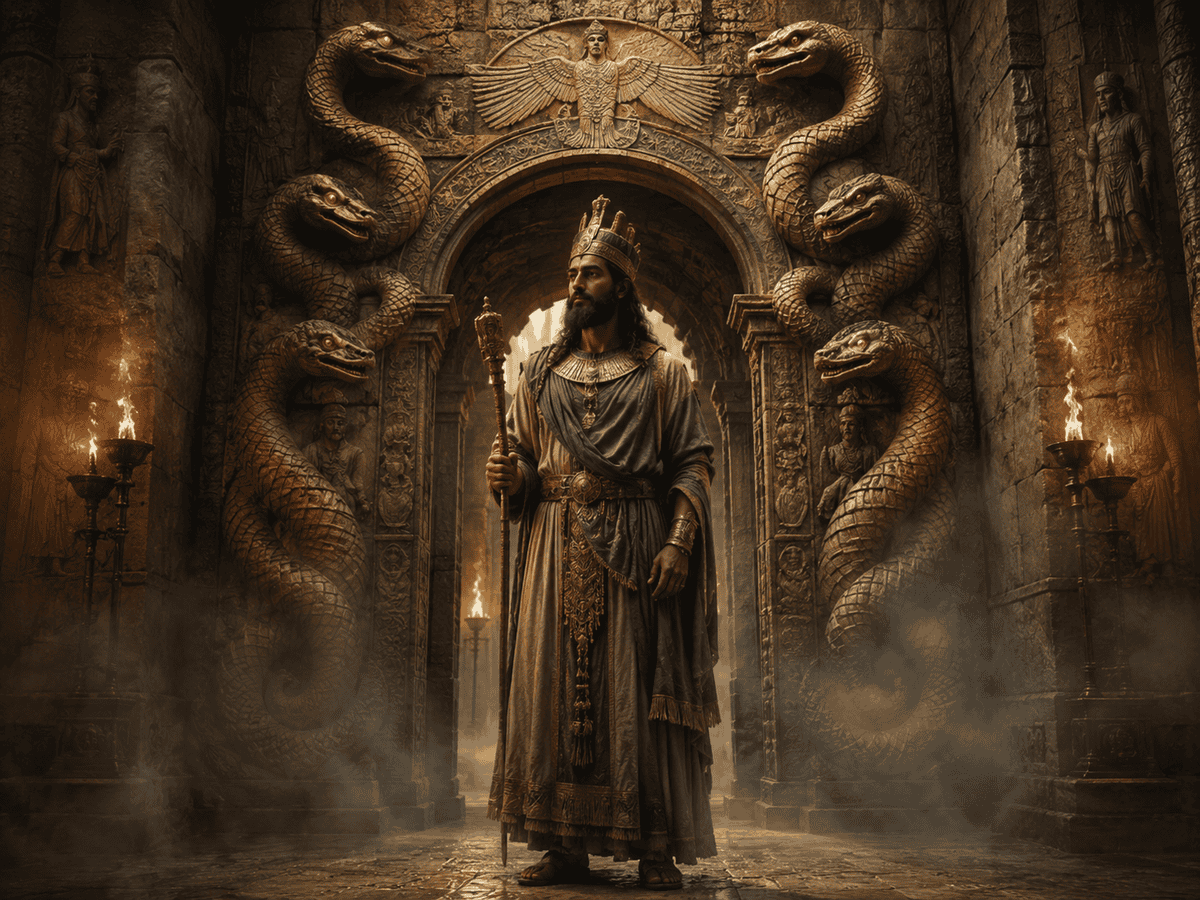
One of the oldest sacred serpents in recorded history was Ningishzida, a Mesopotamian deity associated with vegetation, renewal, and the underworld.
He was often depicted alongside intertwined serpents rising from a staff or gate.
This imagery has fascinated historians because it resembles later symbols associated with healing and wisdom.
Ningishzida served as a guardian of the world beyond the living and acted as an intermediary between different realms.
His connection with plants and seasonal growth linked him with cycles of death and rebirth.
Seeds disappeared beneath the earth before returning as new life, much as souls were believed to journey through unseen realms.
He reflected the ancient belief that endings and beginnings are often connected.
Among the civilizations of Mesopotamia, serpents frequently represented hidden wisdom and sacred power.
Ningishzida embodied these ideas more clearly than almost any other figure.

自出生以来,我一直感觉到自己与神灵有着紧密的联系。作为一名作家和导师,我的使命是帮助他人在最黑暗的时刻找到爱、幸福和内心的力量。