

Prayer is one of humanity’s oldest habits. Long before smartphones, alarm clocks, or that one group chat that somehow has 127 unread messages, people were looking up, folding their hands, and asking for help, guidance, forgiveness—or occasionally, for it not to rain during an important event. While prayer takes countless forms across religions and cultures, one thing remains remarkably consistent: people pray because they long for connection with something greater than themselves.
Contrary to popular belief, prayer isn’t always about asking for miracles or reciting memorized words. Sometimes it’s joyful, sometimes desperate, sometimes silent, and sometimes it sounds suspiciously like someone negotiating with God after making a questionable life decision. Whether whispered in a quiet room, sung in a congregation, or expressed through actions rather than words, every form of prayer reflects a different aspect of the human spirit.
Here are some of the most common—and meaningful—ways people pray around the world.
1. Prayers of Gratitude

If there were an award for the healthiest type of prayer, gratitude would probably be a strong contender. Instead of focusing on what’s missing, this prayer celebrates what’s already present.
People offer prayers of gratitude to thank God for family, health, friendships, opportunities, answered prayers, or even the simple joys of daily life. Sometimes the blessings are enormous, like recovering from illness. Other times they’re wonderfully ordinary, like finding your lost keys exactly where you swore you’d already looked three times.
Many spiritual traditions teach that gratitude changes not only our relationship with God but also our outlook on life. It encourages humility and reminds us that not everything we enjoy is something we’ve earned entirely on our own.
Of course, thanking God after finding a parking spot directly in front of the store while silently pretending the other twenty drivers don’t deserve it quite as much may not be the purest example of gratitude—but it’s a very human one.
2. Prayers of Petition

This is probably the type of prayer most people think of first: asking God for help.
Petition prayers involve bringing personal needs before God, whether they’re physical, emotional, financial, or spiritual. People pray for healing, wisdom, strength during difficult times, guidance when facing important decisions, or courage to take the next step in life.
Far from being selfish, these prayers acknowledge human limitations. They reflect the belief that it’s okay to admit we don’t have every answer and that seeking divine help is an act of trust rather than weakness.
Let’s be honest, though—petition prayers occasionally become very specific. “Please help me pass this exam I absolutely should have studied for” has probably echoed through classrooms, libraries, and dorm rooms for centuries. Miracles happen, but so does the reminder that opening the textbook first is generally recommended.
3. Intercessory Prayer
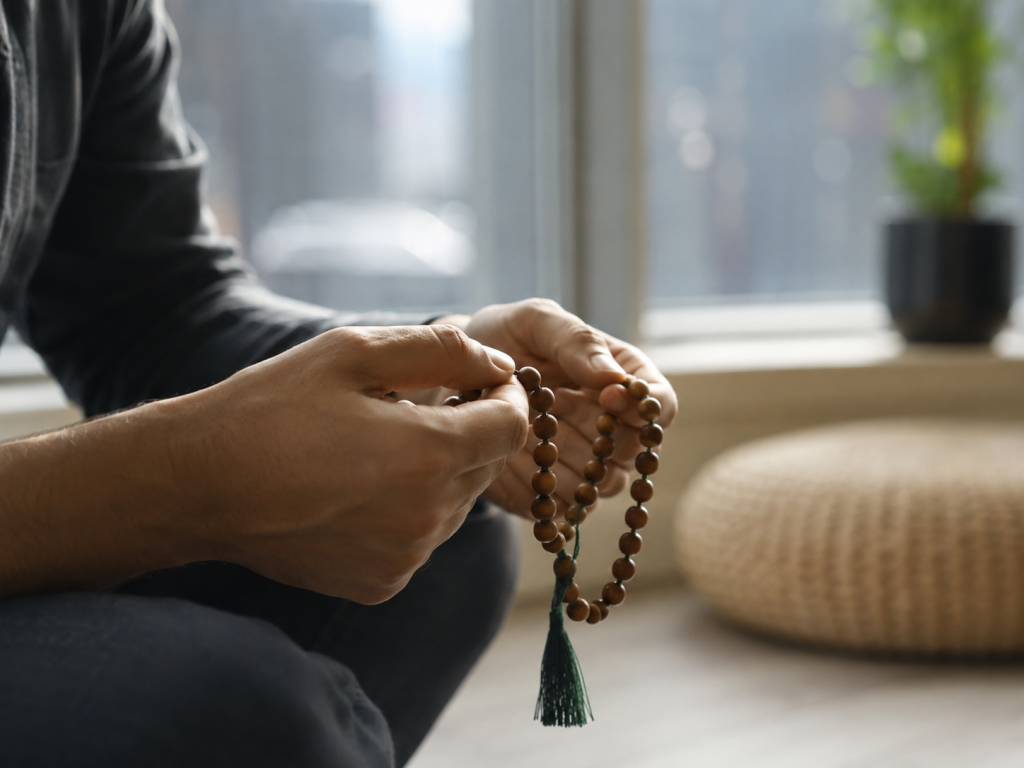
Sometimes the most powerful prayers aren’t about ourselves at all.
Intercessory prayer means praying on behalf of someone else. People lift up friends, family members, strangers, entire communities, or even nations. They pray for healing, comfort, peace, justice, protection, and hope for those who are struggling.
Nearly every major religion includes some form of praying for others because it reflects compassion and solidarity. Even when someone feels powerless to solve another person’s problems, prayer becomes a meaningful expression of love and support.
Many people say they feel deeply encouraged simply knowing others are praying for them during difficult seasons. It’s a reminder that they aren’t facing life’s challenges alone.
And yes, countless grandparents have probably included “Please keep my grandchildren safe… and maybe help them remember to call more often” in their nightly prayers.
4. Prayers of Confession

Nobody enjoys admitting they’re wrong—but spiritually speaking, confession is often where healing begins.
Confessional prayer involves honestly acknowledging mistakes, sins, poor choices, and attitudes that have damaged our relationship with God or others. Rather than dwelling in guilt, these prayers seek forgiveness, mercy, and the strength to grow.
Many religious traditions teach that confession isn’t about humiliation; it’s about honesty. Pretending we’ve never made mistakes doesn’t fool God, and it rarely fools ourselves either.
Confession can also be surprisingly freeing. Carrying guilt is exhausting, while admitting failure opens the door to forgiveness and personal transformation.
Of course, some confessions probably sound remarkably familiar throughout history: “I definitely should have handled that conversation better,” or “In my defense… actually, I don’t have much of a defense.” Spiritual growth often begins exactly there.
5. Prayers of Praise and Worship

Not every prayer asks for something. Some simply celebrate who God is.
Prayers of praise focus on God’s greatness, holiness, love, wisdom, and power rather than personal circumstances. Worship shifts attention away from ourselves and toward the character of the Creator.
These prayers are common in churches, temples, synagogues, and homes around the world. They may be spoken, sung, chanted, or expressed through joyful celebration. Music, in particular, has long been one of humanity’s favorite ways of praying through praise.
Many believers find that worship changes their perspective. Problems don’t necessarily disappear, but they often feel smaller when viewed alongside a greater sense of hope and faith.
It’s also one of the few moments where saying, “You’re amazing,” isn’t flattery—it’s the entire point.
6. Silent Prayer
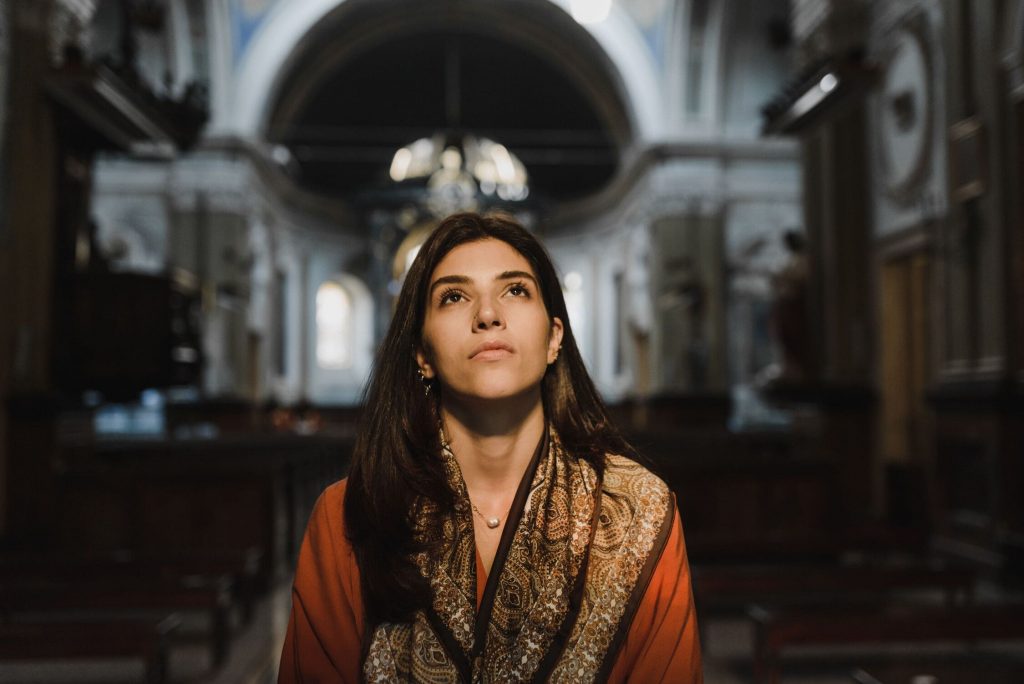
Sometimes the deepest conversations happen without saying a single word.
Silent prayer involves sitting quietly in God’s presence without lengthy speeches or carefully chosen phrases. Instead of talking constantly, the person simply becomes still, listens, reflects, and remains open to spiritual guidance.
Many contemplative traditions teach that silence allows people to notice thoughts, convictions, and inner peace that are often drowned out by daily distractions. In a world where notifications compete for attention every few minutes, choosing silence can feel surprisingly radical.
Silent prayer doesn’t require eloquent language or perfect concentration. Minds wander—that’s part of being human. The practice simply encourages gently returning attention to God whenever distractions appear.
Ironically, many people discover that staying quiet for five minutes can be harder than giving a twenty-minute speech. Apparently our brains believe grocery lists become critically important the exact moment we decide to pray.
7. Meditative Prayer

Meditative prayer invites people to slow down and thoughtfully reflect on sacred truths rather than rushing through familiar words.
This form of prayer often involves reading a passage from sacred scripture, repeating a meaningful phrase, or quietly contemplating God’s presence and teachings. The goal isn’t emptying the mind completely but filling it with wisdom, reflection, and spiritual insight.
Many Christians practice Lectio Divina, while similar meditative traditions exist in Judaism, Islam, Hinduism, Buddhism, and many other faiths. Though the methods differ, the intention remains remarkably similar: allowing spiritual truths to move from the head into the heart.
Meditative prayer encourages patience in a culture that often demands instant answers. Instead of asking, “How fast can I finish praying?” it asks, “What can I learn if I truly listen?”
It’s spiritual slow cooking rather than microwave faith—and the results often prove just as satisfying.
8. Prayers Through Song

Sometimes spoken words simply aren’t enough, and music takes over.
Throughout history, people have prayed through hymns, chants, psalms, gospel music, devotional songs, and sacred melodies. Singing has always held a unique place in worship because it combines words with emotion, memory, and community.
Many religious traditions believe that music opens the heart in ways ordinary conversation cannot. Songs of joy, sorrow, hope, repentance, and celebration allow people to express feelings that are difficult to describe with speech alone.
Even those who insist they “can’t sing” often find themselves joining in during worship because prayer isn’t a talent competition. Fortunately, most faith traditions agree that sincerity matters far more than hitting every note perfectly.
After all, if God can create galaxies, He can probably handle one enthusiastic off-key chorus.
9. Spontaneous Prayer

Not every prayer follows a script, and that’s perfectly okay.
Spontaneous prayer is simply talking to God naturally, using everyday language rather than memorized formulas. It can happen anywhere: while driving, walking, cooking dinner, hiking, or standing in line wondering why the self-checkout machine suddenly believes bananas require advanced technical support.
Many people appreciate spontaneous prayer because it feels conversational and deeply personal. There’s no pressure to sound poetic or especially spiritual. The focus is honesty rather than performance.
These prayers often include moments of gratitude, questions, worries, laughter, and even frustration. They reflect the idea that God welcomes authentic conversations rather than polished speeches.
Some of the most heartfelt prayers in history have probably begun with, “Okay… I honestly don’t know what to do next.”
10. Prayer Through Action

Not every prayer is spoken aloud. Sometimes it’s lived.
Many religious traditions teach that serving others can become a form of prayer. Feeding the hungry, caring for the sick, comforting the lonely, forgiving someone who has hurt us, or helping a neighbor in need can all express devotion to God through action.
This idea reminds believers that prayer doesn’t always end with “Amen.” Sometimes it continues in the choices we make afterward. Compassion becomes prayer with sleeves rolled up.
Prayer through action reflects the belief that faith should transform daily life, not remain confined to places of worship. Words matter, but so do kindness, generosity, justice, and mercy.
It’s also a gentle reminder that while many of us ask God to make the world a better place, He occasionally answers by handing us the opportunity—and expecting us to help. That’s both inspiring and, admittedly, a little more work than we were secretly hoping for.

Lover of good music, reading, astrology and making memories with friends and spreading positive vibes! 🎶✨I aim to inspire others to find meaning and purpose through a deeper understanding of the universe’s energies.