

No matter how modern the world becomes, superstitions refuse to pack their bags and leave. Every culture has its own collection of mysterious rules, lucky charms, and things you absolutely should 不 do unless you’re hoping to tempt fate. Some are centuries old, some have religious or historical roots, and others are so deeply woven into daily life that people follow them without even thinking about it.
Whether it’s avoiding certain numbers, refusing to whistle indoors, or throwing salt over your shoulder, these beliefs continue to influence weddings, business deals, travel, and even everyday conversations. Even people who claim they don’t believe in superstition might secretly hesitate before walking under a ladder “just in case.” Here are ten fascinating cultural superstitions that millions of people around the world still take surprisingly seriously.
1. The Number 4 Is Extremely Unlucky in East Asia

If you ever find yourself wondering why a hotel jumps from the third floor straight to the fifth, you’re probably somewhere in East Asia. In countries like China, Japan, South Korea, and Taiwan, the number four is widely avoided because its pronunciation closely resembles the word for “death.” This linguistic coincidence has made the number deeply associated with bad luck.
The superstition is so influential that many apartment buildings, hospitals, and office towers skip the fourth floor altogether. Phone numbers, license plates, and home addresses containing multiple fours are often considered undesirable, while combinations featuring the lucky number eight are highly prized instead. Businesses sometimes pay substantial amounts for phone numbers that avoid fours completely.
While younger generations may joke about it, many still hesitate when faced with important decisions involving the number. After all, if avoiding one digit might help you dodge bad luck, why risk it? It’s probably the only number that has managed to become socially awkward.
2. Breaking a Mirror Brings Seven Years of Bad Luck
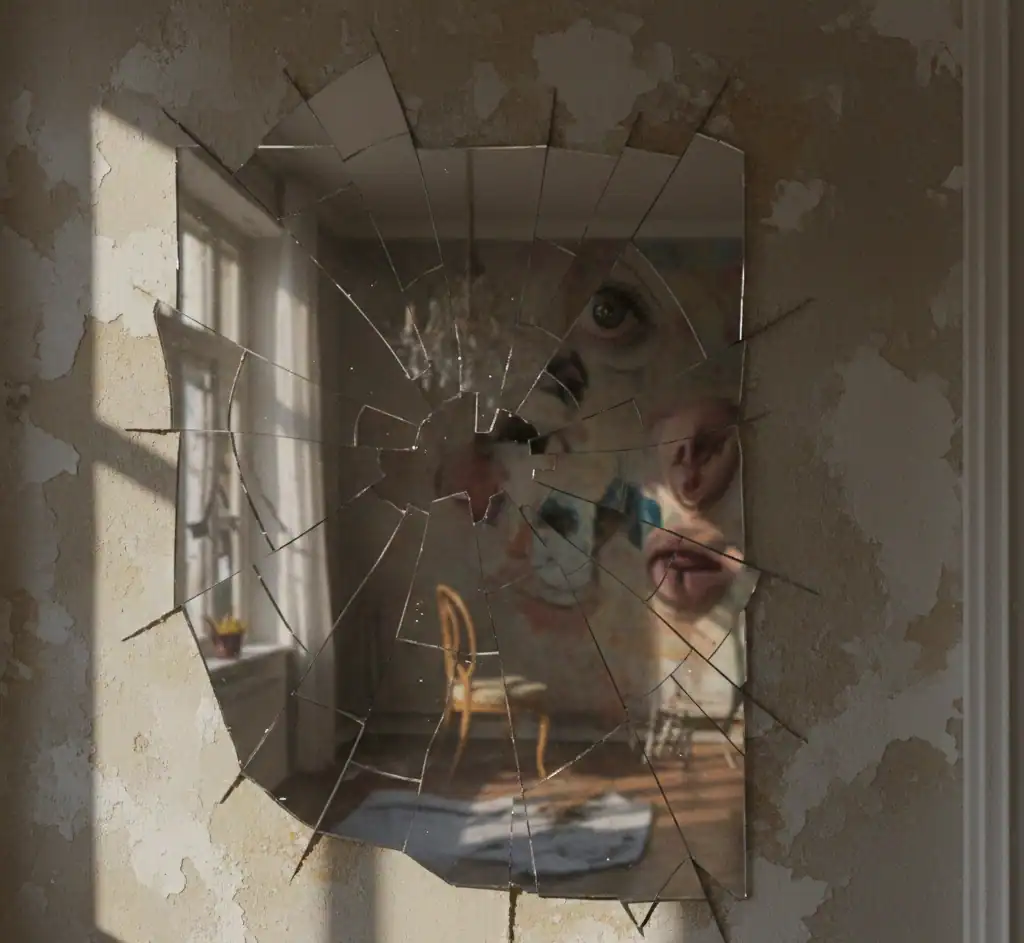
This famous superstition has survived for centuries and continues to make people freeze whenever they hear the unmistakable crash of shattered glass. The belief dates back to ancient Rome, where mirrors were thought to reflect not just your appearance but also your soul. Damaging the mirror supposedly damaged your spiritual self.
The Romans also believed that life renewed itself every seven years, which is why the curse lasts exactly that long. Apparently fate is very committed to keeping a schedule.
Even today, people instinctively groan when a mirror breaks. Some immediately search online for ways to reverse the curse, while others bury the broken pieces, throw them into running water, or perform cleansing rituals passed down through generations. Rational minds may say it’s just broken glass, but plenty of people still prefer not to test whether ancient superstitions are keeping score.
3. Never Whistle Indoors in Russia

If you’re happily whistling while cleaning your house in Russia, someone may quickly ask you to stop. According to a long-standing superstition, whistling indoors drives money away and invites financial hardship. The cheerful tune you’re enjoying could supposedly whistle your savings right out the front door.
Some versions also suggest that whistling attracts unwanted spirits or disturbs the protective energy of the home. Either way, your audience is unlikely to appreciate your musical performance.
Many Russian families continue reminding children not to whistle inside, and visitors are often surprised when someone politely asks them to stop. Whether people truly believe it or simply respect tradition, the superstition remains widespread. It’s one of the few situations where silence is apparently considered an excellent financial investment.
4. The Evil Eye Is Feared Across the Mediterranean and Middle East
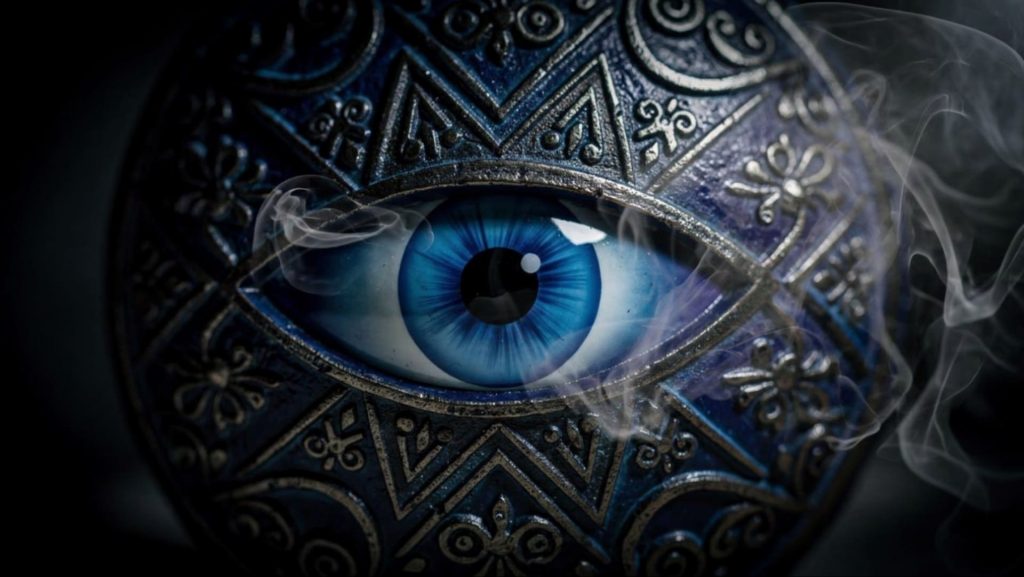
In many cultures stretching from Greece and Turkey to the Middle East, North Africa, and parts of South Asia, the Evil Eye is considered a genuine source of misfortune. The belief holds that excessive admiration, envy, or jealousy can unintentionally cause illness, bad luck, or personal setbacks.
To protect themselves, people wear blue eye-shaped amulets, display protective symbols in their homes, or recite special prayers. New babies, successful businesses, and valuable possessions are often thought to be particularly vulnerable because they naturally attract attention.
Complimenting someone’s child without adding a blessing or protective phrase may even make people uncomfortable. While outsiders sometimes view these customs as charming traditions, millions continue to wear protective charms every day. Better safe than spiritually sorry.
5. Opening an Umbrella Indoors Invites Misfortune
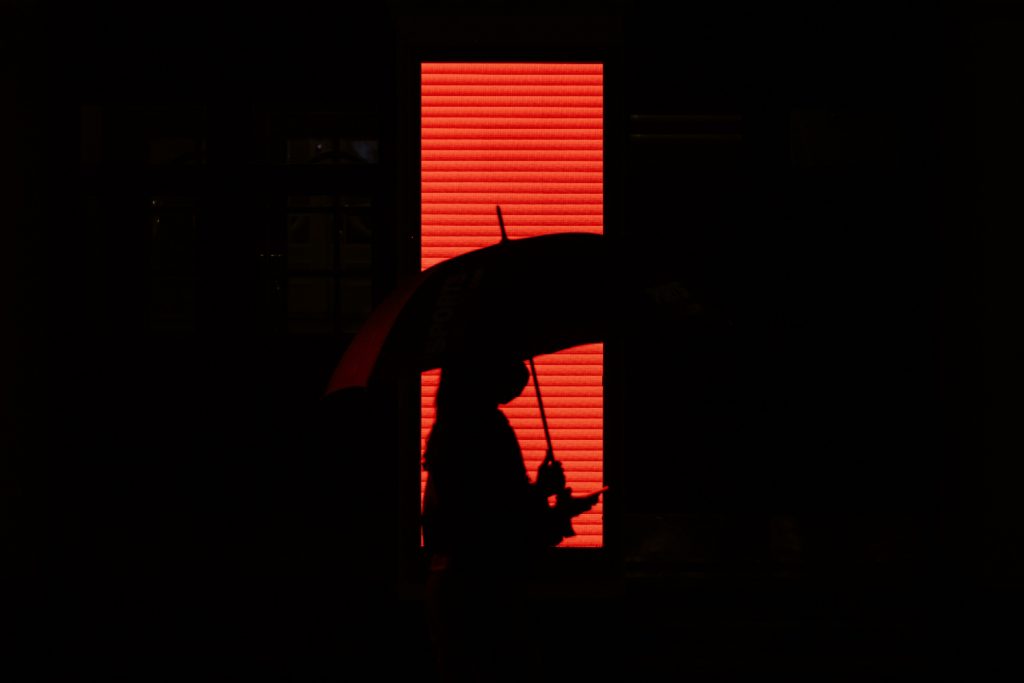
Opening an umbrella inside the house seems harmless enough—unless you ask generations of people who grew up hearing that it invites terrible luck. This superstition became popular in Europe during the Victorian era, although some historians trace similar ideas back even further.
One practical explanation is that early umbrellas contained stiff metal frames that could easily injure someone or damage furniture if opened indoors. Over time, practical safety advice gradually evolved into supernatural warning.
Today, countless people still hesitate before opening an umbrella inside, even if it’s simply to let it dry. They’ll carefully carry it back outside instead of tempting fate. Sure, modern umbrellas are much safer, but why risk angering the mysterious umbrella spirits? Nobody wants to explain that their bad week started because they couldn’t wait five extra seconds.
6. Tossing Salt Over Your Left Shoulder Keeps Evil Away

Spilling salt has long been considered unlucky, but the solution is wonderfully specific: grab a pinch and throw it over your left shoulder. According to tradition, the devil lurks behind your left side, waiting for opportunities to cause trouble. Tossing salt supposedly blinds or drives away the unwanted visitor.
Salt itself was once an extremely valuable commodity, making spills both expensive and symbolic of waste or carelessness. As the superstition evolved, the corrective ritual became just as important as the accident itself.
Many people automatically perform this gesture after spilling salt, often without consciously thinking about why. It has become such an ingrained habit that restaurants around the world occasionally witness tiny showers of salt flying across dining rooms. Hopefully, the devil appreciates good seasoning.
7. Touching Wood Prevents Bad Luck
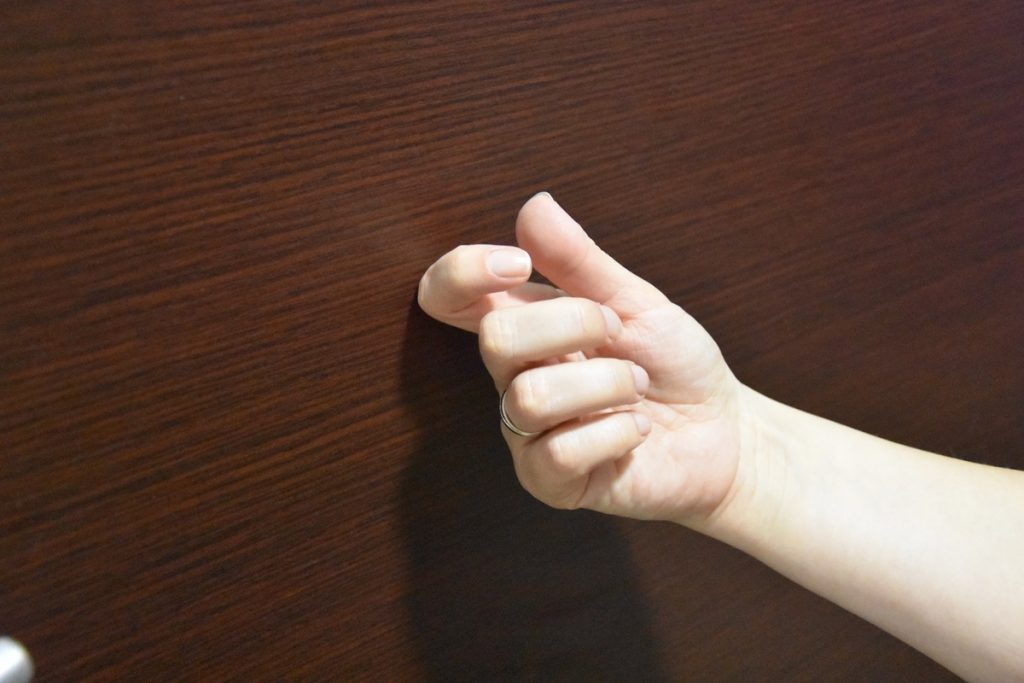
Whether you call it “touch wood” or “knock on wood,” this superstition has become one of the world’s most recognizable rituals. After saying something hopeful like, “I’ve never broken a bone,” many people immediately tap a wooden surface to avoid tempting fate.
The origins are debated. Some historians believe ancient cultures thought protective spirits lived inside trees, while others connect the practice to Christian traditions involving the wood of the cross.
Regardless of its beginnings, the custom remains incredibly common throughout Europe, North America, and beyond. Even skeptics often find themselves instinctively reaching for the nearest table after making a bold prediction. It’s a fascinating example of how ancient beliefs quietly survive in modern conversation. Office desks everywhere deserve recognition for their years of dedicated protective service.
8. Sweeping Over Someone’s Feet Can Ruin Their Love Life

Across parts of Africa, the Caribbean, and Latin America, accidentally sweeping a broom over someone’s feet is considered much more serious than a housekeeping mistake. According to popular belief, it may prevent the person from getting married or bring long-term bad luck in relationships.
The affected individual often asks for the broom to be passed back over their feet in the opposite direction to reverse the curse. This “undo” button has saved many imaginary marriages over the years.
Parents and grandparents frequently remind children to be careful while sweeping, and the belief remains part of everyday folklore in many communities. It’s one of those traditions that can instantly transform ordinary cleaning into an unexpectedly high-stakes activity. Vacuum cleaners, thankfully, have escaped most supernatural suspicion.
9. Don’t Hand Someone a Knife Directly in Some Cultures

In several countries, including parts of Eastern Europe, Scandinavia, and Asia, directly handing someone a knife is believed to cut the friendship between the two people. To avoid this symbolic break, the knife should instead be placed on a table so the other person can pick it up themselves.
Some traditions also recommend giving a small coin in exchange for gifted knives. This symbolic payment transforms the gift into a purchase, preventing bad luck or damaged relationships.
While the practice may sound unusual, many families continue following it without hesitation. It’s an elegant example of symbolism influencing everyday behavior. Besides, setting a sharp object down before someone grabs it isn’t exactly the worst safety rule ever invented.
10. New Year’s First Visitor Can Shape the Entire Year

Throughout Scotland and several neighboring regions, the tradition of “first-footing” remains an important New Year’s superstition. According to the custom, the first person to enter your home after midnight influences your luck for the coming year.
Traditionally, a dark-haired visitor carrying gifts such as bread, coal, salt, or whisky is considered especially fortunate. Arriving empty-handed is far less desirable, and in older traditions, certain types of visitors were believed to bring particularly poor luck.
Many families still celebrate this custom during New Year’s festivities, carefully welcoming the first guest with warmth and optimism. It’s a charming reminder that the year begins not only with fireworks and countdowns but also with centuries-old beliefs about hospitality and fortune. It’s also one of the rare occasions when showing up with snacks might actually improve someone’s destiny.

Lover of good music, reading, astrology and making memories with friends and spreading positive vibes! 🎶✨I aim to inspire others to find meaning and purpose through a deeper understanding of the universe’s energies.