
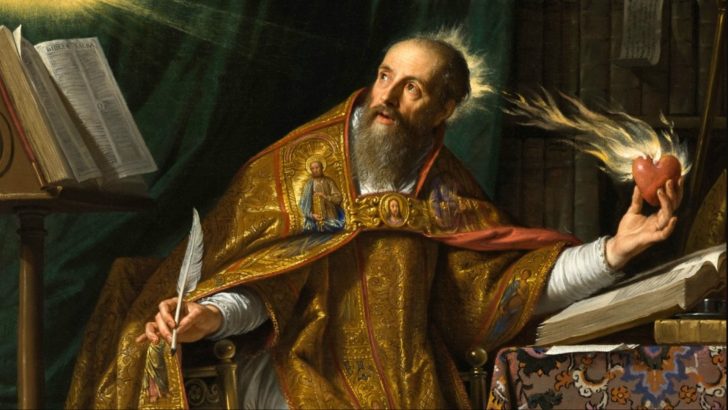
This is one of those questions that makes people instantly uncomfortable.
It questions everything we were raised to believe, so we need to approach it carefully and with an open mind.
The original sin stands for the idea that every human being is born fundamentally corrupted, inheriting guilt from Adam and Eve.
It has shaped Western Christianity, influencing art, law, psychology, politics…
But is it actually in the Bible?
1. The Old Testament
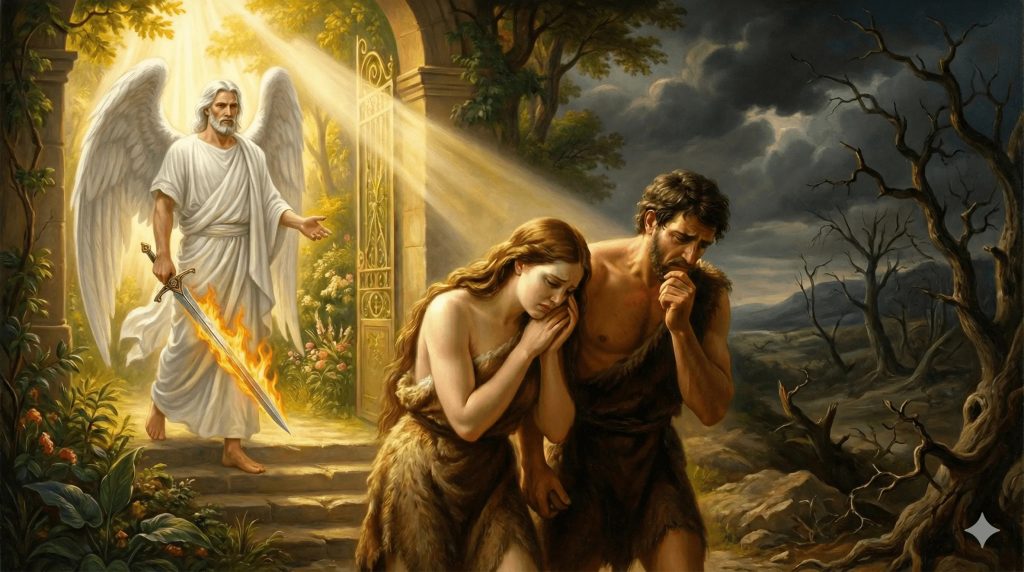
If you look for the doctrine of original sin in the Old Testament, you won’t find it the way St. Augustine defined it.
The Genesis describes the mistake of Adam and Eve and the consequences that followed: shame, banishment from Eden, and the introduction of hard work, pain, and mortality.
What the Hebrew text never says is that every person born from that moment on carries the burden of this particular sin.
The Hebrew concept of sin in the Old Testament is generally individual and communal, and not something that’s inherited.
Each generation answers for its own choices.
This idea that every human being is inherently corrupt since birth, before they’d had a chance to make a single decision, isn’t native to the Bible.
2. Jesus Never Spoke of the Original Sin

In none of the four Gospels did Jesus explicitly teach the doctrine of original sin.
He talked extensively about sin, repentance, forgiveness, and the Kingdom of God.
He told people their sins were forgiven and told them to go on and sin no more. He described human beings as lost sheep worth finding.
But He never described humanity as fundamentally corrupted from birth, carrying inherited guilt from Adam.
The Jesus of the Gospels consistently addressed people as morally responsible agents capable of choosing better.
It’s clear that He didn’t think we were all condemned before even taking our first breath.
He demanded moral accountability, and we can only be held accountable for things that are in our control. An inherited original sin simply isn’t.
3. St. Paul’s Letter to the Romans
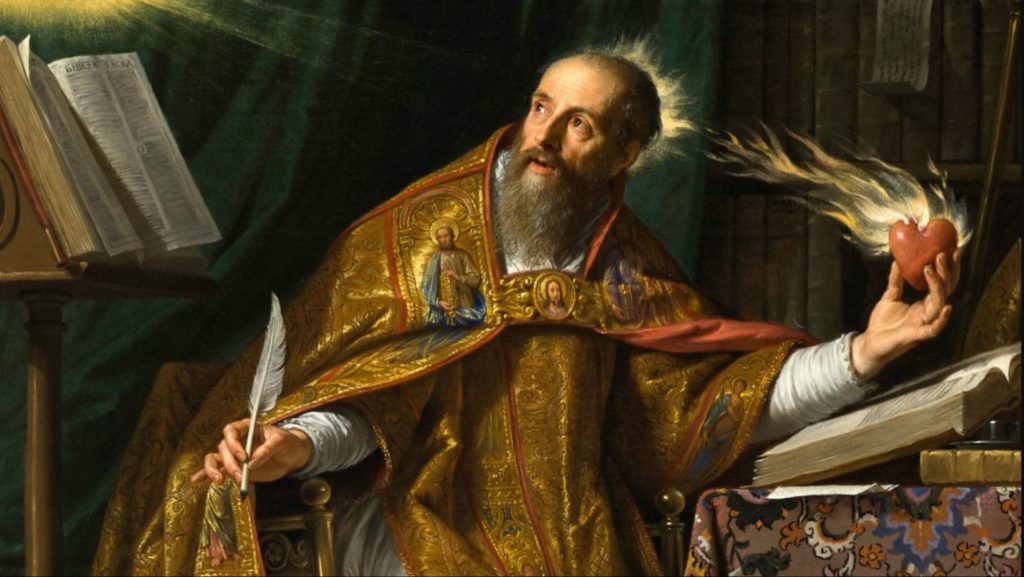
The idea of original sin is traced to St. Paul’s Letter to the Romans, specifically the fifth chapter (Romans 5:12).
There, St. Paul discusses Adam’s mistake and its relationship with our sinfulness and death.
But here’s the part that’s usually left out: St. Augustine, who created the doctrine, read the Latin translation of the Letter to the Romans, not the original Greek.
The Greek phrase eph’ hō is translated as “because.” This would mean that we all went on to sin because of what Adam and Eve did, and humanity was punished with a life of sin.
In Latin, it’s translated as “in whom,” meaning that we’ve all sinned in Adam.
To clarify, the first means that we all sin separately due to our own choices, while the latter says that the original sin of Adam belongs to all of us.
That single preposition changed the entire meaning.
4. The Roman Empire and Its Gods

We all know that Christianity was adopted and adapted by the Romans, who went on to create the Western Church and spread it all over their Empire.
However, long before Christianity, the Romans had a rich tradition of powerful and demanding deities.
Roman religious sensibility was shaped by the idea that the divine was to be feared and managed through sacrifices.
As a contrast to all of this came 耶稣基督, a gentle teacher, who healed people, forgave sins, and ate with outcasts.
He told people that God was like a loving father.
So, even if the Romans accepted Christianity, this message was truly hard to integrate into the beliefs they had lived with for millennia.
It’s assumed that they reached for a sterner idea, like a cosmic sin that weighs down on born and unborn humans.
Some historians argue that the doctrine of original sin fits Roman religious sensibility far better than it fits Christ and his disciples.
5. St. Anselm
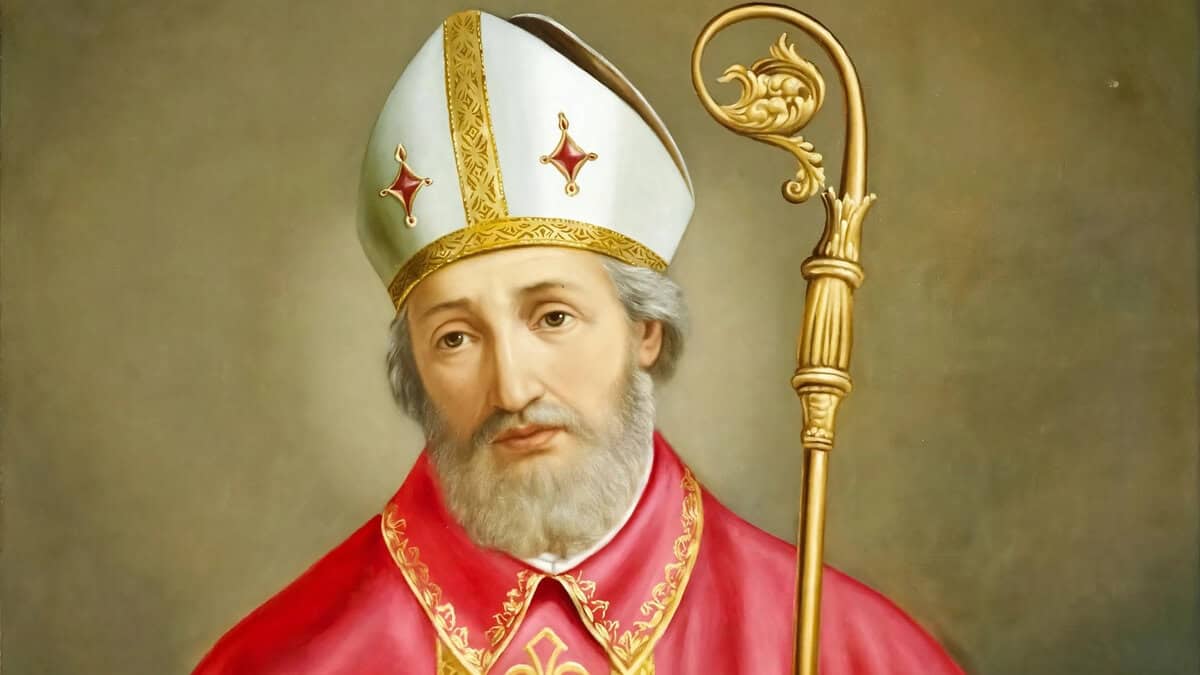
In the 11th and 12th centuries, St. Anselm developed the substitutionary atonement.
His argument was constructed like a legal discussion: Adam’s sin had offended God’s infinite honor, and because the offense was infinite, no finite human act of repentance could satisfy it.
Essentially, no amount of goodness, prayer, or effort could possibly clear this debt because it’s beyond human power.
Only someone who was both fully human and fully divine could atone for it, and that’s how St. Anselm explained the incarnation and crucifixion of Jesus.
God had to come down and pay the debt himself because we literally couldn’t.
This argument has satisfied most people for a long time now, but we must remember that it rests completely on St. Augustine‘s doctrine of original sin.
And we already know that was based on an error in translation.
6. The Nature of God
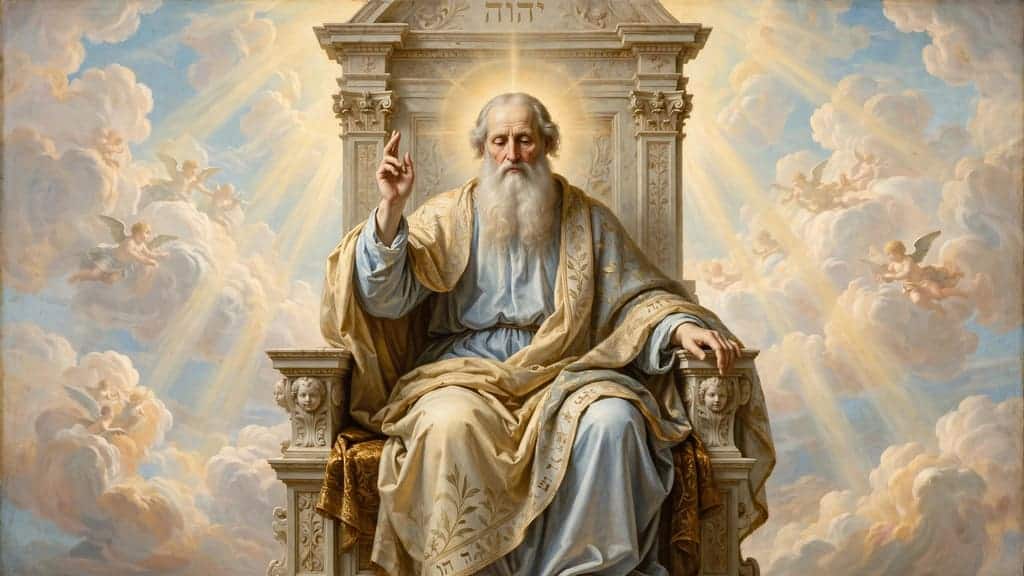
We have to ask ourselves what kind of God this doctrine describes.
If human beings are born inherently corrupted, carrying guilt for a choice made before they existed, then didn’t God himself create something defective?
How can a defective creation be held responsible for its defectiveness?
Many theologians find this image of God morally troubling.
The doctrine of original sin doesn’t present God as a loving creator, but as something entirely different.
However, when we focus on individual sin, made through the exercise of free will, everything comes into place.
God created us to have real moral agency, so our failures are our own, just like Adam’s are his own.
7. What This Means for Believers

None of this denies the existence of sin. We have a tendency toward selfishness, greed, and destruction.
Any religious system acknowledges this because it can’t be denied.
The question is whether you were born broken or you were born free and made your own bad choices.
For many believers today, the distinction matters a lot.
Being told from birth that you are inherently corrupt has caused documented harm in communities across the world.
The original sin is a doctrine worth revisiting. We should look at it factually, rather than cling to what’s familiar just because it’s easier.

A little Aquarius, devoted to writing and embroidery. Through my writing, I hope to empower readers to align with their true selves and navigate life’s mysteries with confidence.