

Long before it became associated with modern wealth, gold appeared inside temples, royal tombs, sacred statues, crowns, ceremonial objects, and offerings to the gods.
Ancient Egyptians, Greeks, Romans, Mesopotamians, and many other civilizations treated it as something far more meaningful than an expensive metal.
Gold seemed almost supernatural. It did not rust like iron, its brilliant surface resembled sunlight, and its rarity made it difficult for ordinary people to obtain.
These qualities encouraged ancient societies to connect gold with immortality, heavenly light, kingship, and the presence of the gods.
Rulers covered themselves in gold to demonstrate divine approval, while temples used it to separate sacred objects from ordinary ones.
Here are eight reasons gold became a symbol of divine power.
1. Gold Seemed Almost Impossible to Destroy
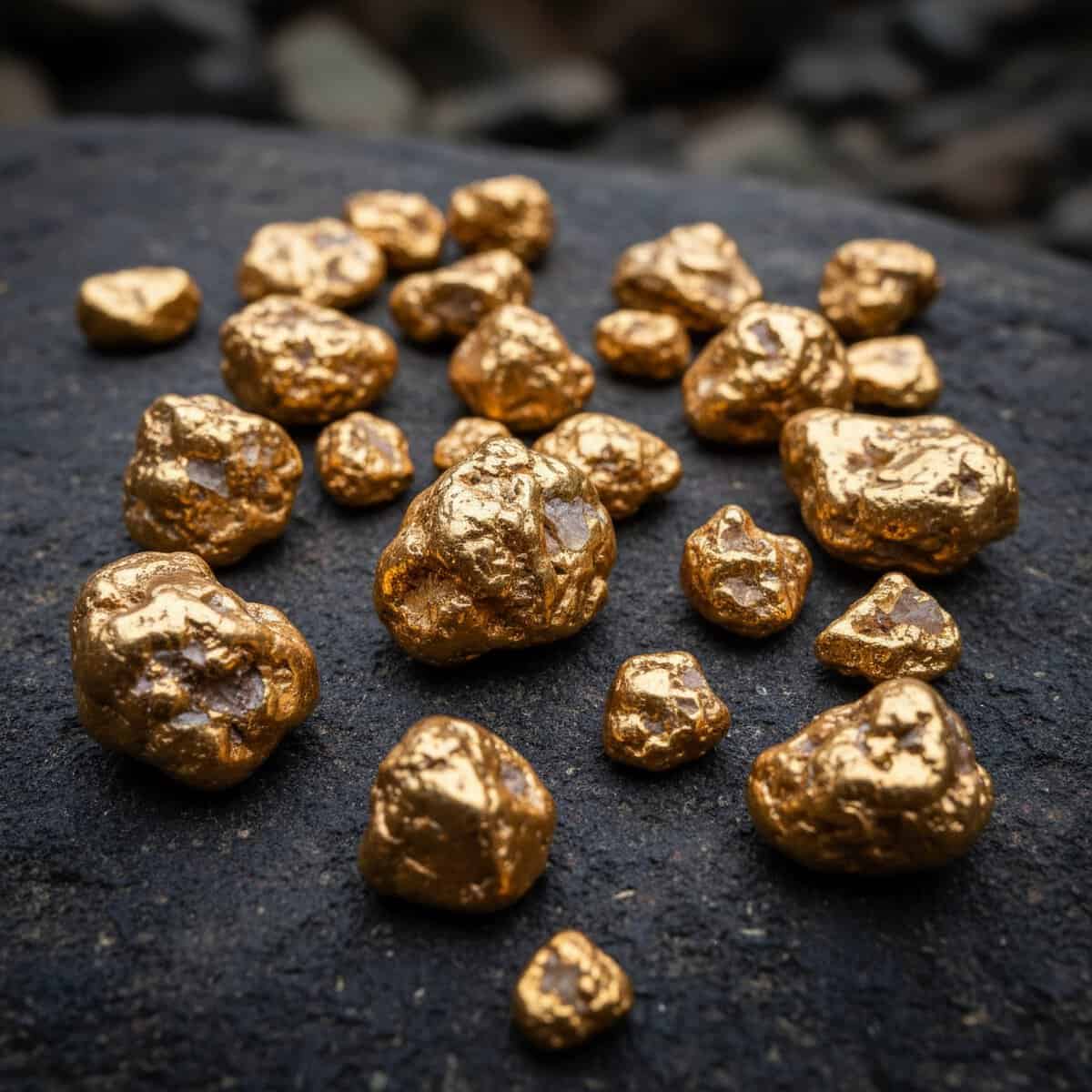
One of gold’s most remarkable qualities is its corrosion resistance. Ancient people watched other metals change over time.
Iron rusted, copper developed a green surface, and many ordinary materials eventually decayed.
Gold appeared different. Objects made from it could remain brilliant for generations, making the metal seem almost untouched by time.
For civilizations fascinated by immortality, this quality carried enormous symbolic meaning.
The gods were eternal, and gold seemed to possess a similar permanence.
It therefore became an ideal material for sacred objects, burial treasures, and statues representing divine beings.
Gold could survive long after the person who owned it was gone.
Its durability created the impression that it belonged to a world beyond ordinary human life.
2. Its Brilliant Color Resembled the Sun

Gold naturally reflects warm yellow light, creating an obvious connection with the sun.
For ancient societies, the sun was one of the most powerful forces imaginable.
It provided warmth, illuminated darkness, supported agriculture, and returned every morning with remarkable consistency.
Many civilizations worshipped solar gods or connected their highest deities with sunlight.
Gold became the perfect earthly representation of this heavenly brilliance.
Ancient Egyptians famously used gold in objects associated with divine and royal power, while solar symbolism appeared throughout their religion.
Other cultures developed similar associations between golden light and supernatural presence.
3. Its Rarity Made It Worthy of the Gods
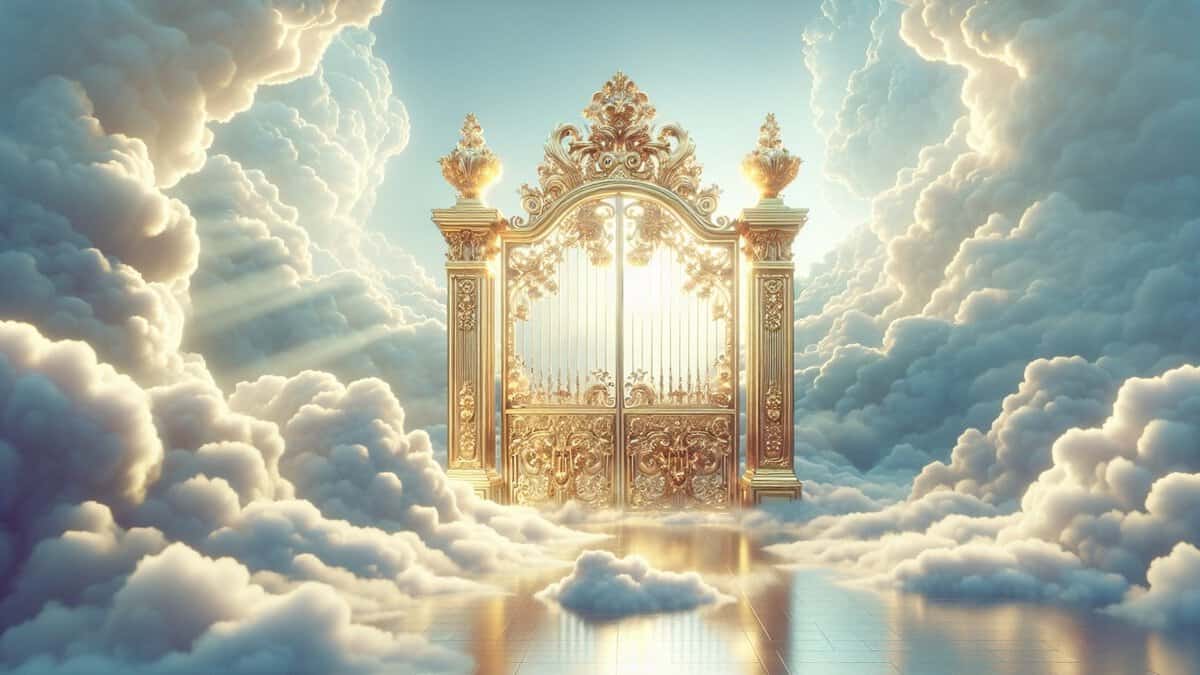
Gold was never an ordinary material. Finding and extracting it required considerable effort, and only limited quantities were available.
Rarity naturally increased its value. Ancient people often reserved their most precious materials for whatever they considered most important.
Temples, sacred objects, royal jewelry, and religious offerings therefore became obvious places to use gold.
Giving gold to a deity represented sacrifice because people were surrendering something genuinely valuable. The practice also separated sacred spaces from everyday life.
An ordinary household might contain objects made from common materials, while a temple could display brilliant golden decorations.
If the gods occupied the highest level of the cosmic order, people believed they deserved the rarest and most beautiful materials humanity could provide.
4. Ancient Kings Used Gold to Show Divine Authority
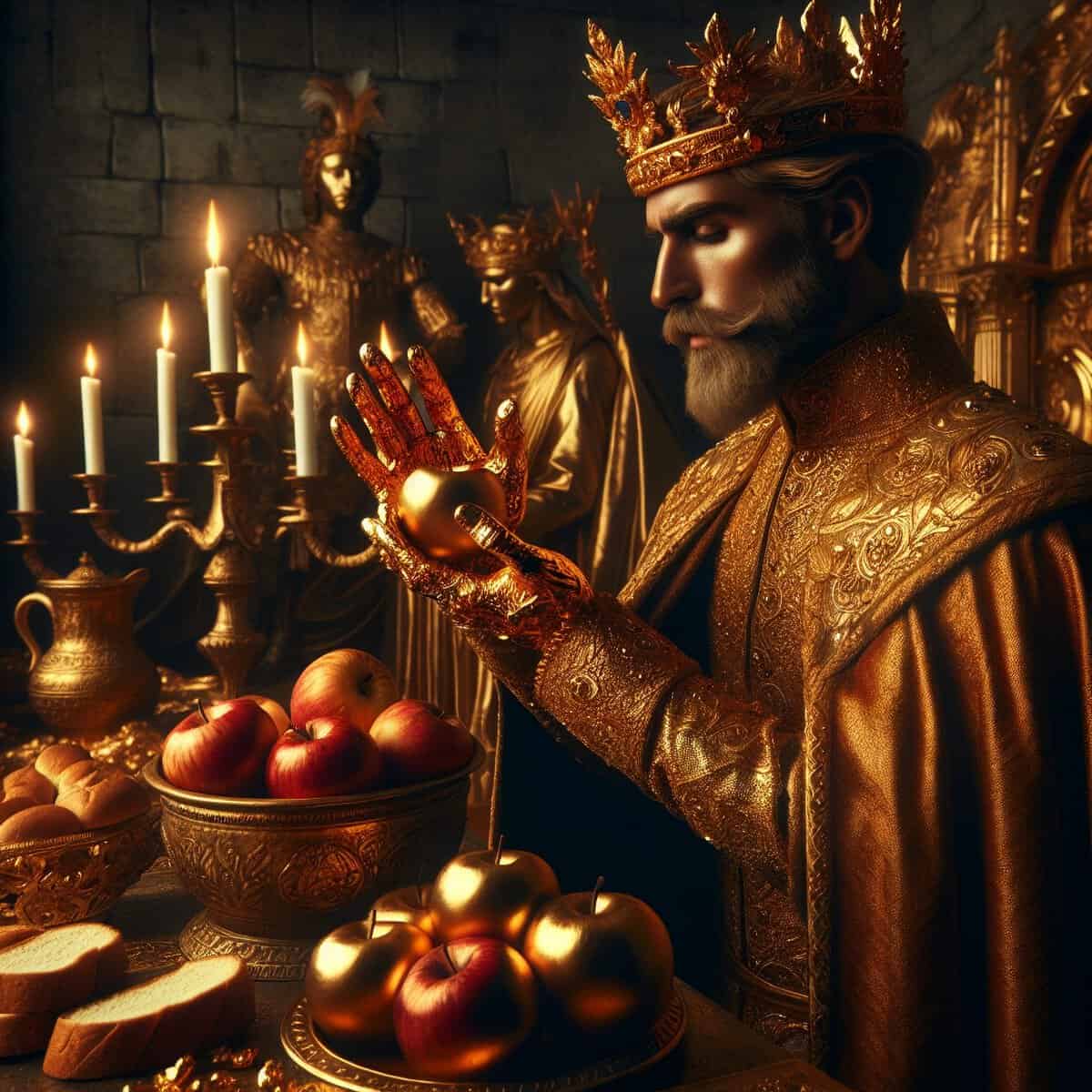
Throughout history, religion and kingship were often closely connected. Many rulers claimed that the gods had chosen them, protected them, or even given them a partly divine status.
Gold helped make those claims visible. Crowns, ceremonial jewelry, thrones, masks, and royal clothing decorated with gold separated rulers from ordinary people.
The message was easy to understand. The king did not look like everyone else because he was not supposed to occupy an ordinary position.
Egyptian pharaohs provide some of history’s most famous examples of this symbolism.
Royal burial objects covered with gold emphasized the pharaoh’s connection with the divine and the afterlife.
5. Gold Became Connected With Immortality

Human beings have searched for ways to overcome death for as long as stories have been recorded.
Gold naturally entered these beliefs because it seemed unchanged by time.
If the metal could resist decay, perhaps it represented the eternal existence humans hoped to achieve after death.
This idea became especially powerful in funerary traditions.
Golden masks, jewelry, decorations, and burial objects accompanied important individuals into tombs.
These treasures were not always placed there simply to demonstrate wealth.
Centuries later, alchemists would also become fascinated by gold and its symbolic relationship with perfection and transformation.
6. Sacred Statues Were Decorated With Gold
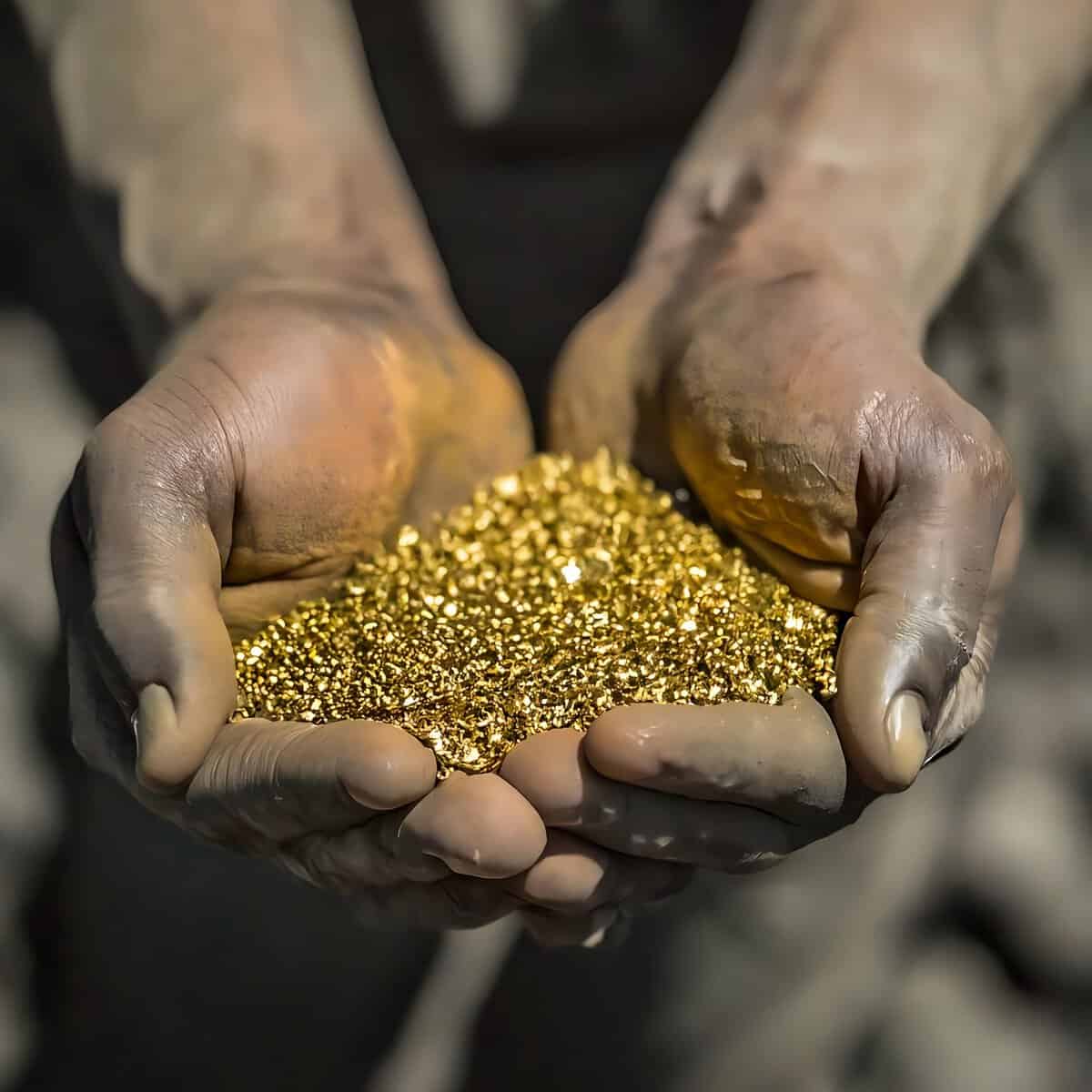
Ancient temples often contained images representing gods and goddesses. These statues were not treated like ordinary decorations.
Depending on the culture, they could become central objects of religious ceremony, receiving offerings, clothing, perfumes, and elaborate care.
Gold helped distinguish these sacred images from ordinary human representations.
Some statues were covered with gold leaf, while others contained golden details or ornaments.
The brilliance of the material created an impression of supernatural beauty.
Its brightness helped artists communicate a simple idea: the gods belonged to a realm more radiant and perfect than everyday human existence.
7. Gold Represented Purity and Perfection
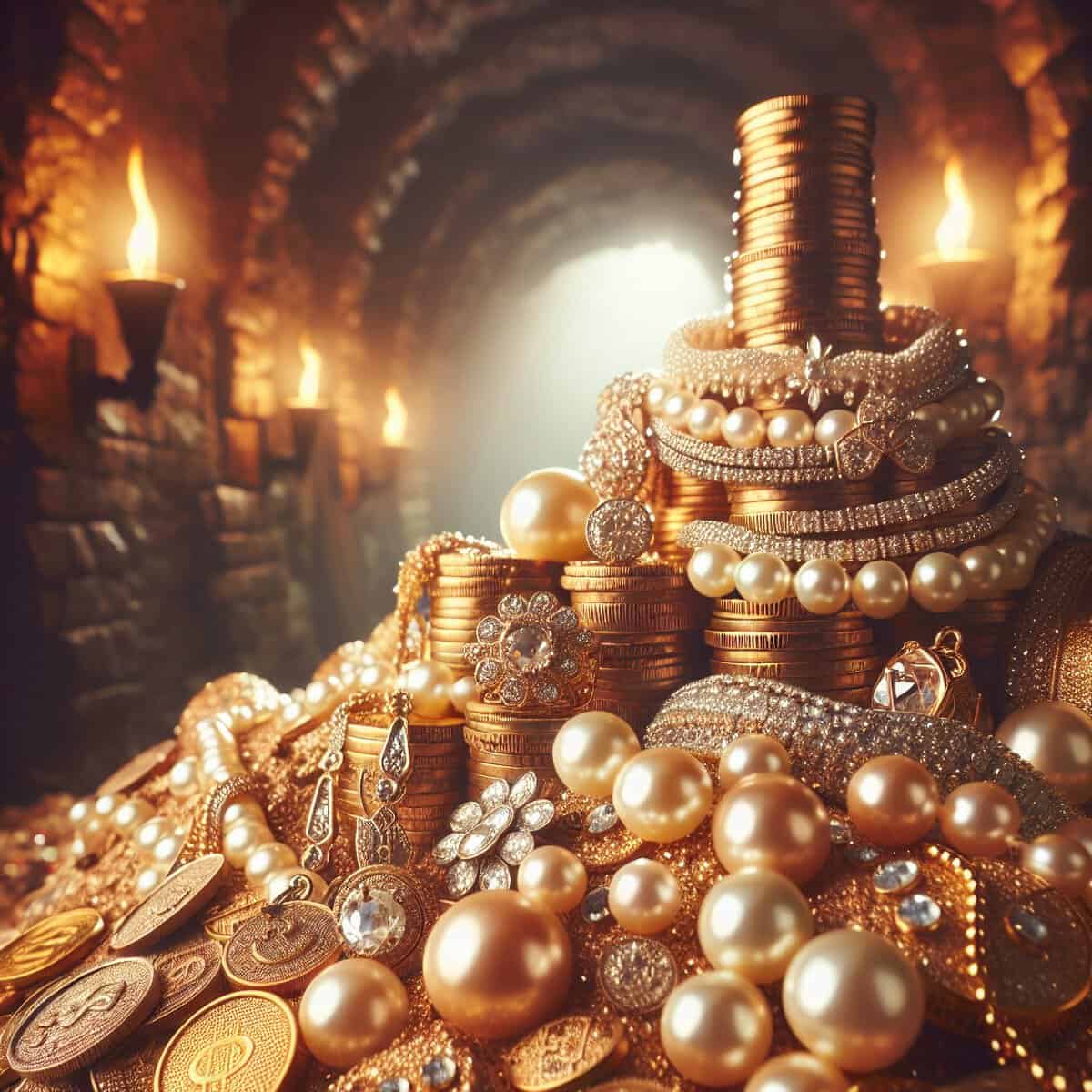
Gold’s unusual physical qualities also encouraged associations with purity. This made it useful as a symbol of spiritual perfection.
Gods were often imagined as beings existing beyond human weakness, aging, and decay.
Gold reflected those qualities better than almost any other material available.
Its value also increased when skilled craftspeople purified and shaped it into beautiful objects.
Transformation from raw material into brilliant jewelry or sacred artwork could itself suggest order emerging from nature.
Later religious and philosophical traditions continued using gold as a metaphor for something refined and perfected.
8. Thousands of Years of Sacred Use Strengthened Its Meaning
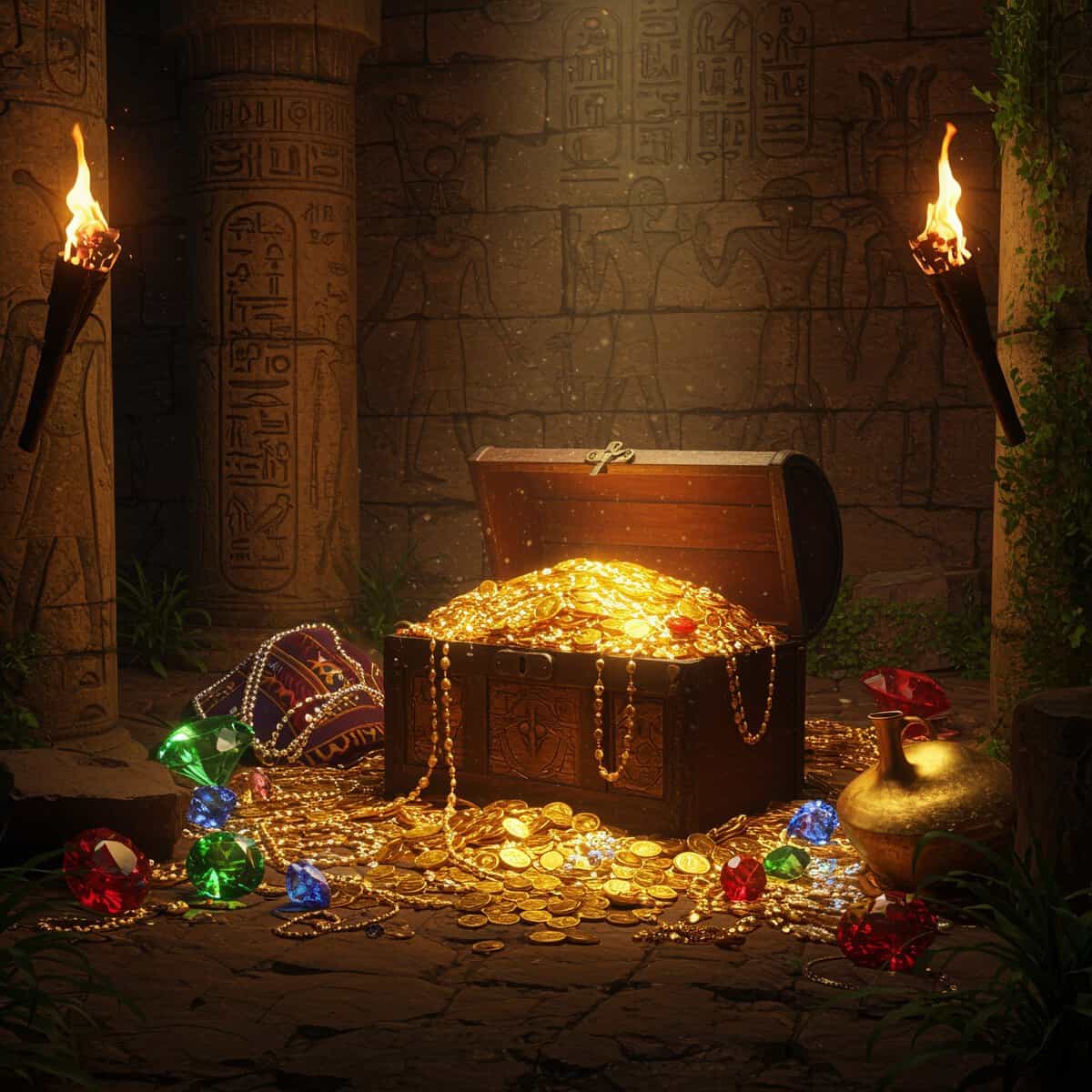
Once civilizations began connecting gold with gods and kings, the symbolism became increasingly powerful.
Every golden crown, temple treasure, sacred statue, and royal burial reinforced the same message.
Gold meant power. Gold meant holiness. Gold meant something beyond ordinary life.
New kingdoms inherited ideas from older civilizations, while trade allowed artistic and religious symbols to travel between cultures.
Even societies with very different gods could recognize gold as a material worthy of sacred use.
Eventually, its association with divine authority became so deeply established that later religions and monarchies continued using it.
Golden halos represented holiness in Christian art, while churches and sacred objects were decorated with the precious metal.
Royal crowns continued communicating authority through gold centuries after ancient empires disappeared.
Gold still represents achievement, excellence, wealth, and prestige. Behind those modern meanings lies something much older.

自出生以来,我一直感觉到自己与神灵有着紧密的联系。作为一名作家和导师,我的使命是帮助他人在最黑暗的时刻找到爱、幸福和内心的力量。