
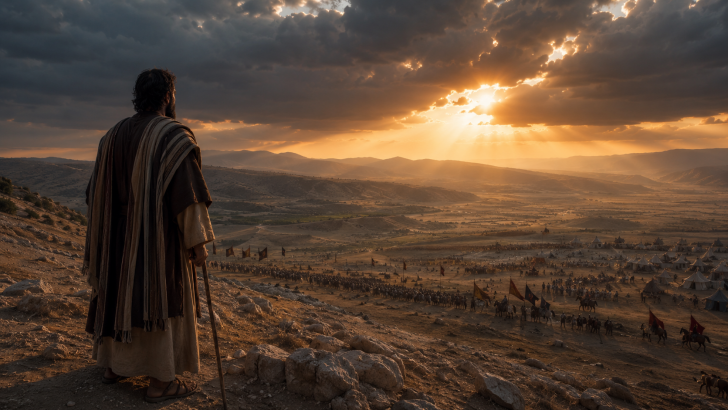
Few biblical words create images as dramatic as Armageddon. Today, the word is commonly used to describe almost any enormous catastrophe.
In biblical tradition, however, Armageddon has a much more specific origin.
The term appears in Revelation 16:16, where rulers are gathered to a place called Armageddon before the final conflict associated with God’s judgment.
The name is traditionally connected with “Har Megiddo,” often understood as the Mount or Hill of Megiddo.
Megiddo was an ancient location in northern Israel near an important route where several major battles took place throughout history.
Here are five major theories about what Armageddon means according to biblical tradition.
1. Armageddon Will Be a Literal Final Battle
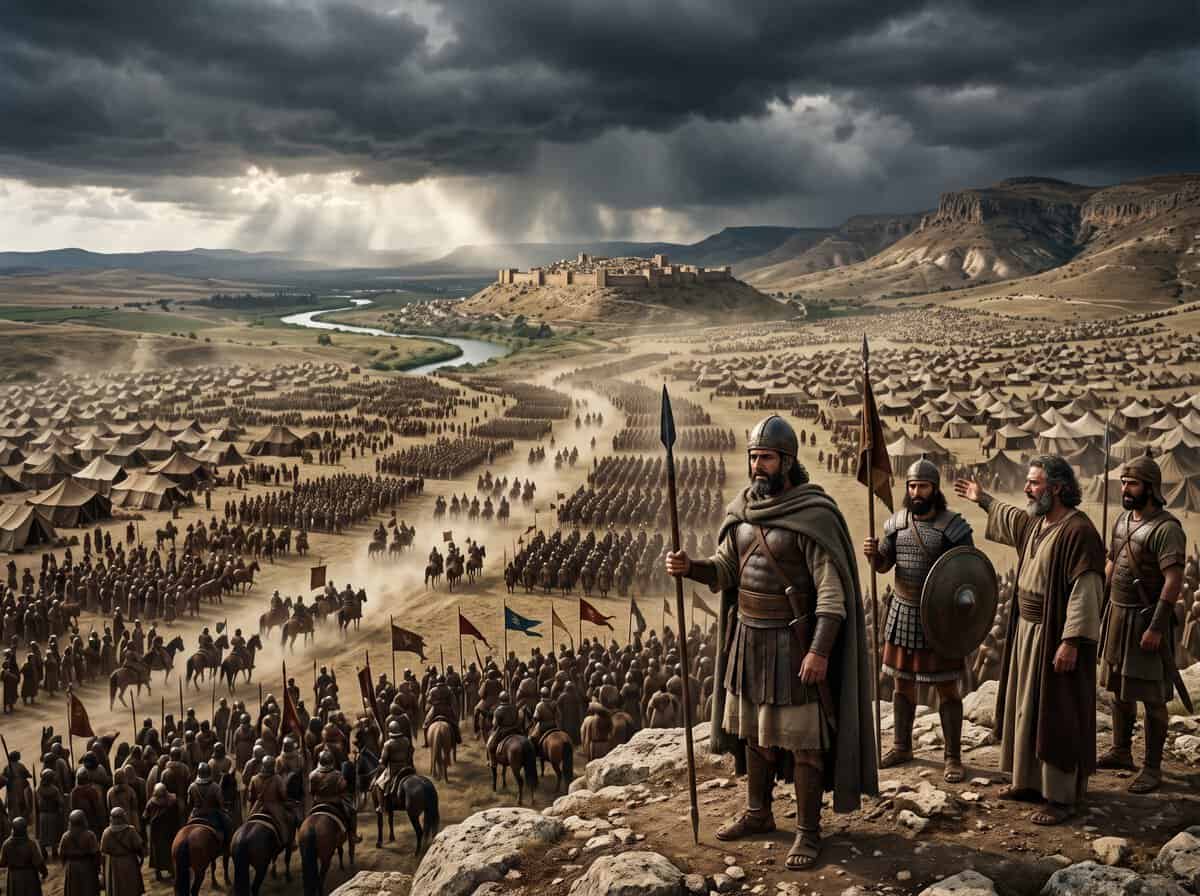
One of the most familiar interpretations views Armageddon as a real military conflict that will occur near the end of history.
Revelation describes rulers being gathered for “the battle on the great day of God Almighty.” They assemble at the place identified as Armageddon.
Readers who interpret biblical prophecy more literally often understand this as describing future political and military events.
Under this view, nations will eventually gather for a final confrontation connected with the return of Christ and divine judgment.
Other prophetic passages, particularly portions of Daniel, Zechariah, and Revelation, are sometimes connected with this interpretation.
Exactly how events will unfold differs greatly even among Christians who believe Armageddon is literal.
The central idea remains that human rebellion eventually reaches a final crisis before God’s victory establishes a new stage in the biblical story.
2. Armageddon May Symbolize the Final Conflict Between Good and Evil
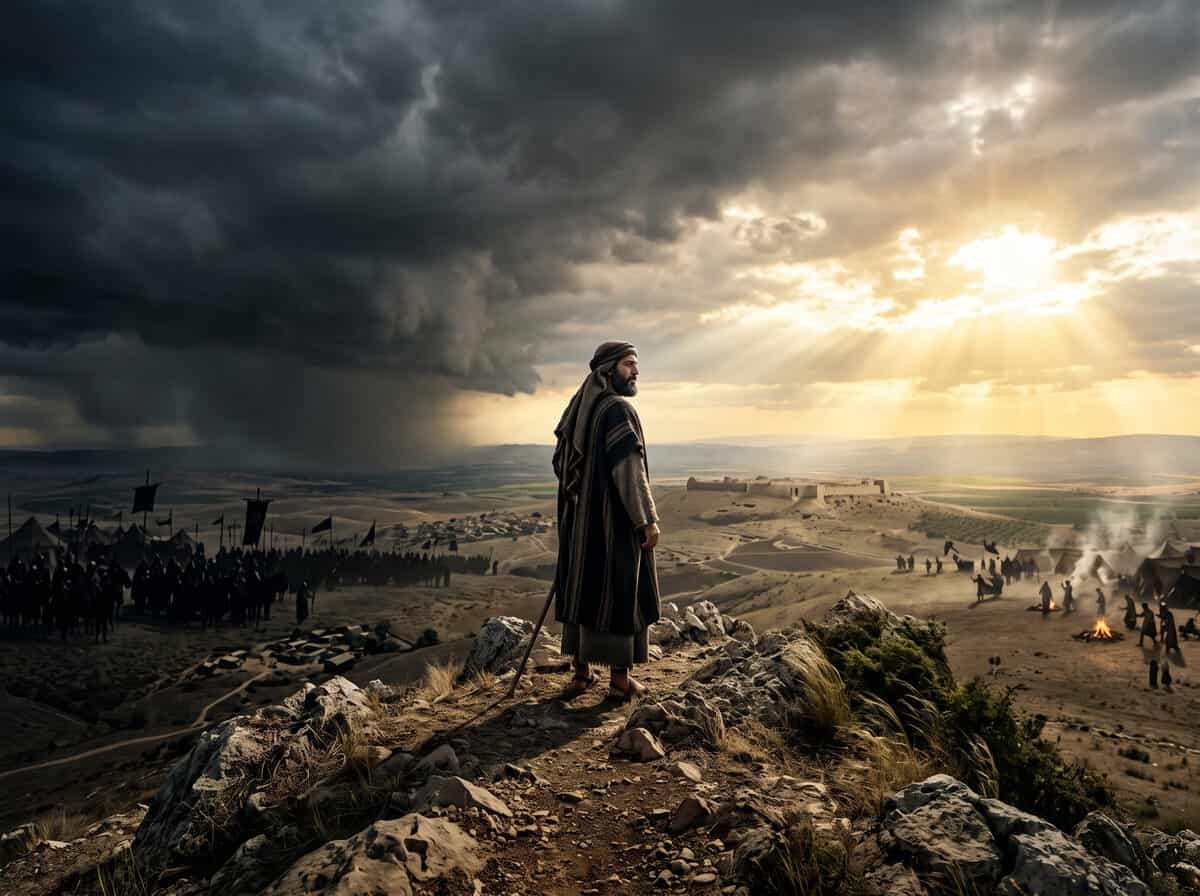
Not every interpretation expects armies to gather at one geographical location. Many readers understand Armageddon symbolically.
Revelation contains dragons, beasts, mysterious numbers, heavenly creatures, and other dramatic images.
Because the book frequently communicates through symbolism, Armageddon may represent something larger than one battlefield.
Under this interpretation, it symbolizes the ultimate confrontation between God’s kingdom and the forces opposing it.
The location of Megiddo would have been meaningful because the surrounding region was associated with famous conflicts from biblical history.
Using a place connected with battles could therefore communicate the idea of the ultimate battle without requiring every detail to be understood literally.
Armageddon then becomes the climax of a spiritual struggle that has existed throughout human history.
3. Megiddo Was Chosen Because of Its History of Warfare
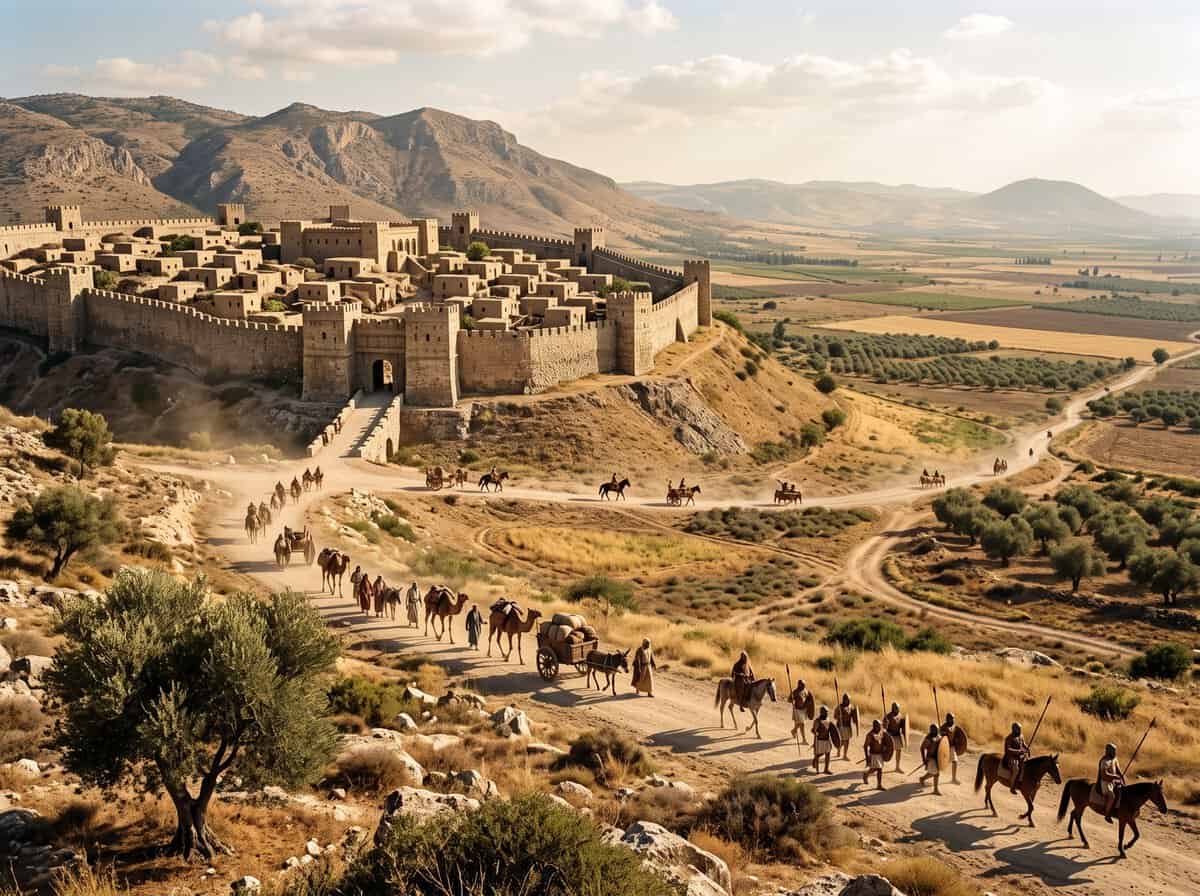
Another interpretation focuses on the historical importance of Megiddo itself.
The ancient city occupied a strategically valuable location overlooking routes connecting major regions of the ancient Near East.
Control of the area could provide significant military and economic advantages. As a result, battles occurred around Megiddo throughout history.
The Bible itself associates the region with important events. King Josiah, for example, was killed after confronting Pharaoh Necho near Megiddo, according to 2 Kings 23.
For ancient readers familiar with these memories, the name could immediately suggest warfare, national disaster, and turning points in history.
Revelation may therefore use Armageddon because Megiddo already carried powerful historical associations.
4. Armageddon Could Describe Divine Judgment Rather Than a Normal War
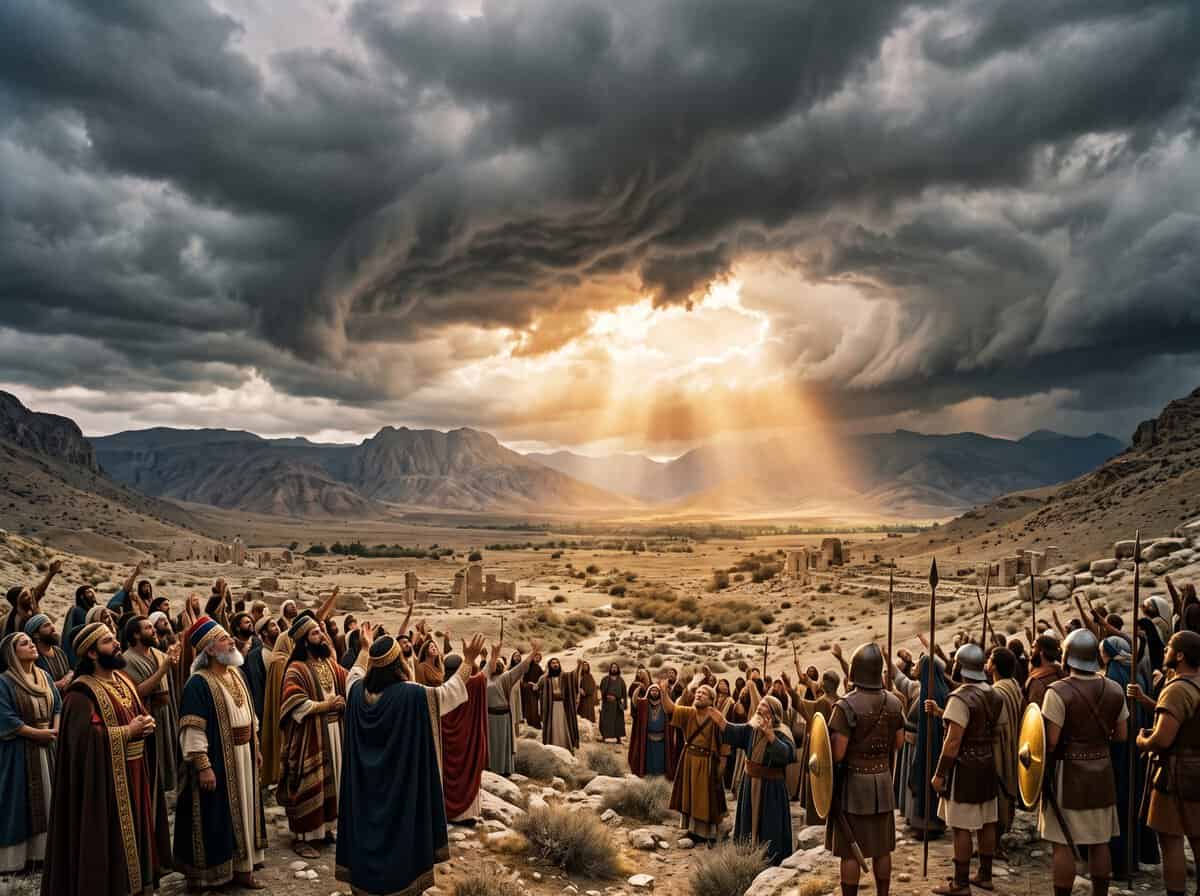
Another theory emphasizes that Revelation does not describe Armageddon as an ordinary battle between equally powerful opponents.
The rulers of the world may gather, but God’s victory is presented as decisive. This changes the meaning of the event.
Armageddon is not simply humanity’s largest military conflict. It represents the moment when rebellion against God reaches its limit, and divine judgment follows.
Revelation later describes another dramatic confrontation in chapter 19, where Christ appears as the victorious heavenly king.
Some interpreters connect this scene directly with the gathering mentioned at Armageddon.
From this perspective, the important question is not which modern nations might participate.
The theological message is that political power, violence, and opposition to God cannot ultimately defeat divine authority.
Armageddon therefore becomes a warning against trusting completely in earthly power.
5. Armageddon May Represent a Pattern That Repeats Until the End
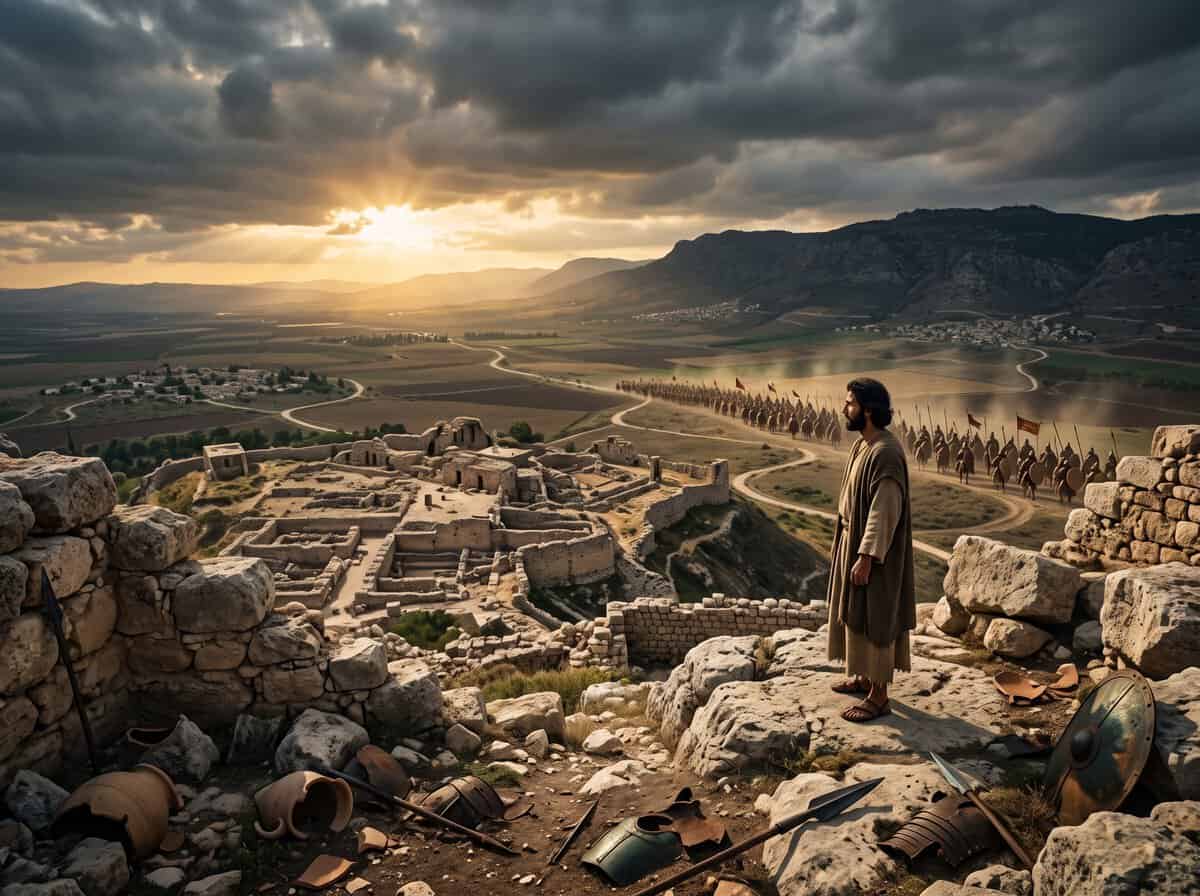
Some interpreters understand Revelation as describing patterns that appear repeatedly throughout history rather than providing only a chronological schedule of future events.
Under this approach, Armageddon represents the recurring conflict between oppressive earthly powers and God’s purposes.
Empires rise. Rulers claim enormous authority. People experience persecution, war, and injustice. Yet none of these powers lasts forever.
The original readers of Revelation lived under Roman rule and would have understood what it meant to exist beneath an empire claiming tremendous political and religious authority.
The promise of God’s eventual victory could therefore provide hope during persecution and uncertainty.
Armageddon, in this interpretation, has both a present and future meaning.
Every generation can recognize smaller versions of the struggle it represents, while Revelation points toward an ultimate resolution.
This interpretation also explains why the message has remained meaningful for nearly two thousand years.
Rather than encouraging believers to predict the exact date of the world’s end, Armageddon reminds them that evil, injustice, and human power are temporary.
Whatever interpretation someone follows, Revelation’s final message is ultimately not that destruction wins. It is that evil does not.

自出生以来,我一直感觉到自己与神灵有着紧密的联系。作为一名作家和导师,我的使命是帮助他人在最黑暗的时刻找到爱、幸福和内心的力量。