
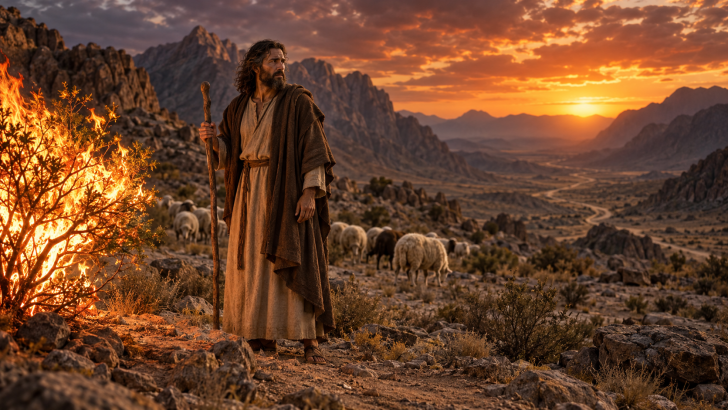
Moses did not immediately accept his mission. When God called to him from the burning bush, Moses had questions.
He worried about who he was. He wondered what he should tell the Israelites. He also said that he was not a good speaker.
At one point, Moses even asked God to send someone else. But eventually, he went. That decision changed the entire biblical story.
Moses returned to Egypt, confronted Pharaoh, led the Israelites out of slavery, and later received the commandments at Mount Sinai.
But what if he had completely refused? Here are five possibilities.
1. God Might Have Chosen Aaron Instead
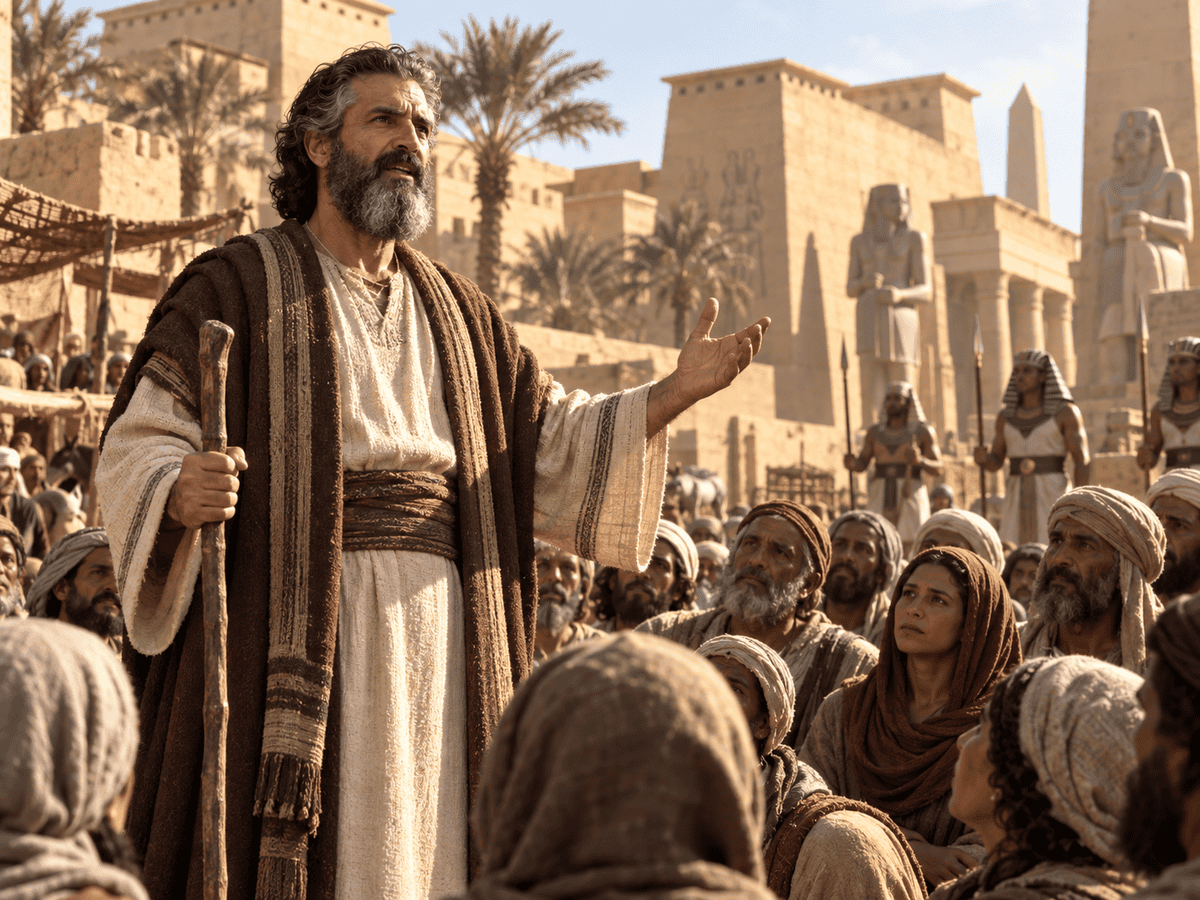
Aaron already plays an important role in Moses’ mission. When Moses says he is not a good speaker, God points to Aaron, his brother.
Aaron can speak for Moses. He later meets Moses and joins him in confronting Pharaoh.
So what if Moses had refused completely? Aaron seems like one possible replacement.
He already had a connection with the Israelites in Egypt. He could speak confidently, and he eventually became the first high priest of Israel.
But Aaron and Moses were very different leaders. Aaron sometimes struggled when placed under pressure.
The golden calf story is the clearest example. If Aaron was given the entire mission from the beginning, the Exodus story might have looked very different.
Still, Moses’ refusal probably would not mean that nobody else could ever be called.
Someone would have to step forward. Aaron would be one obvious possibility.
2. The Israelites Might Have Stayed in Egypt Longer
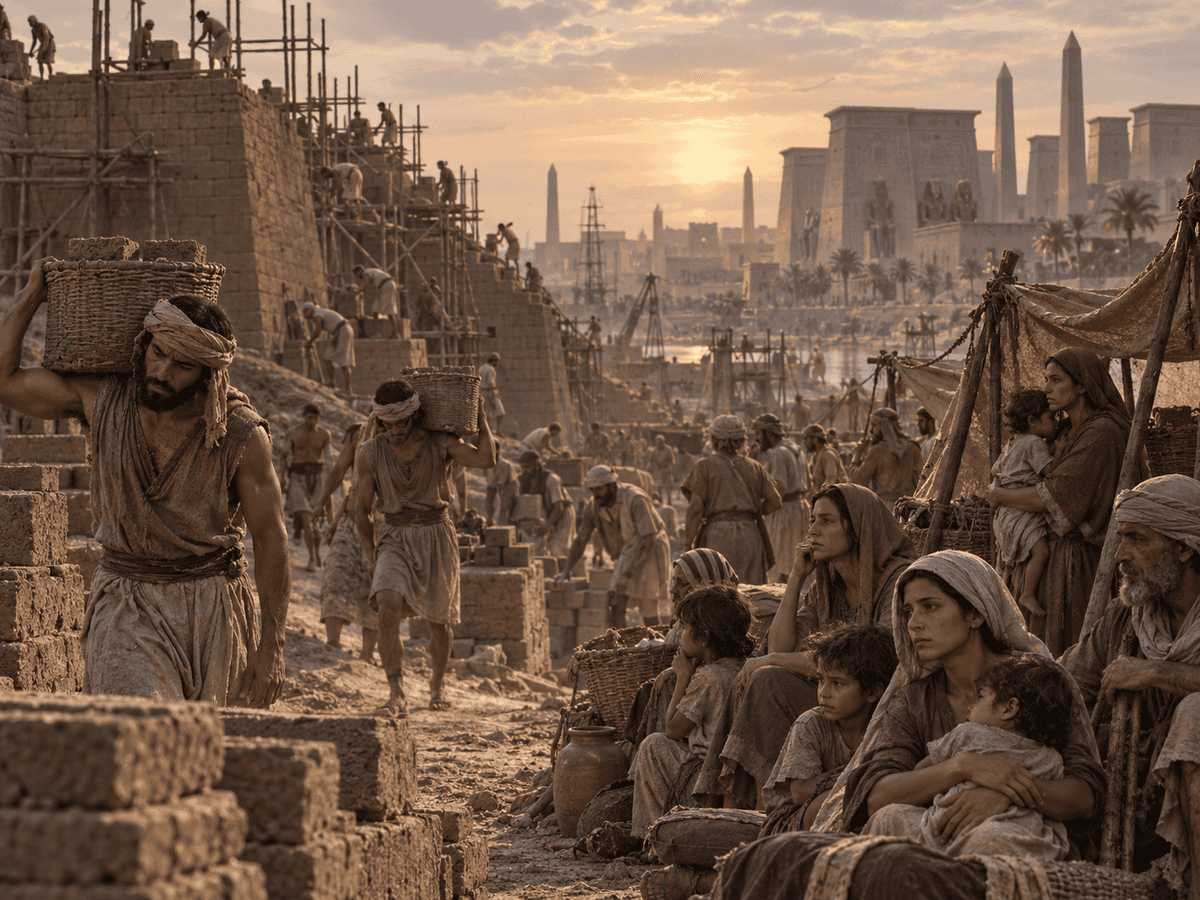
The Israelites were already suffering before Moses returned.
According to Exodus, God hears their cries and remembers his covenant with Abraham, Isaac, and Jacob.
Moses is then chosen to become the human leader of their deliverance. If he refused, the rescue might have been delayed.
Perhaps another leader would need time to appear. Maybe events in Egypt would develop differently.
The Israelites might remain under Pharaoh’s control for longer while that happened.
But the biblical story makes one thing clear. Their rescue is not presented as an idea Moses invented.
God is already planning to act before Moses agrees. That means Moses saying no would not necessarily end the plan.
3. Someone Else Might Have Confronted Pharaoh
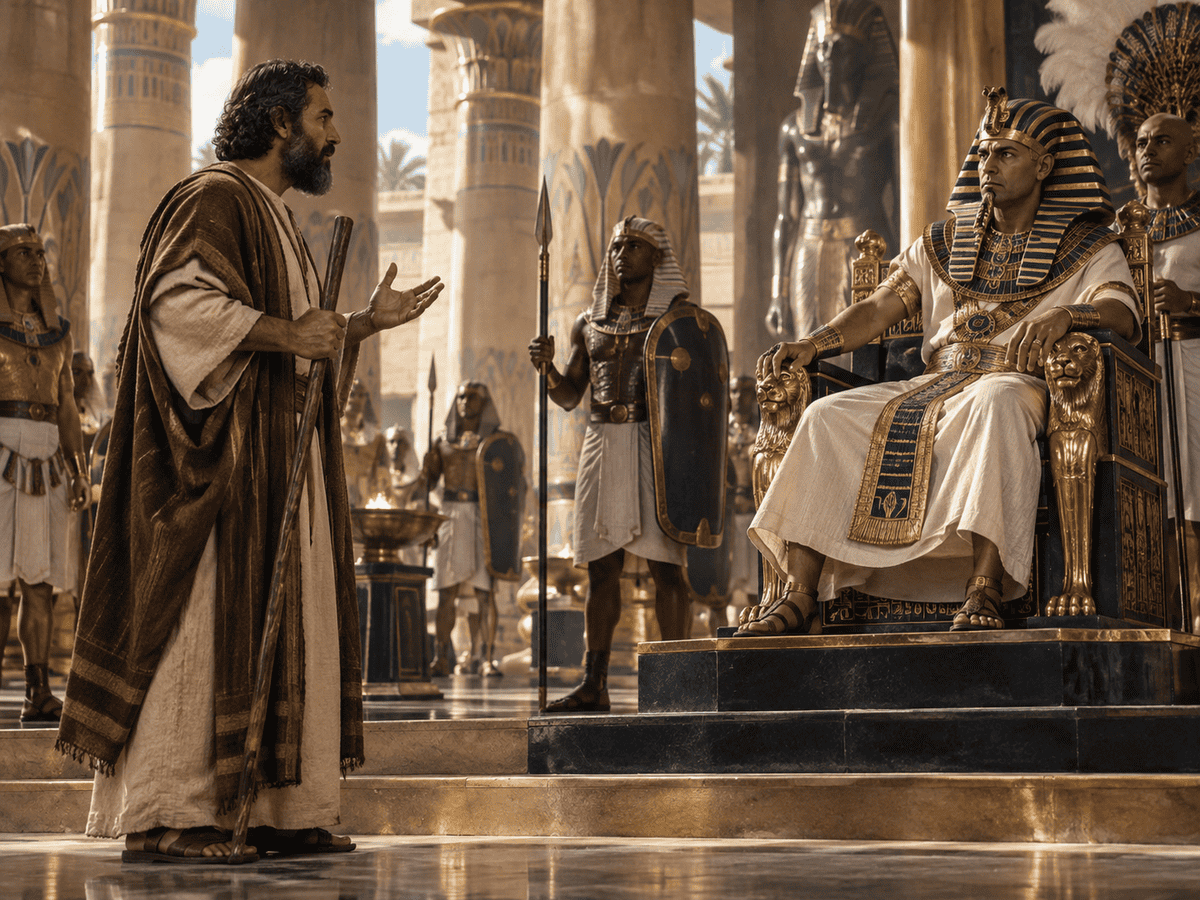
Moses and Pharaoh become the two human faces of the Exodus conflict.
Again and again, Moses goes before Pharaoh with the same demand.
Israel must be allowed to leave. Pharaoh refuses. The confrontation then grows more serious as the plagues unfold.
If Moses never returned to Egypt, someone else might have needed to stand before Pharaoh.
Maybe it would be Aaron. Perhaps another Israelite leader would be chosen.
Or God might act without using the same kind of human messenger at all. We cannot know.
But whoever replaced Moses would face an enormous task. This was not simply about delivering a message once.
Pharaoh repeatedly changed his mind. The leader needed courage to return again and again, even after being rejected.
Moses began the story unsure of himself. By the time he stood before Pharaoh, he was doing exactly what he once believed he could not do.
4. The Exodus Could Still Have Happened
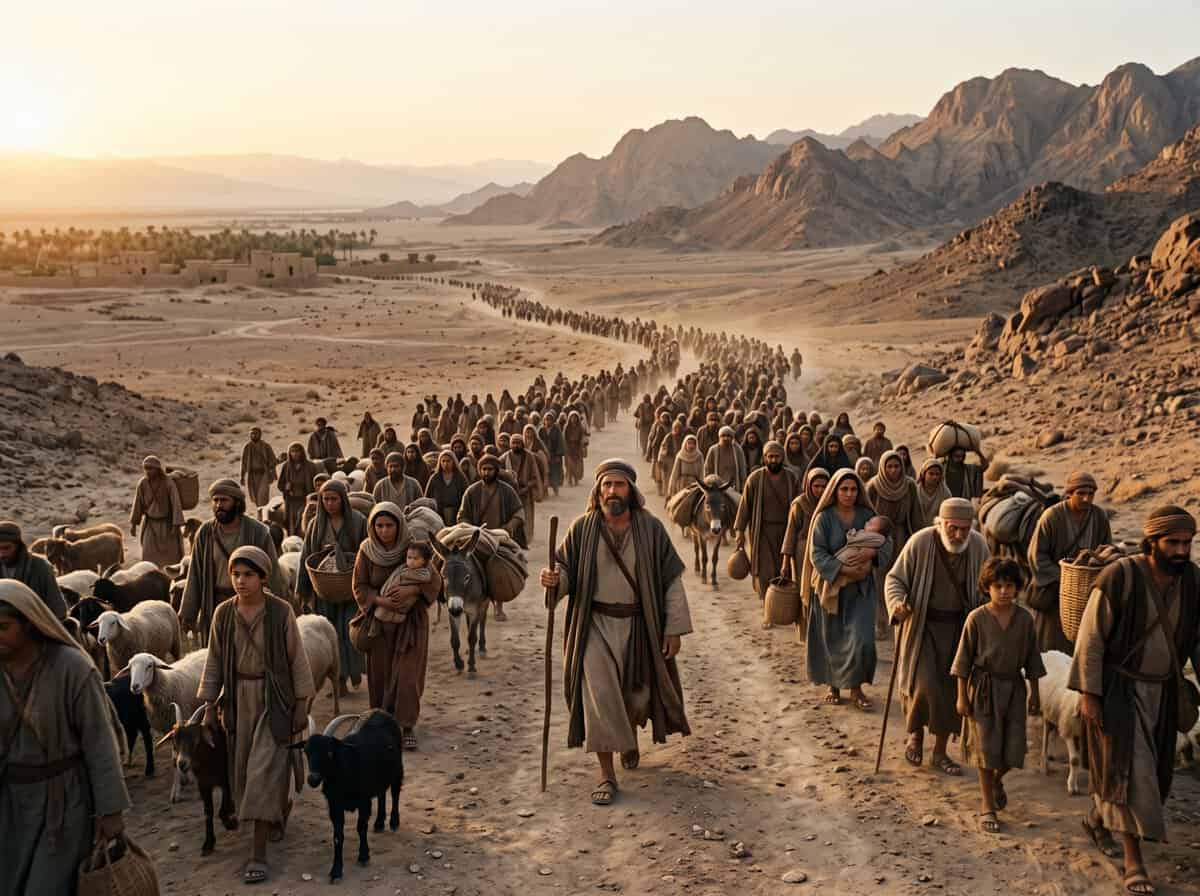
If Moses refused, would the Israelites still leave Egypt? Within the biblical story, probably in some form.
Exodus presents their deliverance as God’s decision, not something that depends entirely on one man’s ambition.
God tells Moses that he has seen the suffering of his people and intends to rescue them.
Moses is chosen to participate in that plan. This creates an interesting difference.
Moses is extremely important. But he is not presented as more powerful than the purpose he serves.
If he refused, another path could possibly be opened. The Exodus might happen later.
Another person might lead it. Some of the events might happen differently.
But Moses’ refusal would not mean that Pharaoh had defeated God’s plan. It would mean Moses chose not to be part of it.
5. Moses Would Have Lived a Much Quieter Life
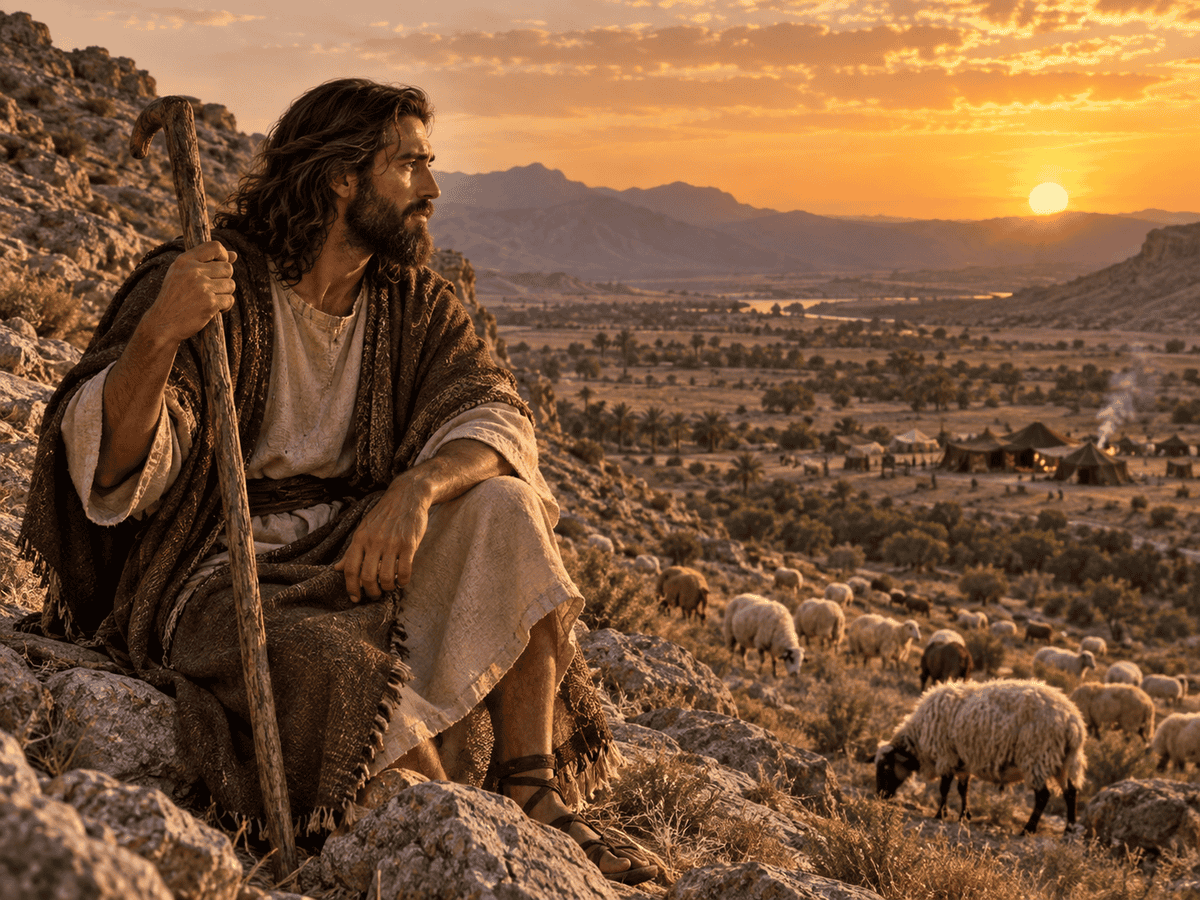
This might be the biggest change for Moses himself. Before the burning bush, he was living in Midian.
He had fled Egypt after killing an Egyptian who was beating a Hebrew. In Midian, Moses married Zipporah and worked as a shepherd.
He could have remained there. No confrontations with Pharaoh.
No journey through the Red Sea. No Mount Sinai. No years leading people through the wilderness.
His life would probably have been much quieter. But his place in history would also be completely different.
Moses becomes one of the most important figures in the Bible because he eventually accepts a mission he originally feels unprepared for.
That is what makes his hesitation at the burning bush so interesting. The story does not begin with a fearless hero saying, “Choose me.”
It begins with a man giving reasons why he might be the wrong person.
If Moses had finally refused, perhaps someone else would have led Israel out of Egypt.
But Moses himself might have remained a shepherd in Midian.
The man remembered for facing Pharaoh could instead have become the man who walked away from the call.

自出生以来,我一直感觉到自己与神灵有着紧密的联系。作为一名作家和导师,我的使命是帮助他人在最黑暗的时刻找到爱、幸福和内心的力量。