

Doing things 一个人 can be a huge problem for many people who are used to having friends or family around. However, this simple action means a lot in self-love and self-acceptance practices.
You will not always have people around who are willing to do things you wish to do, and this can cause you many setbacks and letdowns.
If you are someone who struggles to travel alone, go to a restaurant alone, or even go for a walk alone, there are practices you should embody if you want to become more independent.
Understand That Being Alone Doesn’t Mean You’re Lonely

Once you understand this, you will experience development in how you navigate your solitary moments and spend time with yourself. You will not confuse solitude with loneliness; you will learn how to find comfort within your solitude as opposed to being afraid of it.
Most individuals experience fear of silence due to not understanding their inner self and what that means for them, so therefore, if you want to grow through this process, you must be willing to embrace silence.
Also, the time you spend alone should be seen as “a chance to recharge” rather than seeing it as an “unwanted experience.” Start with small things, such as drinking your morning coffee or going for a short walk by yourself, to slowly build your comfort with being alone.
As you develop this comfort and learn more about your inner self, you will gain more clarity and emotional strength than when you started.
Start Taking Yourself On Small “Solo Dates”

One of the best methods for improving your ability to be on your own is to intentionally treat yourself to something you love doing (going to a café, a bookstore, or a cinema).
By taking yourself to do small activities alone (i.e., solo dates), you build your confidence by no longer needing to wait for others to go along with you to enjoy your own life. Initially, you may experience some discomfort.
However, this feeling will pass quickly. After a short time, you will begin to enjoy this experience and feel the freedom of having no obligations to others. You make all the choices (where to go, when to go, the atmosphere) and can do it without compromising.
You will learn how to love being with yourself, and as you gain more experience with this practice, your fears of being alone will go away.
Build Routines That You Enjoy Without Needing Anyone
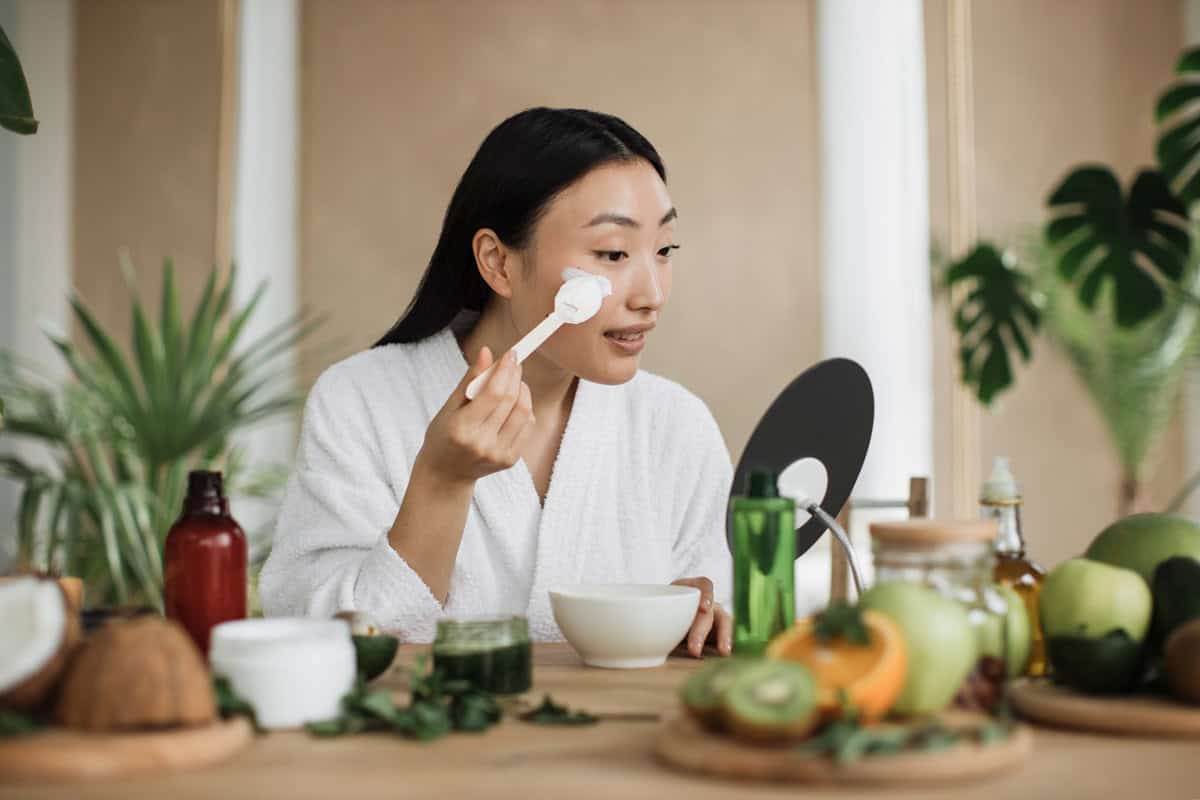
You can enjoy being alone. If you fill your routine with activities that you can do alone, it will be easier to feel good about yourself. Fill your routine with things you like, such as reading before bed, skincare, journaling, or making something you love to eat.
Creating a constant rhythm of doing these little things alone will help create stability and comfort in your life. Once you find happiness in your daily life, the urge to be around other people will lessen.
Having a routine gives you a sense of stability because you know what to expect, and it can reduce some of the anxiety you have concerning your solo life.
Your life should be enjoyable when you are alone, so you feel confident in yourself and can be independent. Solitude should be a place of safety, not a place you want to avoid.
Learn to Enjoy Quiet Moments Without Distraction
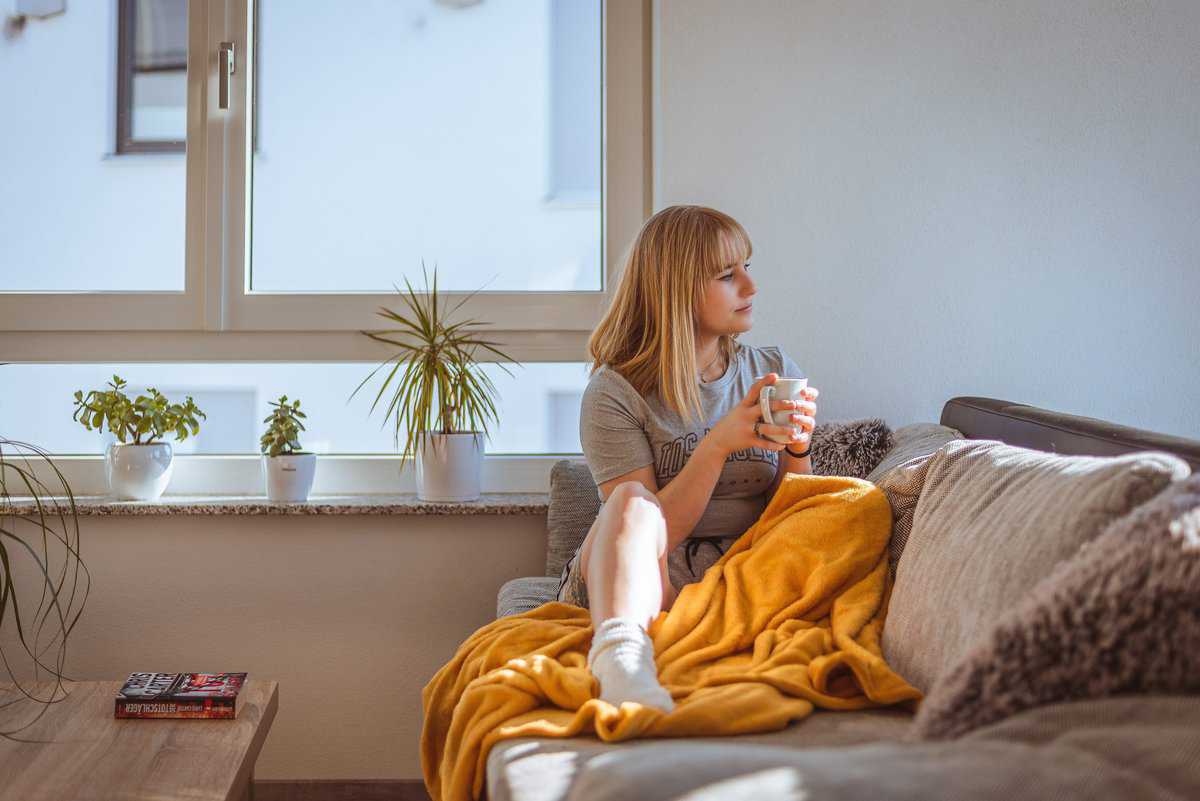
Many try to avoid solitude by staying busy with sound: scrolling, texting, etc. To develop your ability to be alone, sit quietly without trying to distract yourself.
Try sitting quietly and breathing for 5 minutes, or just sitting by a window and looking out. Those quiet times will help you connect with your inner self.
When you are connected to your inner self, you will better understand your needs without outside influences. Over time, the ability to be quiet and still will build your capacity to handle life’s ups and downs, helping you feel comfortable with yourself.
Strengthen Your Self-Relationship Through Reflection

It is easier to be okay with spending time alone if you have a better understanding of who you are. You can learn about your feelings, wants, and fears by taking time to reflect.
Look into journaling, meditating, or talking about what you want to accomplish. Once you learn how to tell yourself the same things that you would tell a friend when communicating about your goals, it will help you cope with how overwhelming your inner world can be at times.
Reflection will also allow you to identify unhealthy patterns, heal from your past, and recognize your positive attributes (strengths). As you gain trust in yourself through this process, you will find that going within no longer feels uncomfortable and is now seen as a source of inner peace.
Instead of turning to others for validation from the outside, you will learn how to trust and listen to yourself. Having clarity from your inner self allows you to use your time alone as a source of therapy or emotional release.
Celebrate Small Wins When You Do Things Alone

Acknowledge your successes when you achieve something independently, whether it’s large or small. You might celebrate finishing an errand on your own, going out for a meal alone, or traveling to a new location.
Small victories like these can help build confidence by confirming how capable you really are. As you achieve more and more independence, the fear of solitude fades away.
And it’s important to recognize all these accomplishments, as they help foster positive feelings about independence. Over time, the mindset of “I can’t do it by myself” transforms into “I love doing things by myself.”
The aim is your empowerment: learning that being with yourself is, and always has been, enough.

Born and raised in Bosnia and Herzegovina. Ever since I was a little girl, my imagination knew no bounds. I remember vividly how I’d scribble down short stories, each page bursting with adventures and characters conjured up from the whimsy of my mind. These stories weren’t just for me; they were my way of connecting with my friends, offering them a slice of my fantasy world during our playtimes. The joy and excitement on their faces as we dived into my fictional realms motivated me to keep writing. This early passion for storytelling naturally evolved into my pursuit of writing, turning a childhood hobby into a fulfilling career.