
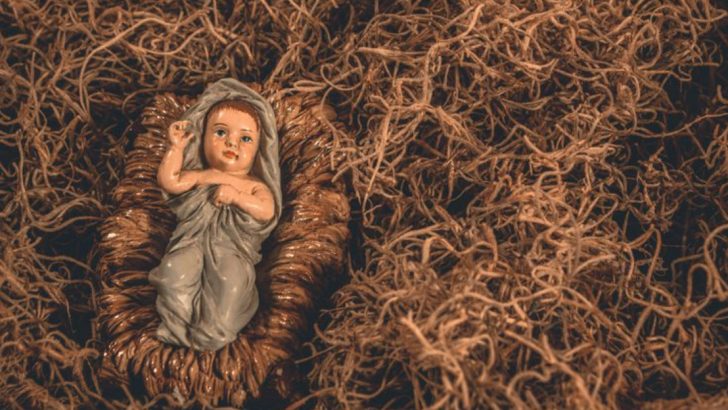
Think you know Christmas inside and out? Many of the stories we grew up repeating are charming, but not exactly true.
Once you peek behind the tinsel, the real origins are more fascinating than the myths themselves. Ready to separate cozy legend from credible history and enjoy the season with sharper insight?
1. Christmas Trees Are a Christian Tradition

You have probably heard that Christmas trees began as a purely Christian tradition. The truth reaches further back. Ancient Egyptians and Romans used evergreen branches to symbolize life during winter, long before the holiday took shape. Germany in the 16th century popularized decorated indoor trees, blending faith, folklore, and festivity.
So when you hang ornaments, you are joining a patchwork of old customs reimagined. It is not about crediting one culture, but appreciating continuity. The tree stands as a winter symbol of endurance, renewed hope, and beauty that traveled across centuries and beliefs.
2. Jingle Bells Is a Christmas Song

You might hum Jingle Bells while trimming the tree and assume it is a Christmas original. Actually, it began as One Horse Open Sleigh, composed in 1857 for a Thanksgiving church program in Massachusetts. Its wintertime romp and sleigh imagery later made it a seasonal favorite beyond November.
So when you belt the chorus, you are echoing a Thanksgiving tune that migrated. The song’s cheer fits both holidays. It proves how festive music travels wherever people gather, snow falls, and laughter carries over jingling harness bells.
3. Poinsettias Are Poisonous

Heard that poinsettias are deadly? That myth stuck like glitter, but it is misleading. Poinsettias can cause mild irritation if chewed, yet they are not dangerously toxic for people or pets. Most exposures result in minimal symptoms like mild stomach upset or skin irritation, not life-threatening poisoning.
You should still keep plants out of nibbling reach and practice common sense. But you do not need to banish them from your mantel. Enjoy the brilliant bracts, water sensibly, and relax knowing the real risk is low compared to the legend.
4. Santa Claus Lives at the North Pole

The North Pole workshop feels iconic, but it is a literary address, not a historical one. Saint Nicholas originated as a 4th-century bishop in Myra, modern Turkey, with traditions spreading through Europe. Nineteenth-century writers and illustrators later placed Santa at the North Pole, a remote, magical backdrop perfectly suited for mystery.
Knowing this, you can still mail your wish list northward with a smile. The location is a storytelling device that keeps Santa beyond ordinary maps. It protects wonder while giving children a place to imagine bustling elves and whirring toys.
5. Jesus Was Born on December 25th
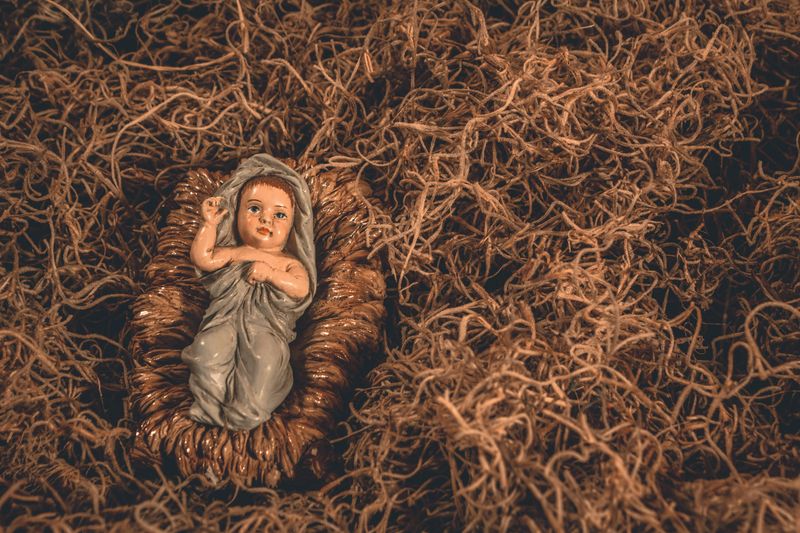
Many of us grew up marking December 25 as Jesus birthday. Yet the Bible does not specify a date. Early Christians did not even celebrate Christmas at first, and the chosen date emerged centuries later, possibly aligning with Roman festivals or symbolic winter themes. The timing is devotional, not documentary.
Knowing this does not dim the holiday spirit. It invites you to value meaning over exact chronology. The celebration honors a story of hope and light in dark seasons, whether the birth happened in spring, autumn, or winter. Tradition, not certainty, set the calendar.
6. Candy Canes Are Shaped Like a Shepherd’s Staff

Many explain candy canes by pointing to shepherds in the nativity scene. The story is sweet, but production tells a different tale. The hook makes it easy to hang canes, package them, and prevent breakage. Early candy makers likely bent the sticks for practical reasons long before layered symbolism took hold.
That does not ruin the charm. You can still enjoy peppermint stripes and festive hooks on your tree. Just know you are savoring clever confectionery design, later wrapped in meaning by imaginative storytellers and marketers.
7. Xmas Removes Christ From Christmas

Seeing Xmas might feel like trimming Christ from Christmas, but the X is not a delete key. It represents Chi, the first letter of Christos in Greek, used in sacred abbreviations for centuries. Monks and printers adopted it long before texting existed, conserving space while honoring the name of Christ.
So you can read Xmas as a historical shorthand, not a slight. Context matters. When your aunt writes Xmas cards, she may unknowingly echo ancient Christian scribes rather than secular shortcuts.
8. Mistletoe Kissing Came From the Druids

Druids revered mistletoe as a sacred plant, harvesting it with ritual care. But the kissing custom likely traces to Norse mythology, where reconciliations and promises under mistletoe grew into affectionate traditions. Victorian society later shaped the playful rules we follow at parties, blending folklore with etiquette.
When you pause beneath the sprig, you are standing under layered stories, not a single origin. The plant’s mystique met romance and merriment over time. That fusion turned a winter green into the season’s favorite icebreaker.
9. The Polar Express Is Based on a True Story

The Polar Express feels so vivid that you might swear it happened to someone real. It did not. Chris Van Allsburg wrote the 1985 picture book as a work of fiction, using luminous art and a quiet narrative to capture childhood wonder. The film adaptation amplified the dreamlike journey with cinematic spectacle.
Your nostalgia is valid even if the trip never left the page. The story is true to emotions, not events. It reminds you belief often begins where timetables end and imagination takes the last seat.
10. All Christmas Elves Are Tiny

Picture book workshops made tiny elves standard, but older folklore is more flexible. Elves have appeared as human-sized helpers, mischievous neighbors, and household guardians across cultures. The miniaturized version gained traction in 19th-century art and advertising, especially alongside Santa’s factory fantasy and toy-scale whimsy.
So when you imagine elves, you are free to resize them. Folklore does. They can be tall as you, small as a spool, or something in between. The myth’s magic lies in versatility, not inches.

Lover of good music, reading, astrology and making memories with friends and spreading positive vibes! 🎶✨I aim to inspire others to find meaning and purpose through a deeper understanding of the universe’s energies.