

Across many cultures, there is a quiet belief that the first person to step through your door on the first day of January shapes your luck for the entire year.
This idea is often called first footing. It may sound small and almost silly at first, yet people have held on to it for centuries.
It shows how much humans love symbols and how comforted we feel when traditions help us step into the unknown.
The new year can feel like a clean page, and the first foot that enters your home becomes a hopeful mark at the very top of it.
The Ancient Roots of First Footing

The idea of first footing did not appear overnight. It can be traced back to old European customs, especially in Scotland and Northern England.
These areas had long winters and limited sunlight, so the start of January felt like an important moment.
People believed that certain signs could influence the success of their crops, their health, or the overall fortune of their families.
The first person to enter the home after midnight was seen as a symbol of the coming year, almost like a messenger who carried hints of the future.
Many families paid attention to the timing as well. The moment after midnight was thought to be delicate.
Old beliefs said that spirits and energies moved freely during this shift from one year to another.
As a result, the very first figure who crossed the threshold mattered. There was a sense that this act sealed the home for the next twelve months.
In some early communities, people even chose their first footer before the new year began. If a family knew someone they considered lucky, they might ask that person to visit them just after midnight.
It was a way to invite positive energy and create a feeling of control in a world that often felt uncertain.
The Qualities of a Lucky First Footer
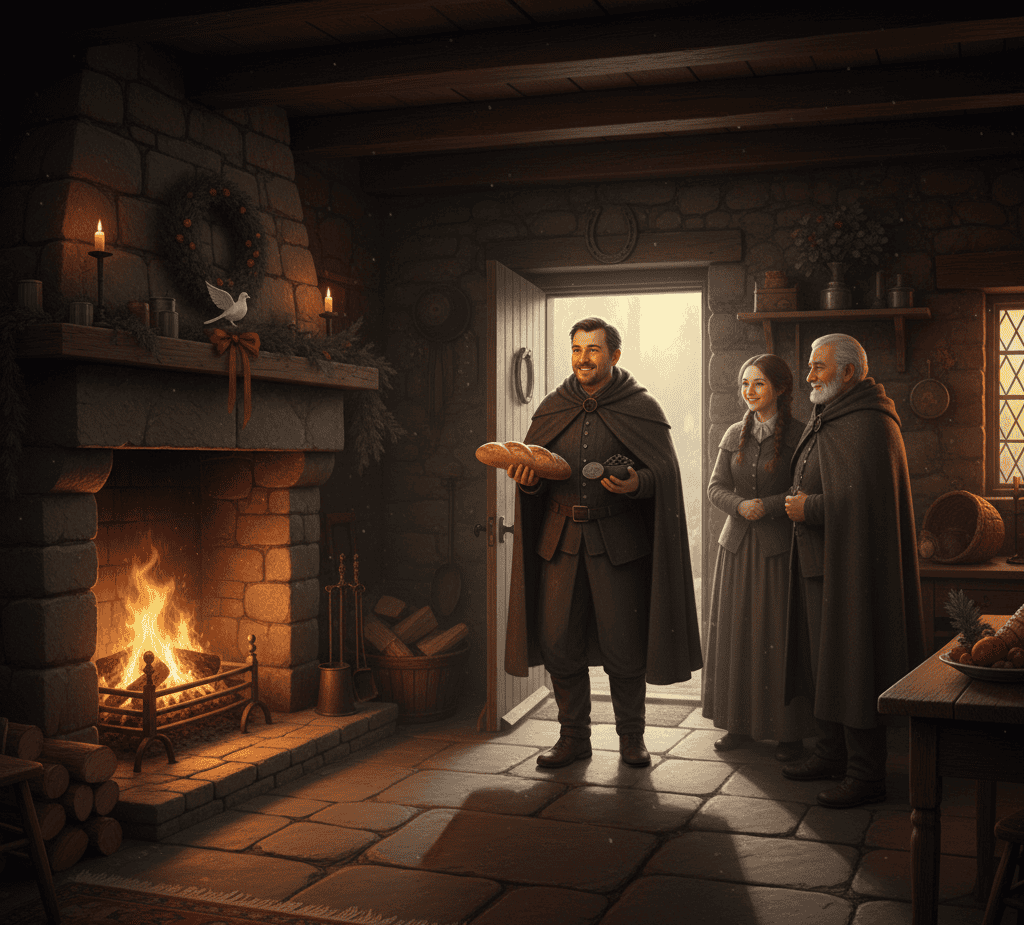
Different regions had their own ideas about the perfect first footer. In places like Scotland, the most traditional first visitor was a dark-haired man carrying a small gift.
The gift did not need to be expensive. Something simple like a piece of coal, a coin, or bread was enough.
Each of these items represented something a family hoped to have in the coming year.
Coal suggested warmth and comfort. Bread symbolized food and stability. A coin represented financial luck.
People also believed that some qualities of the first footer could influence the home. A cheerful person was thought to bring joy.
A generous person brought kindness. Someone who arrived with calm energy was seen as a sign of peace. The idea was not about judging people.
Instead, it was a way to express values and hopes for daily life. The first footer became a living symbol of the kind of year people wanted to experience.
There were also gentle warnings in some traditions. For example, it was sometimes seen as unlucky if the first visitor arrived empty-handed.
This was not because the visitor did anything wrong. The belief simply encouraged the sharing of small gifts and reminded people of the importance of giving.
In this way, the tradition pushed communities toward generosity at the very moment the year began.
Today, many families still enjoy carrying a token when visiting someone on New Year’s Day. It may just be a sweet treat or a handmade card, yet the gesture keeps the old meaning alive in a modern way.
Why This Tradition Still Matters Today

Even though fewer people believe in superstitions, the idea of first footing remains popular in many places. The reason is simple.
It offers a warm way to connect with others. When someone walks through your door at the start of January, it creates a moment of welcome and friendship.
It reminds people that the new year does not need to begin with big goals or pressure. It can begin with a smile at the doorway and a shared hope for good days ahead.
The tradition also helps families pass stories down to younger generations. A grandparent might explain how their parents waited for the perfect first visitor.
A mother might describe how her family always shared a loaf of bread on the first morning of the year. These small memories keep cultural threads alive.
They show children that traditions do not have to be grand to matter. What matters is the feeling they create.
First footing can also be a way to slow down. Modern life moves fast, especially during the holidays.
The simple act of pausing at your door, greeting the first visitor, and sharing tea or a small treat can feel grounding.
It invites people to breathe, connect, and step into the year with intention. The new year often comes with pressure to improve yourself.
This tradition offers something gentler. It says you can begin the year through human connection instead of stress.
Even in places where first footing is not widely known, people enjoy creating their own version of it. Some friends meet early in the morning and share their first coffee of the year.
Others visit a neighbor just to say a warm hello. These small acts echo the heart of the old belief, even if the original rules are not followed. It shows that traditions can change while still keeping their spirit.
The Lasting Charm of the First Step
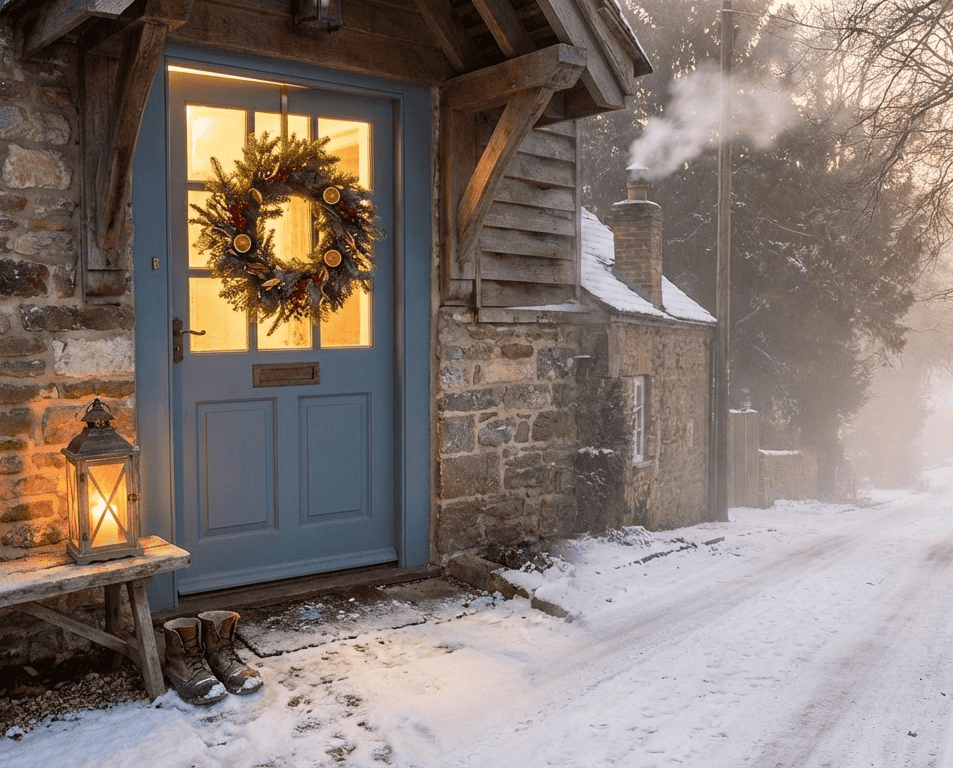
What makes first footing so charming is its simplicity. It does not require decorations or large events.
It focuses on one door, one step, and one person bringing good wishes.
In a world filled with noise, this quiet custom feels refreshing. It gives people a reason to start the year with kindness, connection, and a bit of playfulness.
It also reminds us that humans have always looked for signs when facing the unknown. The new year can feel exciting and uncertain.
People want to believe that the first moment of the year can shape what follows. First footing captures that mix of hope and curiosity.
Even if someone does not believe it literally, the act still feels meaningful. It adds color to the start of the year in a way that simple fireworks or countdowns may not.
Most of all, the tradition celebrates togetherness. Whether the first footer is a close friend, a neighbor, or a family member, the moment feels warm.
It creates a shared memory that lasts. Years later, people often recall who stepped into their home and how that first morning felt.
Traditions that create memories tend to stay alive for a long time.
As the world continues to change, rituals like first footing help us stay connected to the human desire for fresh beginnings.
They remind us that the new year is not only about time passing. It is about stepping into a space of hope and welcoming whatever comes next.

自出生以来,我一直感觉到自己与神灵有着紧密的联系。作为一名作家和导师,我的使命是帮助他人在最黑暗的时刻找到爱、幸福和内心的力量。