
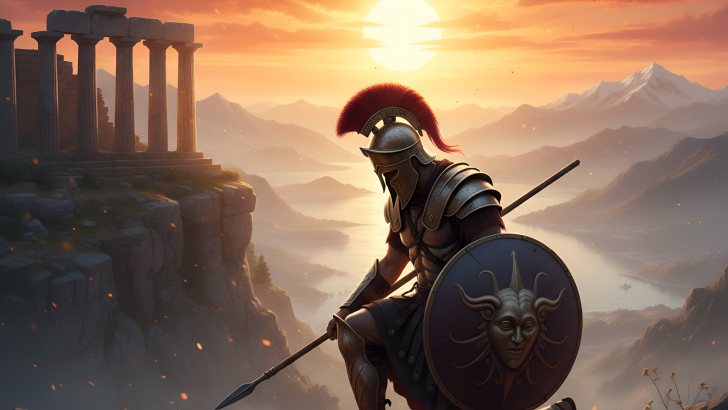
The ancient Greeks lived in a world shaped by competition, challenges, and constant displays of strength.
Whether they were preparing for battle, training for the Olympic Games, or trying to overcome personal struggles, they believed that certain rituals helped them build courage and confidence.
These rituals were not magical in the modern sense. They were symbolic acts that helped people focus their minds, steady their emotions, and strengthen their sense of purpose.
Over time, some of these practices faded as new beliefs appeared. Still, many of them offer a window into how the Greeks understood victory and strength.
Here are ten ancient Greek rituals once used to express hope for victory and inner power.
1. Saluting the Rising Sun
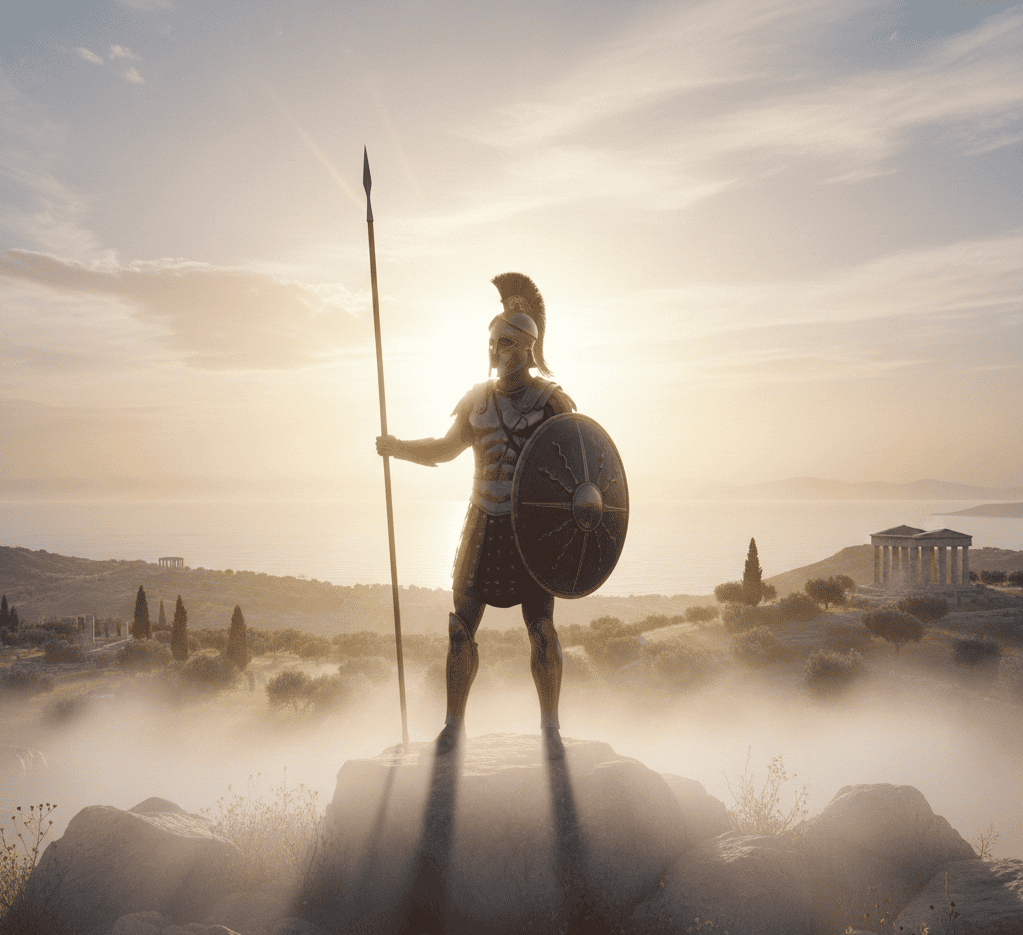
The ancient Greeks often saw sunrise as a symbol of new beginnings. Some believed that standing toward the morning light helped them start the day with strength.
Warriors and athletes sometimes greeted the rising sun to express readiness for challenges ahead.
This moment was not complicated. It was a quiet pause that reminded them of clarity and hope. The warm light of dawn represented a fresh chance to grow.
By connecting with the new day, they believed they were preparing their minds for success.
Over time, this ritual faded, but the idea of starting the morning with intention remains common even today.
2. Touching the Earth Before Training

In many Greek stories, heroes showed respect for the earth before facing a challenge. They believed the ground held wisdom and stability.
Athletes training for competitions often touch the soil as a gesture of grounding and focus.
This simple action reminded them of their connection to the land and the strength it provided. It also symbolized humility.
Even the strongest warrior had to recognize their place in the world. The ritual encouraged people to stay balanced instead of letting pride push them too far.
As sports and training evolved, the ritual became less common, but its meaning remains powerful.
3. Washing Hands in Sacred Springs
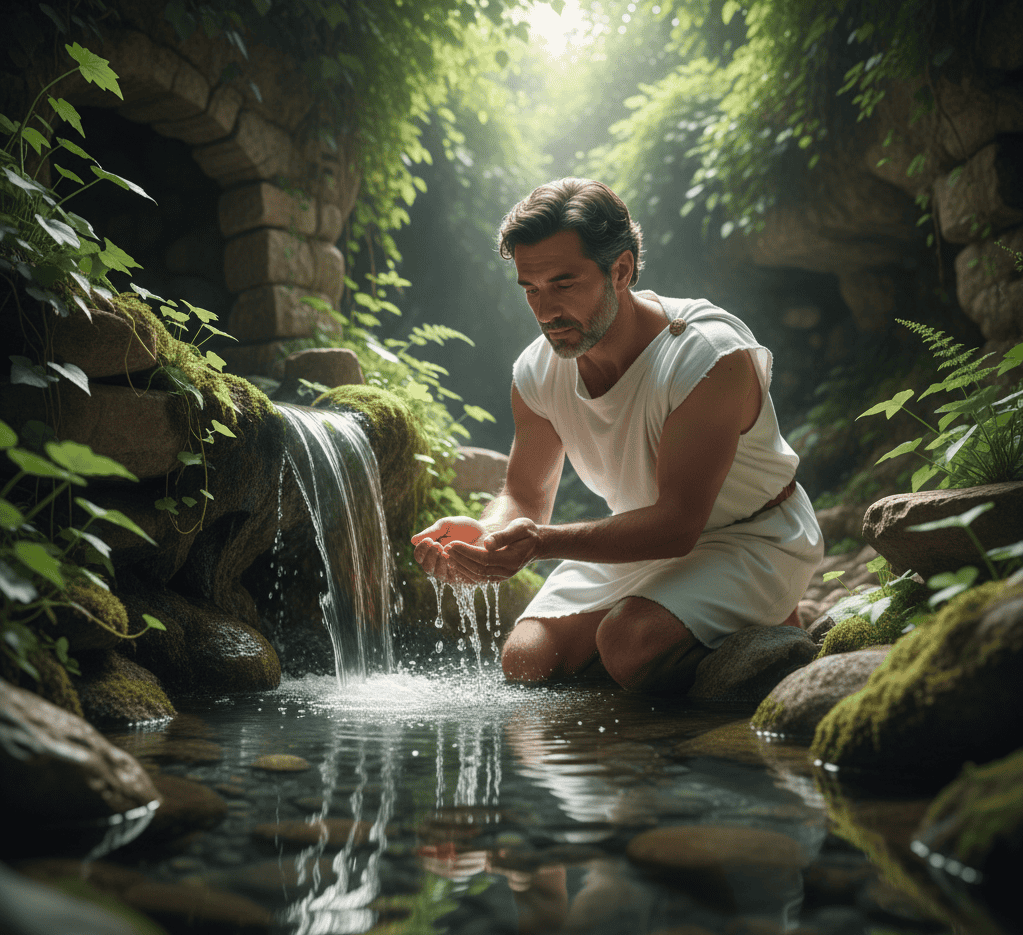
Water was believed to cleanse the spirit as well as the body. Many athletes and soldiers visited springs or small streams to wash their hands before important events.
These springs were sometimes connected to specific gods who represented strength or clarity.
The act of washing did not promise victory. It symbolized leaving behind fear, anger, or doubt.
The cold water helped calm the mind and sharpen focus. People felt refreshed and ready.
This ritual was part of a larger belief that nature held healing qualities. When beliefs changed, the custom faded, but the idea of washing as a symbolic reset continues in many cultures.
4. Lifting Stones for Courage
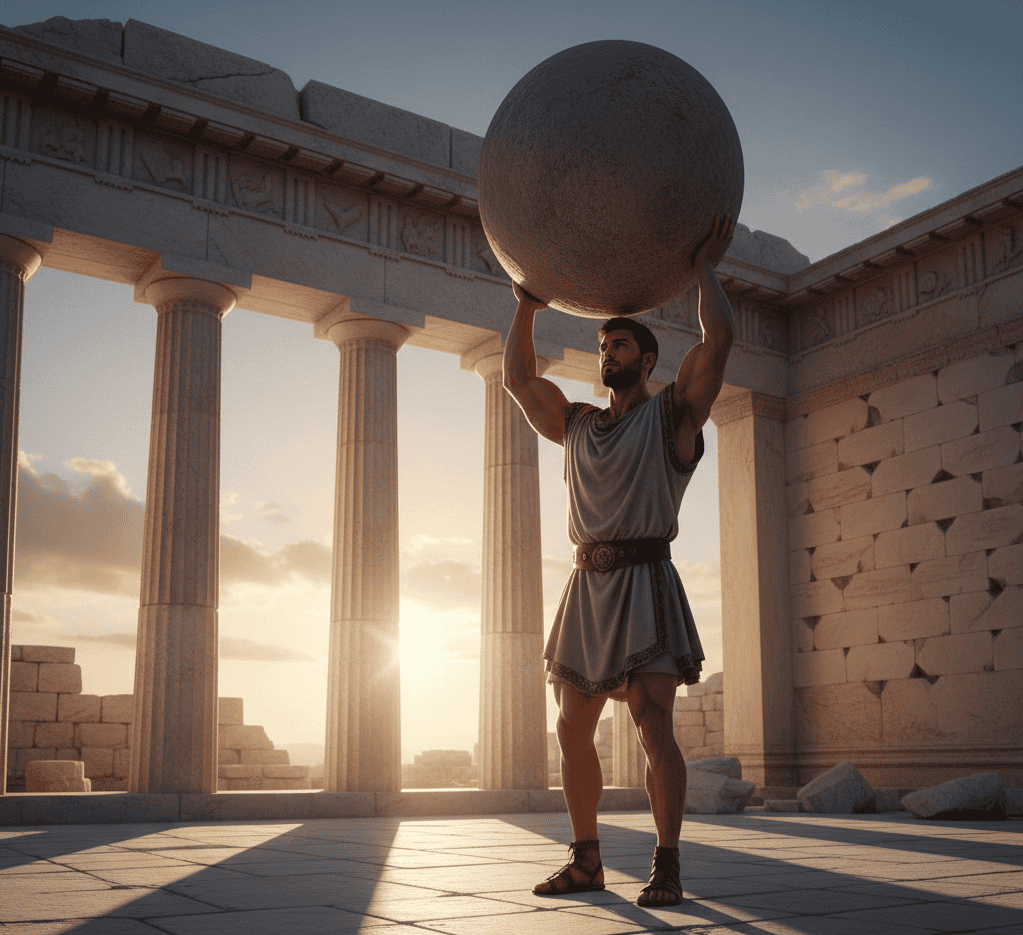
Before formal weights existed, the Greeks used large stones as training tools. Some of these stones were kept in temples or public spaces and were believed to represent strength.
Lifting one of these stones was a symbolic challenge. It was not about showing off but about proving determination.
People believed that touching or lifting the stone connected them to the courage of past heroes.
These stones still exist in some ancient sites, showing the importance they once held. The ritual helped people prepare mentally before competitions or journeys.
Eventually, modern training replaced these symbolic lifts, but their history remains part of Greek culture.
5. Tying a Simple Ribbon Around the Wrist
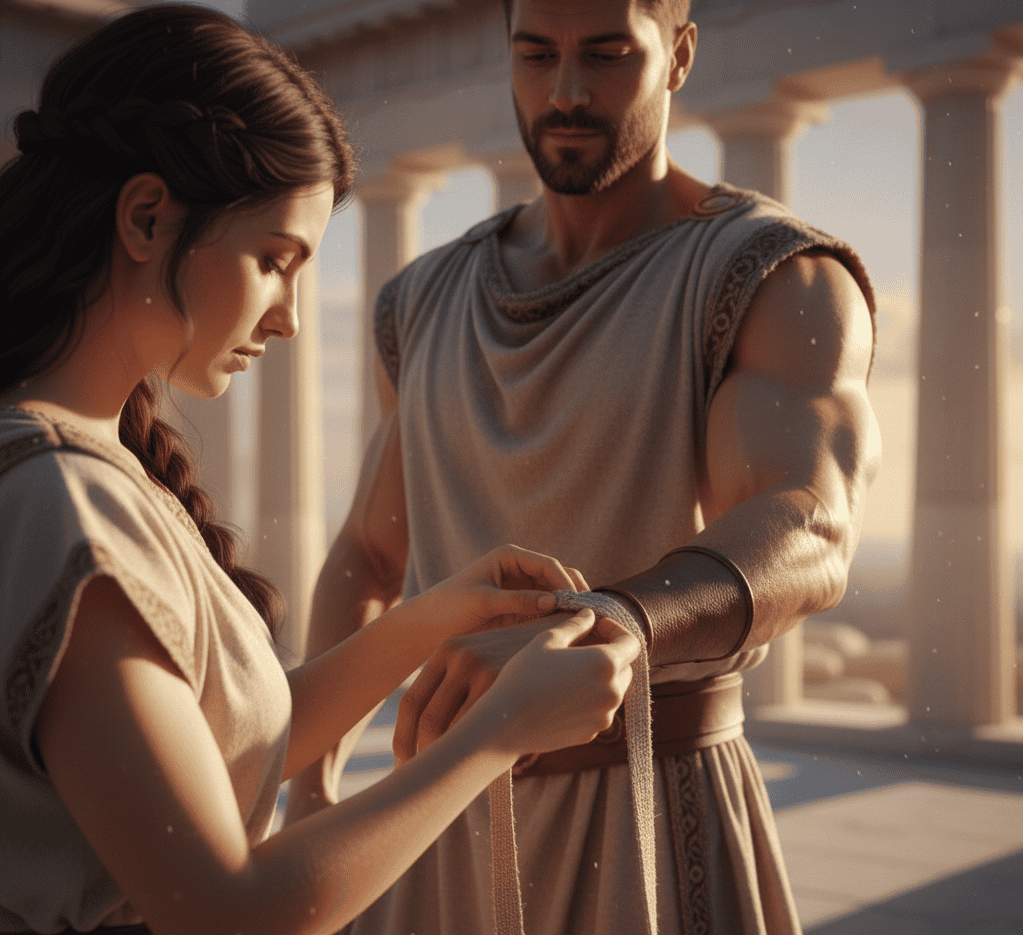
In some regions, people tied a thin ribbon around their wrist for focus and protection. The ribbon’s color did not have magic power.
Instead, it served as a reminder of personal goals. Warriors tied ribbons before battle, and athletes did the same before games.
It represented discipline and promise. When the ribbon was tied, the person silently acknowledged their hopes for strength.
The ritual was common among young men preparing for physical challenges. As time passed, the tradition changed into decorative customs and lost much of its old meaning.
Still, the idea of wearing a symbol of personal commitment remains popular today.
6. Whispering Prayers to Personal Heroes
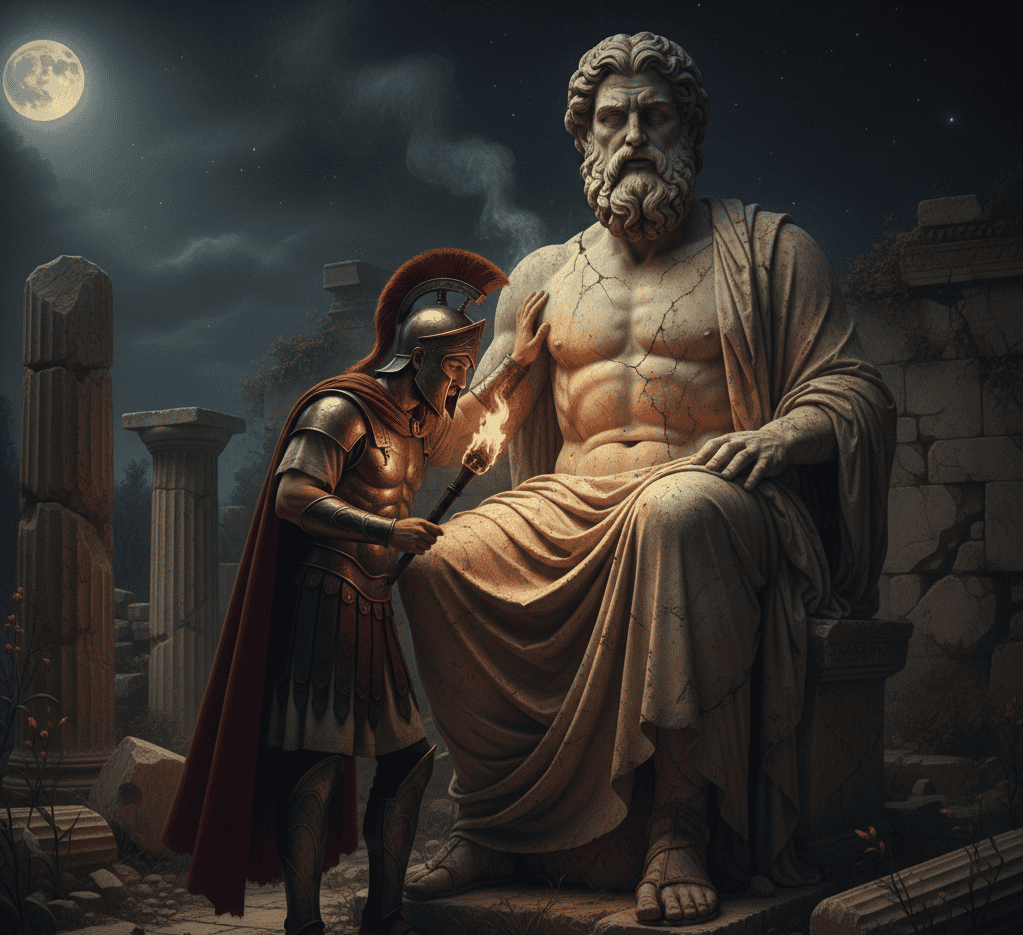
The ancient Greeks admired famous heroes like Achilles, Hercules, and Theseus. People believed these figures represented courage and victory.
Whispering a short message to a personal hero before a challenge was a symbolic way to gain confidence.
It did not involve calling the hero for help. It simply reminded the person of qualities they wished to show.
This ritual helped people picture bravery or discipline in their minds. It was especially common among soldiers who wanted to remember the strength of past warriors.
Over centuries, the practice turned into storytelling rather than ritual, but its purpose was always the same.
7. Carrying a Small Token From Home
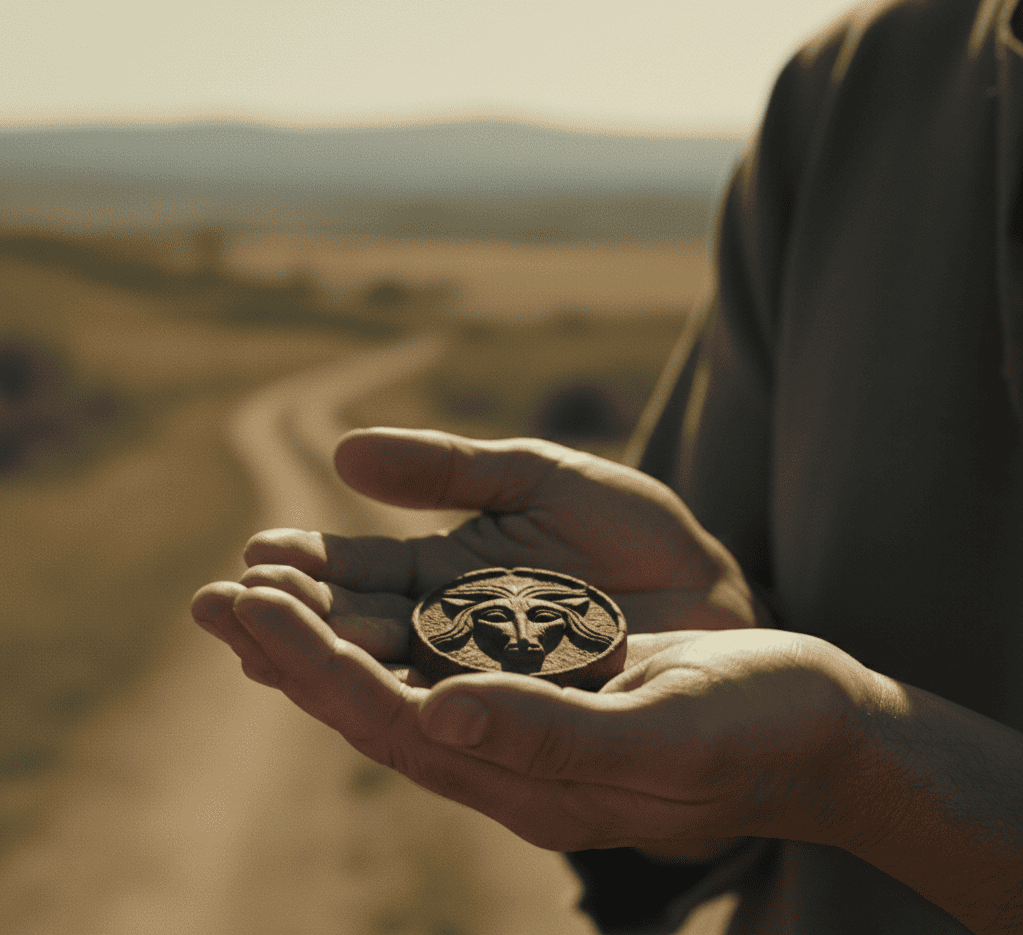
Before long journeys or battles, many Greeks carried a small object from their home. It could be a pebble, a piece of cloth, or a carved charm.
These items had no magical power. Their purpose was emotional. They reminded people of their families, villages, and values.
When fear rose, the token helped them stay calm. It also gave them a sense of belonging.
Belief in community and family was strong in ancient Greece. Carrying a token symbolized the support of loved ones.
As cultures changed, the ritual disappeared, but the idea of carrying reminders from home is still common among travelers and athletes today.
8. Walking a Protective Circle
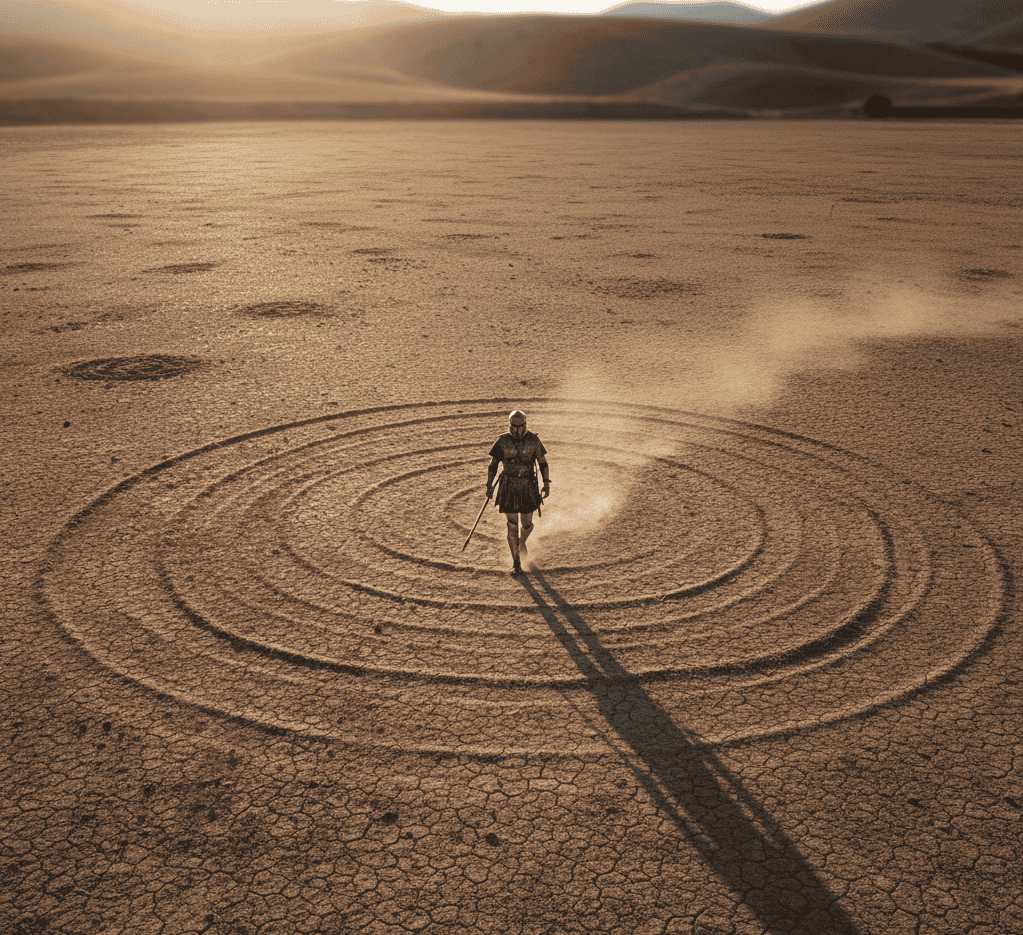
In some Greek myths, walking in a circle before a challenge represented protection. Circles symbolized unity and strength because they had no beginning or end.
People believed the shape held symbolic power. Warriors sometimes walked in small circles around themselves to calm their nerves before facing danger.
It was not meant to create a shield. It was a way to remind themselves of their purpose.
The circle helped them focus and shut out distractions. This ritual is less known today because it rarely appeared in written records.
But it was important in small communities. It served as a mental reset before confronting something difficult.
9. Leaving Food for Household Spirits
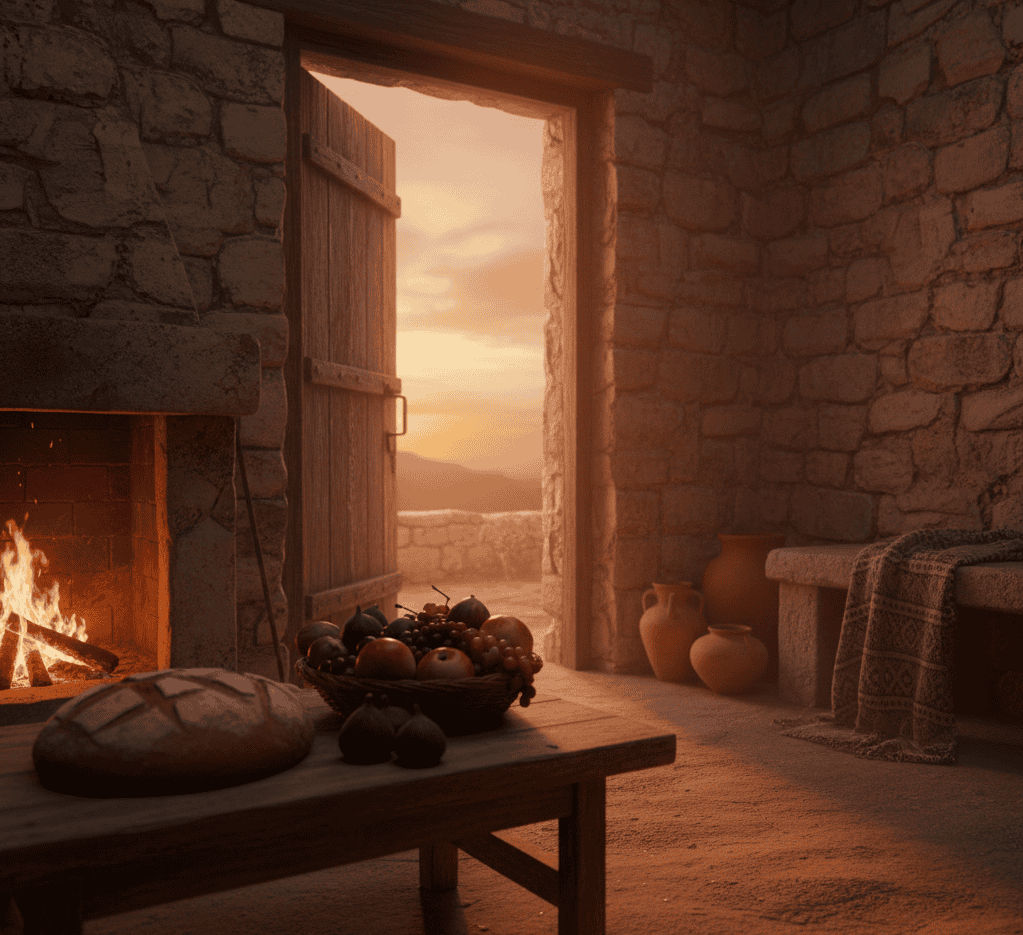
The Greeks believed that every home had small protective spirits. Before big challenges, families sometimes offered simple food as a gesture of respect.
Bread, fruit, or a small cup of wine was placed on a table or near a doorway. This was not meant to bring miracles.
It symbolized gratitude for the protection already given. People believed that showing respect created harmony in the household.
A peaceful home gave them strength for the challenges outside. As religions changed, these offerings became part of general hospitality customs.
10. Sitting in Front of the Hearth Fire
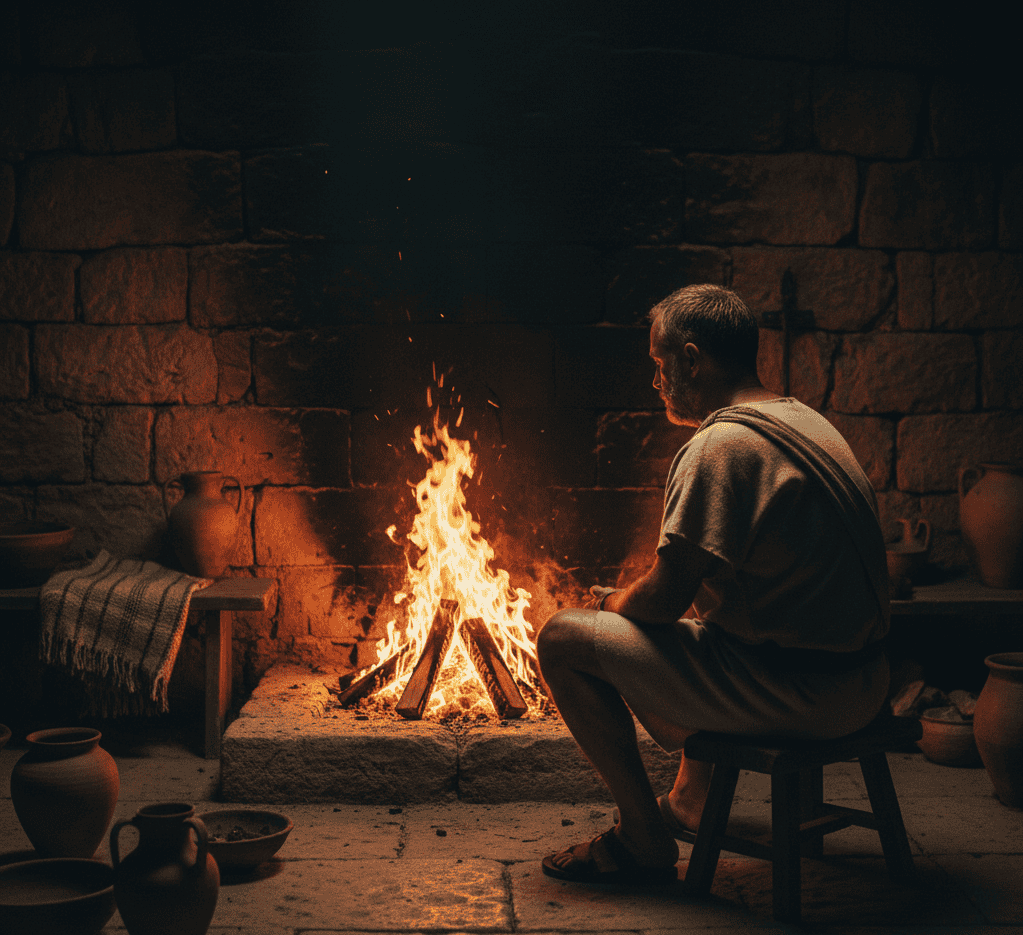
Fire was central to Greek homes. It represented life and warmth. Sitting quietly near the hearth before a difficult event was a common ritual.
People believed the fire held ancient wisdom. Watching the flames helped them think clearly.
It reminded them of the support of their ancestors and the strength of their household. For many, the hearth was the heart of the home.
Spending a moment there brought comfort and courage. This ritual was simple but deeply meaningful.
It symbolized unity with family and connection with the past. Over time, the hearth fire ritual faded, but its emotional purpose still makes sense today.

自出生以来,我一直感觉到自己与神灵有着紧密的联系。作为一名作家和导师,我的使命是帮助他人在最黑暗的时刻找到爱、幸福和内心的力量。