
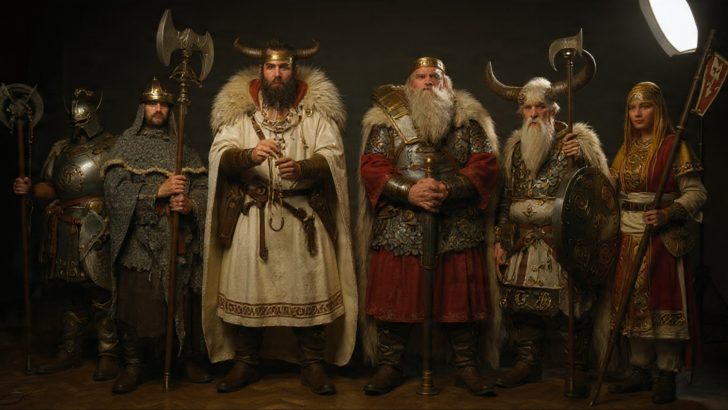
Pagan gods and creatures were a lot more than just mythic characters.
They were a reflection of everyday life, environment, and values of the societies that worshipped them.
These deities reveal what mattered most to their communities – whether it was nature, war, wisdom, or death.
By looking at these gods, we get a window into their worldviews, struggles, hopes, fears…
1. Norse Gods and the Harsh Scandinavian Life
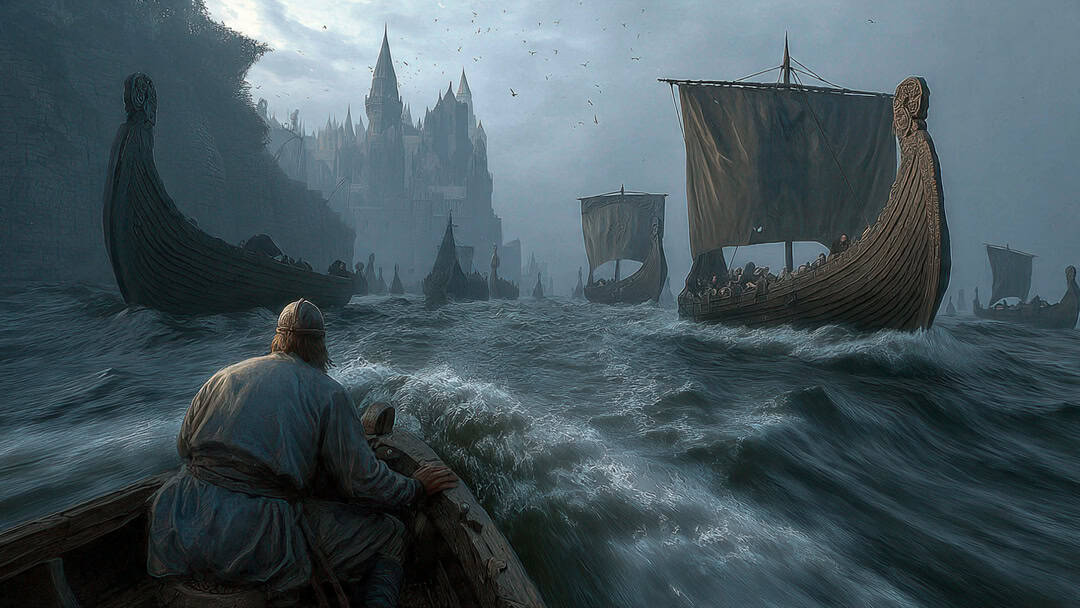
Norse pagan gods like Odin, Thor, Tyr, or Freya show us how resilient these people had to be.
Scandinavia’s rugged landscape with fjords, mountains, freezing cold, and a lack of farmland, demanded a lot of strength and a fierce spirit.
Thor with his mighty hammer reflects survival in a land where the weather could make or break life.
Odin embodies his people’s obsession with knowledge, progress, and finding new ways to survive.
The idea of Valhalla, where warriors fought and feasted after a glorious death, echoes their martial culture.
All cultures battled and raided each other, but what sets the Norse apart is the fact that their environment often left them with no other choice but to take from others.
That’s exactly why their pagan pantheon is so closely focused on war and exploration.
2. Slavic Gods and Agriculture
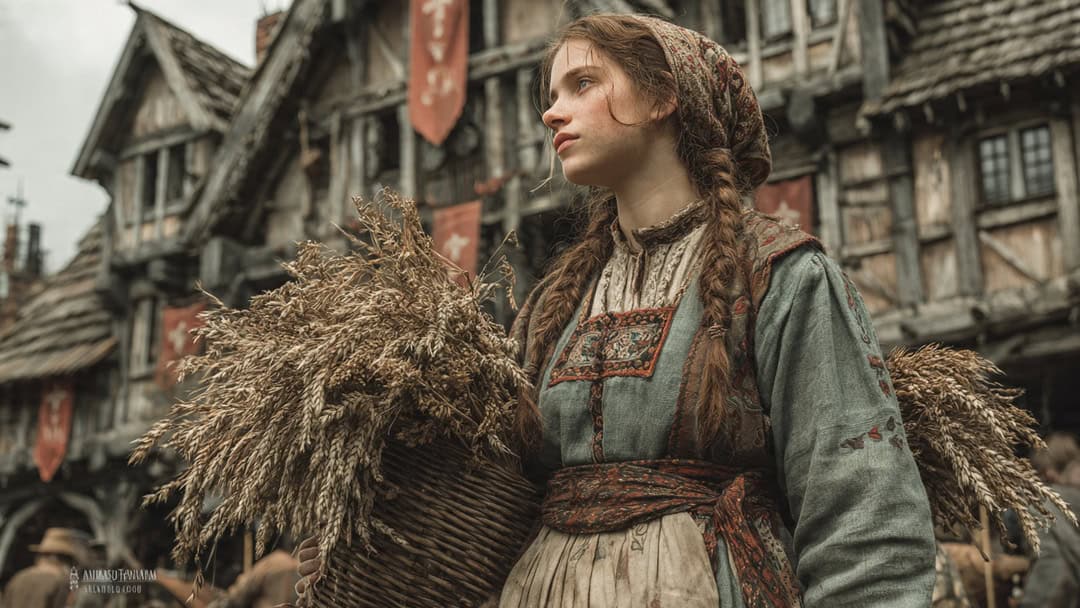
Slavic pagan deities like Perun, Veles, Mokosh, and Dazhbog are closely connected to the land, the seasons, and everyday survival.
Perun’s thunder symbolizes the unpredictable weather that could either save or ruin crops.
Veles, connected to the underworld and wildlife, shows how livestock and trade were central to life.
Mokosh, a fertility goddess, highlights the importance of planting seasons, harvests, and women’s roles in ensuring the survival of the community.
At the same time, the main “villain” of the faith was Morana, the winter goddess, who brought death.
Unlike the aforementioned Norse people, Slavs lived on fertile land, which is why their pantheon is so deeply agricultural.
3. Greek Gods and Urban Life
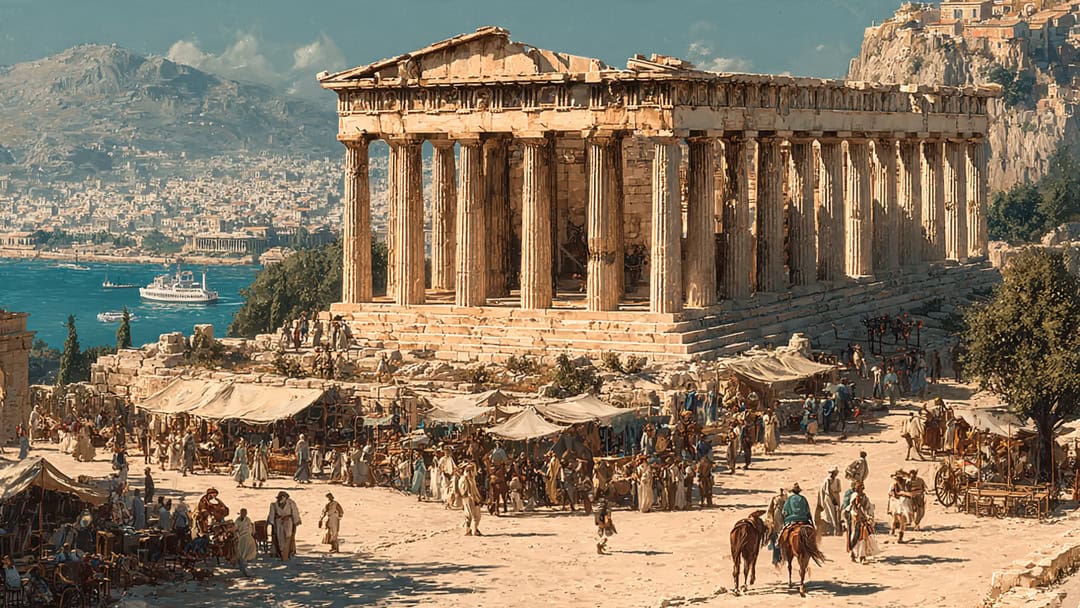
Greek Gods like Zeus, Athena, Apollo, and Dionysus reveal a civilization centered around art, philosophy, politics, 和 city life.
Zeus, as the king of gods, represents authority and law – values central to their “city-state” governance.
Athena represents their love for learning, wisdom, strategy, and art. Apollo’s connection to music and prophecy underscores Greece’s cultural achievements.
Dionysus reveals their love for celebration and the ecstatic.
Temples like the Parthenon and festivals such as the Olympics show how their pagan religion and civic pride were intertwined.
4. Roman Gods and Politics
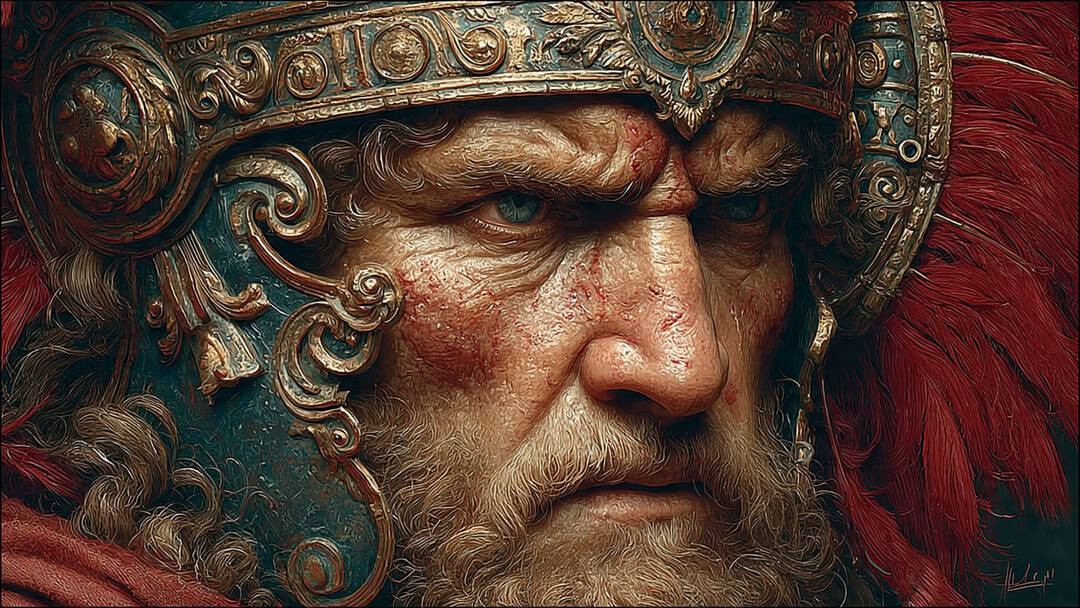
Roman pagan gods like Jupiter, Mars, Venus, and Minerva are centered around conquest, power, 和 societal order.
Mars, the god of war, highlights how Rome’s expansion depended on martial strength and divine approval.
Jupiter, as the sky god, symbolizes imperial authority and the rule of law.
Venus embodies fertility and social stability, crucial for the empire’s strength.
Minerva, goddess of wisdom and strategy, reflects the importance of military planning and discipline.
这 imperial and warrior cult shows how religion reinforced Rome’s military ambitions and political hierarchy.
Their pagan pantheon wasn’t separate from governance, but was its foundation.
5. Egyptian Gods and the Death Cult
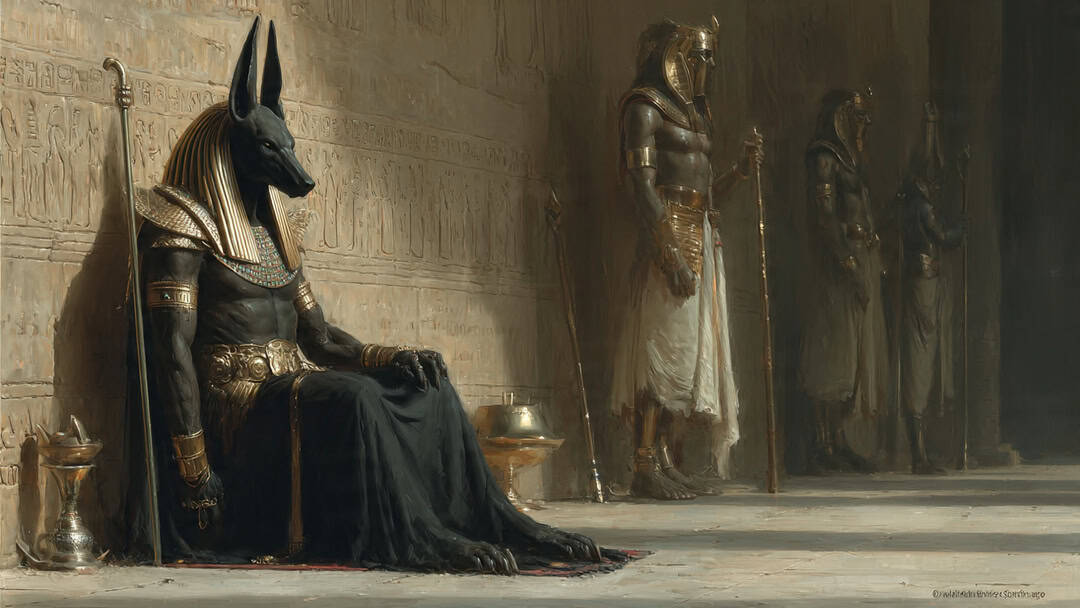
Egyptian pagan gods like Osiris, Isis, Ra, and Anubis revolve around death, the afterlife, 和 cosmic order.
Osiris, god of the dead, represents their fascination with immortality and eternal life.
Isis, as a mother and protector, is focused on family and magic.
Ra, the sun god, underscores their complicated relationship with the sun; on the one hand, Ra brought life and fertility, while on the other, he brought desert.
Ancient Egyptians’ elaborate burial practices, pyramids, and mummification are proof of their belief in life after death.
They saw it as a transition, a vital part of existence. And in the desert environment, where death ruled everything but the Nile, it’s understandable how these beliefs came to be.
6. Celtic Paganism and Nature Worship
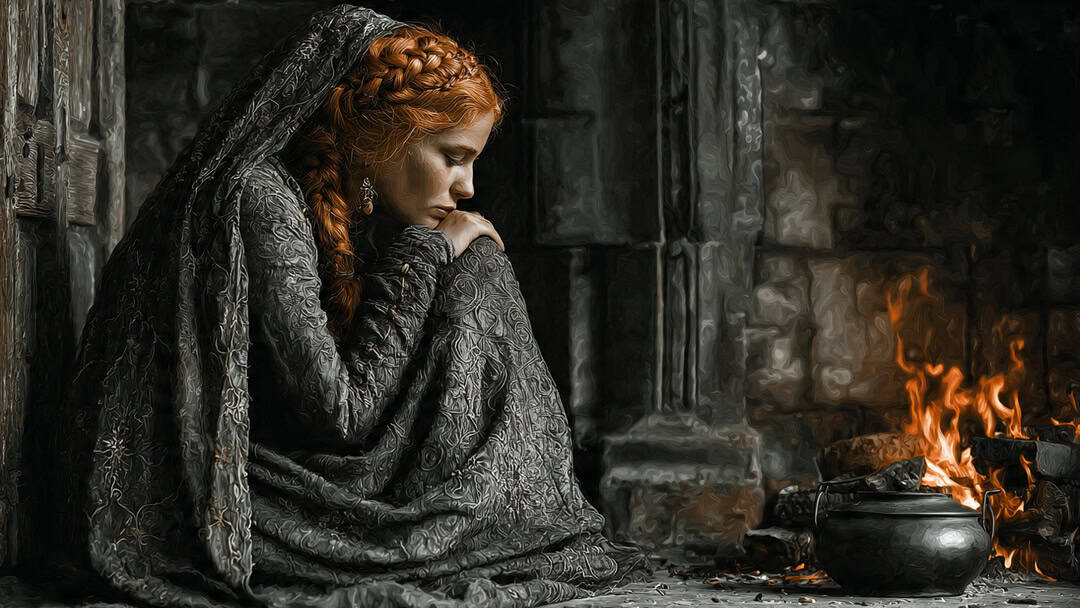
Celtic pagan gods like Dagda, Brigid, and Lugh highlight their deep connection to nature and magic.
Dagda, a father figure, symbolizes fertility and abundance, and shows how community-oriented the old Celts were.
Brigid is connected to poetry, healing, and creativity, which points to their reverence for art and well-being.
Lugh, a warrior god, embodies valor and craftsmanship – values that defined Celtic identity.
Sacred groves and seasonal festivals like Beltane or Imbolc reveal how intertwined their spirituality was with natural cycles.
Their pagan gods were part of the landscape, seasons, and community life.
7. The Reflection of Society
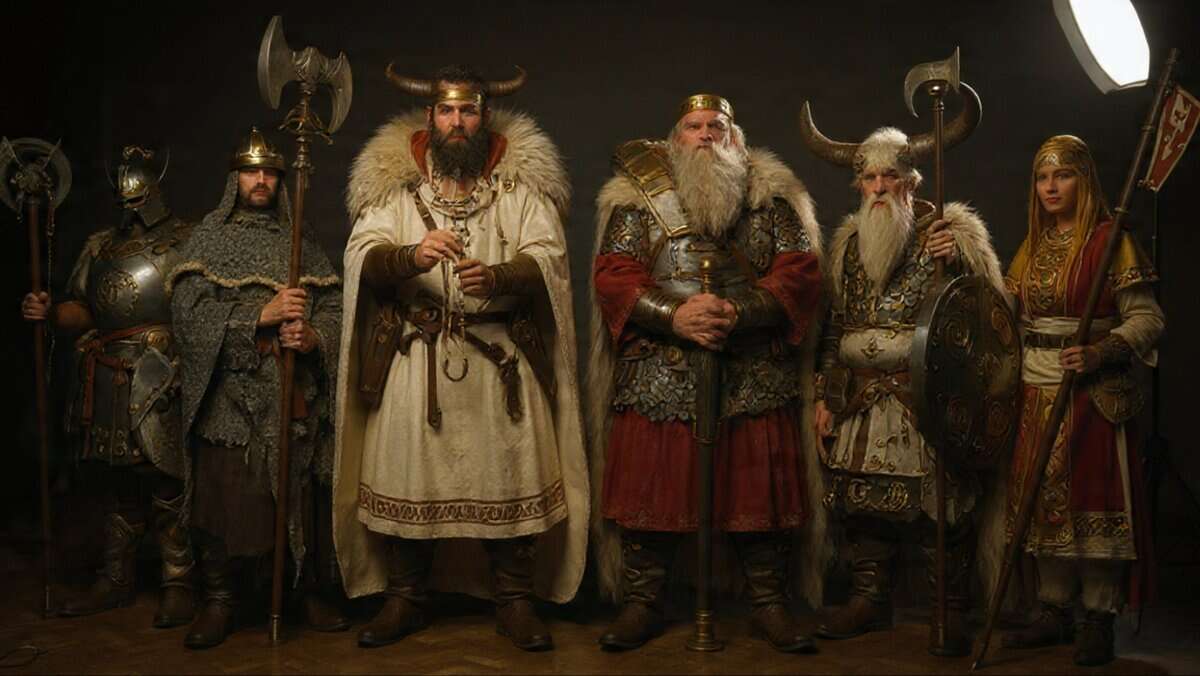
Across different cultures, gods were more than stories; they were the living reflection of what their societies valued and feared.
Paganism is special because it’s unique for each culture, shaped by its people’s sensibility and lifestyle.
Pagan gods serve as a mirror, revealing the core of each civilization’s identity, struggles, and dreams.
They show us that religion wasn’t just a set of rituals, but a way for societies to understand themselves and their place in the universe.
And because it’s so ingrained in our very genetic code, we will never completely let it go.
After all, these gods are the ultimate expressions of human experience.

A little Aquarius, devoted to writing and embroidery. Through my writing, I hope to empower readers to align with their true selves and navigate life’s mysteries with confidence.