
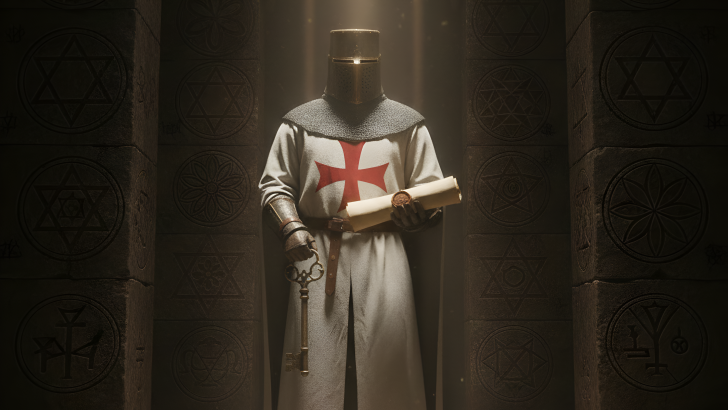
The Knights Templar were not just medieval soldiers. They were a powerful organization that mixed religion, money, warfare, and secrecy in ways that had never been seen before.
Founded during the Crusades, they began as protectors of pilgrims but quickly grew into one of the most influential groups in Europe.
Their sudden rise and even more sudden destruction left behind unanswered questions, missing records, and legends that still refuse to die.
Many official histories focus on their military role, but much of their real influence was hidden.
Below are eight forbidden or suppressed historical facts that explain why the Knights Templar became so powerful and why their enemies worked so hard to erase them.
1. The Knights Templar Became Richer Than Entire Kingdoms
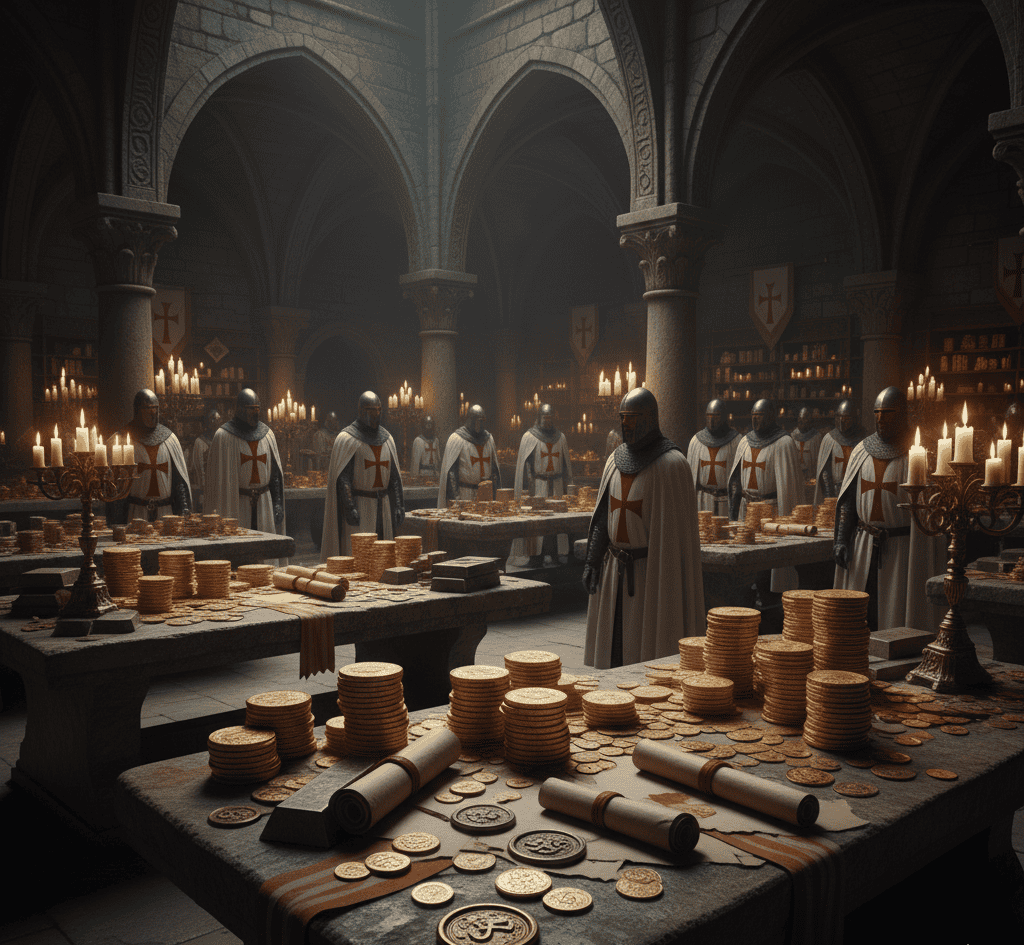
The Knights Templar took vows of poverty, but as an organization, they accumulated enormous wealth.
Kings, nobles, and merchants trusted them with land, gold, silver, and sacred treasures.
Over time, the Templars owned farms, vineyards, mills, ports, and entire villages across Europe and the Middle East.
They developed a system that allowed people to deposit money in one location and withdraw it elsewhere.
This made long-distance travel safer and helped protect pilgrims from theft. In many ways, this system became the foundation of modern banking.
Because kings borrowed heavily from the Templars, entire royal courts depended on them.
This financial power made the Templars untouchable for a long time, but it also made them dangerous in the eyes of rulers who feared losing control.
2. They Created a Banking System Before Banks Existed
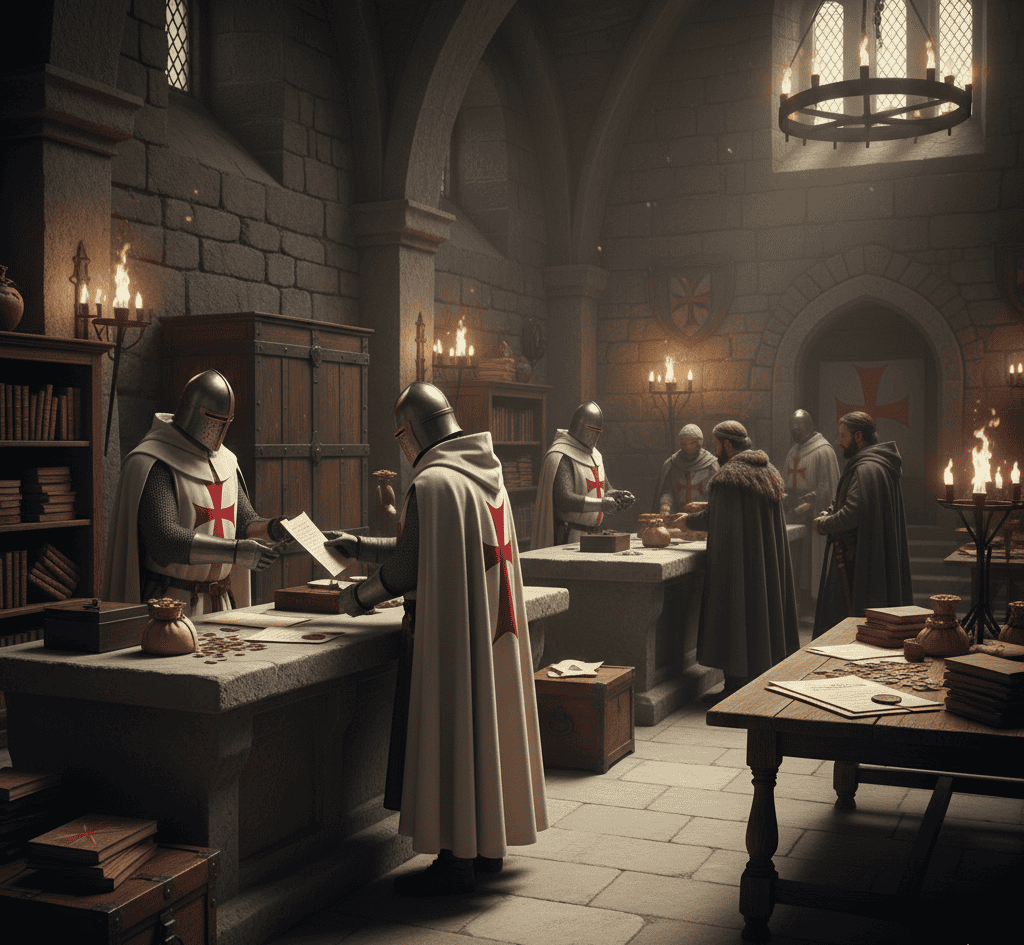
The Knights Templar did something revolutionary for their time. They turned trust into a financial system.
Instead of carrying gold across dangerous roads, travelers received written notes that could be exchanged for money at Templar houses.
These notes were protected by codes and internal records that only Templars understood.
This reduced theft and increased trade, making the order even more valuable to society.
Kings used the Templars to store royal treasure. Churches relied on them to manage funds.
Merchants depended on them for safe transactions. This gave the order economic influence far beyond their military role.
Their financial knowledge was so advanced that many later banking practices copied their methods.
3. The Knights Templar Answered Only to the Pope
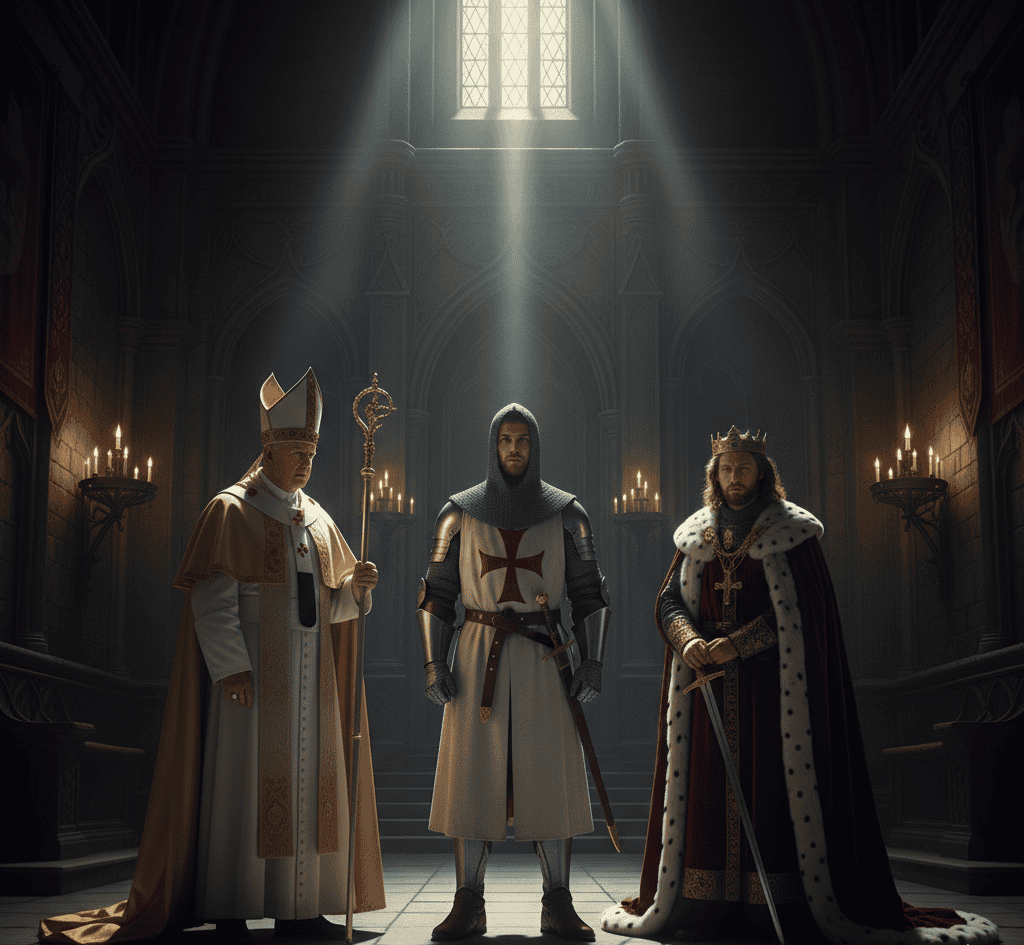
One of the most threatening aspects of the Knights Templar was their independence. They did not obey kings, local lords, or city laws.
Their only authority was the Pope himself. This meant they could cross borders freely, ignore local taxes, and build fortresses wherever they were needed.
For medieval rulers, this level of independence was frightening. Over time, this created tension.
Kings felt powerless when dealing with Templars inside their own lands. The order became a state within a state, loyal only to Rome.
When political alliances shifted, this independence became one of the main reasons kings turned against them.
4. They Were Accused of Secret and Forbidden Rituals
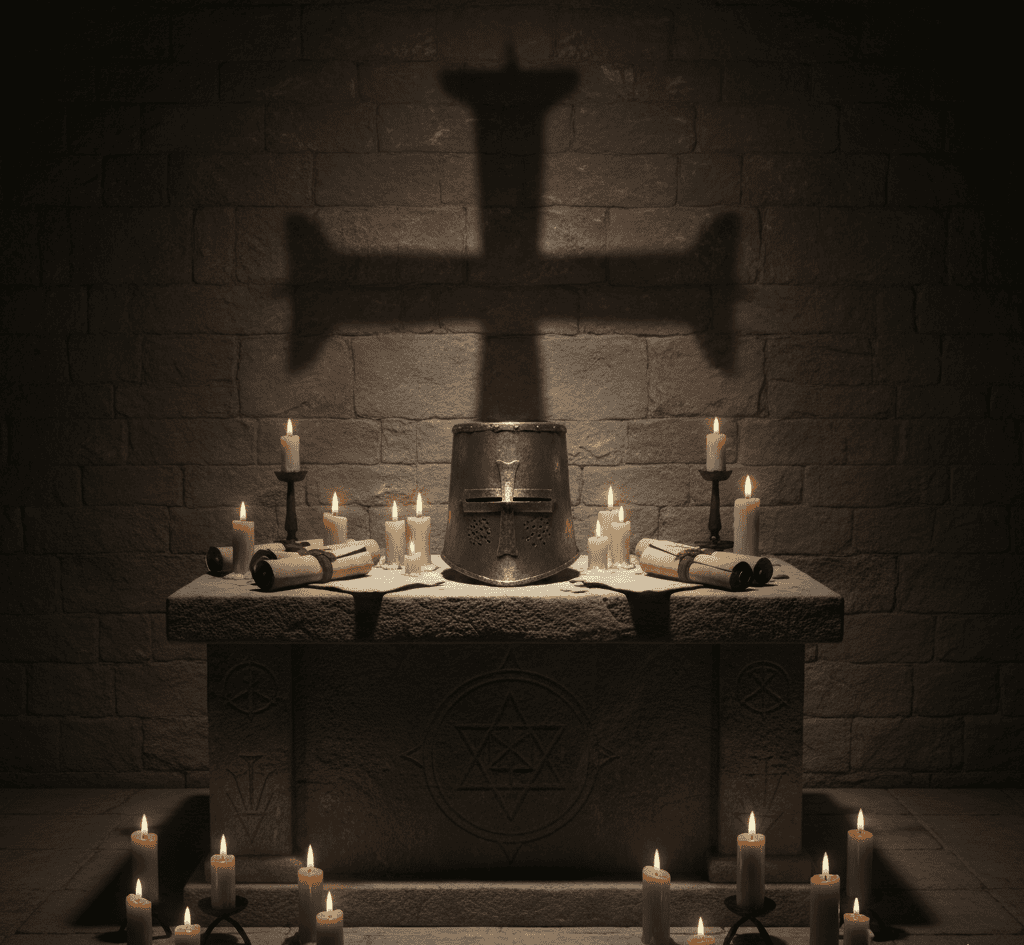
When the Knights Templar were arrested, they were accused of shocking crimes. These included denying Christ, spitting on the cross, worshiping idols, and practicing secret ceremonies.
Most historians believe these confessions were forced through torture. However, the secrecy of Templar initiation rituals allowed rumors to grow.
New members took private vows behind closed doors. Their ceremonies were never publicly explained.
This secrecy made it easy for enemies to invent stories that people were ready to believe.
Whether the rituals were misunderstood or deliberately twisted, they became the excuse needed to destroy the order.
5. Friday the 13th Marked Their Sudden Fall
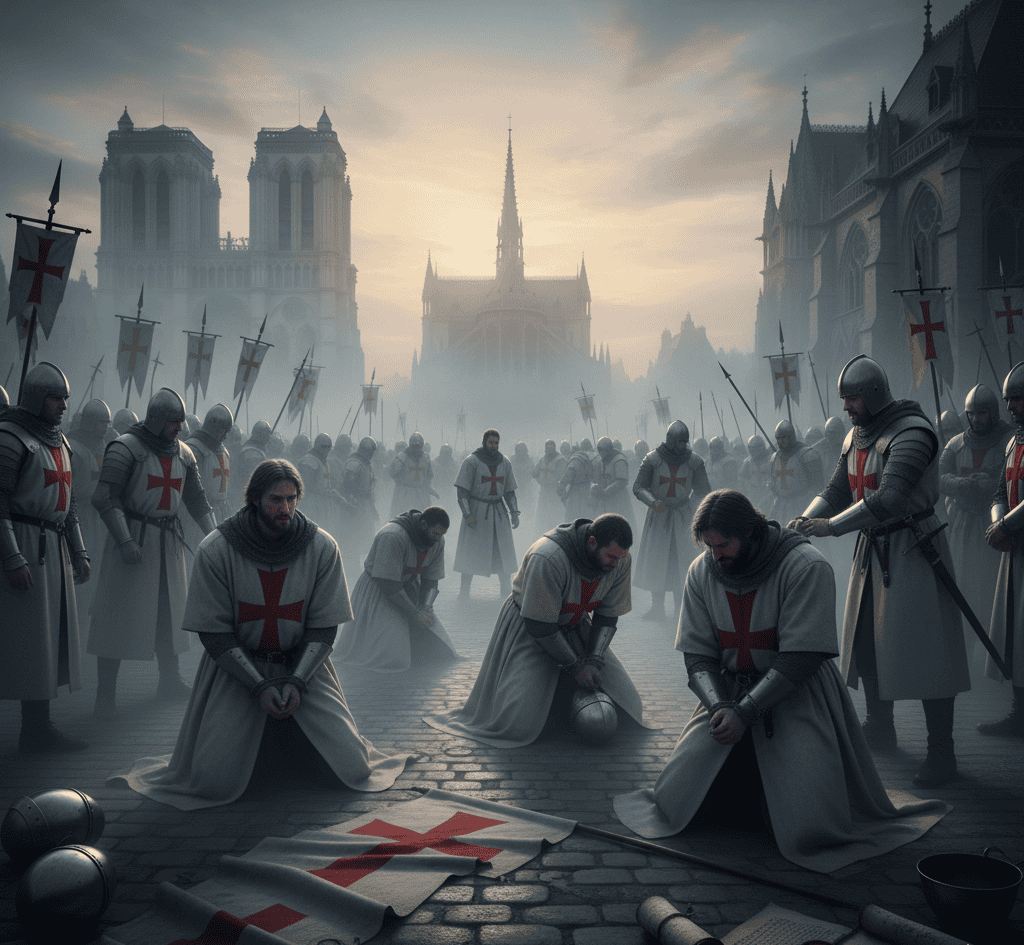
On Friday, October 13, 1307, King Philip IV of France ordered the arrest of all Knights Templar in his kingdom. The arrests happened at the same time across the country, suggesting careful planning and betrayal.
Many Templars were imprisoned without warning. Their property was seized, and their records were confiscated. Some were tortured, others executed, and many disappeared.
This date is often linked to the fear surrounding Friday the 13th, which became associated with betrayal, loss, and sudden disaster.
The speed and coordination of the arrests show how threatened the king felt by the order.
6. The Templars May Have Discovered Ancient Knowledge
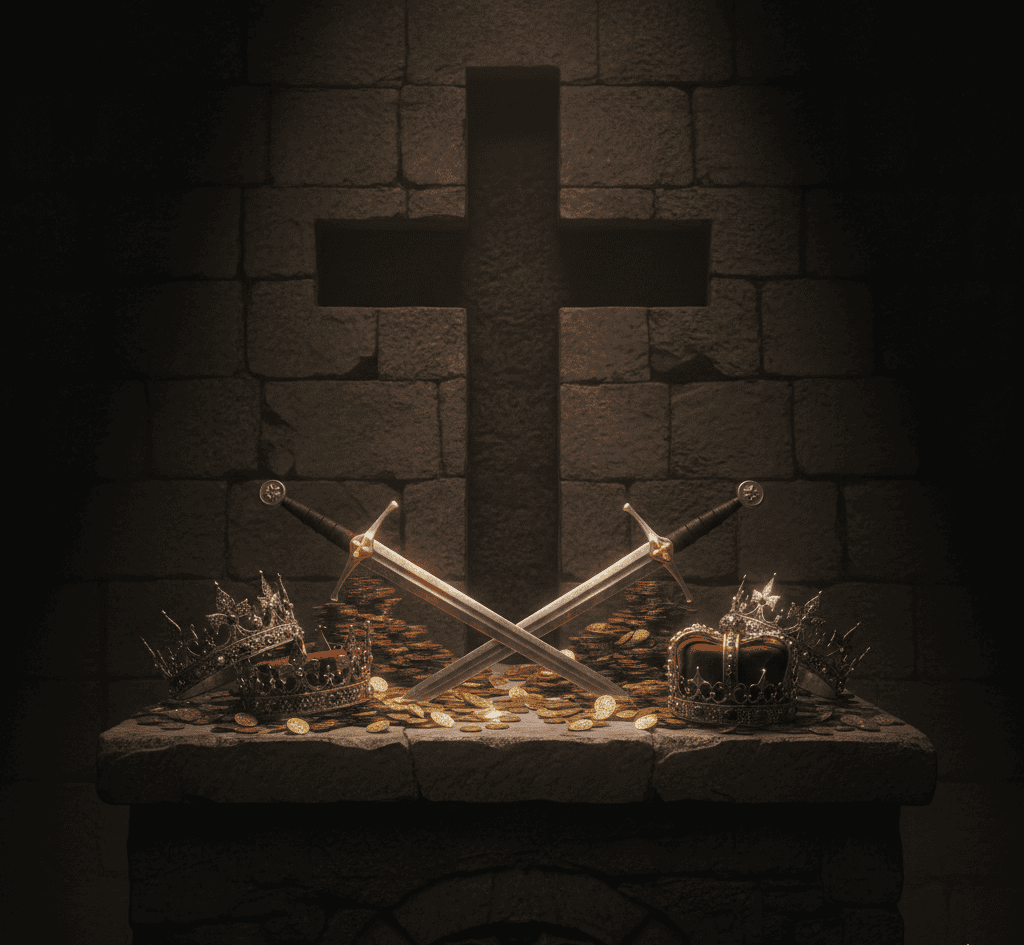
One of the most debated topics surrounding the Knights Templar is the idea that they discovered hidden knowledge while stationed in Jerusalem.
Their headquarters were built near the site of the ancient Temple of Solomon.
Some believe they uncovered ancient texts, sacred objects, or lost teachings beneath the ruins. While there is no direct proof, their sudden rise in power, wealth, and architectural skill raises questions.
They became masters of geometry, symbolism, and construction in a very short time. This suggests access to advanced knowledge not commonly available in medieval Europe.
Whether spiritual, mathematical, or historical, this possible discovery remains one of their greatest mysteries.
7. Their Architecture Contained Hidden Meaning
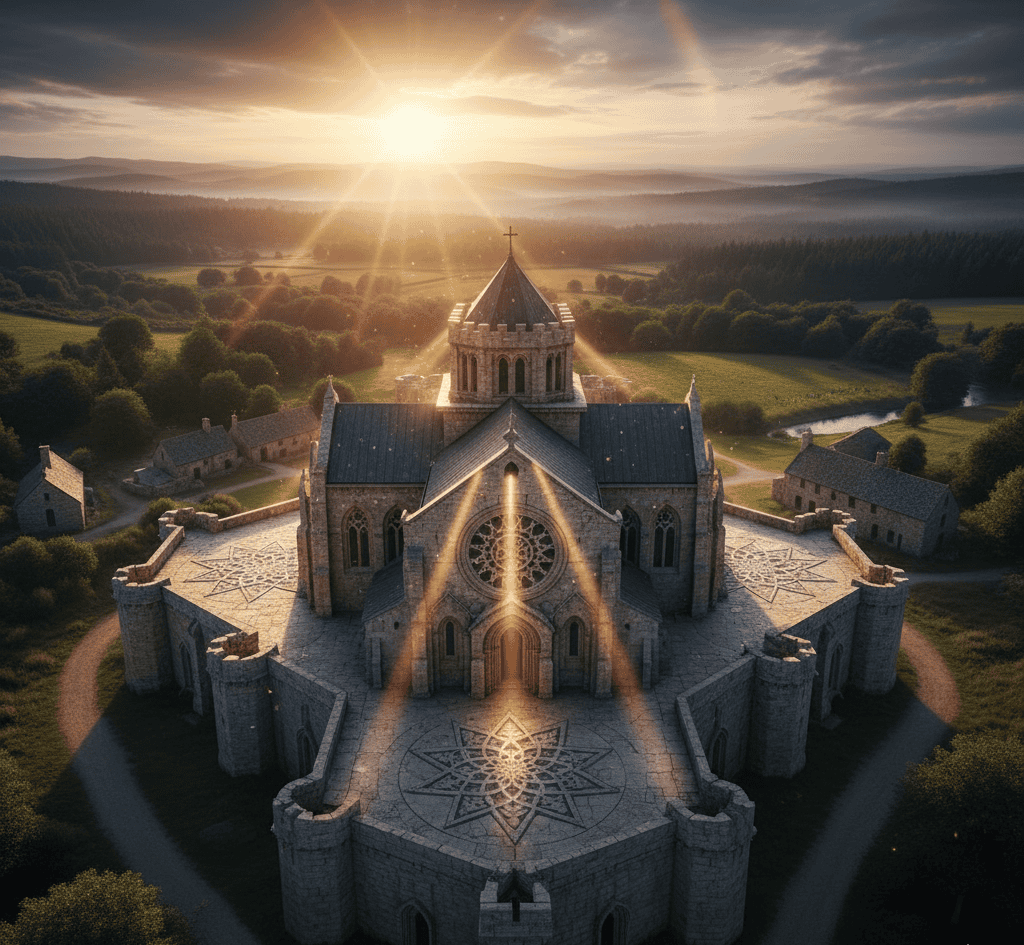
Templar buildings were not simple fortresses. Many followed precise geometric patterns and symbolic designs.
Circles, squares, and sacred measurements appear repeatedly in their structures.
Some churches built by the Templars resemble earlier sacred sites, suggesting they followed ancient architectural traditions.
Certain buildings align with the sun or stars on specific dates. These design choices suggest the Templars valued symbolism and hidden meaning.
Their architecture was meant to protect not just bodies, but knowledge.
Even today, historians and researchers study Templar sites for clues about what they believed and what they may have guarded.
8. The Order Was Destroyed for Power and Money
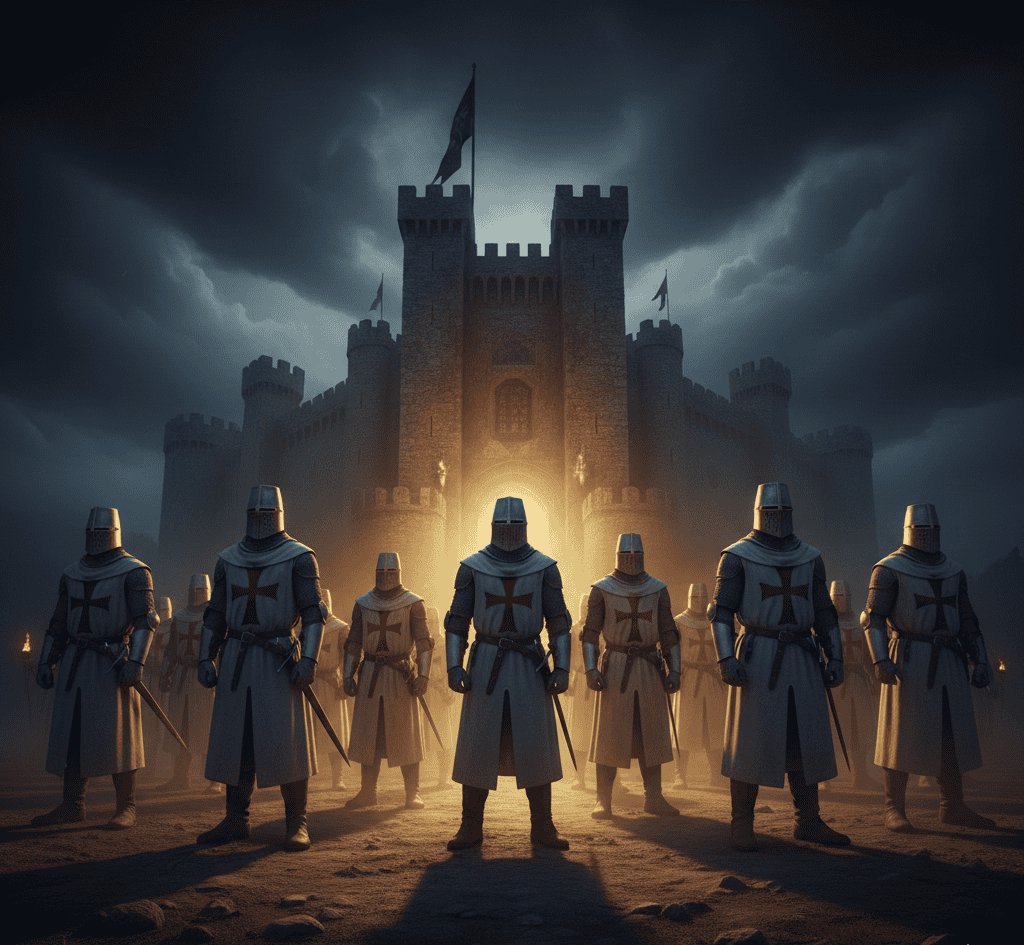
Despite the religious accusations, most modern historians agree that the Knights Templar were destroyed for political and financial reasons.
King Philip IV was deeply in debt to them and wanted their wealth.
By labeling them heretics, he eliminated his creditors and gained access to their assets. The Pope, under pressure, eventually dissolved the order.
Records were destroyed, stories were rewritten, and the Templars were painted as villains. Their real achievements were buried beneath scandal and fear.
Yet the speed of their destruction suggests how powerful they truly were.

自出生以来,我一直感觉到自己与神灵有着紧密的联系。作为一名作家和导师,我的使命是帮助他人在最黑暗的时刻找到爱、幸福和内心的力量。