
As time has passed, humans’ physical and psychological abilities have changed. Certain abilities were used less over time due to changes in both the environment and lifestyles.
Changes in the way humans use technology and tools have replaced many of those abilities. While those skills may not have completely disappeared, they are not typically used for the same purpose.
Understanding these abilities can provide a greater understanding of adaptation. These are examples of both physical and mental characteristics that were once regularly experienced that we no longer possess.
1. Stronger Natural Night Vision
Early humans spent much of their lives outdoors with little artificial light. This resulted in the eyes of early humans adjusting better to low-light visual conditions.
Although humans do not possess true night vision like some other species, it is likely that the regular use resulted in the capacity to see better in low-light conditions.
Constant exposure to bright light has reduced the amount of time that the eye and the human brain can adjust to seeing in low-light situations. How cool would it be to see clearly during the night?
2. The Ability to Synthesize Vitamin C

Vitamin C is made by many species of animals; however, humans have genetically modified themselves and can no longer create vitamin C.
It is theorized that early primates were capable of making their own vitamin C.
The change in this vitamin’s production from being a biological process to one requiring external food sources highlights the difference in how humans rely on their diet versus using a natural process to meet their vitamin requirements.
3. Stronger Sense of Smell

Humans initially relied heavily on their sense of smell to find food, recognize danger, and sense their surroundings. Over time, that reliance has reduced, and now we do not use our sense of smell nearly as much as many species still do today.
Due to the changing nature of our surroundings and how they affect the human experience, this has also played a role in fading out the importance of this ability.
Although we still possess this ability, we no longer use it because we rely more on visual and auditory inputs for information.
4. Greater Memory for Navigation
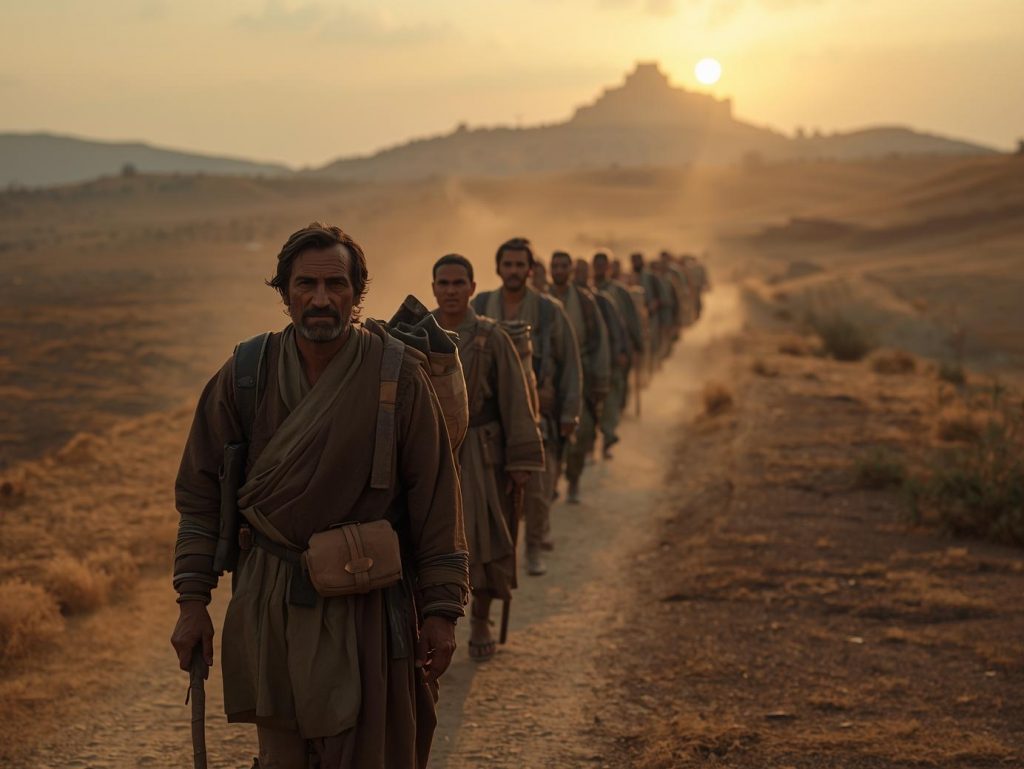
Previously, memory was the primary tool used by humans to navigate their environment, where no maps or electronic navigation were available.
Humans used their memories to keep track of landforms, distances, and navigation methods, creating a relationship with this part of their brain, as, through constant practice, they became skilled at using their memories to navigate.
Due to technological advancements that assist humans in navigation, many people do not remember their navigation skills. Many individuals do not use their navigational abilities, but the memory of these abilities remains in their brains and continues to decline due to a lack of repeated use.
5. Faster Physical Recovery

In early civilizations, humans had a strong need for fast recovery from physical injury in order to continue functioning and surviving.
In our current world, humans still have the ability to recover from physical injury, but the way we live now often reduces the ability of our bodies to recover quickly compared to when we lived with more physical activity and constant exposure to natural environments.
The way in which we function daily will impact the recovery tempo of our bodies.
6. Better Awareness of Natural Rhythms
In the past, humans lived their lives based on natural cycles of day and night. Their sleep, activity, and rest patterns were synchronized with their surroundings.
Because of this, their understanding of time was much more strongly based on natural rhythms and cycles. Since humans began using electricity and structuring their activities, their ability to be aware of natural cycles has decreased.
Humans still have the ability to adapt to natural cycles, but their daily routines take precedence over their natural rhythms.
7. Higher Physical Endurance in Daily Life

Most of human history required significant physical activity to survive; whether it was walking, carrying heavy loads, or performing manual labor, humans had naturally developed the capacity to have very high endurance.
Nowadays, most people do not move very much, resulting in very little, if any, development of their endurance capacity.
These changes in physical strength testify to the differences between typical daily activities then and now.
8. More Acute Hearing for Subtle Sounds

In the past, humans relied heavily on their ability to hear to detect changes in their environments, especially concerning distance from sound sources.
As reliance on hearing decreases, so can the ability to hear changes at a distance or very quiet sounds.
While hearing functions somewhat the same, due to the amount of increased noise present in our modern environment, our ability to hear subtle changes continues to decline due to less reliance on this ability.
9. Stronger Instinctive Decision-Making
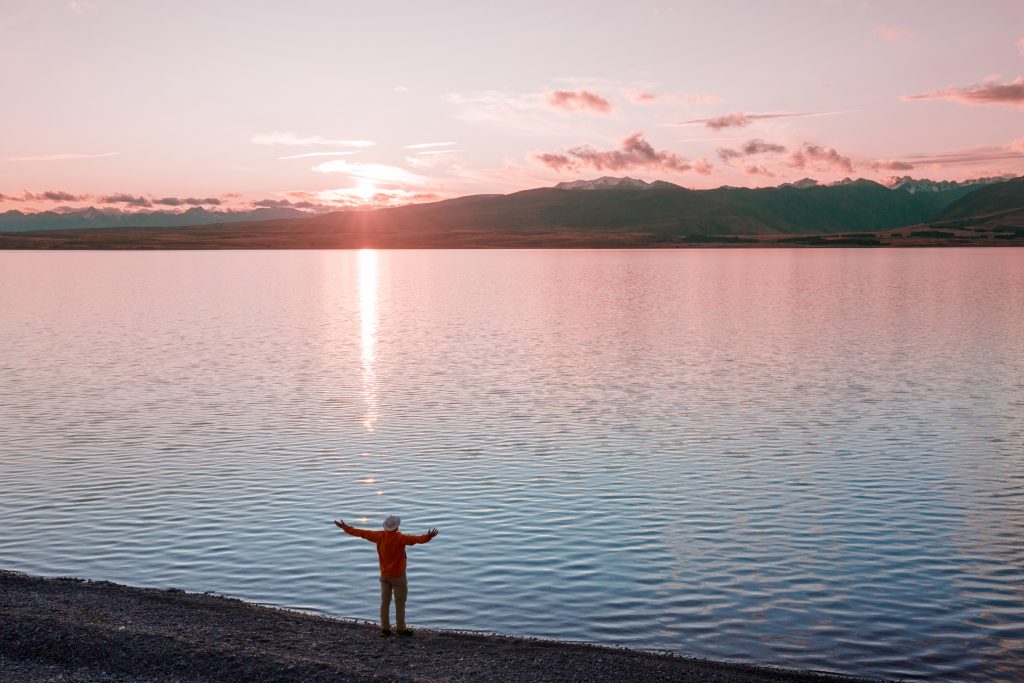
In the past, human decisions were usually made quickly, requiring the development of instinct to support their decision-making ability.
With the introduction of more order and structure to our world, reasoning and analytical thought processes are now more commonly used for making decisions than for using instinct.
While we have maintained our intuitive decision-making abilities, we have developed the ability to use 推理 and analytical thought as well.
Therefore, the ability to use both intuitive and analytical methods to make decisions is now more balanced than it once was.
10. Greater Adaptation to Temperature Changes
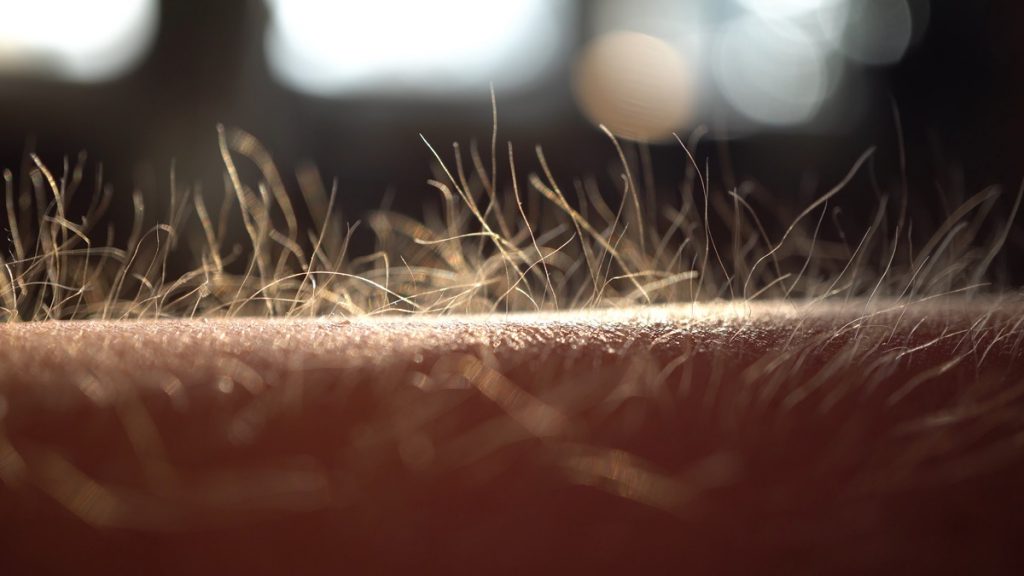
In early human history, adaptation to temperature was primarily accomplished by adjusting our bodies to temperature.
This was due to a lack of clothing and shelter to afford us protection from the natural elements.
Humans today benefit from heating and cooling systems, which affect our body’s response to the natural environment.
Humans still adapt to temperature, but not as often, as their ability is less challenged; therefore, this adaptation is less prone to developing physical resilience.

Born and raised in Bosnia and Herzegovina. Ever since I was a little girl, my imagination knew no bounds. I remember vividly how I’d scribble down short stories, each page bursting with adventures and characters conjured up from the whimsy of my mind. These stories weren’t just for me; they were my way of connecting with my friends, offering them a slice of my fantasy world during our playtimes. The joy and excitement on their faces as we dived into my fictional realms motivated me to keep writing. This early passion for storytelling naturally evolved into my pursuit of writing, turning a childhood hobby into a fulfilling career.