
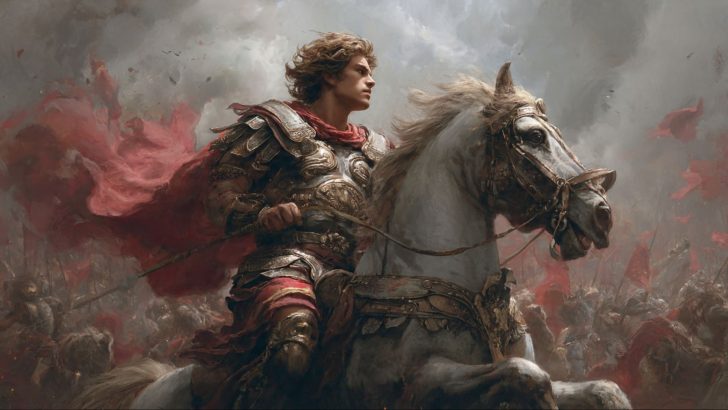
Alexander the Great is hailed as one of history’s greatest warrior rulers.
Celebrated in the West as a hero who reshaped the world, he’s a figure of dread in the East due to his relentless conquests.
His undefeated record on the battlefield made him a legend, and his tactics are still studied in military academies worldwide.
However, behind the myth lies a complex man, driven by ego and a thirst for eternal fame.
His sudden death at a young age only cemented his status as an immortal conqueror.
Let’s explore who Alexander really was – beyond the myth and glory.
1. The Illusion of Invincibility
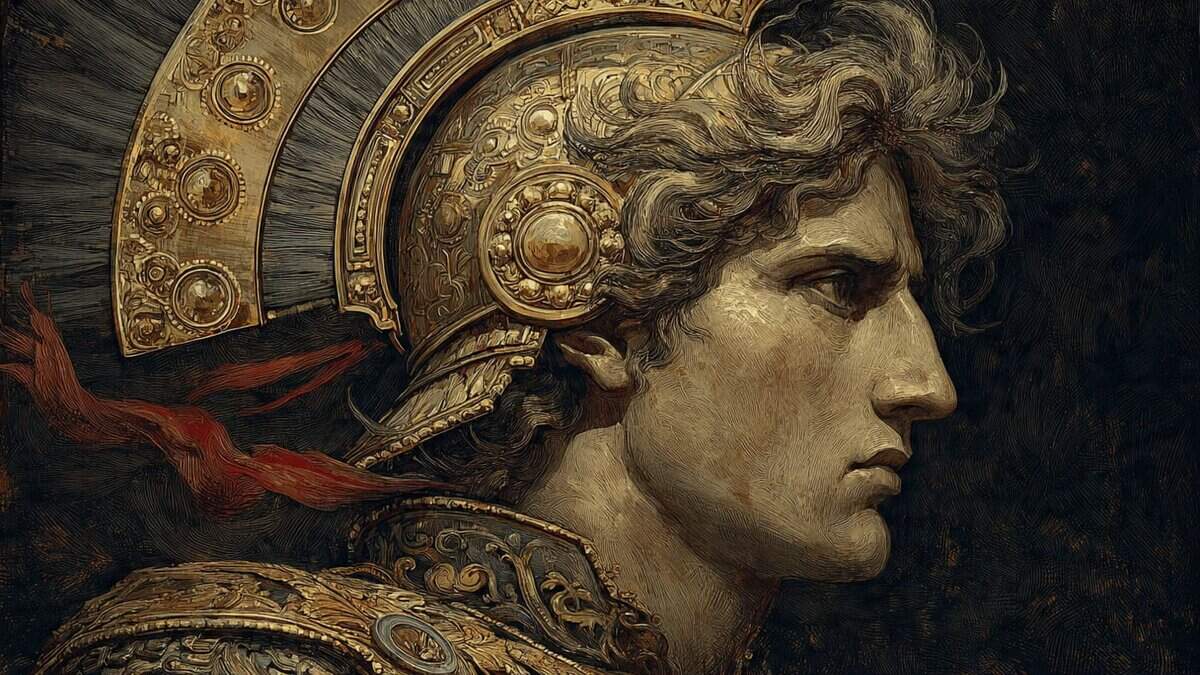
Alexander the Great was special for many things. One of them was the recognition he received during his short life.
Due to his noble background and military success, some people started seeing him as an invincible man.
In fact, Plutarch reported that Alexander stormed the Oracle of Delphi and forced the priestess to proclaim him invincible.
Naturally, this fed his ego, and before long, he truly believed himself to be invincible.
This belief pushed him to take crazy risks. One of these was his quest to conquer territories that were uncharted at the time, like parts of India.
He was obsessed with reaching the “ends of the world.”
This made him reckless, and he kept pushing boundaries. At some point, he truly started to believe that he was a divine figure!
2. The High Education
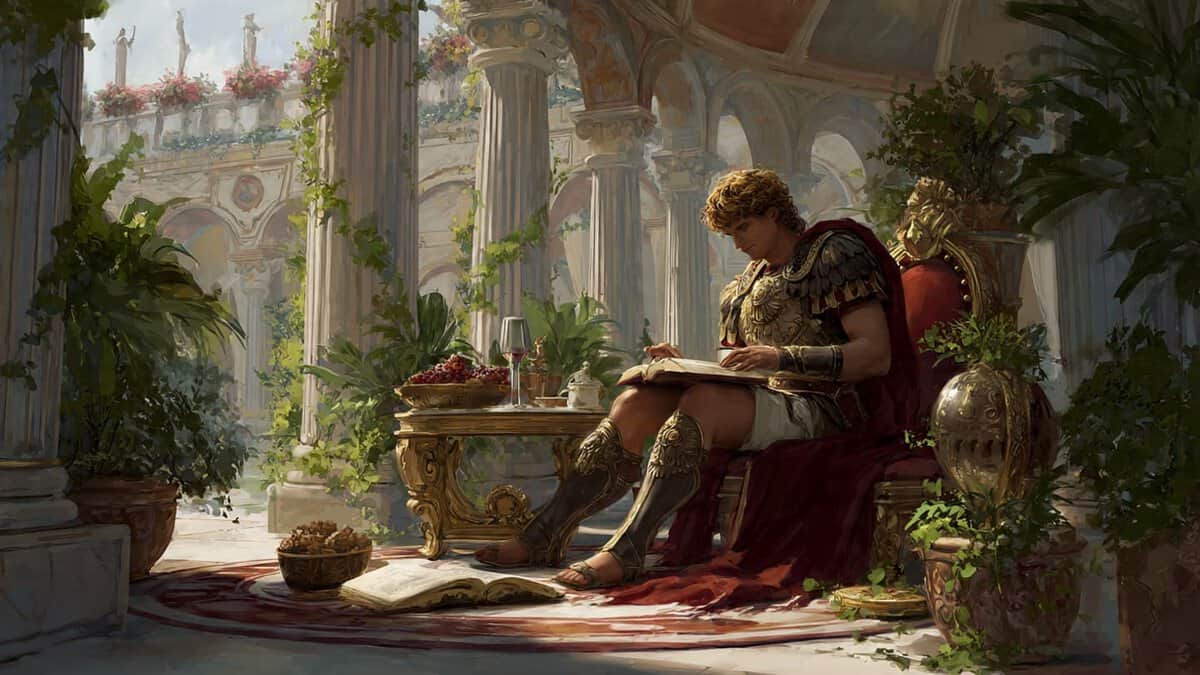
Alexander the Great was tutored by Aristotle, and learned about science, politics, and philosophy.
This high education and wisdom from one of the greatest thinkers of all time were seen as a foundation for his success.
In reality, Alexander didn’t truly live according to these lessons.
Aristotle taught moderation and virtue – the very things Alexander preferred to ignore in his pursuit of glory.
This education ended up being another tool for his ego, instead of guiding his leadership.
The gap between his learned ideals and his brutal actions reveals a man who admired virtue but refused to let it restrain his impulses.
3. Physical Strength and Charisma
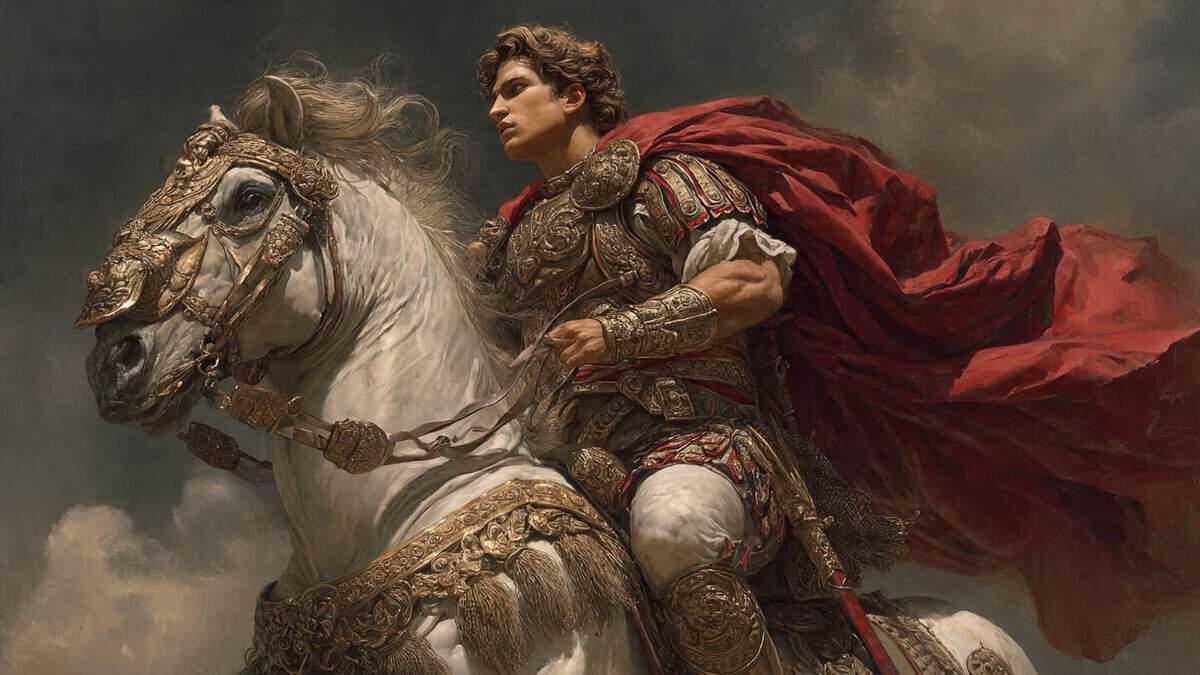
Alexander the Great was known for his stamina 和 martial skill. His charismatic presence inspired loyalty among his troops.
His athleticism was legendary, and he often fought alongside his soldiers, risking his life in every battle.
He was a formidable leader, boasting both physical strength and strategic genius.
Historians believe that all of this success was fueled by Alexander’s need to prove himself as the greatest.
4. The Great Ego
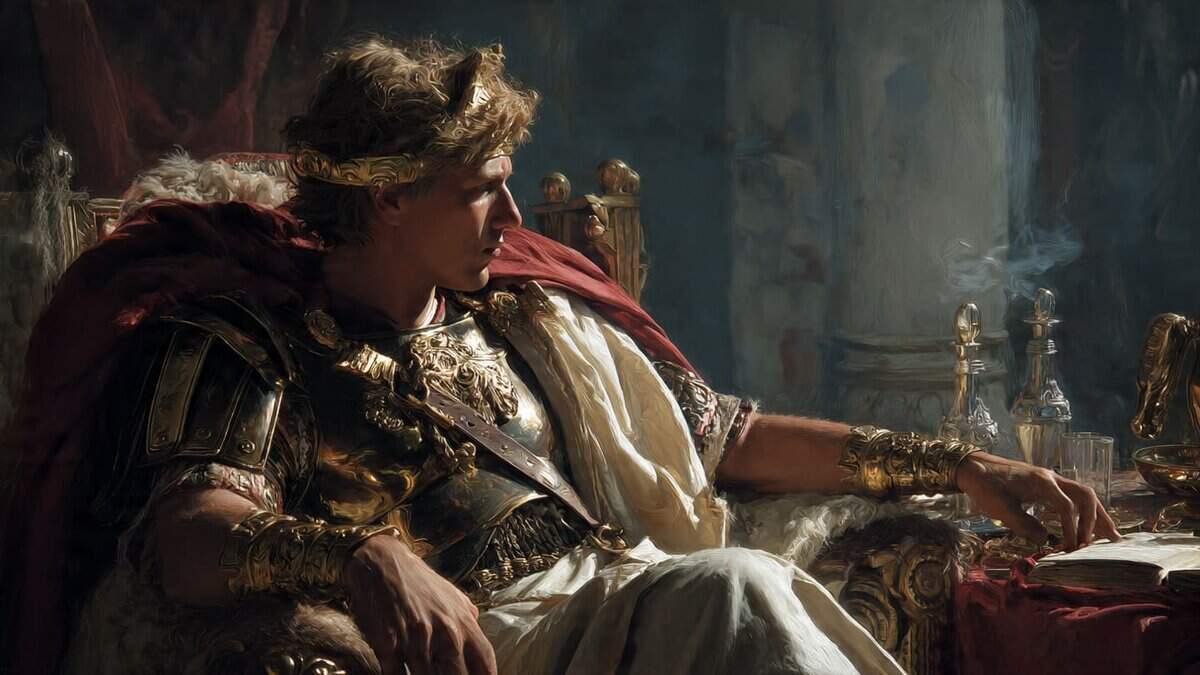
Alexander’s ego was both his greatest motivation and his biggest flaw.
He saw himself as a divine agent, chosen to conquer the world. He also considered himself invincible, which led him to dismiss warnings and advice.
His confidence was contagious, but it also made him blind to his mistakes.
When revolts or logistical failures occurred, he typically refused to adapt, pushing forward as though nothing had happened.
This arrogance ultimately isolated him from his followers, so he started to imagine disloyalty everywhere.
5. The Mad Ambition
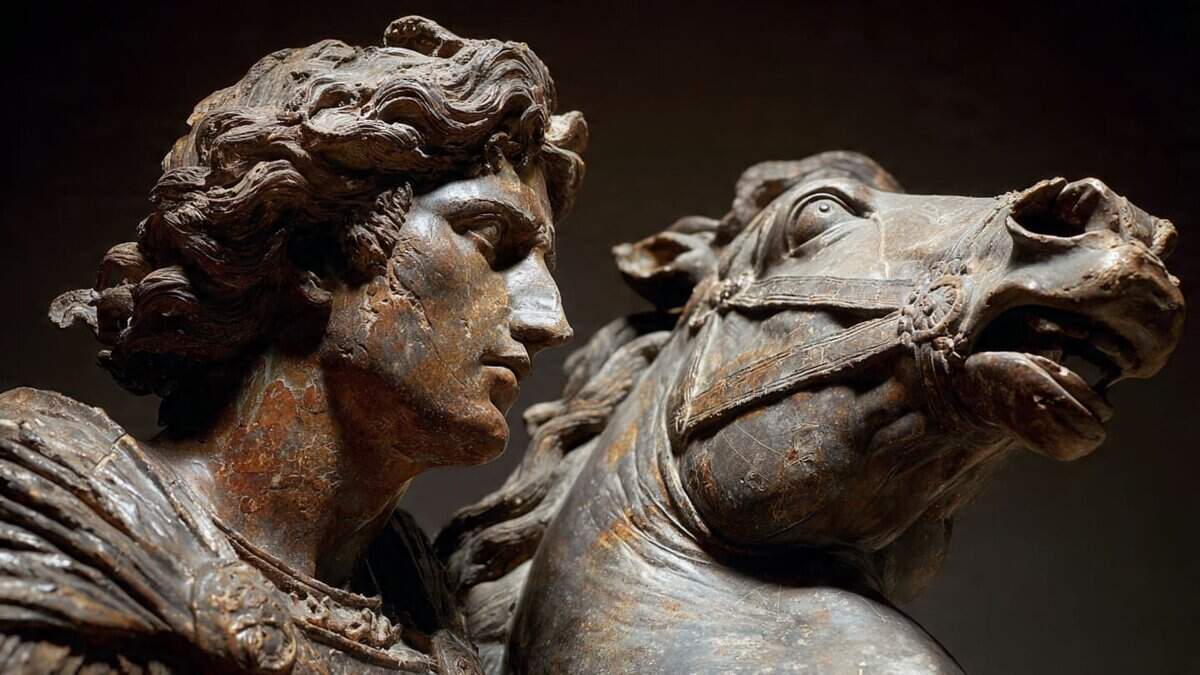
Alexander pursued conquest because he wanted to be remembered as the greatest conqueror in history. From the beginning, he was after eternal fame.
This obsession was so intense that he often ignored the practical limits of his army and resources.
It pushed him to lead risky and brutal campaigns that devastated local populations.
Governance and diplomacy came in second to conquest, which is why his great empire fell apart pretty much immediately after his death.
His ambition ended up being a double-edged sword; it led him to success, but also motivated him to act recklessly.
6. Violence and Control

Alexander the Great was prone to mood swings and often unexpectedly violent.
His punishments for failure and perceived betrayal were brutal, and he ordered executions without providing fair trials.
This ruthlessness was part of his leadership style, and it worked to some degree. The fear kept his army in line, but it also created enemies and resentment.
Even though he’s remembered as a genius strategist, his impulsivity often got the best of him.
These violent outbursts revealed his insecurity and need for control.
Alexander’s violent impulses defined a large part of his rule, even if he was celebrated as a hero.
7. The Divinity Complex
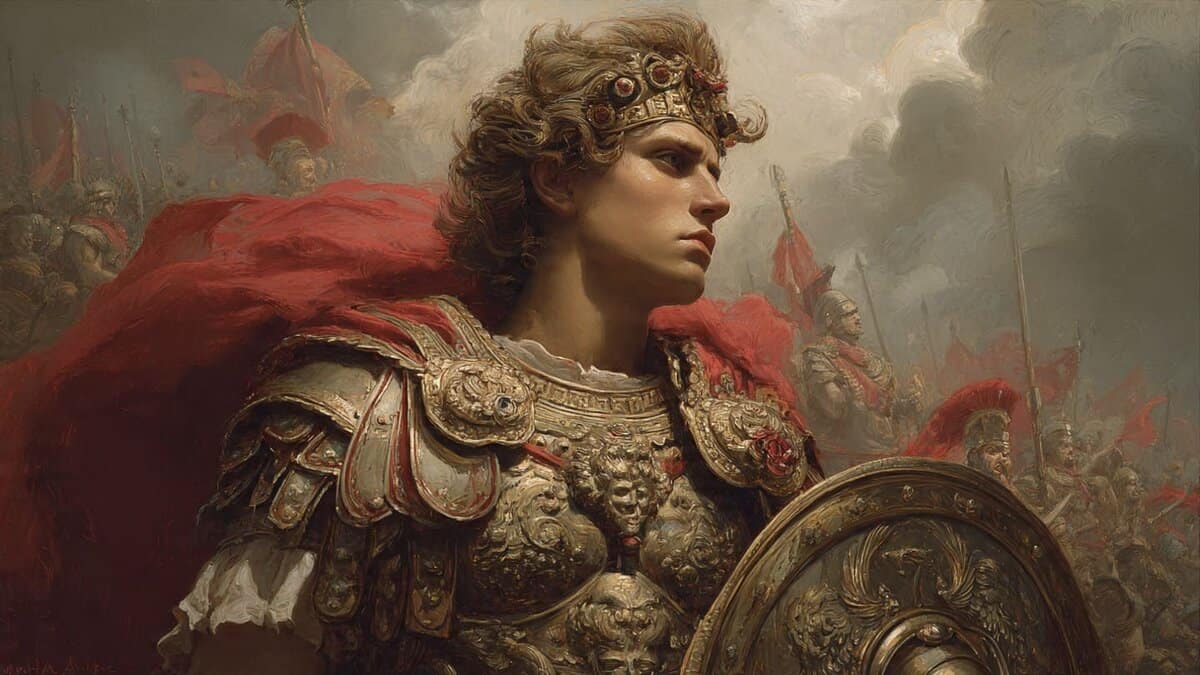
As Alexander the Great grew older and his empire grew, he increasingly saw himself as a divine figure.
He claimed to be a son of Zeus and demanded worship from his followers.
This created a wedge between him and his men, who saw these pretenses as arrogant and blasphemous.
His insistence on being treated as a living god made many of his followers uncomfortable, and it made the growing tensions in the empire even worse.
People began to question his judgment.
Eventually, this alienation led him to become paranoid and imagine enemies everywhere.
8. The Paranoia
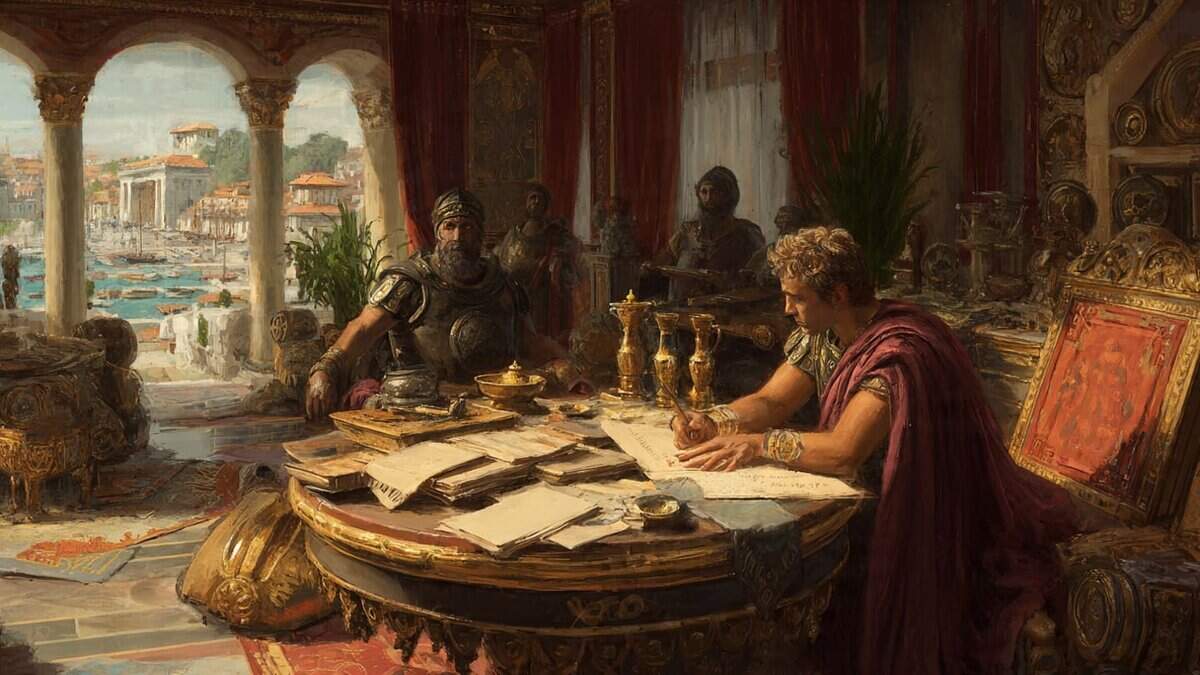
In the last few years of his life, Alexander the Great became paranoid.
He became suspicious of everyone around him, convinced that people were conspiring to overthrow him.
He went as far as executing close allies and trusted generals, which destabilized his rule even more.
The fear of betrayal haunted him, and he responded with brutal purges in an attempt to establish complete control.
This was also a reflection of his ego.
His increased alienation made him even more unpredictable, and the mental instability contributed to his downfall.
It’s assumed that this disarray quickened the collapse of the empire after his death.
9. The Disregard of Local Cultures

Alexander’s policies of Hellenization aimed to spread Greek culture all across his empire, completely disregarding local cultures in the process.
This imposition of the Greek language and governance created resentment everywhere.
Rebellions and uprisings were common, as the conquered peoples tried to preserve their traditions.
Alexander the Great’s policies alienated potential allies and turned them into enemies.
Meanwhile, his conquest of Greece was equally destructive, with city-states suffering devastation and loss of autonomy.
His desire for uniformity created hatred that would outlast him.
10. The Self-Destruction
Alexander the Great was consumed with conquest and fame. He pushed the limits of his army, and even his own health, in this pursuit of glory.
His overindulgence in wine and food took a toll on his body, and many believe his death was a result of fever or overexertion.
Of course, it was also possible that he was poisoned.
His huge ego blinded him to the fact that he had limits.
The desire to become the greatest overshadowed common sense and ultimately led to his early demise.
He died at the age of 32. By that age, he had created an empire that spanned three continents and nearly all of the charted world.
The enormous ambition and success drove him mad. However, this doesn’t only define Alexander; it defines all humans, and what happens when we fly too close to the sun.

A little Aquarius, devoted to writing and embroidery. Through my writing, I hope to empower readers to align with their true selves and navigate life’s mysteries with confidence.