
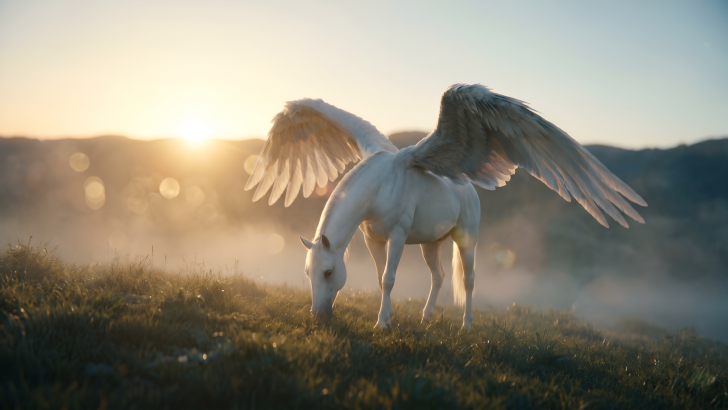
Pegasus is one of the most famous creatures in Greek mythology. It is the story of a beautiful winged horse that could fly across the sky and move faster than the wind.
For ancient Greeks, Pegasus was more than just a fantasy animal. It was a symbol of freedom, inspiration, and divine power.
Many stories from ancient times describe Pegasus appearing in moments of great adventure and heroism.
Even today, people still imagine Pegasus when they think about magic, dreams, and impossible things becoming real.
The idea of a flying horse has inspired books, films, and art for centuries. In this article, we will explore ten amazing facts about Pegasus and why this legendary creature still fascinates people all over the world.
1. Pegasus Was Born From a Monster’s Blood
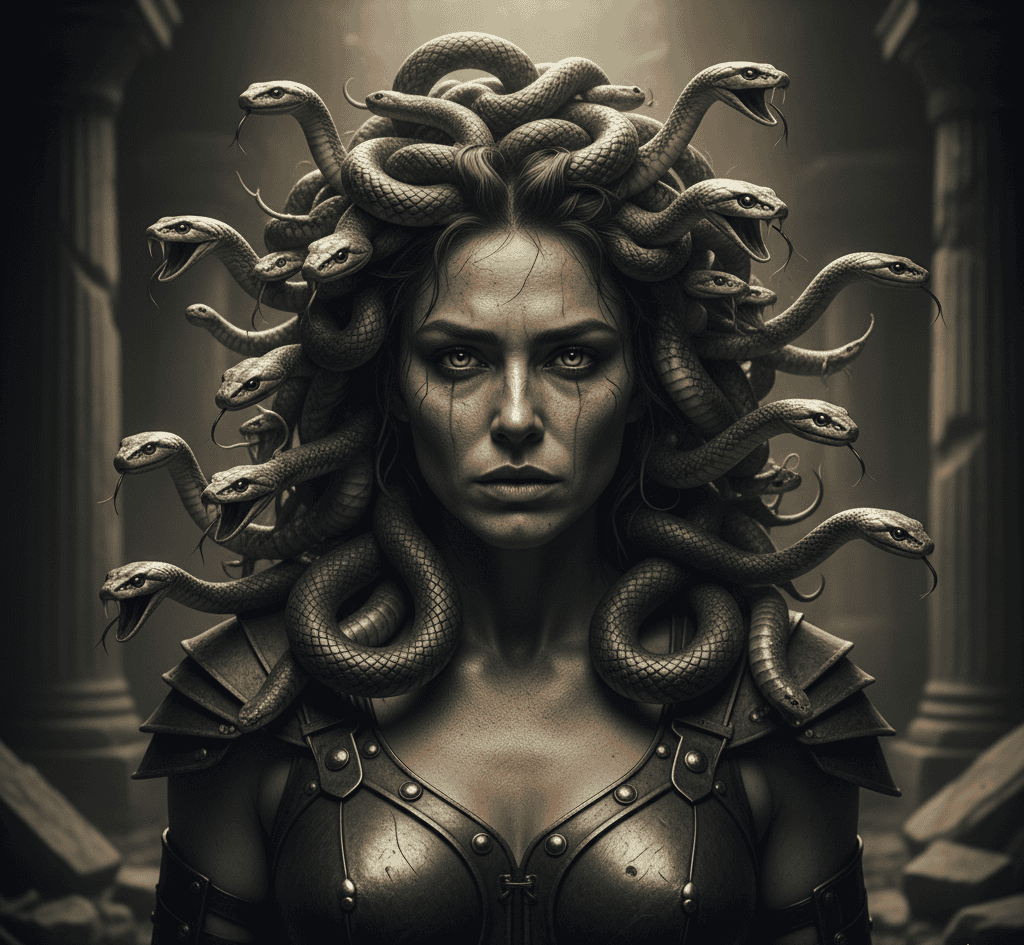
According to myth, Pegasus was born in a very unusual way. When the hero Perseus defeated the Gorgon Medusa, her blood spilled onto the ground.
From that blood, Pegasus suddenly appeared. This strange origin shows how myths often connect beauty and danger at the same time.
Something terrifying created something magical. It is a reminder that even dark events in stories can lead to unexpected wonder.
Pegasus did not come from an ordinary birth, which makes the creature feel even more special and otherworldly in Greek mythology.
2. He Was a Pure White Winged Horse
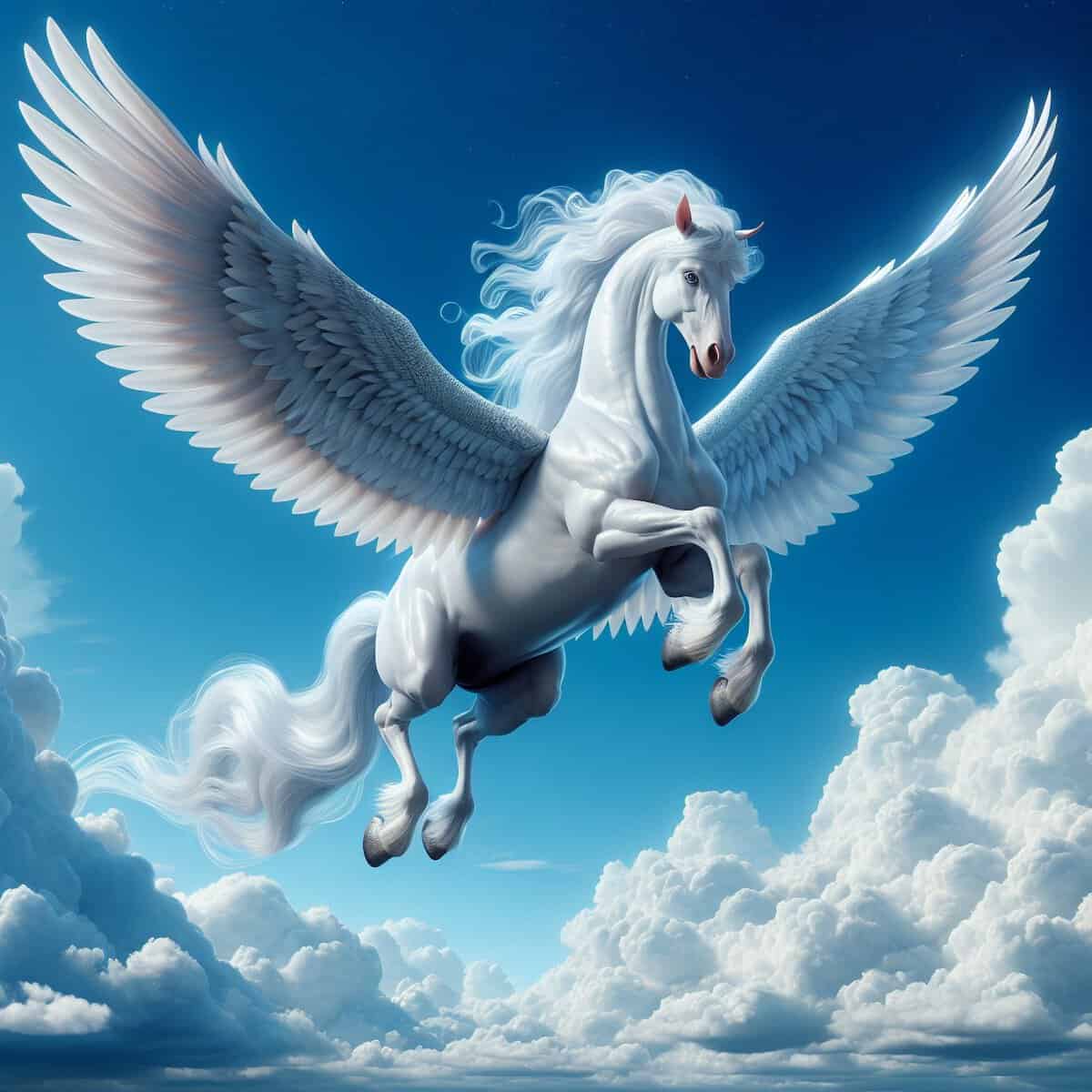
Pegasus is often described as a pure white horse with large wings. The white color represents purity and divine nature in many ancient stories.
His wings made him different from any normal animal, allowing him to fly freely through the sky. This image of a bright white flying horse became a symbol of freedom and imagination.
People in ancient Greece believed that Pegasus belonged more to the world of gods than humans. His appearance alone made him stand out as something magical and unforgettable.
3. Pegasus Could Fly Faster Than the Wind
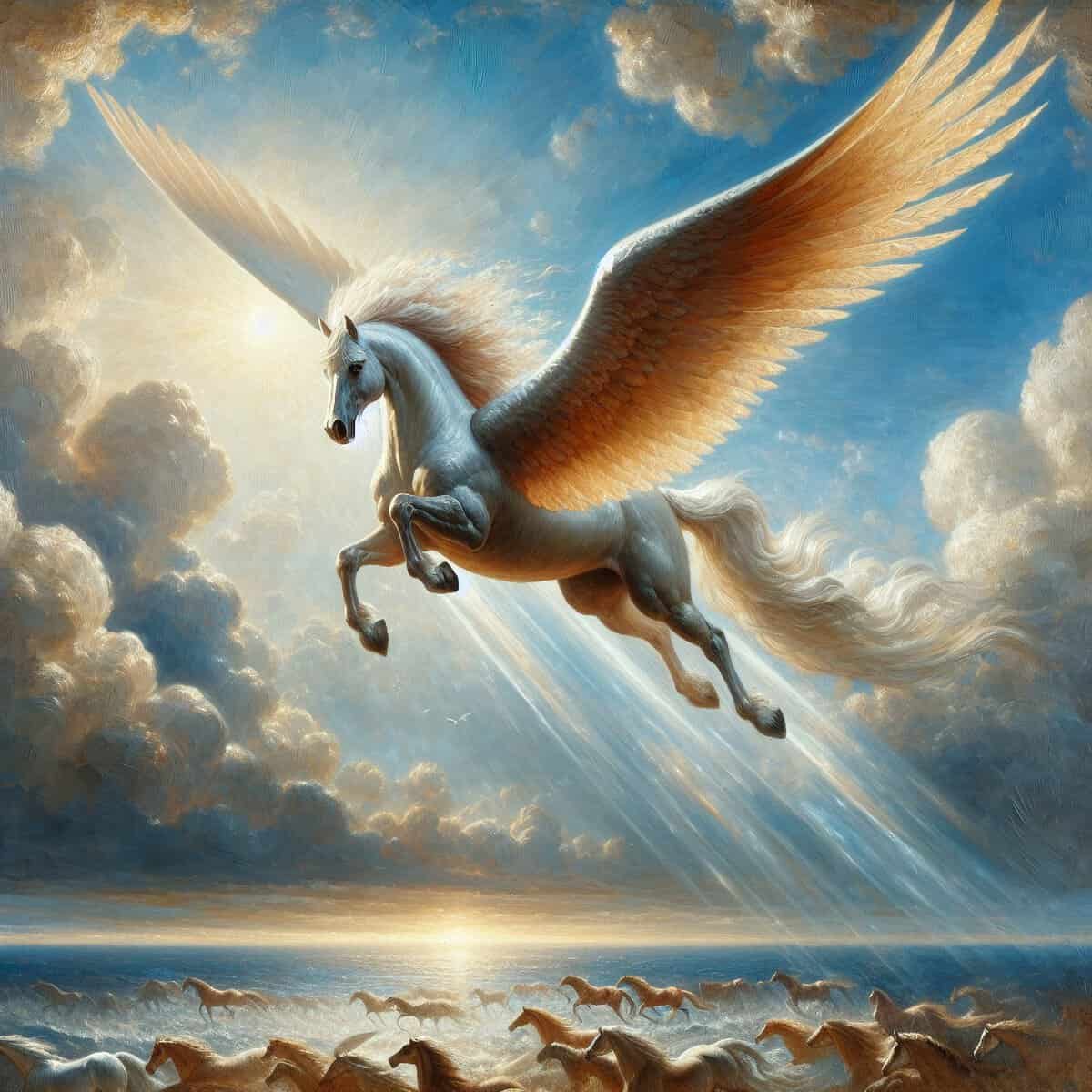
One of the most exciting parts of Pegasus’s story is his incredible speed. He was said to fly faster than the wind itself.
This made him a powerful and almost unstoppable creature. In myths, he could travel across mountains, seas, and skies in moments. This ability gave heroes a sense of wonder when they saw him.
Pegasus represented the idea of escaping limits and reaching places that seemed impossible. His speed made him a symbol of imagination moving beyond boundaries.
4. He Was Tamed by the Hero Bellerophon
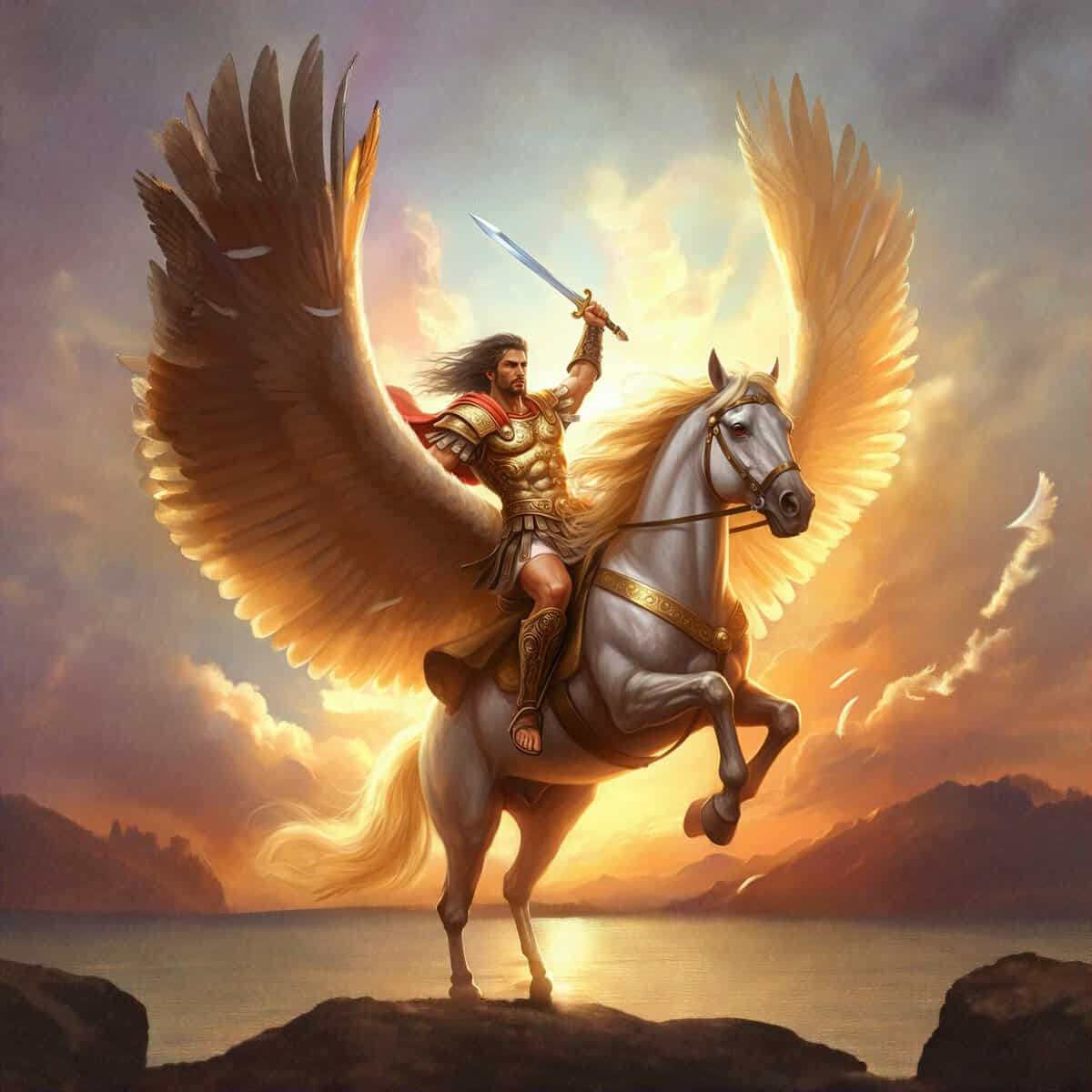
Pegasus was not always easy to control. According to myth, the hero Bellerophon was the one who managed to tame him.
He did this with the help of a magical golden bridle given by the goddess Athena. After that, Pegasus became his loyal companion.
Together, they went on many adventures. This partnership shows the connection between courage and divine help in Greek mythology.
Without Pegasus, Bellerophon could not have achieved his great victories. Without Bellerophon, Pegasus would remain a wild and untamed spirit.
5. Pegasus Helped Defeat the Chimera
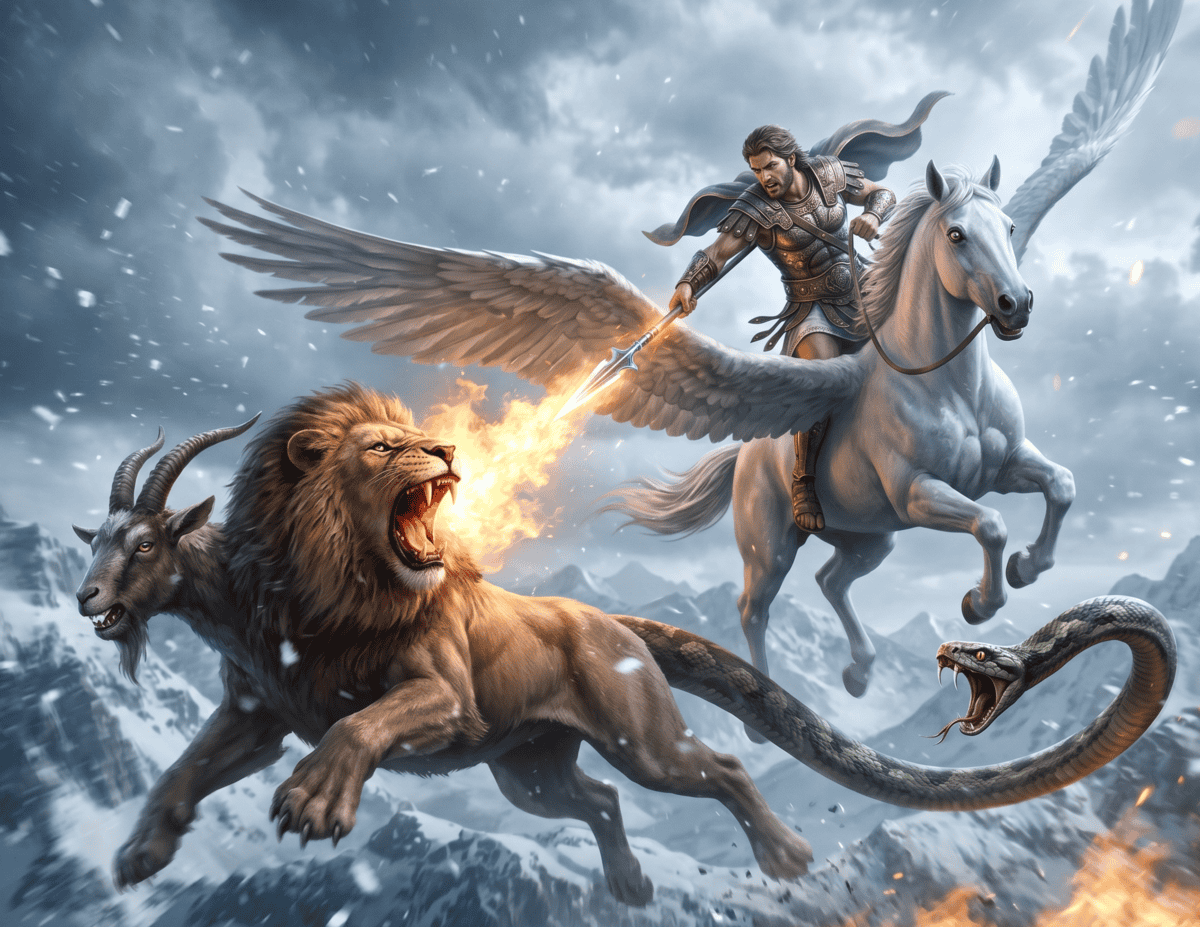
One of the most famous stories involving Pegasus is the battle against the Chimera, a fire-breathing monster.
Riding Pegasus, Bellerophon was able to attack the creature from the sky, where it could not reach him. This gave him a huge advantage.
Pegasus made it possible for the hero to win a battle that would have been impossible on the ground.
This story shows how teamwork between humans and mythical creatures can lead to victory. Pegasus played a key role in one of the greatest monster battles in mythology.
6. He Was Connected to the Gods
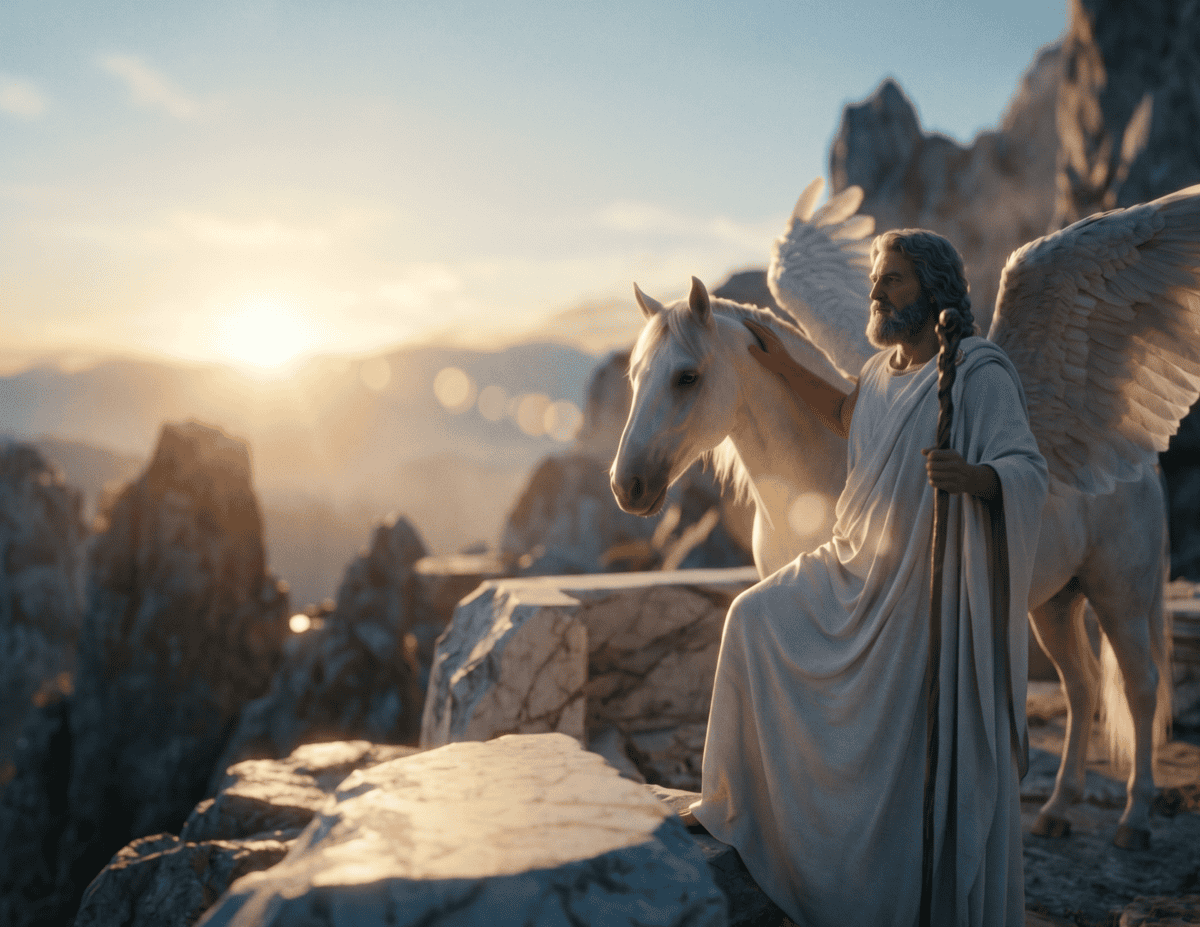
After many adventures, Pegasus eventually became associated with the gods. In some versions of the myth, he was taken to live among the stars or serve Zeus, the king of the gods.
This shows that Pegasus was seen as more than just a creature of Earth. He belonged to the sky and the divine world.
His journey from wild horse to divine being reflects the idea of rising above ordinary life. Pegasus became a symbol of spiritual elevation and higher purpose.
7. The Mistrust Between Pegasus and Humans
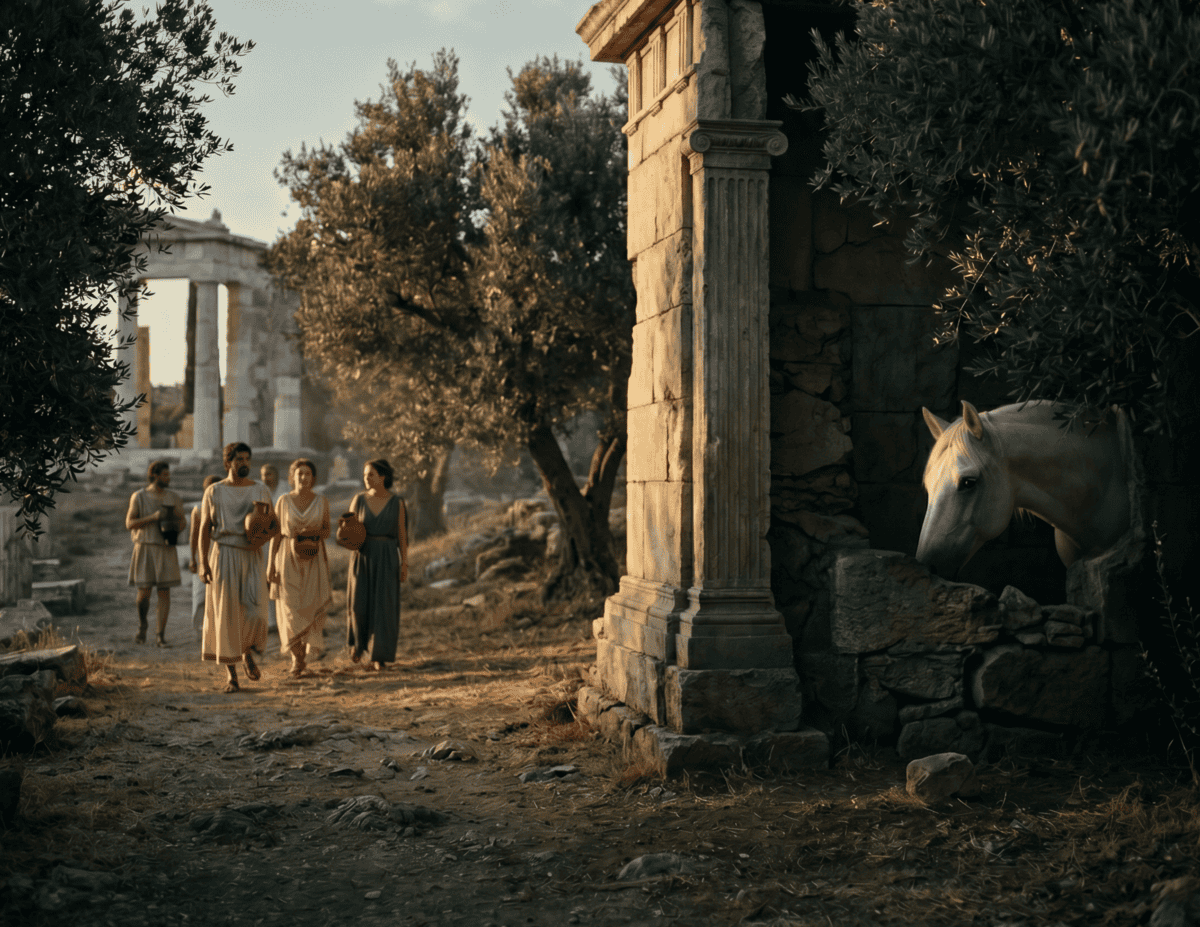
Even though Pegasus helped humans, he was still a wild and powerful creature. Myths suggest that he could not be fully controlled by human hands alone.
This created a sense of respect and caution around him. Pegasus represents the idea that some forces in life are beautiful but cannot be completely owned or controlled.
This balance between trust and independence is an important part of his story. It reminds us that not everything powerful can be fully contained.
8. Pegasus Became a Constellation in the Sky
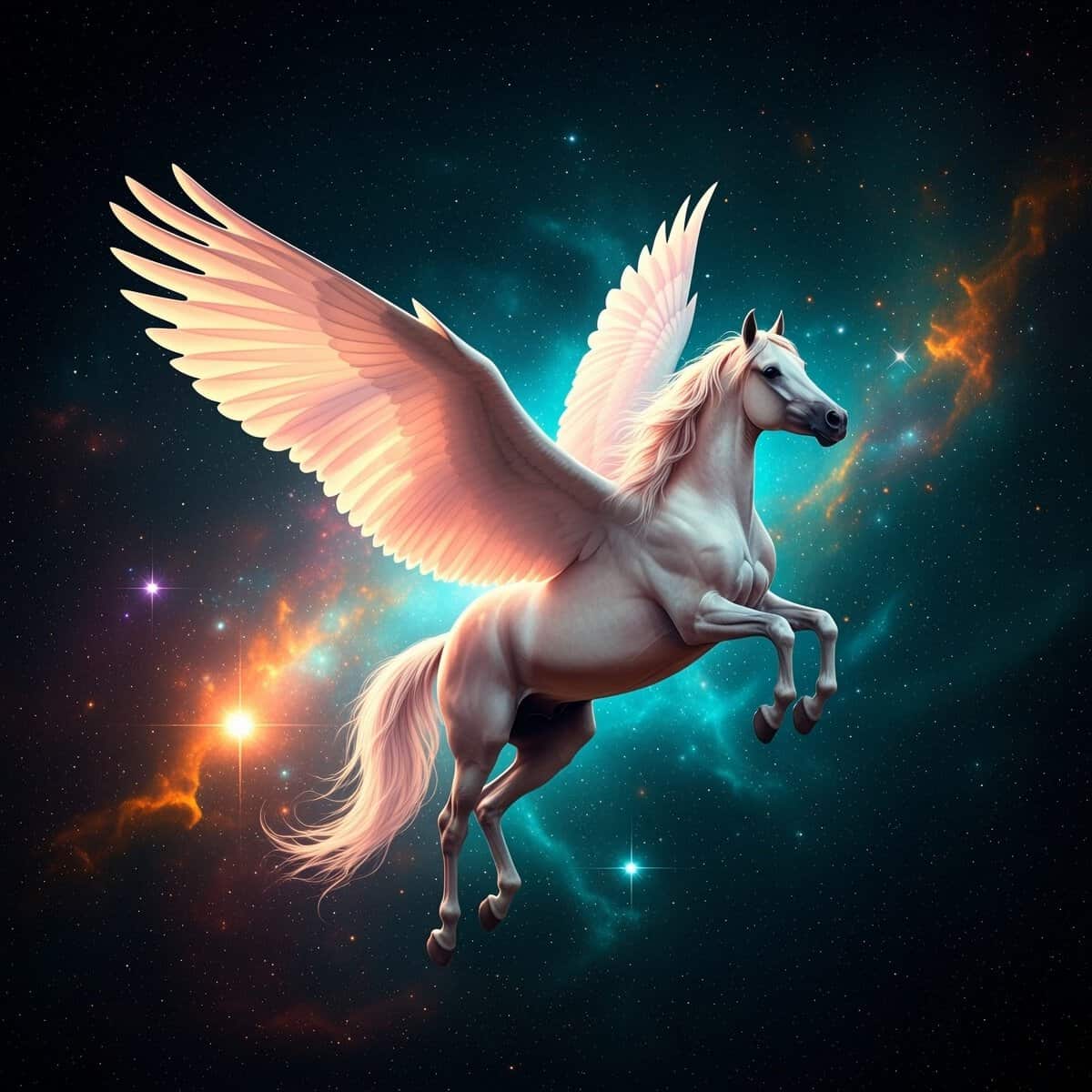
In ancient stories, Pegasus was eventually placed among the stars as a constellation. This means people believed he became part of the night sky.
When people looked up at the stars, they could imagine the shape of the winged horse flying forever. This transformation gave Pegasus eternal life in the heavens.
It also connected mythology with astronomy. For ancient observers, the night sky was full of stories, and Pegasus was one of its most beautiful symbols.
9. He Represents Inspiration and Creativity
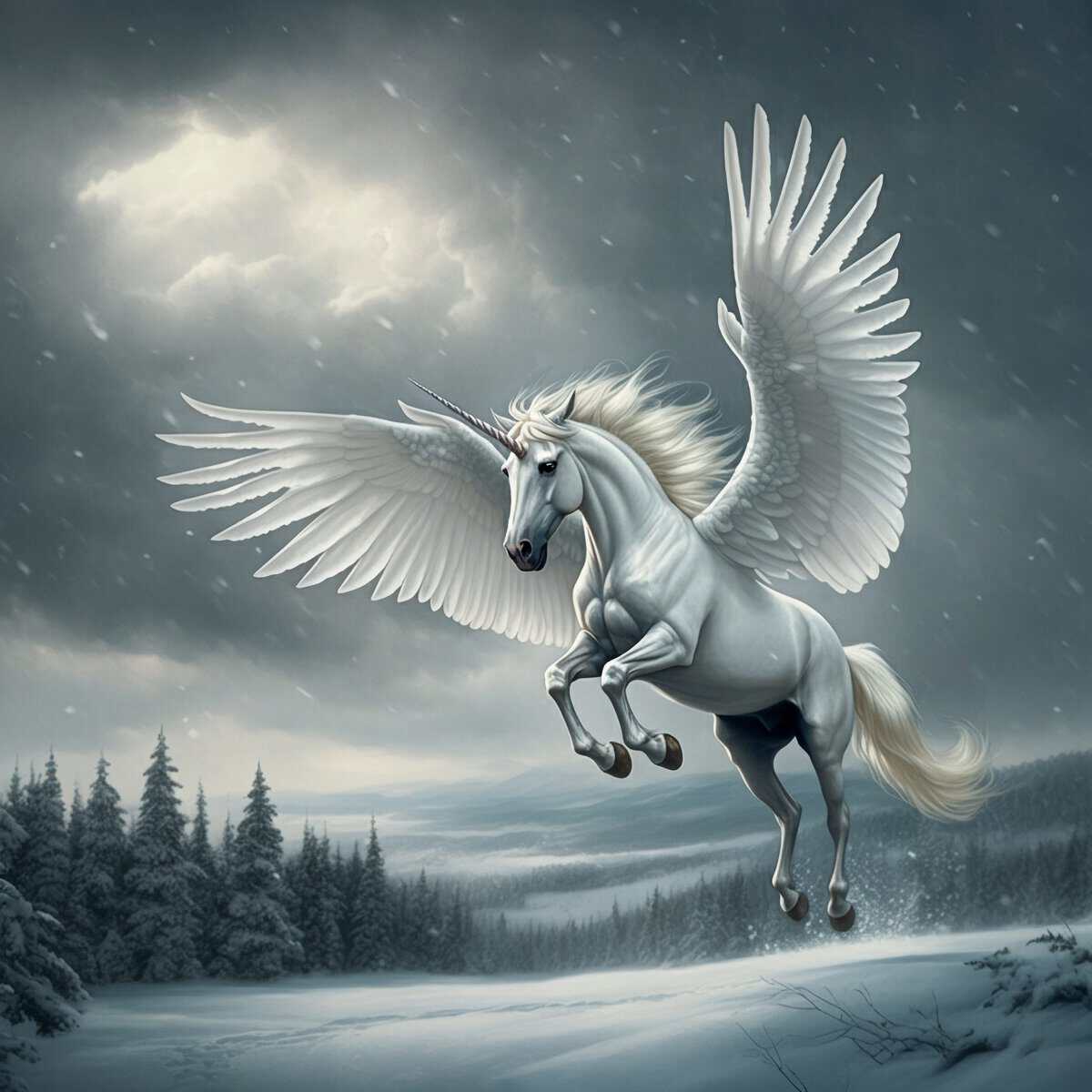
Over time, Pegasus became a symbol of inspiration, especially in art and poetry. Writers and artists saw him as a creature that carried imagination into the sky.
The idea of a flying horse represents creativity breaking free from limits. Even today, Pegasus is used in logos, books, and films to represent imagination and dreams.
His image reminds people to think beyond what seems possible and to explore new ideas without fear.
10. Pegasus Still Inspires Modern Stories

Even thousands of years after his story was first told, Pegasus continues to inspire modern culture. He appears in movies, fantasy books, video games, and artwork.
People are still fascinated by the idea of a horse that can fly. Pegasus represents hope, freedom, and imagination that refuse to stay on the ground.
His story shows how ancient myths can still feel alive today. As long as people dream of flying and freedom, Pegasus will continue to live in human imagination.

自出生以来,我一直感觉到自己与神灵有着紧密的联系。作为一名作家和导师,我的使命是帮助他人在最黑暗的时刻找到爱、幸福和内心的力量。