

Ancient punishments were often harsh, but not all of them were simply about pain or fear. Some were surprisingly creative and even had a strange sense of humor.
Instead of using force, certain societies chose punishments that embarrassed people, made them think about their actions, or turned the situation into a lesson for others.
These punishments could be unusual, clever, and sometimes even a little funny to imagine today.
While they were still meant to correct behavior, they often reflected the values and creativity of the people who created them.
Here are ten ancient punishments that were not only unusual but also strangely creative and, in some ways, almost fun to think about.
1. The Stocks
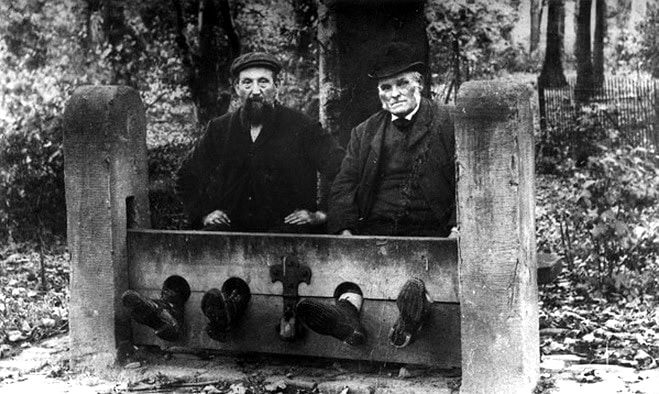
The stocks were a wooden frame that held a person’s head and hands in place. While it limited movement, the real punishment came from public attention.
People passing by could laugh, shout, or throw soft items like food. In some cases, it became more of a public show than a painful punishment.
The person had to sit there while others reacted, which could be embarrassing but also strangely social. In small towns, it sometimes turned into a gathering moment for the community.
While not truly fun for the person involved, it had a lighter side compared to more severe punishments, focusing on shame rather than serious harm.
2. Wearing Funny Signs
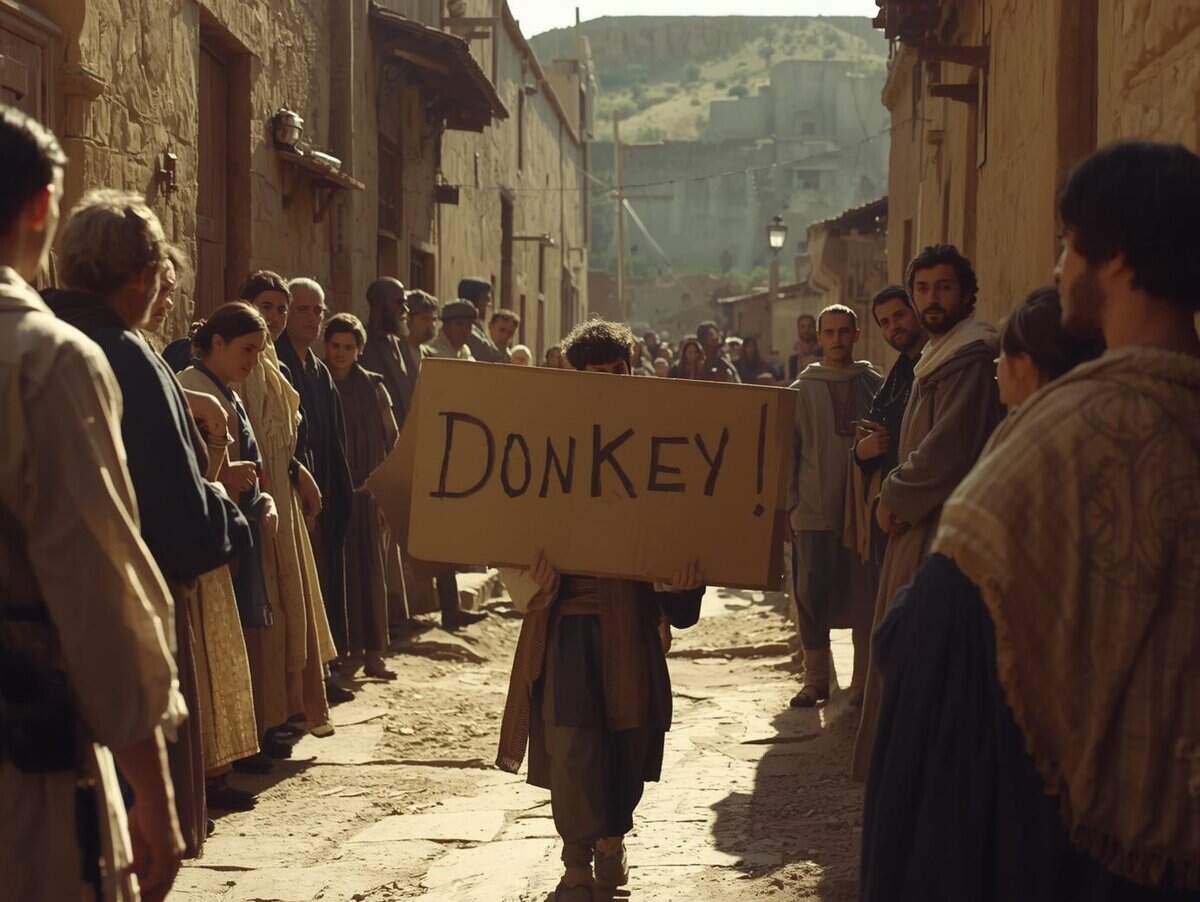
In some ancient and early societies, people who broke rules were made to wear signs that described their wrongdoing.
These signs could be funny, exaggerated, or even mocking. The goal was to make the person reflect on their actions while also entertaining others.
Walking around with a sign turned the punishment into a public lesson. It was simple, creative, and did not cause physical harm.
Over time, this idea has continued in different forms, even in modern times. While embarrassing, it could also bring a sense of humor to the situation.
3. The Dunce Cap
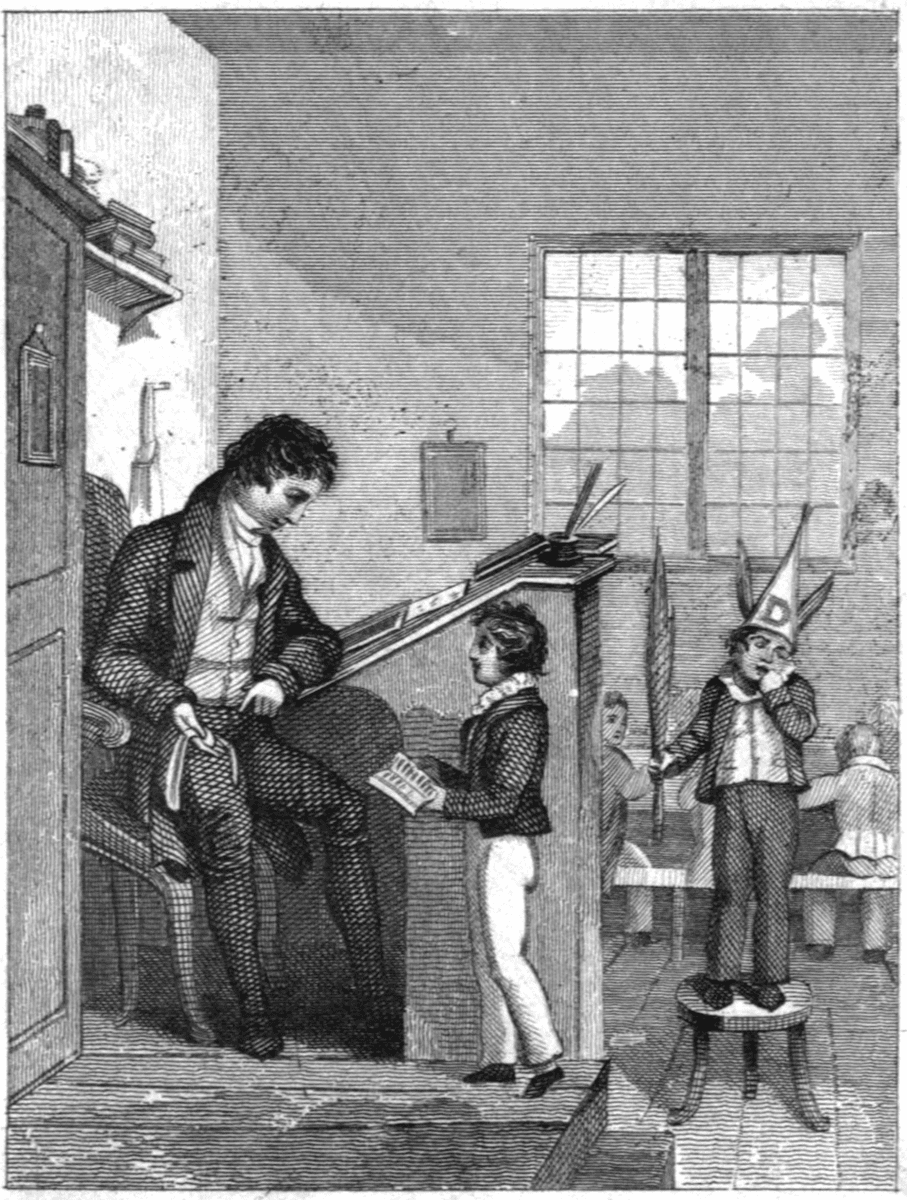
The dunce cap was used to embarrass students who were seen as slow learners or who misbehaved.
The tall, pointed hat made the person stand out in a room, drawing attention in a harmless but awkward way.
Instead of punishment through pain, it focused on making the person feel silly. While it may seem unfair today, it was considered a way to encourage better behavior or effort.
The idea was that no one wanted to be seen wearing the cap, so they would try harder next time. It shows how embarrassment was often used as a tool to guide behavior in a creative way.
4. Public Apology Performances
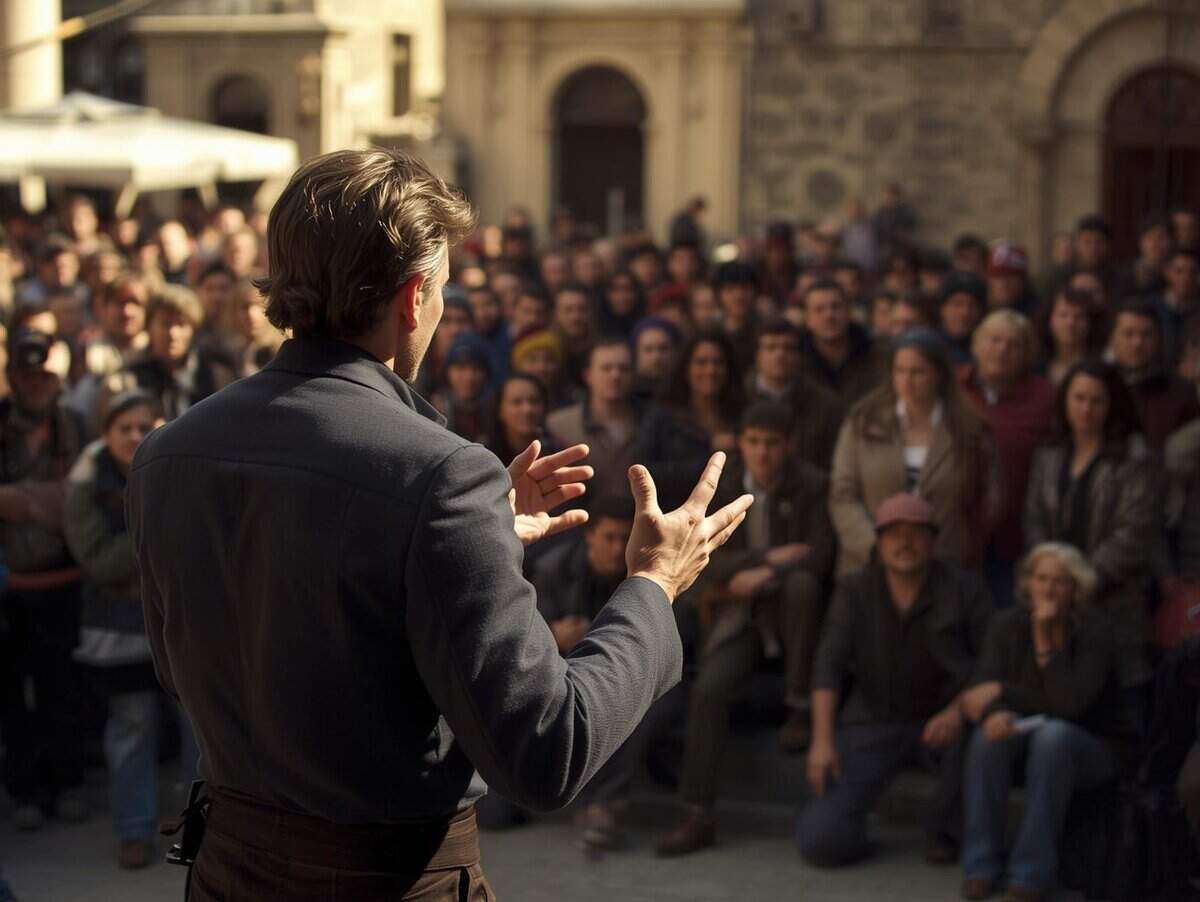
In some ancient cultures, people were required to perform a public apology. This could involve speaking, singing, or even acting out their mistake in front of others.
It turned punishment into a kind of performance. The person had to admit what they did and show they understood it was wrong.
While this could feel uncomfortable, it also allowed them to explain themselves and move on. In some cases, the audience would respond with laughter or support.
This type of punishment focused on learning and connection rather than fear. It encouraged honesty and made the lesson memorable in a creative way.
5. Carrying a Heavy Object

Instead of being locked away, some people were made to carry a heavy object through the streets. This could be a stone or another item that symbolized their mistake.
While tiring, it was not meant to harm but to create awareness. Others could see and understand what the person had done.
It also gave the person time to think as they completed the task. In a way, it turned punishment into a physical lesson.
Compared to more serious penalties, it was a simple and creative approach. It combined effort, visibility, and reflection in one unusual form of discipline.
6. The Scold’s Bridle
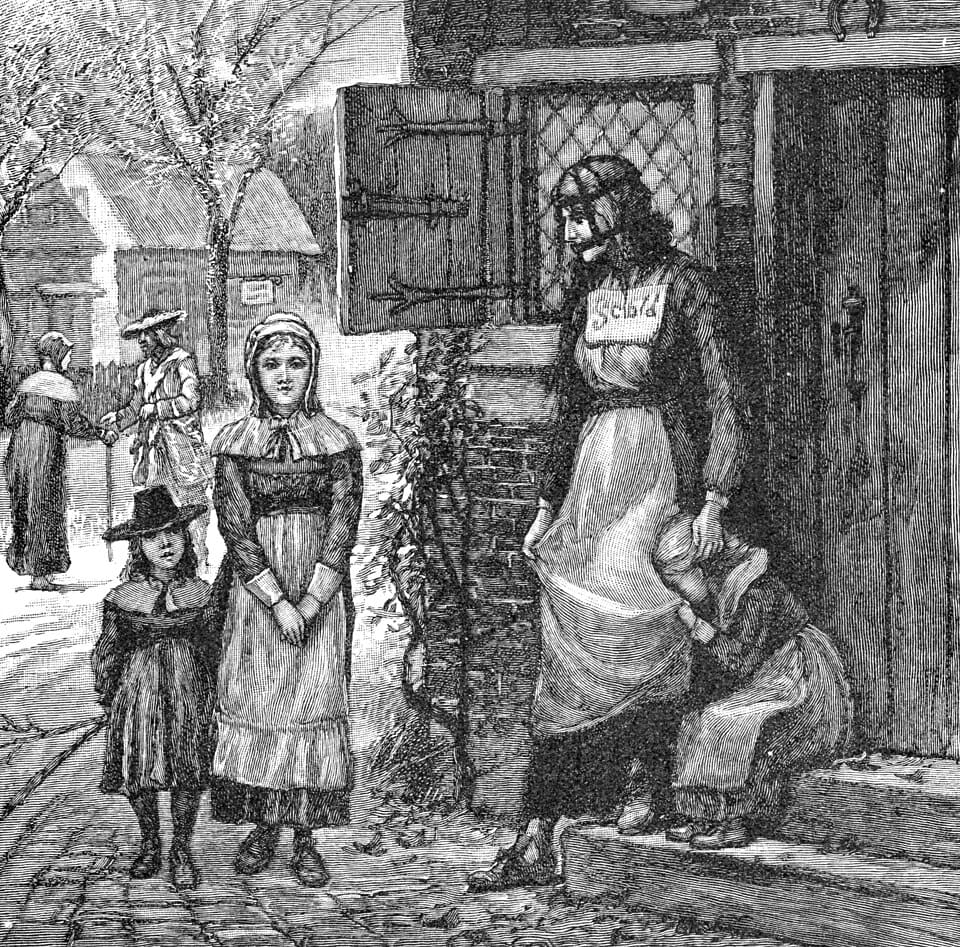
The scold’s bridle was a metal mask used mostly on people accused of talking too much or spreading gossip.
While it sounds harsh, some versions were designed more for show than harm. The mask made it difficult to speak and drew attention in public spaces.
The goal was to stop behavior without using force. Over time, it became known as a strange and symbolic punishment.
It showed how societies sometimes used unusual tools to control actions. While not exactly fun for the person wearing it, it had a creative and symbolic purpose that made it stand out in history.
7. Writing Lines Repeatedly
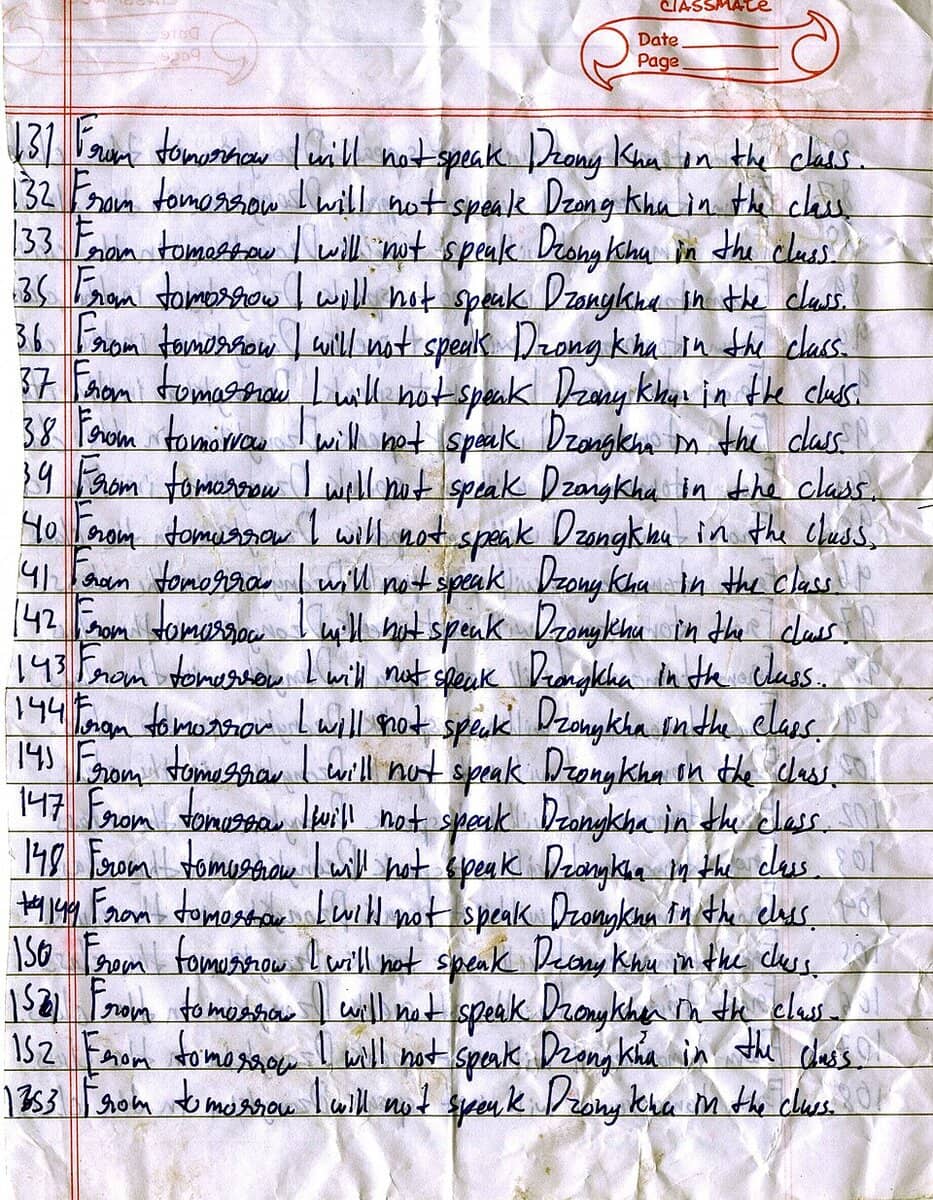
This method has been used for centuries. People were required to write the same sentence over and over, often admitting their mistake.
It may sound boring, but it was meant to help the lesson stick in the mind. Repetition made the person focus on their actions and think about how to do better.
It was simple and required no special tools. In some cases, people would even try to make it more interesting by changing their writing style or speed.
While not exciting, it was a peaceful and creative way to encourage better behavior without causing harm.
8. Being Sent on Silly Tasks

In some places, people were given unusual or slightly silly tasks as punishment.
This could include doing extra chores, cleaning areas that did not really need cleaning, or repeating simple actions many times.
These tasks were not harmful, but they required effort and patience. Sometimes, they even had a humorous side.
The goal was to teach responsibility while keeping things light. By completing the task, the person showed they understood their mistake.
It was a creative way to turn punishment into action. It also helped build discipline in a simple and practical way.
9. Public Storytelling of the Mistake

In certain traditions, a person had to retell the story of what they did wrong in front of others.
This turned punishment into a lesson for both the speaker and the audience. By explaining their actions, the person had to face the truth and accept responsibility.
It also allowed others to learn from the situation. Sometimes, these stories included humor or reflection, making them more engaging.
This method focused on growth and understanding rather than fear. It showed how communication and honesty could be powerful tools.
Even today, sharing experiences is seen as a strong way to learn and improve.

自出生以来,我一直感觉到自己与神灵有着紧密的联系。作为一名作家和导师,我的使命是帮助他人在最黑暗的时刻找到爱、幸福和内心的力量。