

When parents are emotionally absent, a child is left with an 情感创伤 that can last a lifetime.
Apathetic parents neglect their children emotionally, often ignoring their feelings, dreams, and never creating a space for them to truly express their ideas.
These children grow up to become adults who question their worth and struggle to connect with their own feelings.
The damage isn’t always visible, but it’s there, and it can stick around long beyond childhood.
1. A Lack of Responsiveness

Apathetic parents tend to be emotionally distant. They’re physically there, but not really invested in their kids’ inner lives.
They rarely ask questions or show genuine interest. Instead, 互动 是 minimal, often surface-level exchanges about chores or school.
They rarely respond when their child is upset or excited.
It seems as though apathetic parents don’t feel responsible for what their child feels. Instead, they consider only tangible things like food and health to be their concern.
This indifference makes children feel invisible, especially since parents are their main source of safety and comfort.
Over time, they start to believe that their feelings aren’t worth sharing.
This neglect ruins a child’s sense of self and their trust in others.
2. The Pain of Emotional Neglect

When parents are apathetic to their child’s emotional needs, the child starts to feel empty.
Even if they understand that their parents love them and provide for them, they can’t feel it inside. Their natural need for connection remains unfulfilled.
Many kids develop coping strategies, like emotional numbness, rebellious behavior, or getting validation from other people.
The emotional deprivation robs them of feeling truly seen by the only people they look up to.
This can affect their self-esteem, as well as their ability to form emotional connections down the line.
3. Apathetic Parents and the Burden of Parenthood

Apathetic parents often see raising their children as a chore, not as something they’re naturally happy to do.
This attitude shows in their minimal involvement and lack of enthusiasm.
The child picks up on this disinterest and internalizes it. They start to believe they are a burden, unworthy of attention and love.
Many children feel isolated because of this dynamic, feeling as though they don’t have anyone to turn to.
This can stunt their emotional development because they’re not given the guidance needed to navigate the world.
Instead, they’re left to figure things out on their own, which leads them to grow up with constant stress and loneliness.
4. The Lack of Rules

Apathetic parents typically don’t set clear rules and boundaries, which can also make their children feel unsafe.
Without proper guidance, kids struggle to understand what’s acceptable and how to regulate their own behavior.
This absence of structure can also be seen as a form of neglect, leaving kids to fend for themselves.
This usually plays out in two ways.
Either a child grows up thinking rules aren’t important, which means they’re more likely to get into trouble, or they start to feel like it’s their needs that don’t matter.
Neither is healthy, and in the worst cases, this neglect becomes a form of trauma.
The lack of boundaries leaves kids vulnerable and often leads them to enter unsafe relationships later in life.
5. The Illusion of Love
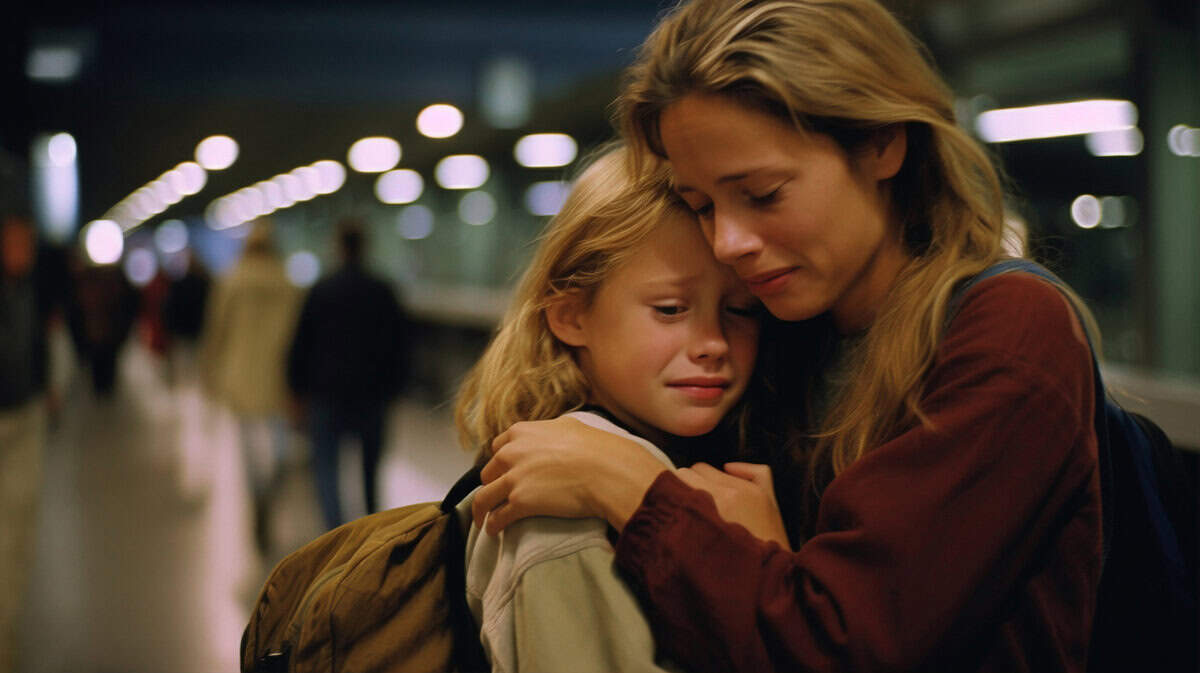
Many children raised by apathetic parents grow up feeling disconnected and unloved. They might rationalize it to themselves that their parents care, but they can’t feel it.
This creates a confusing paradox.
Sometimes, people who have been brought up like this idealize their parents in an attempt to convince themselves that everything was fine.
This defense helps them avoid painful feelings and memories.
Despite this avoidance, they might experience difficulties forming relationships and counting on others.
The core issues is that love never felt real as they grew up, so it’s hard to believe that it’s real even in adult relationships.
6. Other Traumas

Unfortunately, apathetic parents often expose their children to different traumatic experiences, like substance abuse, instability, and, in the worst cases, violence.
Children in these environments grow up constantly on edge, never knowing who to trust.
They often develop emotional numbness as a survival mechanism.
These compounded traumas make healing more complicated because the child’s emotional needs are ignored on multiple levels.
They might adopt dangerous coping strategies or struggle with intense relationship issues later in life.
Children of apathetic parents don’t just lack attention; they lack love, security, and safety, all in their formative years.
7. Kids Give Up on Their Needs
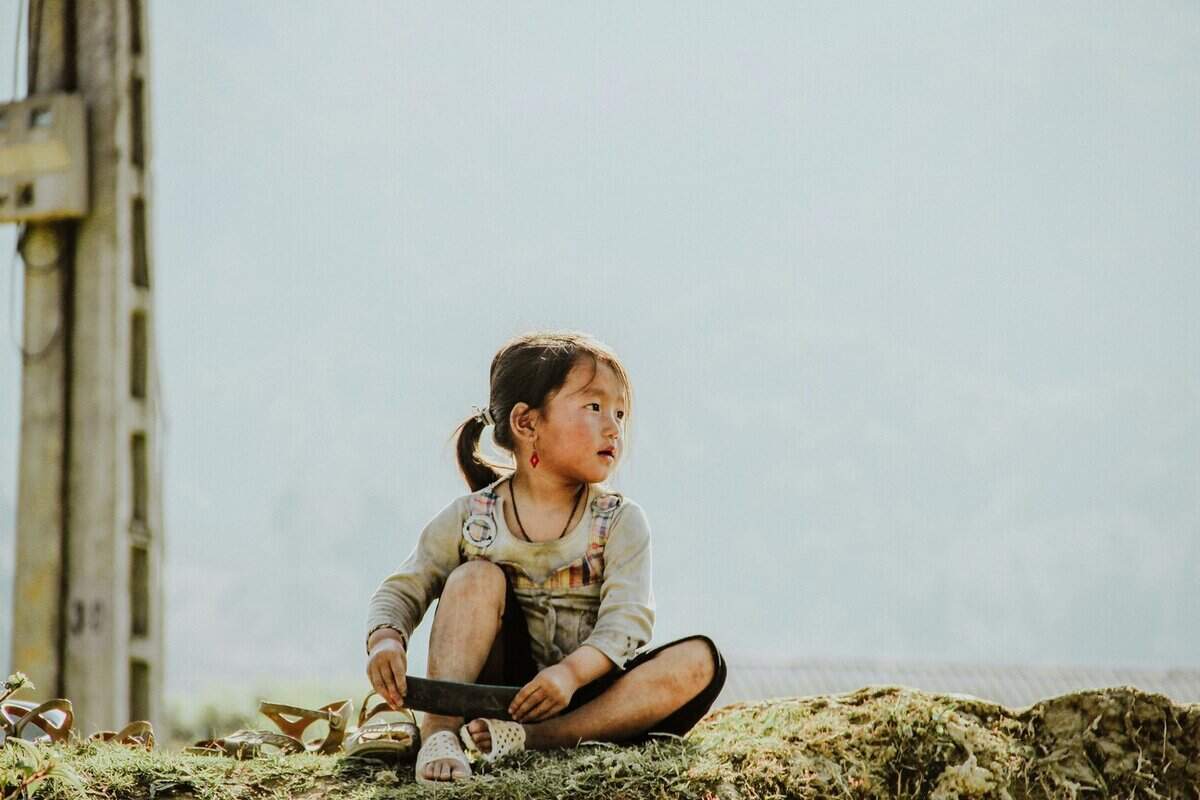
Kids who grow up with apathetic parents often learn to suppress their hopes and needs because they’re taught that they aren’t worth the effort.
They stop asking for what they want, believing it’s pointless.
这 learned helplessness can lead to a life of quiet resignation, where they settle for less, feeling guilty for wanting more.
They might become people-pleasers or struggle to express themselves altogether.
Early on, these children learn to expect rejection and disappointment.
They grow up into people who can’t fight for themselves, feeling disconnected even from their own aspirations.
8. Patterns in Adult Relationships

The effects of having neglectful or apathetic parents often manifest in the choices their children make when they grow up.
They might seek our partners who are distant and unavailable, or become overly independent.
We see this over and over again: People putting themselves in the same situations and dynamics they experienced as children in an attempt to make some sense of it all.
They desperately wish to fix the relationship they had with their parents from a new, grown-up perspective, which often leaves them stuck in dysfunctional patterns.
Therapy works wonders here, helping them recognize their own patterns and understand that their upbringing wasn’t their fault.
Healing involves learning to trust and depend on others and becoming someone who knows their worth.
9. Healing Through Understanding

Therapy offers a chance to address the deep issues caused by apathetic parents.
Patients are being taught things that their parents should have implemented in them: self-awareness, emotional regulation, and a capacity for relationships.
Therapy creates the necessary space for these difficult feelings to come to the surface.
Clients are slowly guided to reconnect with their emotions, and given time to realize they’re safe and prioritized.
The goal is to build a new, healthier relationship with themselves, which becomes the foundation of all other relationships.

A little Aquarius, devoted to writing and embroidery. Through my writing, I hope to empower readers to align with their true selves and navigate life’s mysteries with confidence.