
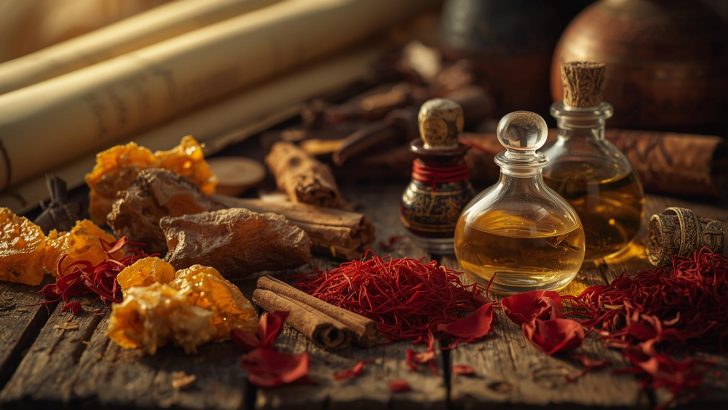
Fragrance has always played an important role in human history, but in the Bible, it carried even deeper meaning.
Many scents mentioned in biblical texts were not just pleasant smells. They were symbols of holiness, celebration, healing, and devotion.
In ancient times, perfumes and aromatic oils were used in temples, during worship, and in special rituals.
In fact, several popular perfume notes that dominate today’s successful scents can be traced back to plants, resins, and spices mentioned in the Bible.
Perfumers continue to use them because they create warm, memorable, and long-lasting fragrances.
Some bring sweetness, others add depth, while a few give perfumes their mysterious and spiritual feeling.
Even thousands of years later, these ancient aromas still influence the perfume industry and many of the scents people love today.
Here are nine biblical fragrances that continue to shape modern perfumes and luxury scents around the world.
1. Frankincense
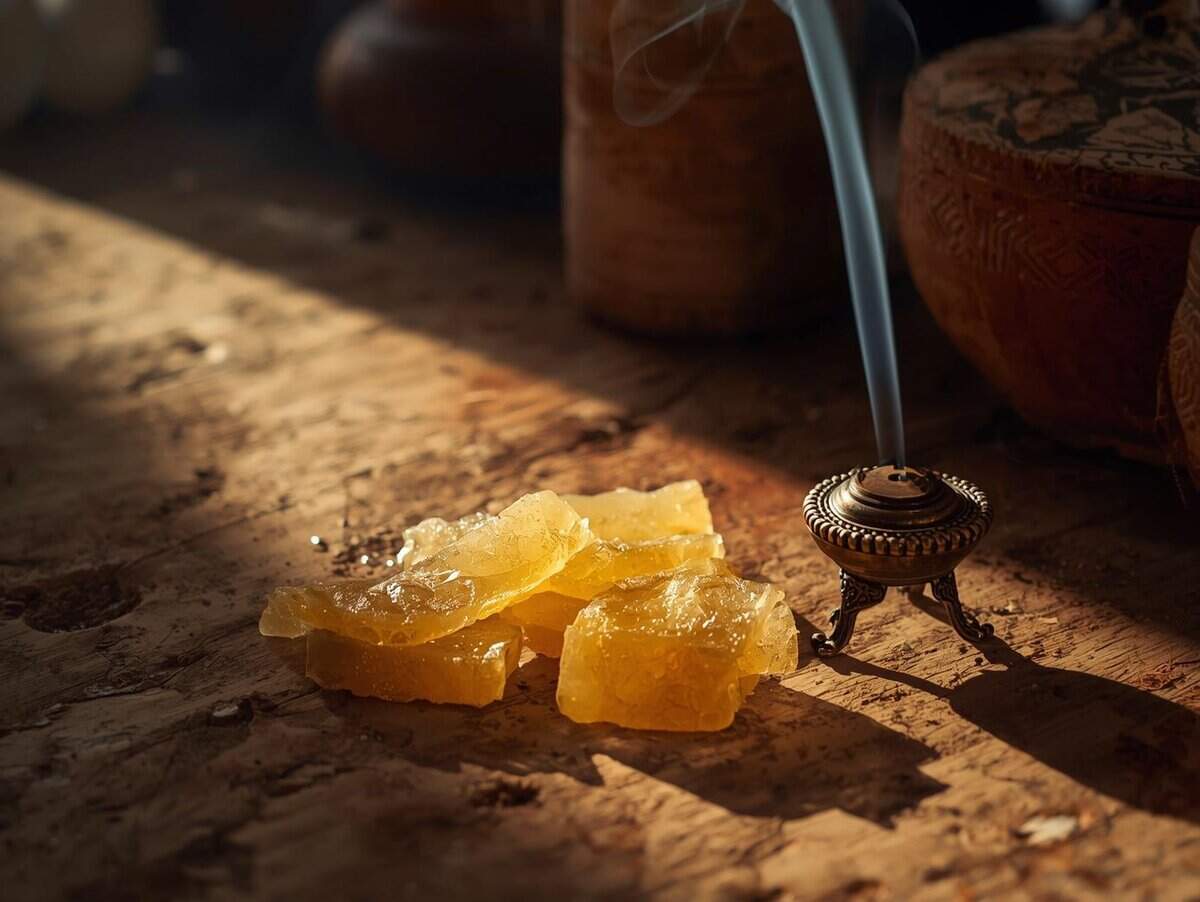
Frankincense is one of the most famous fragrances mentioned in the Bible and has been valued for thousands of years.
It is a resin that comes from trees growing mainly in the Arabian Peninsula and parts of Africa.
In biblical times, frankincense was burned as incense during religious ceremonies because its smoke created a rich, calming aroma that symbolized prayer rising toward heaven.
It was also one of the precious gifts brought to baby Jesus by the wise men. Today, frankincense remains a popular ingredient in high-end perfumes.
Perfumers love it because it adds a warm, slightly spicy, and resin-like scent that gives depth to a fragrance.
It also blends well with woods, spices, and citrus notes, making it extremely versatile. In modern perfumes, frankincense often creates a mysterious and elegant atmosphere.
2. Myrrh
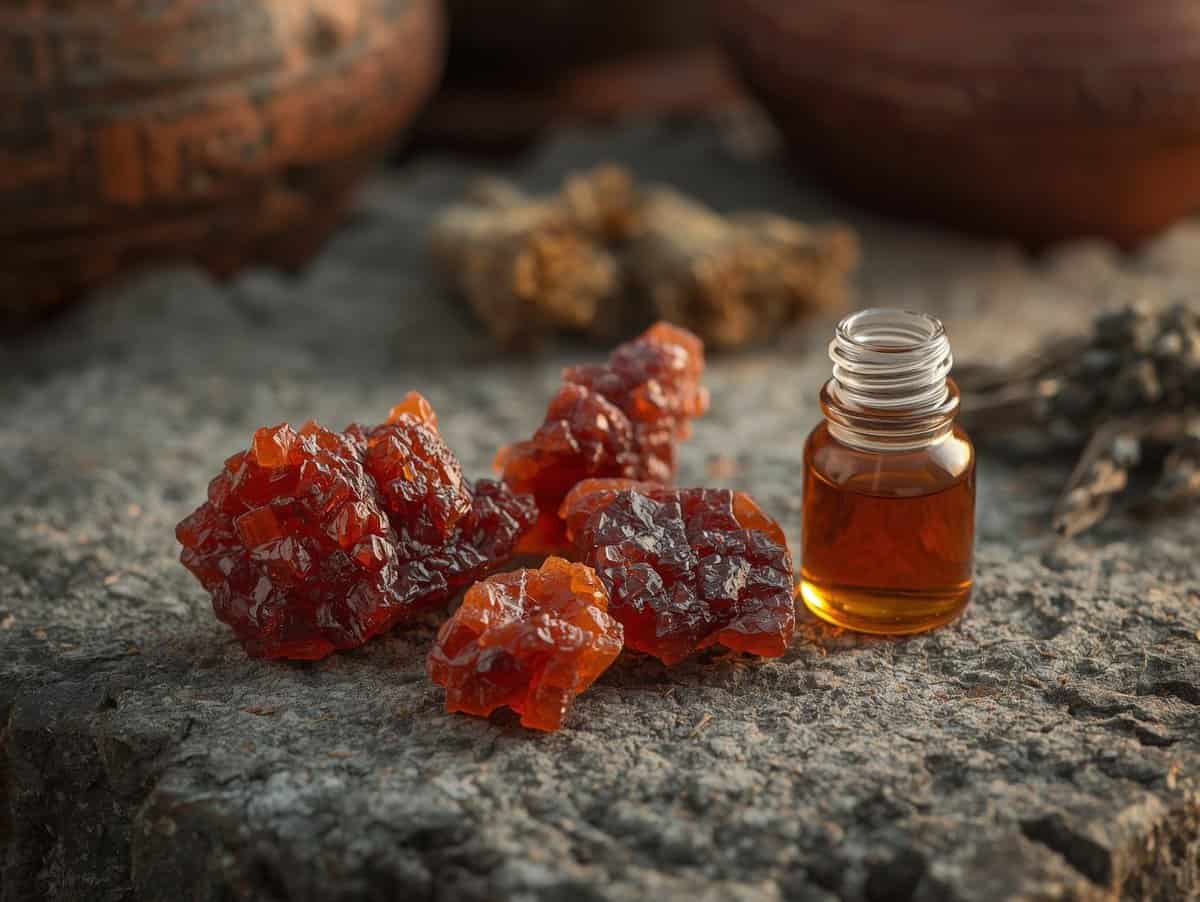
Myrrh is another famous biblical fragrance known for its deep and slightly bitter aroma. Like frankincense, it comes from tree resin that hardens into small reddish-brown pieces.
In ancient times, myrrh was used in perfumes, healing oils, and even in burial preparations.
Because of its strong scent and preserving qualities, it held great importance in both religious and cultural traditions.
Today, myrrh is still widely used in modern perfumery. Its scent is warm, earthy, and slightly sweet with a rich depth that adds character to many perfumes.
Perfumers often use myrrh as a base note, meaning it helps anchor other fragrances and makes them last longer.
When blended with vanilla, spices, or wood scents, myrrh creates a luxurious and comforting fragrance that feels both ancient and modern.
3. Spikenard
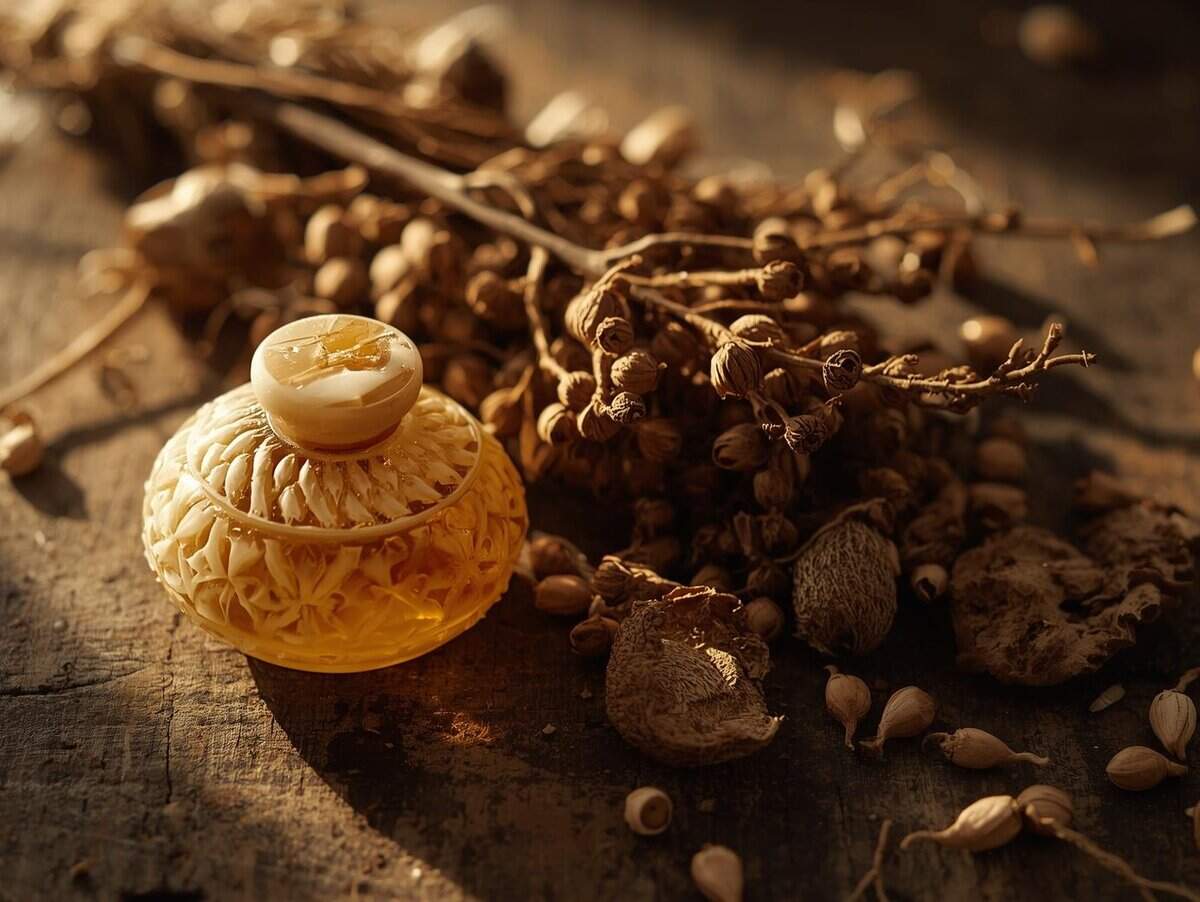
Spikenard is a rare and precious fragrance mentioned several times in the Bible. It was a highly valued perfume oil made from a plant that grows in the Himalayan region.
Because it was so difficult to obtain, it was extremely expensive in ancient times.
One of the most famous biblical moments involving spikenard is when a woman poured a jar of it on Jesus’ feet, showing deep respect and devotion.
The scent of spikenard is earthy, woody, and slightly sweet with a warm and calming character.
In modern perfumery, spikenard is not used as commonly as other ingredients because it is rare, but its scent profile has inspired many perfume formulas.
Perfume makers recreate similar notes using combinations of woods and herbs. The goal is to capture the same rich, grounding quality that made spikenard so treasured long ago.
4. Cinnamon
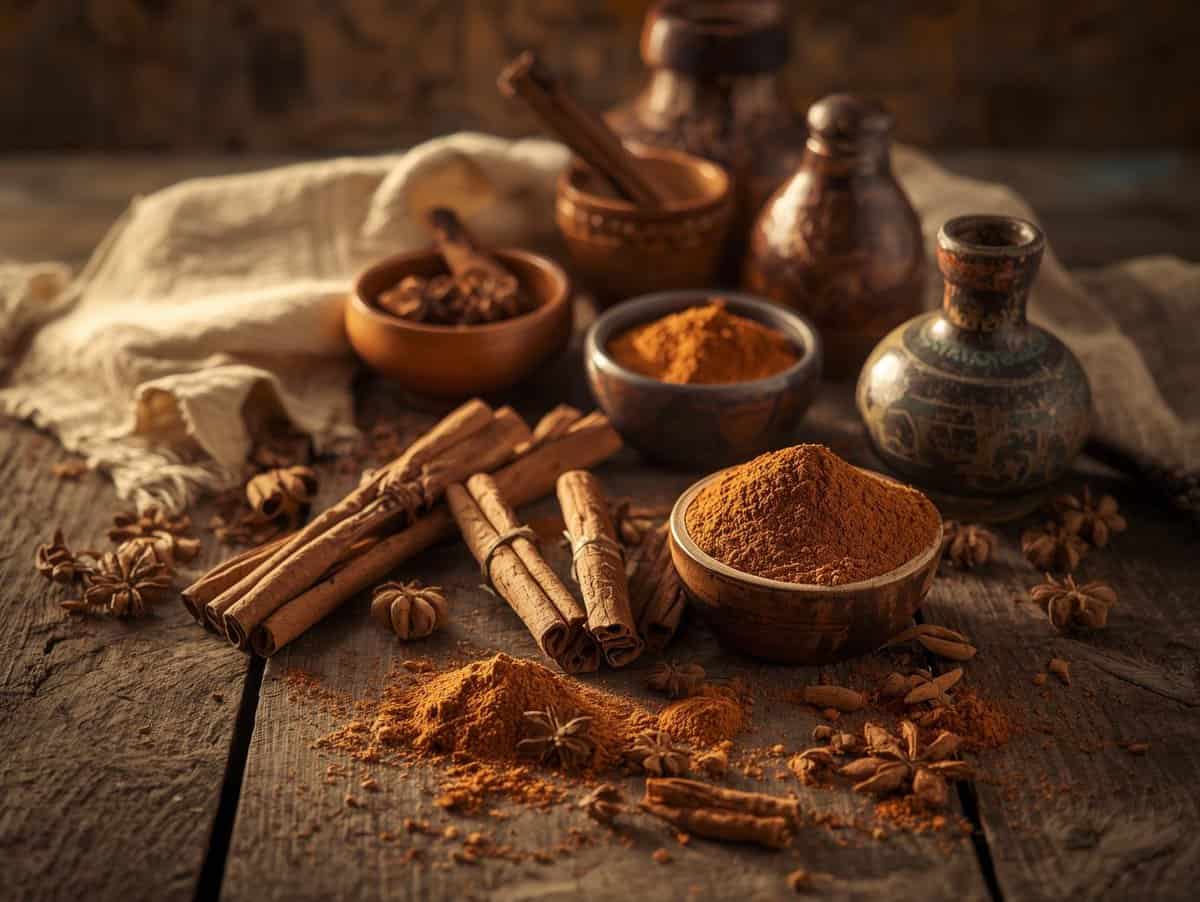
Cinnamon is one of the most familiar spices in the world today, but it also has a strong presence in biblical history.
In ancient times, cinnamon was considered extremely valuable and was used in sacred anointing oils.
Its warm, sweet, and slightly spicy scent made it perfect for perfumes and ceremonial blends. Because it was imported from distant lands, it was also seen as a luxury ingredient.
In modern perfumery, cinnamon remains a powerful fragrance note. It adds warmth, sweetness, and a sense of comfort to many perfumes.
When blended with vanilla, amber, or wood notes, cinnamon creates perfumes that feel rich and memorable.
Perfumers also use small amounts of cinnamon to add energy and brightness to fragrance compositions.
5. Cassia
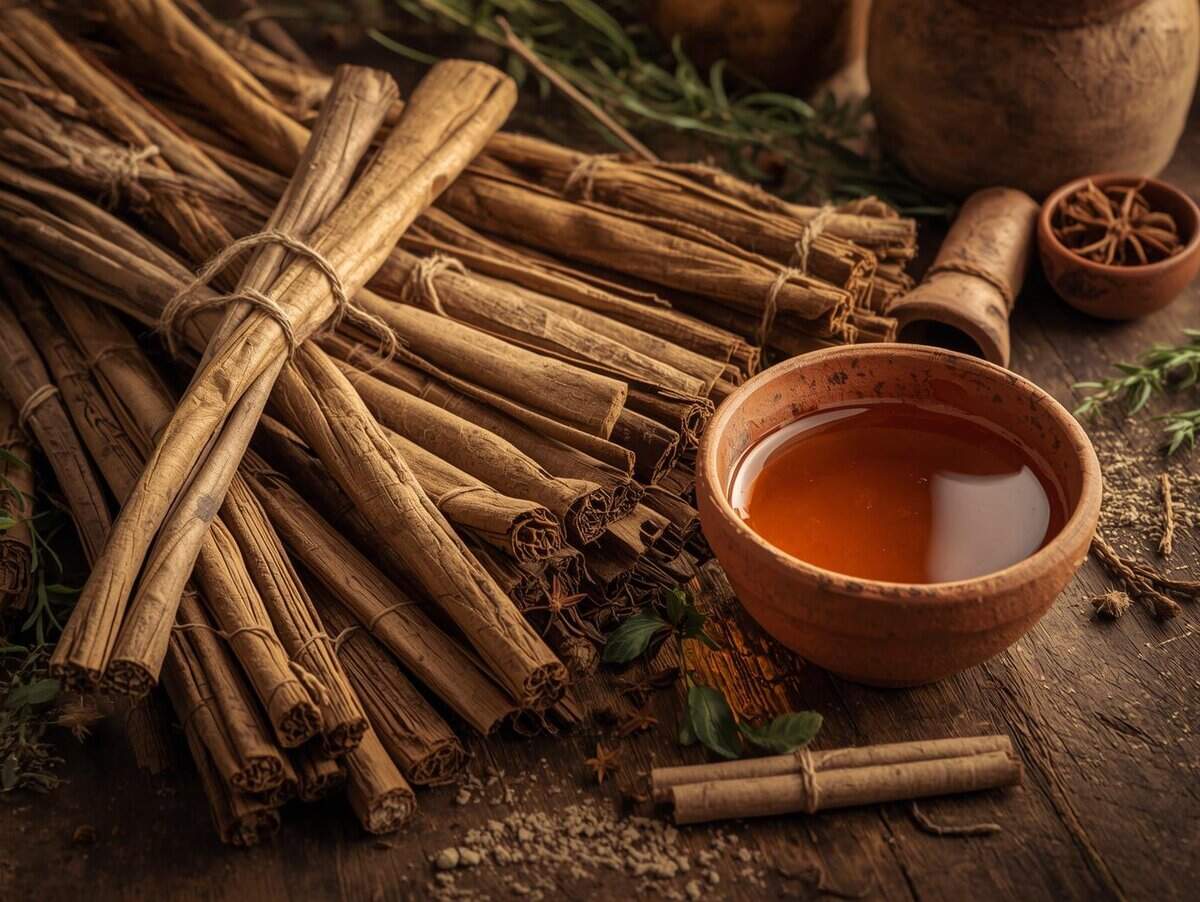
Cassia is closely related to cinnamon and is also mentioned in the Bible as part of sacred oils.
While it comes from a similar type of tree bark, cassia has a stronger and slightly sharper scent compared to cinnamon.
In ancient times, it was used in perfumes, incense, and ceremonial oils because of its intense aroma.
Cassia was considered a luxury spice and was often associated with wealth and celebration.
In modern perfumery, cassia is valued for its bold, spicy fragrance that adds depth and warmth to perfumes.
It often appears in oriental and spicy fragrance families where strong, rich scents are desired. Cassia blends especially well with amber, vanilla, and woody notes.
When used carefully, it gives perfumes a lively and exotic feeling that can make a fragrance stand out.
Because of its powerful scent, perfumers typically use it in small amounts, but even a little cassia can dramatically influence the overall character of a perfume.
6. Aloeswood
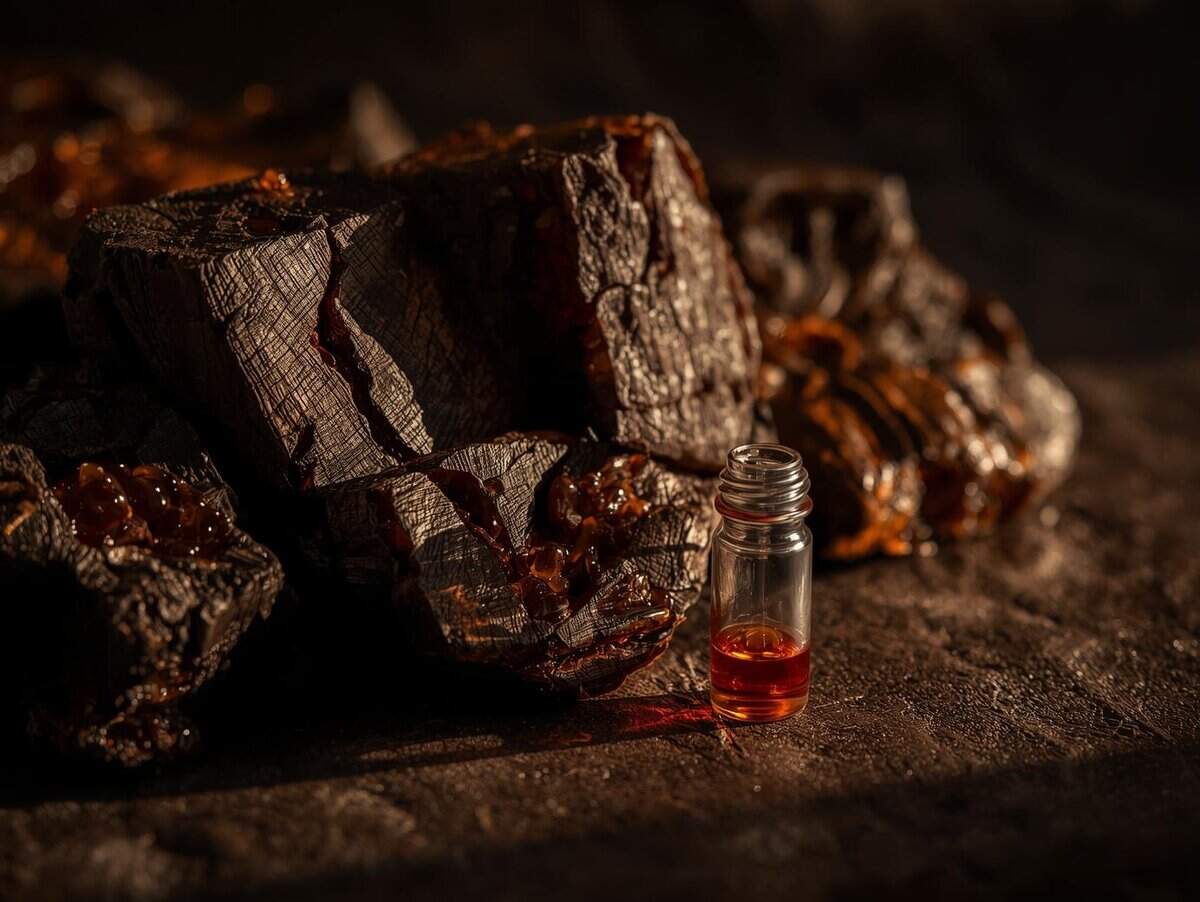
Aloeswood, often called agarwood today, is one of the most expensive fragrance materials in the world.
It is formed when certain trees become infected with a natural fungus, causing the wood to produce a dark and incredibly aromatic resin.
The Bible mentions aloes in connection with perfumes and burial spices. This precious material was valued for its deep, rich, and slightly smoky fragrance.
In modern perfumery, agarwood, often known simply as oud, has become one of the most popular luxury fragrance ingredients.
Its scent is complex, warm, woody, and slightly sweet with a mysterious character that many people find captivating.
Because it is rare and expensive, it is often seen as a symbol of luxury and status. Its biblical connection adds an extra layer of historical depth to this already fascinating fragrance.
7. Rose of Sharon
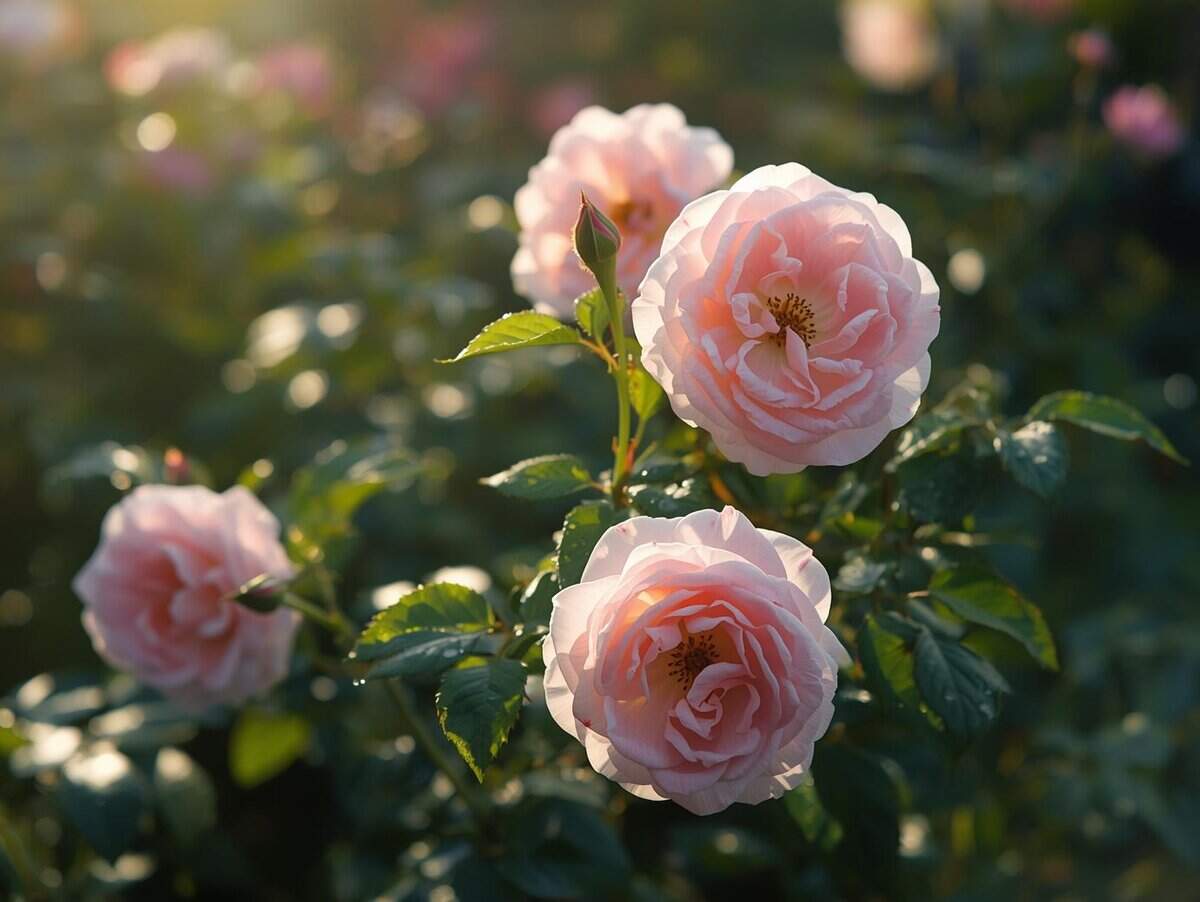
The Rose of Sharon appears in the biblical Song of Songs and has long been associated with beauty and romance.
Although scholars debate exactly which plant the term originally referred to, many people connect it with rose-like flowers that carry a sweet and soft fragrance.
Roses have become one of the most famous perfume ingredients in history. Their scent is often described as romantic, elegant, and timeless.
Different types of rose oils can create different effects, from fresh and light to deep and velvety.
Because rose blends easily with fruits, spices, woods, and musks, it can appear in nearly every fragrance family.
Its long history in poetry, love stories, and spiritual symbolism makes it one of the most meaningful fragrance notes used in perfumes today.
8. Henna
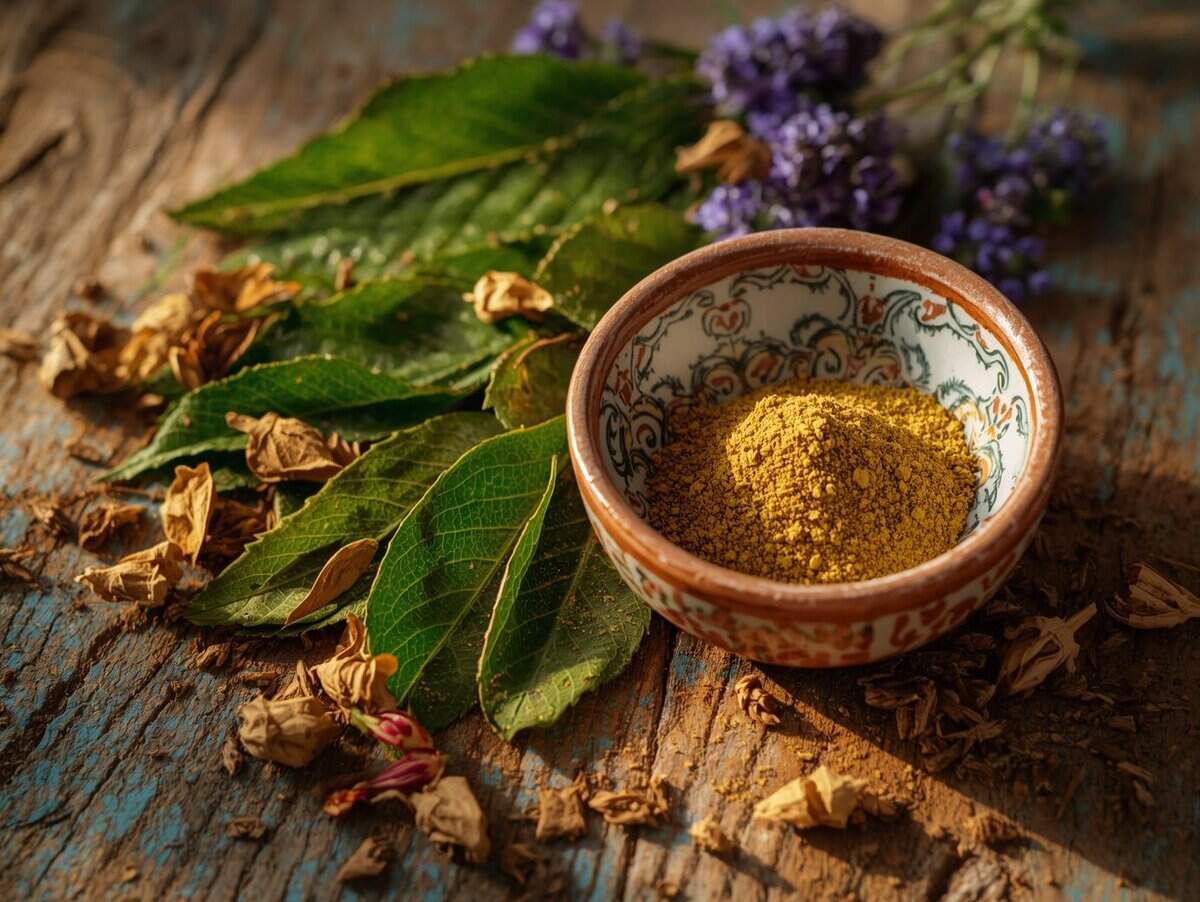
Henna is widely known today for its use in body art and hair coloring, but it also has a fragrant side.
In modern perfumery, henna-inspired notes are sometimes used to add an exotic and slightly green floral quality to fragrances.
Henna notes can bring a natural and slightly mysterious feeling to perfumes. When combined with spices or woody notes, it creates a fragrance that feels both ancient and modern.
This connection to ancient traditions makes henna a fascinating ingredient that still inspires perfumers today.
9. Saffron
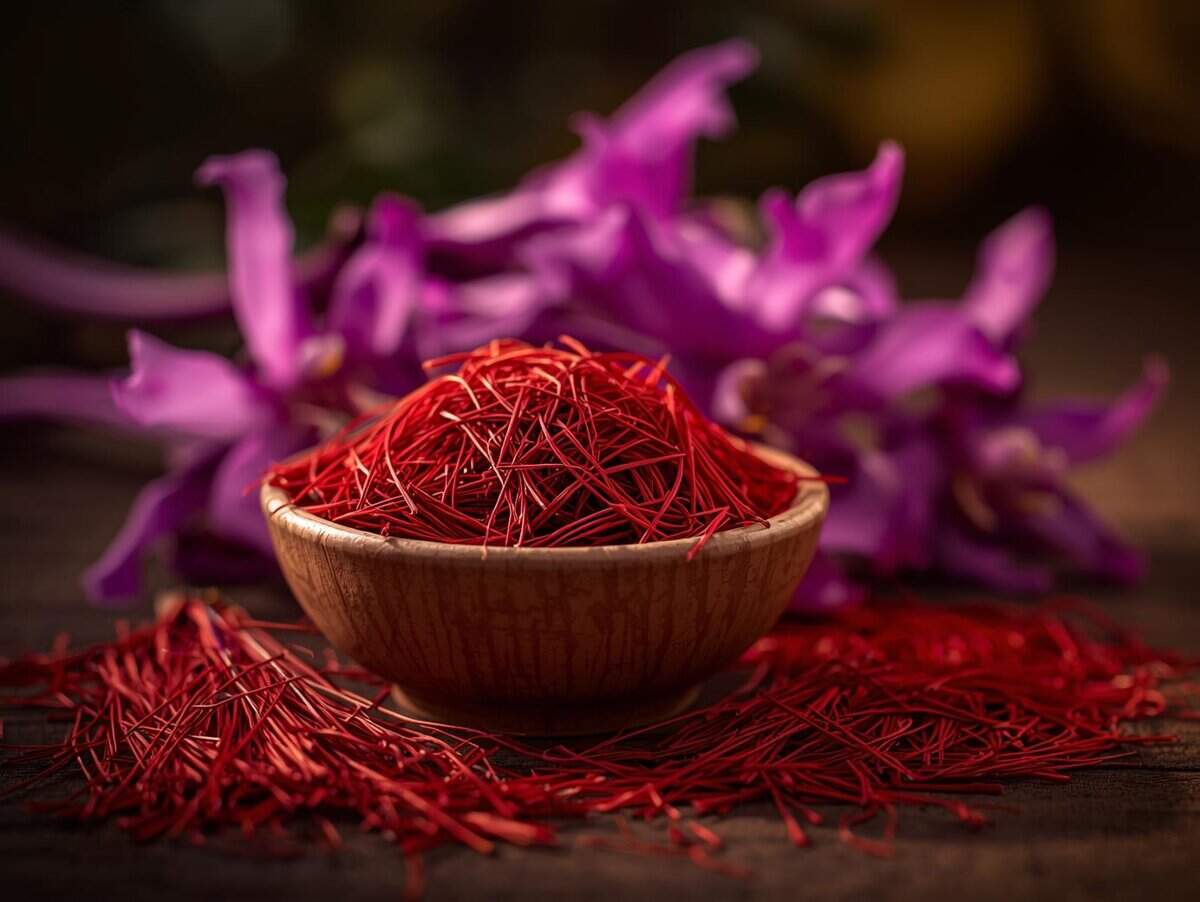
Saffron is one of the most valuable spices in the world and has been prized since ancient times.
Although it is often known for its use in cooking, saffron also has a unique fragrance that has been appreciated for centuries.
In modern perfumery, saffron has become an extremely popular ingredient, especially in niche and luxury fragrances.
It adds warmth, elegance, and a slightly exotic feeling to perfumes. Perfumers often combine saffron with oud, rose, or amber to create powerful and memorable scents.
Even a small amount can transform a fragrance and make it stand out.
Because of its rarity and unique aroma, saffron continues to symbolize richness and sophistication in both ancient traditions and modern perfume creations.

自出生以来,我一直感觉到自己与神灵有着紧密的联系。作为一名作家和导师,我的使命是帮助他人在最黑暗的时刻找到爱、幸福和内心的力量。