
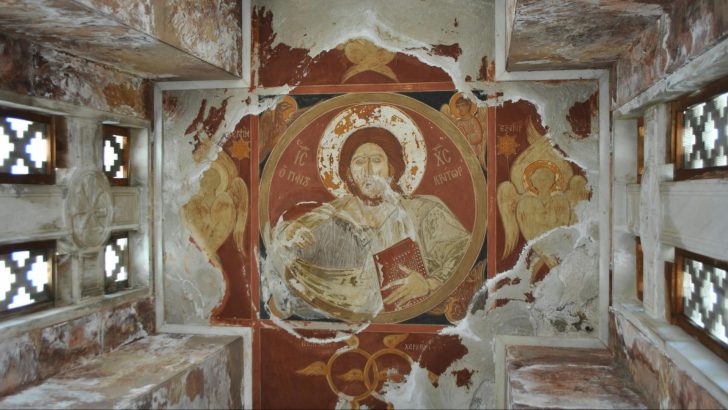
Most of us grew up believing there was only one correct way to practice Christianity, with a few variations, depending on the denomination.
However, history paints a different picture.
In the earliest centuries after Jesus, the Christian movement was anything but uniform. It was a colorful mix of teachings, beliefs, and scriptures.
The idea that there was a single, unchallenged dogma actually came with Rome. The empire transformed this diverse faith into a single, controlled narrative.
1. A Tapestry of Beliefs

Before Emperor Constantine and Rome got involved, Christianity was a big, messy thing.
There were groups like Gnostics, who believed Jesus brought secret knowledge from the divine realm, and Marcionites, who rejected Jewish law entirely.
ǞǞǞ Ebionites saw Jesus as a Jewish Messiah, emphasizing his roots and law-keeping.
Each group had its own scriptures, its own ideas about salvation, and its own understanding of Christ’s identity.
This diversity of beliefs reflected spiritual exploration, and people trying to understand the divine in their own terms.
It was an experimental period – an era of theological creativity.
2. Rome’s Takeover
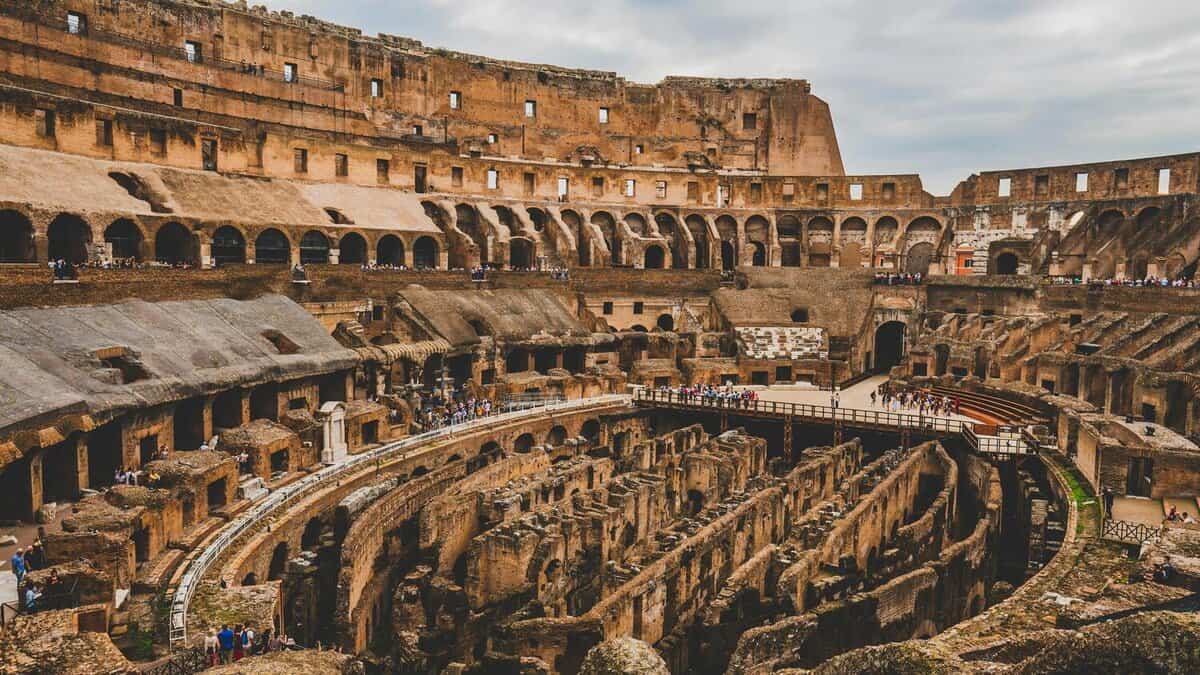
When Emperor Constantine converted to Christianity, everything changed.
Instead of a multidimensional, scattered faith, he gathered bishops to craft a version of Christianity that served Rome’s needs.
He wanted a unifying religion that could hold the empire together. The result was a centralized doctrine, creeds, and a clear hierarchy.
Alternative groups like Gnostics and Marcionites were declared heretics and pushed to the sidelines.
What emerged was a version of Christianity that was organized, clear, and aligned with imperial power.
3. Inheriting a Simplified, Controlled Narrative

What we’re taught today about Christianity often ignores its vibrant beginnings.
相反,它是 presented as a straight line – Jesus, the apostles, the church, Rome, the doctrine, and then the modern faith.
But that’s not exactly how it all went down.
Most early Christians didn’t see themselves as part of one uniform church. They were a spectrum of different communities with different scriptures and understandings.
And that’s only to be expected; after all, Jesus preached to the “Jew and Gentile,” so all of these diverse groups put their own spin on the new faith and understood it in their own terms.
When Rome stepped in, it streamlined this chaos into a neat story – one that’s easier to teach and defend.
4. The Mystical and Theological Richness

If we look beyond the official narrative, we find a Christianity full of mystical exploration and spiritual depth.
Early believers didn’t have rules; they simply experienced God.
Some groups believed Jesus was a divine spark trapped in human flesh, while others saw salvation as awakening to hidden knowledge.
Many embraced 神秘实践 和 personal visions.
The suppression of these views by Rome’s church took some of the richness of early Christian spirituality, turning it into a more dogmatic tradition.
5. The Influence of Political Power on Doctrine
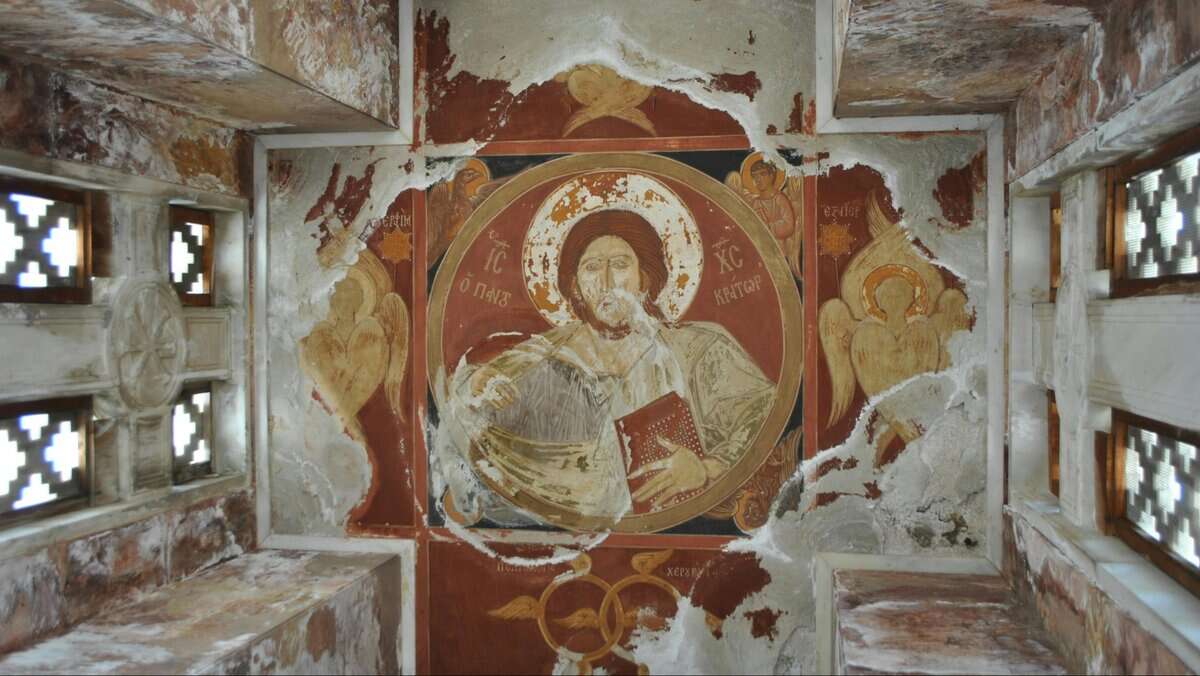
The story of Christianity’s development had little to do with spiritual ideas; it’s mainly about power.
Constantine and later emperors used religion as a tool to unify and control their empire.
The doctrines they promoted served political ends – fostering loyalty and strengthening Rome’s authority.
The Nicene Creed, for instance, was as much about political unity as theological truth. Many doctrines we now take for granted were shaped by political compromise, not faith.
This perspective invites us to look at Christ’s teachings from new angles to try and separate His thought from the imperial influence.
6. Exploring the Diversity

We now live in a time where we’re free to explore our faith and make our practice deeply personal. What used to be seen as heresy long ago is now simply spirituality.
We can open ourselves to new, mystical, and multidimensional understandings of God.
We can honor the early Christians who explored different paths and practiced different rituals.
And if we’re self-aware and truly devoted, welcoming this complexity won’t weaken our faith, but enrich it.
This journey back into history can help us transform our spiritual lives today.
7. The Reality Check
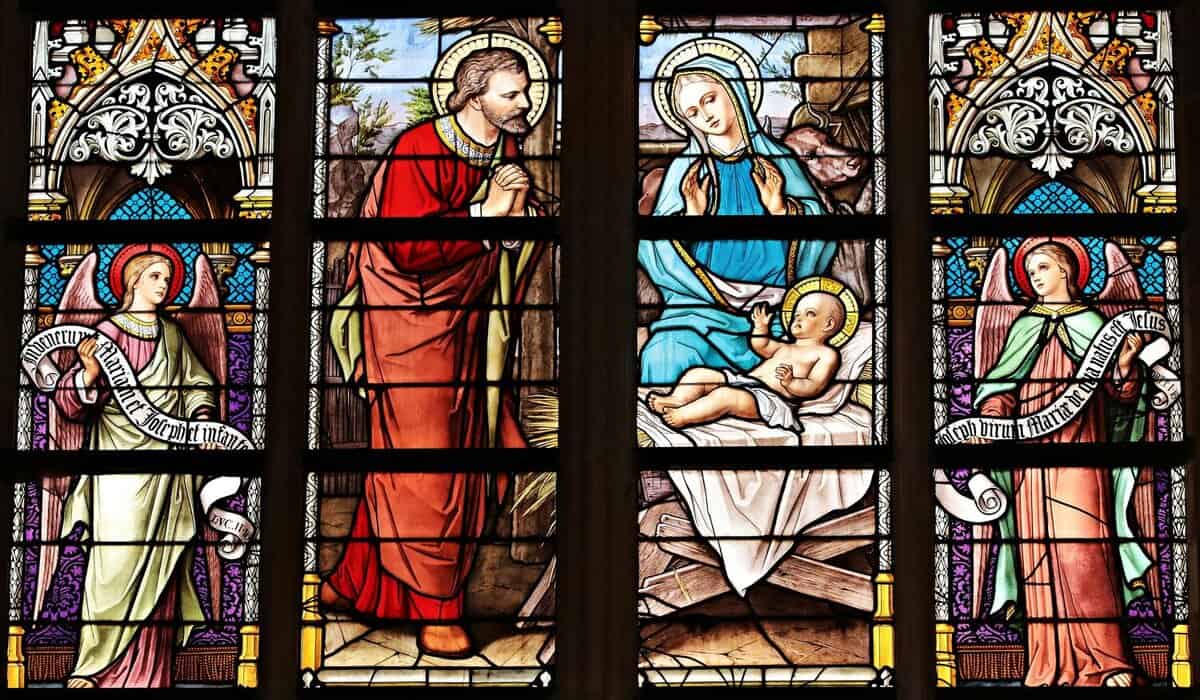
I feel like it’s important to note that, although Rome introduced dogma and limited Christian beliefs, there would be no Christianity without the empire.
Well, there would be endless sects preaching various interpretations of Christ’s teachings, but this diversity in itself would hinder the spreading of the faith.
Without the Roman Empire, Christianity would never have left the Middle East, much less become the global religion that it is today.
However, right now, we are finally free to explore and implement any early-Christian beliefs that resonate with us, whether the dogma agrees with them or not.

A little Aquarius, devoted to writing and embroidery. Through my writing, I hope to empower readers to align with their true selves and navigate life’s mysteries with confidence.