
Long before telescopes and space travel, ancient civilizations had incredibly creative ideas about what the universe looked like and how it worked.
These beliefs shaped culture, religion, and even science. Negating them was considered heresy and was heavily punished.
So, let’s see how these seven cultures imagined the cosmos!
1. Ancient Greece: Atlas
The ancient Greeks believed that the 地球 was at the center 的宇宙。
They believed that Gaia, the Earth goddess, was at the core, with stars and planets moving around her.
In their stories, the Earth was sometimes flat and sometimes a sphere – depending on the era.
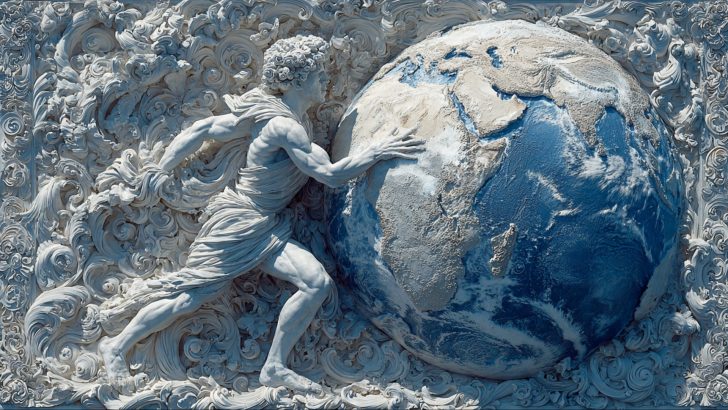
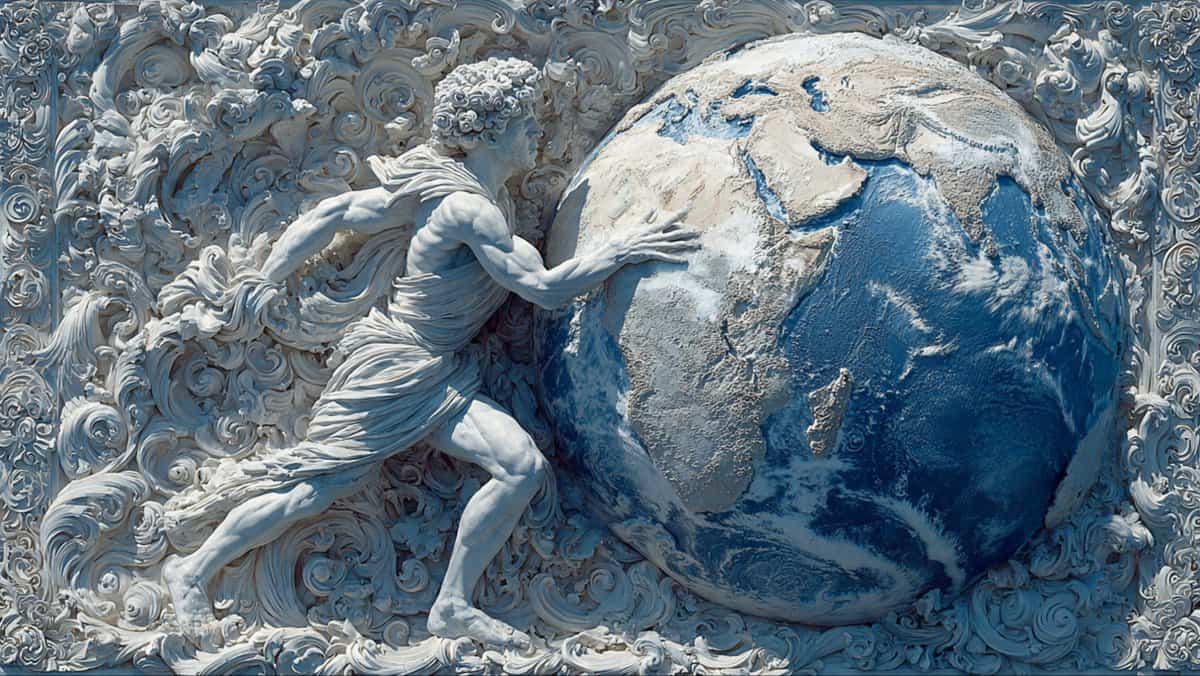
They imagined the heavens as a giant, solid dome with stars embedded inside. In their myths, the Titan Atlas was cursed to hold up the sky forever after the war with the gods.
Like that, Atlas became a symbol of the universe’s stability, as he bore the weight of the world on his shoulders.
2. Hindu Cosmology: The Eternal Cycle
Hindu beliefs see the universe as a never-ending cycle – creation, preservation, and destruction happening again and again.
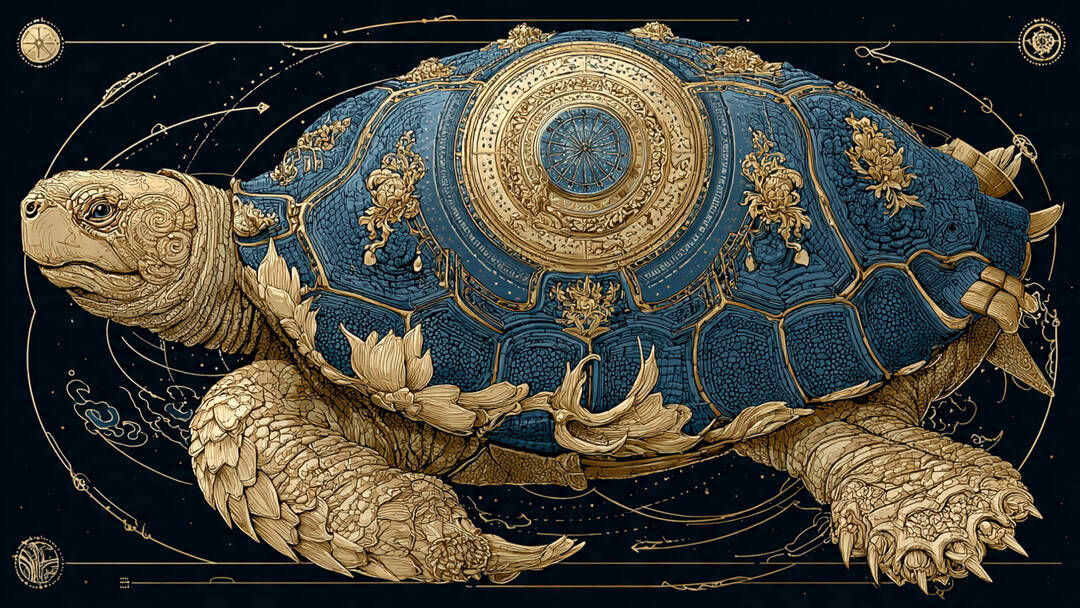
The cosmic turtle, Kurma, supported the world on its back, with four elephants standing on the turtle’s shell, each pointing in a different direction.
These elephants symbolize 稳定性和平衡性, as they’re holding up the universe’s corners.
The cosmos itself is divine and interconnected, constantly reborn and destroyed.
This idea reflects a deep spiritual concept, where everything is connected, and nothing is permanent. The cosmic turtle and elephants symbolize the harmony of all things.
3. Ancient Chinese Cosmology: A Cosmic Egg
Chinese ideas about the universe are focused on balance and cosmic animals. The ancient Chinese saw the cosmos as chaos concentrated within a giant egg.
The Earth was often depicted as a square or rectangle, with the sky circling around it.
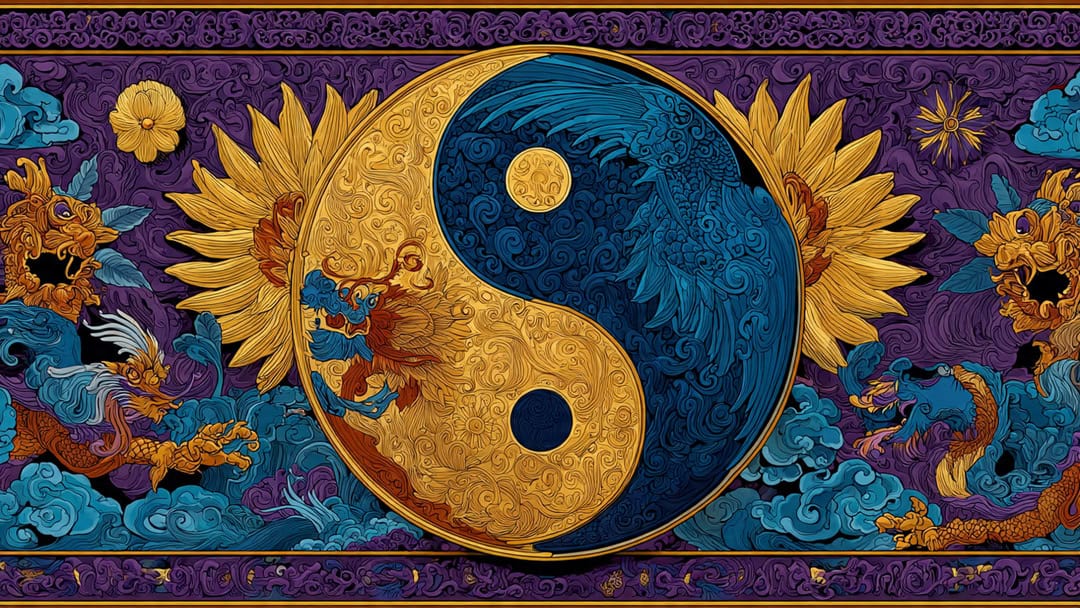
In their cosmology, the world is supported by four mythological beasts: Azure Dragon, White Tiger, Vermillion Bird, and Black Turtle.
They’re rooted in ancient astronomy, and represent the four directions, seasons, and elements.
These creatures support the world and keep everything in balance, reflecting Taoist and Confucian ideas of harmony between nature and humanity.
4. Mesopotamia: The Universe as a Flat Disc
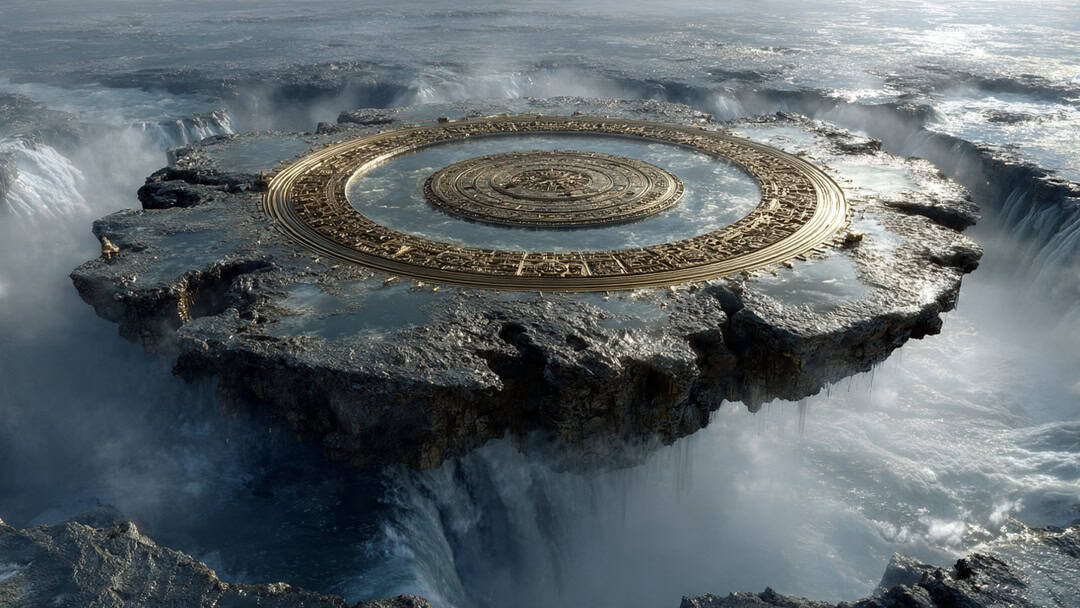
The Babylonians saw the universe as a flat disc floating over a watery abyss. The Earth was a solid platform, supported by mountains, with the heavens above.
They believed that the sky was either a dome or a canopy, with the stars hanging from it like lamps.
Their worldview was deeply rooted in religion; gods ruled the cosmos, and everything was ordered and bounded.
They saw the cosmos as a divine domain, with stars and planets being part of the gods’ realm.
This worldview gave a sense of structure and stability, with the cosmos as a sacred space governed by divine forces.
5. Egyptian Cosmology: Chaos and Divine Power
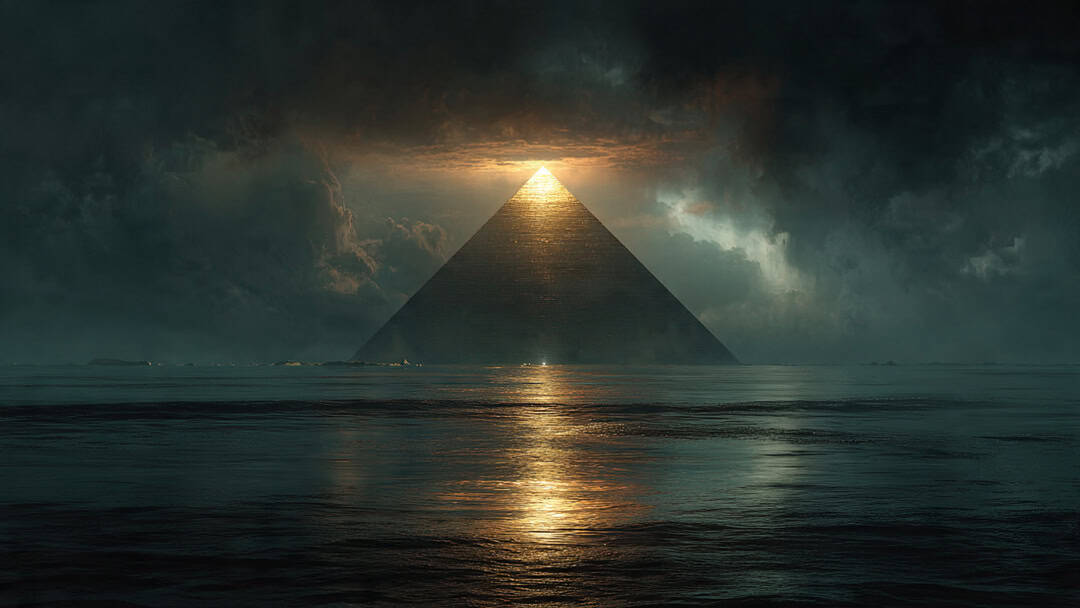
Egyptians believed the universe originated from chaos – Personified as Nun, the endless waters.
The world was supported by the gods Wadjet and Ptah, who kept everything in order.
The sky goddess Nut arched over the Earth, and each day, the sun traveled across her body, creating day and night.
They thought the Earth was flat, like a vast expanse, with stars as divine beings moving across the night sky.
Their cosmos was a reflection of divine authority: order came from chaos, with gods maintaining the balance.
The stars and sun also represented divine power, guiding life and death.
6. Aztec: World Surrounded by Water
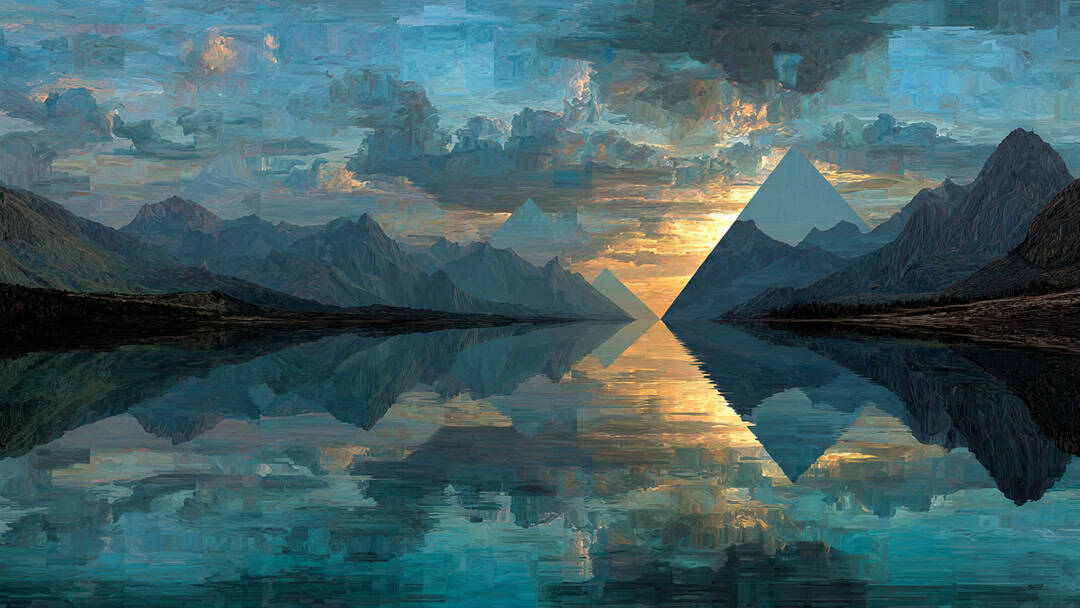
The Aztecs saw the universe as a series of creations and destructions, with the current world – the Fifth Sun – resting on a cosmic lake.
The cosmos was supported by four gods, each representing a direction.
The world was surrounded by water, with sacred mountains marking the edges. The Aztec cosmos was alive, constantly changing.
The four gods were active creators and destroyers, shaping the fate of the world.
Their universe was vibrant and chaotic, and completely unpredictable.
7. Norse Cosmology: The World Tree
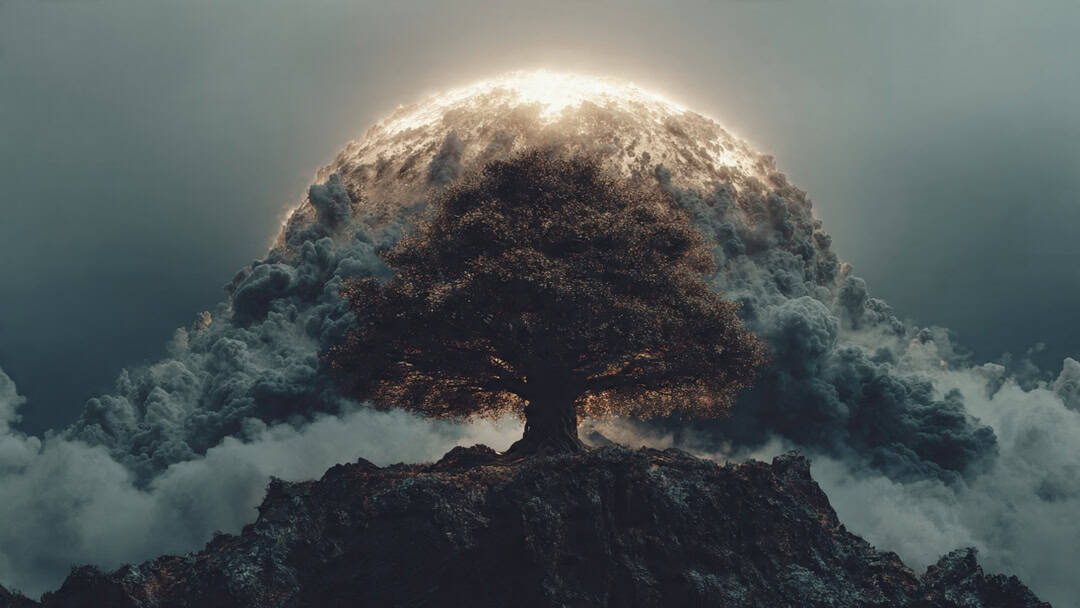
The Norse worldview is centered around Yggdrasil, the giant tree connecting different worlds.
At its roots and branches, you find Asgard, Midgard, Jotunheim, Vanaheim, Helheim, etc.
The universe was an ordered system, with the tree symbolizing life and connection.
The Norse believed the worlds balanced on the tree’s trunk, each realm with its own system and gods.
The world was constantly at risk of chaos, but Yggdrasil kept everything linked and alive.

A little Aquarius, devoted to writing and embroidery. Through my writing, I hope to empower readers to align with their true selves and navigate life’s mysteries with confidence.