
The Malleus Maleficarum, that infamous witch-hunting manual from the 15th century, is filled with nonsense and contradictions.
This document is as confusing as it is terrifying, revealing a worldview riddled with illogical fears and biases.
Let’s explore some of the most notorious contradictions in the book that reveal its author’s hypocrisy.
1. Witches’ Transformations
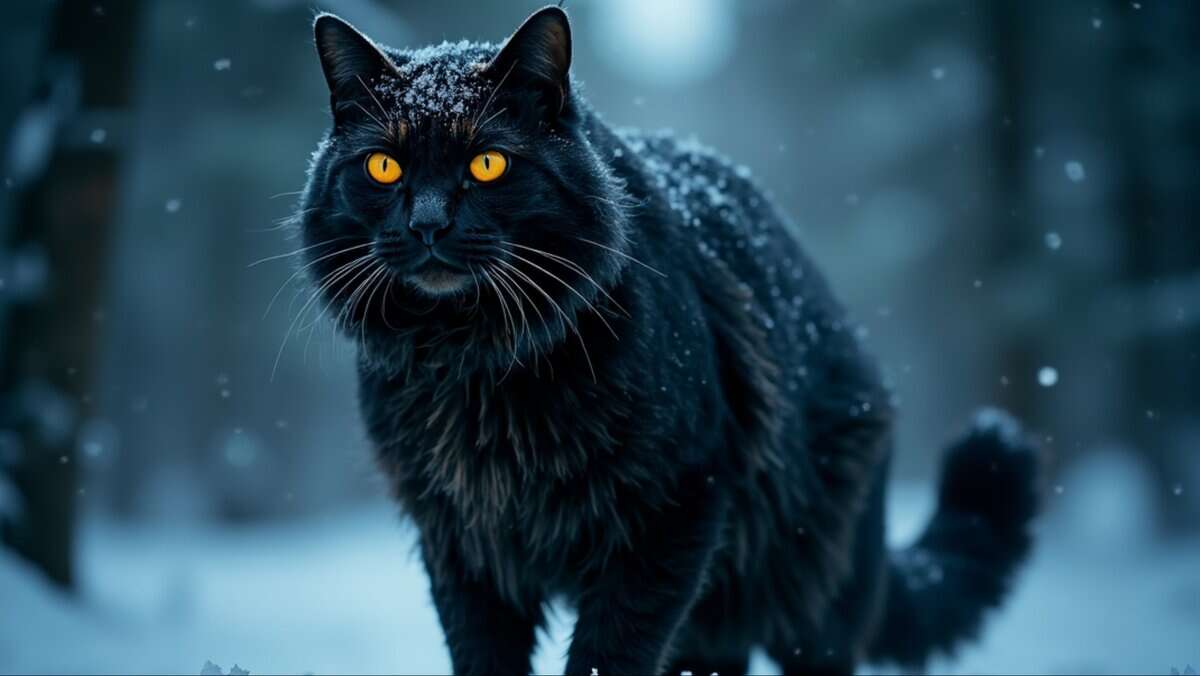
The Malleus Maleficarum claims that witches can transform into animals like cats, birds, wolves, and other forms.
However, at the same time, it claims that these transformations are nothing more than illusions created by the devil!
So, we must wonder, which one is it?
The stories of these transformations scared superstitious people, and even the captured “witches” confessed that they could change form.
Heinrich Kramer, the author of the book, continued to accept the claims and confessions that confirmed transformation, although he didn’t believe in them himself.
This alone exposes the book for what it was: an excuse for a violent fanatic to hurt people. But let’s keep going!
2. Cursing From Afar
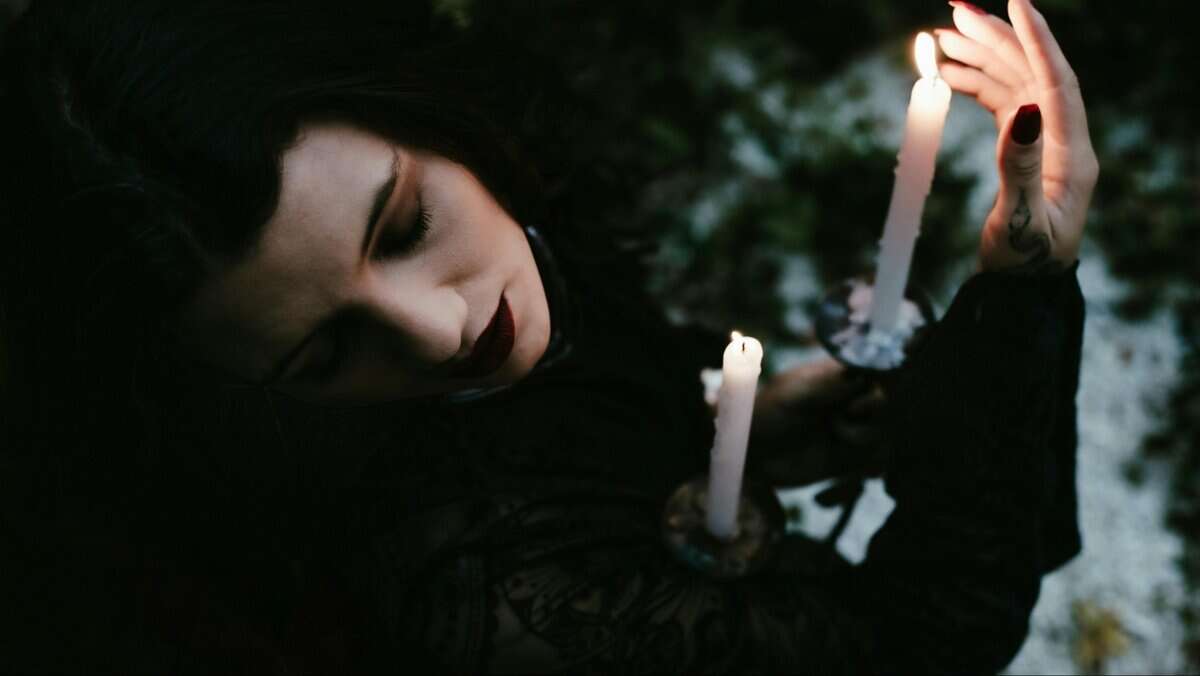
The Malleus Maleficarum states that witches can curse individuals from a distance, casting spells that cause harm even though they’re far away.
Sounds terrifying, sure, but the book also claims that these curses are insignificant and easy to break.
So, if witches are so powerful, why would their spells break so easily?
The contradiction is glaring; it gets people to fear each other, but also gives an excuse for why these “curses” don’t actually cause any damage.
It’s saying that witches are both mighty sorcerers and weak frauds, depending on which narrative suits the author at the moment.
This was fear-mongering done by the book!
3. Witchcraft Is Organized but Also Individual

The book suggests witches are part of an organized network, plotting against society.
However, at the same time, it insists they act alone, secretly, and without any hierarchy. They can’t be both!
If they’re organized, they should be easier to track down. Still, the Malleus Maleficarum claims they work alone and in the shadows.
This contradiction reveals a hole in the author’s own logic.
He wants to portray witches as coordinated and dangerous for the whole society, but also to highlight how hard they are to catch because they’re so isolated.
Again, it all depends on what suits him at the moment: to fear-monger or to make excuses for not being able to find any witches.
4. The Malice and Greed of Witches

The Malleus Maleficarum says witches are motivated by evil and greed; they’re out to harm innocent people out of pure wickedness.
But Kramer also claims many witches are coerced by the devil and demons into practicing witchcraft.
So, are they perpetrators or victims?
The author would like to frame witches as purely malicious, but he, himself, admits that the devil makes them do evil.
Essentially, it’s blaming the victim for being in the wrong place at the wrong time.
Still, despite this grain of sympathy, he continued to justify persecution and cruelty.
5. Malleus Maleficarum on Women
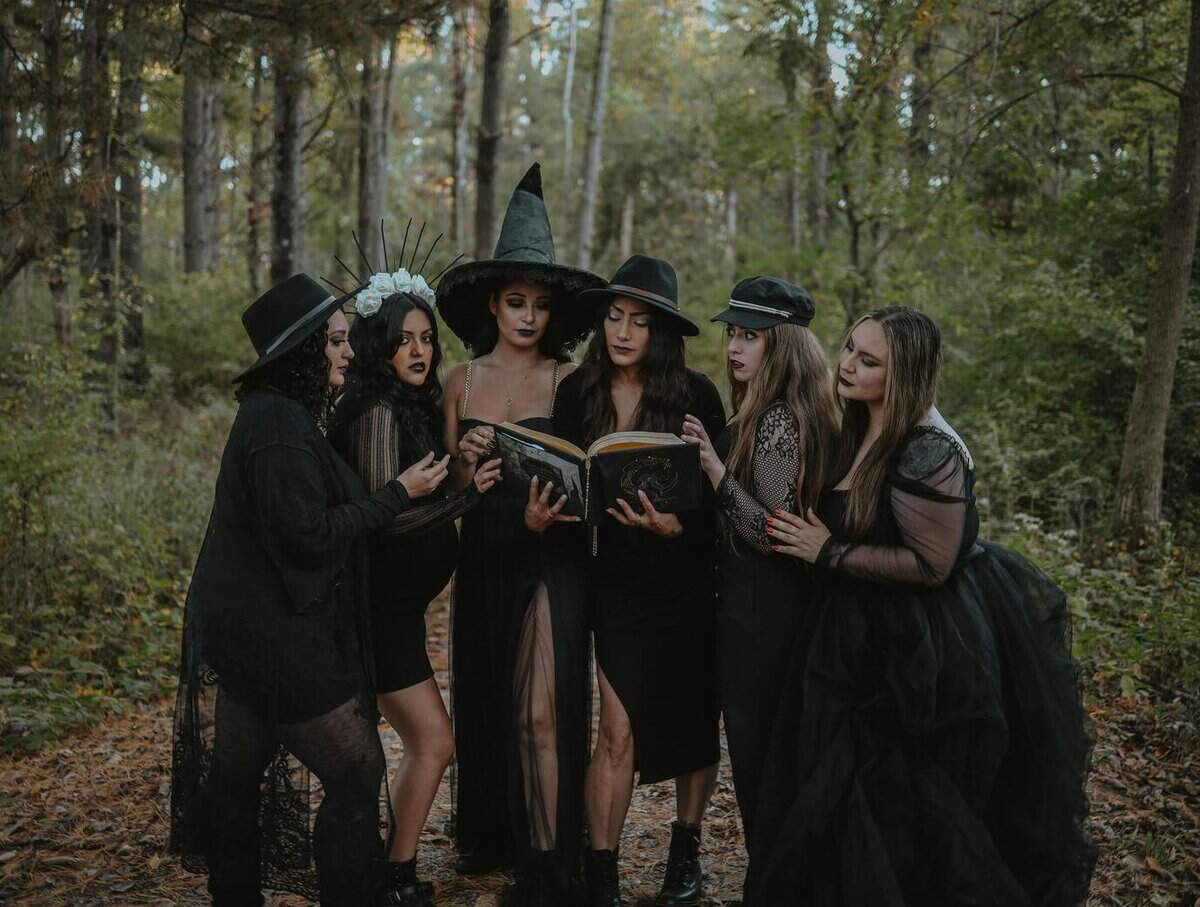
The Malleus Maleficarum plays on the idea that women are inherently more susceptible to witchcraft, being more emotional and weak.
At the same time, it claims that women are morally inferior and prone to evil, so more likely to become witches due to their corrupt nature.
Once more, witches are presented as both the victim and the monster.
Misogyny marked that entire historical period, but it went berserk during the witch hunts.
On the one hand, the Malleus justifies the persecution because women are inherently evil, while on the other, their weak nature is just a tragic coincidence.
Either way, Kramer gets to live out his Hammer of Witches.
6. Powerful But Easy to Catch

The witches are said to possess incredible powers; they could cause serious harm and perform supernatural deeds.
Yet, the Malleus Maleficarum claims they’re often easy to spot.
If they’re so capable, how can they be so easy to uncover? And wasn’t it previously stated that it’s actually hard to catch witches because they’re so secretive?
It’s pretty clear that the only power witches had was the one the society and the church gave them.
The author and other witch hunters wanted people to believe that witches were a threat, but also to trust in their power to catch them.
It’s a paradox that reveals the main tactic behind the witch hunts: 恐惧.
7. Between Greatness and Powerlessness
The Malleus claims witches are capable of causing storms, bringing illness, and even killing with their spells and curses.
Yet, they’re also presented as completely powerless against the church’s authority. No matter how much damage they do, the church always comes out on top.
This contradiction shows that the supposed power of witches was just an illusion. It was an image created to justify persecution and bring people back to the church.
It’s no accident that terrible witch hunts came immediately after the Renaissance period, when people turned to the real world, nature, and the classic art from pagan times.
The church allowed its fanatics to run wild as long as they could bring the people and their money back to it.
8. Confessions
The Malleus Maleficarum claims that confessions obtained through torture are truthful. It’s like the pain and trauma can reach the possessed witch and get them to confess their sins.
However, the author also admits that torture can produce false confessions, as people would admit to anything just to stop the pain. Imagine that.
This contradiction exposes the entire witch-hunt and inquisition process as pointless.
The confessions can seemingly be both genuine and fabricated, depending on what the hunter decides.
And did they have any way to tell which confession was true and which was forced? Of course not.
In the end, this is a grim reminder of what we already know, that the entire witch-craze was built on lies and manipulated evidence.

A little Aquarius, devoted to writing and embroidery. Through my writing, I hope to empower readers to align with their true selves and navigate life’s mysteries with confidence.