
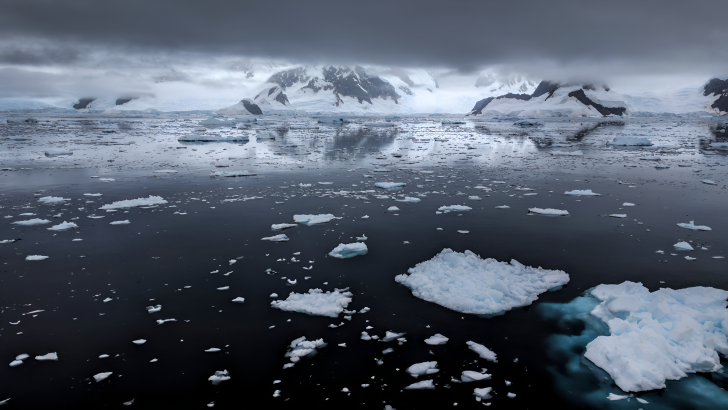
Antarctica is the coldest, driest, and most remote continent on Earth. At first glance, it looks like a silent world of endless ice and snow, but beneath its frozen surface lies a place full of strange mysteries and unsettling facts.
The extreme conditions make it one of the most dangerous environments for humans, and its isolation adds to the eerie feeling that surrounds it.
Scientists live there only temporarily, and for months at a time, they are completely cut off from the outside world.
From hidden lakes trapped under ice to long periods of darkness and strange natural phenomena, Antarctica is both fascinating and unsettling.
These creepy facts reveal why this frozen continent feels less like part of our world and more like an alien landscape where nature operates by its own extreme and mysterious rules.
1. There Is a Lake Trapped Under the Ice for Millions of Years
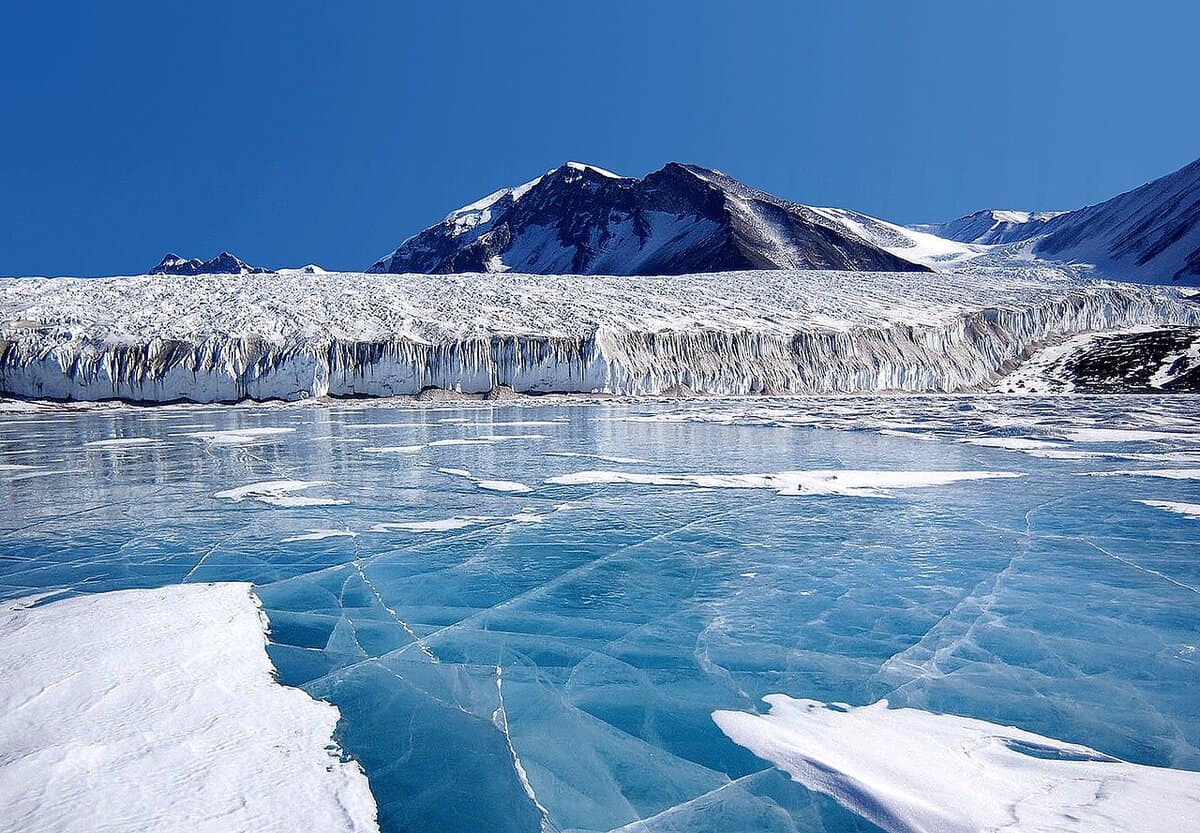
Deep beneath Antarctica’s thick ice lies Lake Vostok, one of the most mysterious bodies of water on Earth.
It has been sealed under nearly four kilometers of ice for millions of years, completely isolated from sunlight, air, and the outside world.
Scientists believe the lake may contain ancient forms of life that evolved in extreme darkness and pressure.
Because it has been untouched for so long, any organisms found there could be unlike anything seen before.
The idea of hidden life surviving in total isolation feels almost otherworldly. Researchers must drill very carefully to avoid contamination, making exploration slow and difficult.
The possibility that unknown microbes or strange ecosystems exist beneath the ice adds to Antarctica’s eerie reputation as a place full of hidden and ancient secrets.
2. Some Places Have Not Seen Rain or Snow for Millions of Years
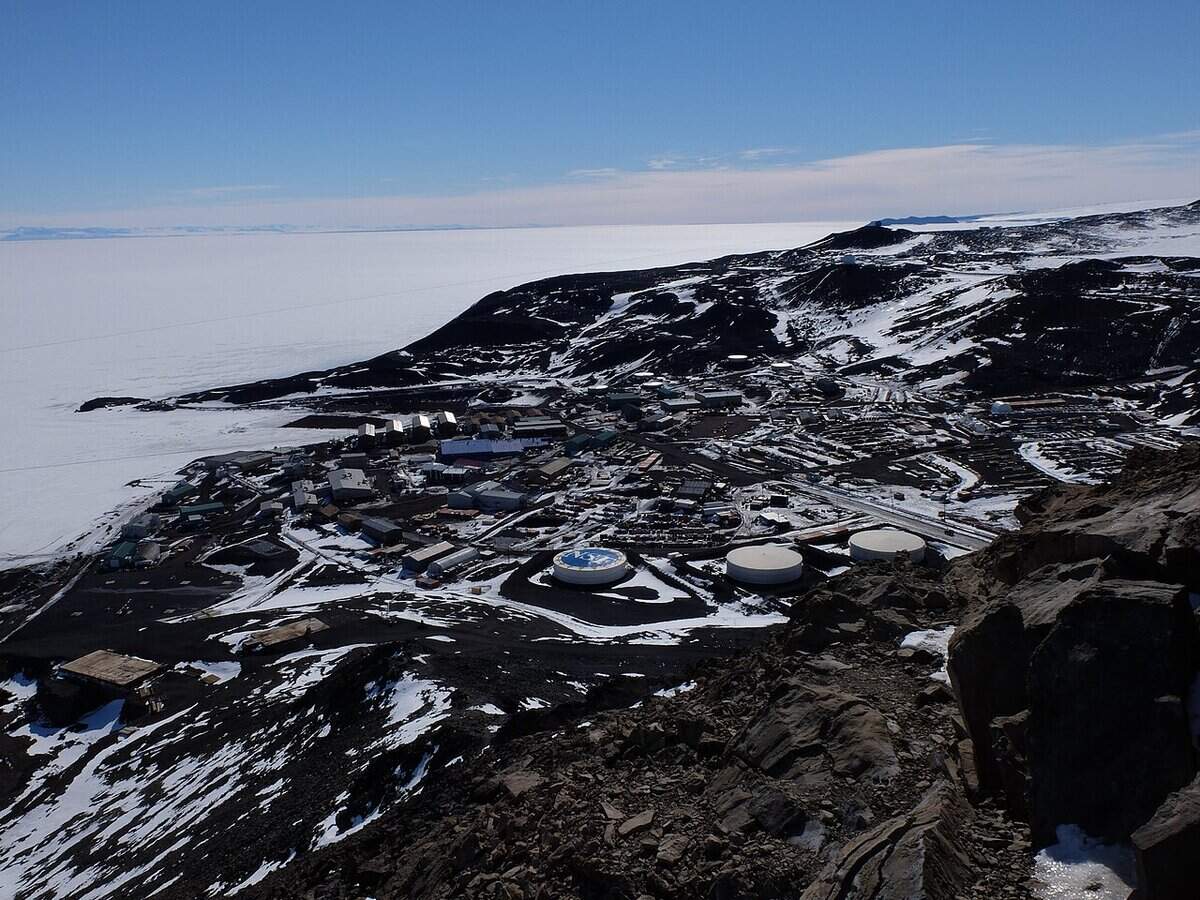
Parts of Antarctica are so dry that they are considered deserts, despite being covered in ice.
The McMurdo Dry Valleys are one of the strangest regions on the continent, where strong winds prevent snow from settling and moisture is almost nonexistent.
Scientists believe that some areas have not seen rain or snowfall for millions of years.
The ground is bare, frozen, and lifeless, creating a landscape that looks more like Mars than Earth.
Because of these extreme conditions, space agencies study the valleys to understand how life might survive on other planets.
The silence and emptiness of the region make it feel abandoned and unnatural.
Standing there, with no plants, animals, or visible signs of life, gives the unsettling impression of a world where nature has almost stopped completely.
3. Months of Total Darkness Affect the Human Mind
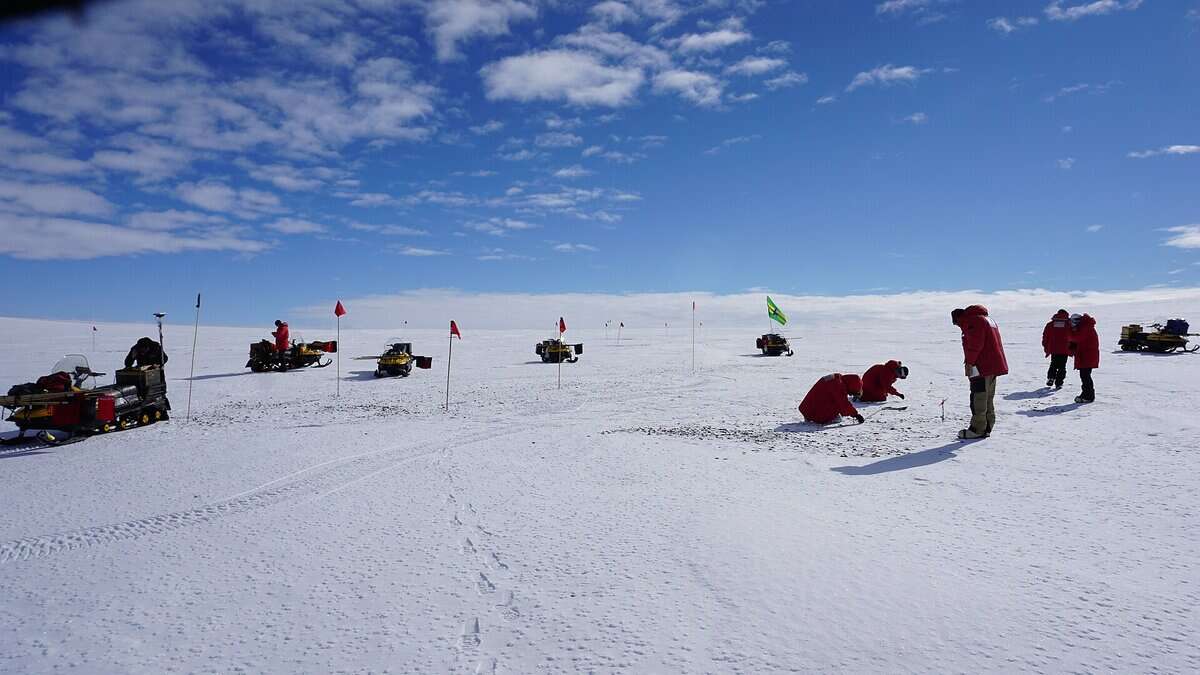
During the Antarctic winter, the sun disappears for months, leaving research stations in complete darkness.
Scientists and workers must live without natural daylight, relying only on artificial light while enduring extreme cold and isolation.
This long period of darkness can affect sleep patterns, mood, and mental health. Many people experience stress, anxiety, or symptoms similar to seasonal depression.
The psychological pressure is increased by the fact that evacuation is often impossible during winter storms.
Crews must depend on each other and strict routines to maintain stability.
The combination of darkness, confinement, and harsh conditions creates a strange environment where time feels distorted.
For many, the experience is both fascinating and unsettling, showing how deeply humans depend on sunlight and connection to the outside world.
4. The Ice Can Preserve Things for Thousands of Years
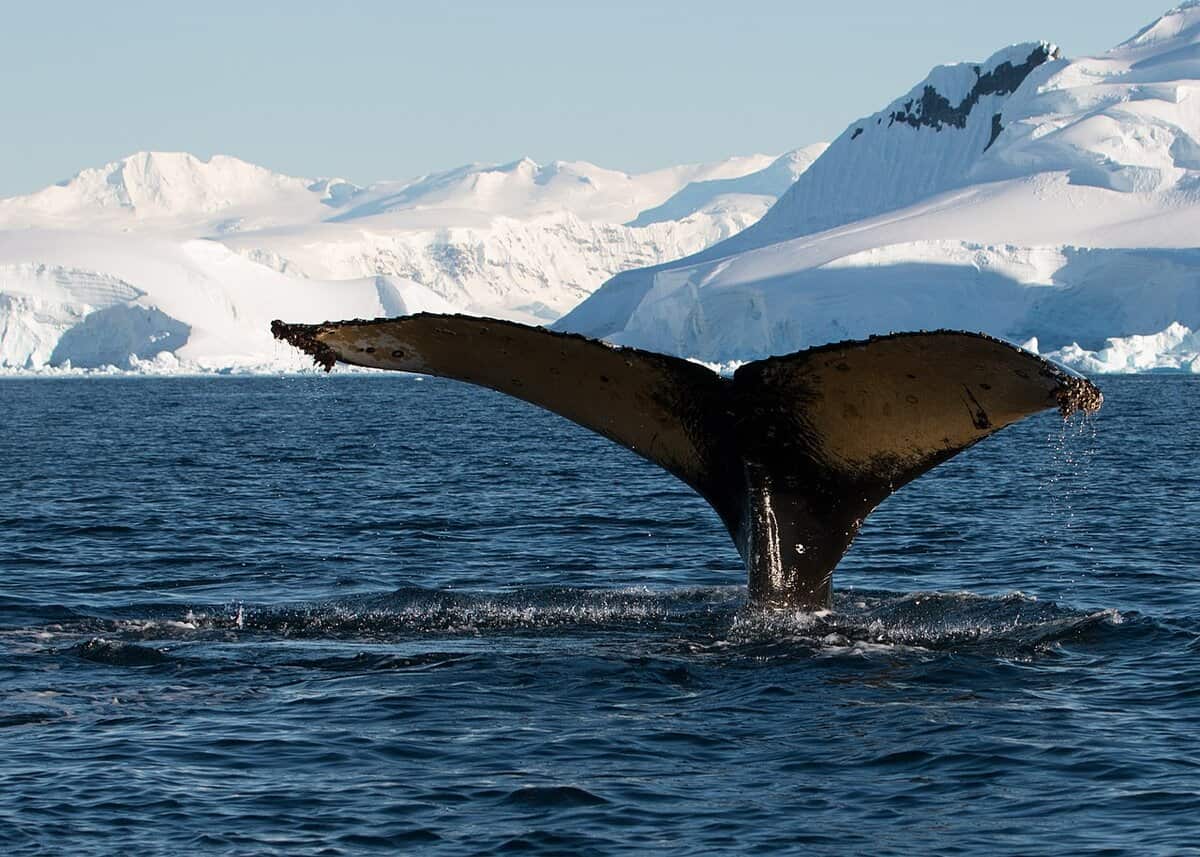
Antarctica’s freezing temperatures act like a natural freezer, preserving objects, animals, and even human remains for extremely long periods.
Food left behind by early explorers over a century ago has been found still recognizable and frozen solid.
In some cases, the bodies of explorers who died in the early twentieth century have remained preserved with surprising detail.
The cold slows decay almost completely, locking the past in place. While this helps scientists study history, it also creates an eerie sense that time is frozen along with the ice.
Walking through old expedition sites can feel like stepping into a moment that never ended.
The idea that the continent quietly holds pieces of human history, perfectly preserved and unmoving, adds to its haunting and timeless atmosphere.
5. There Is a Blood Red Waterfall
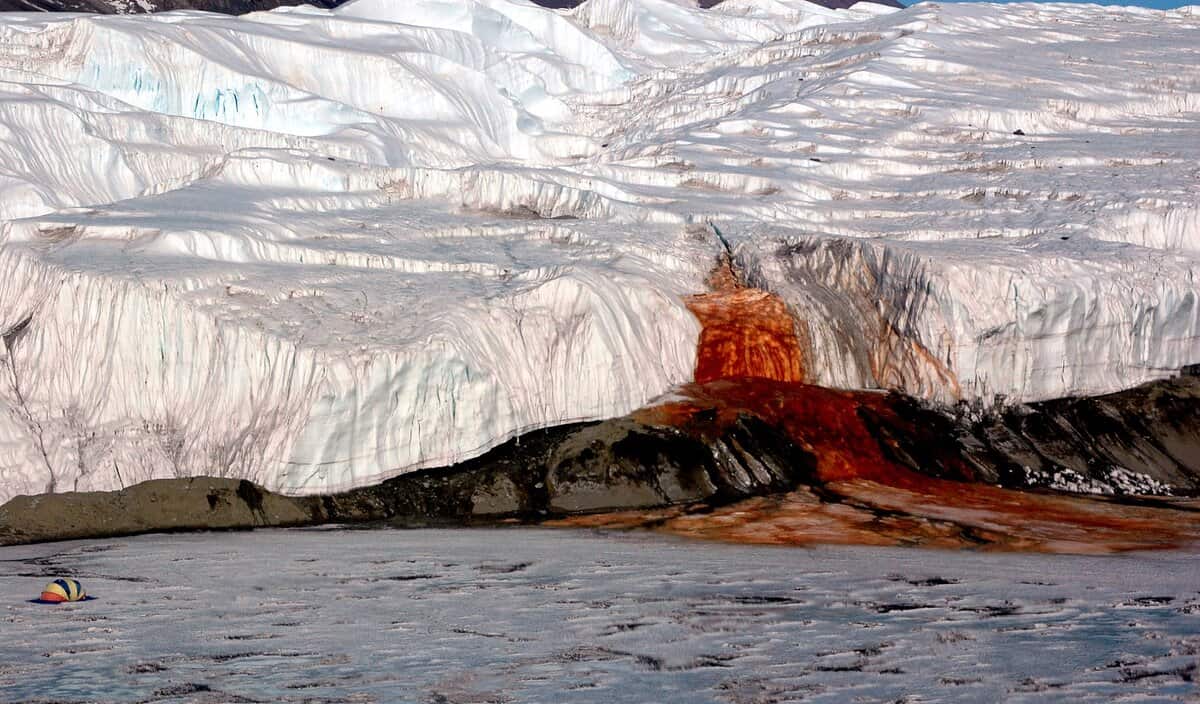
One of Antarctica’s strangest sights is Blood Falls, a bright red stream flowing out of a glacier.
At first glance, it looks like blood spilling onto the white ice, creating a disturbing and dramatic contrast.
The color comes from iron-rich water that oxidizes when it reaches the surface, similar to rust forming on metal.
The water originates from a hidden salty lake trapped beneath the glacier, where microbes live without sunlight or oxygen.
These organisms survive in extreme conditions that would be deadly to most life forms.
The eerie appearance of the red flow, combined with the hidden ecosystem beneath the ice, makes Blood Falls one of the continent’s most unsettling natural phenomena and a reminder of the strange life that can exist in extreme environments.
6. Strange Sounds Come from Moving Ice
Antarctica is not as silent as it appears. Massive sheets of ice are constantly shifting, cracking, and grinding against each other, producing deep echoes and strange noises.
These sounds can travel long distances through the frozen landscape, sometimes resembling thunder, distant explosions, or low haunting tones.
During storms or sudden temperature changes, the ice may split without warning, creating sharp, loud cracks that can startle anyone nearby.
Scientists studying glaciers often describe the experience as both fascinating and unsettling.
The noises remind visitors that the ice is not stable or lifeless but constantly moving and changing.
In the empty landscape, where there are few other sounds, these unexpected echoes can create an eerie atmosphere that feels both powerful and unpredictable.
7. The Cold Can Freeze Skin in Minutes
Temperatures in Antarctica can drop below minus eighty degrees Celsius, making it one of the most dangerous environments on Earth.
In such extreme cold, exposed skin can freeze in just a few minutes, and breathing unprotected air can damage lungs.
Metal tools can stick to bare skin instantly, causing injury. Even small mistakes, like removing gloves too long or stepping outside without full protection, can lead to frostbite or worse.
The constant risk makes daily life at research stations highly controlled and carefully planned. Workers must follow strict safety procedures every time they go outside.
The harsh cold creates a constant sense of danger, reminding everyone that survival depends on preparation, teamwork, and respect for the continent’s extreme and unforgiving conditions.
8. It Is the Most Isolated Place on Earth
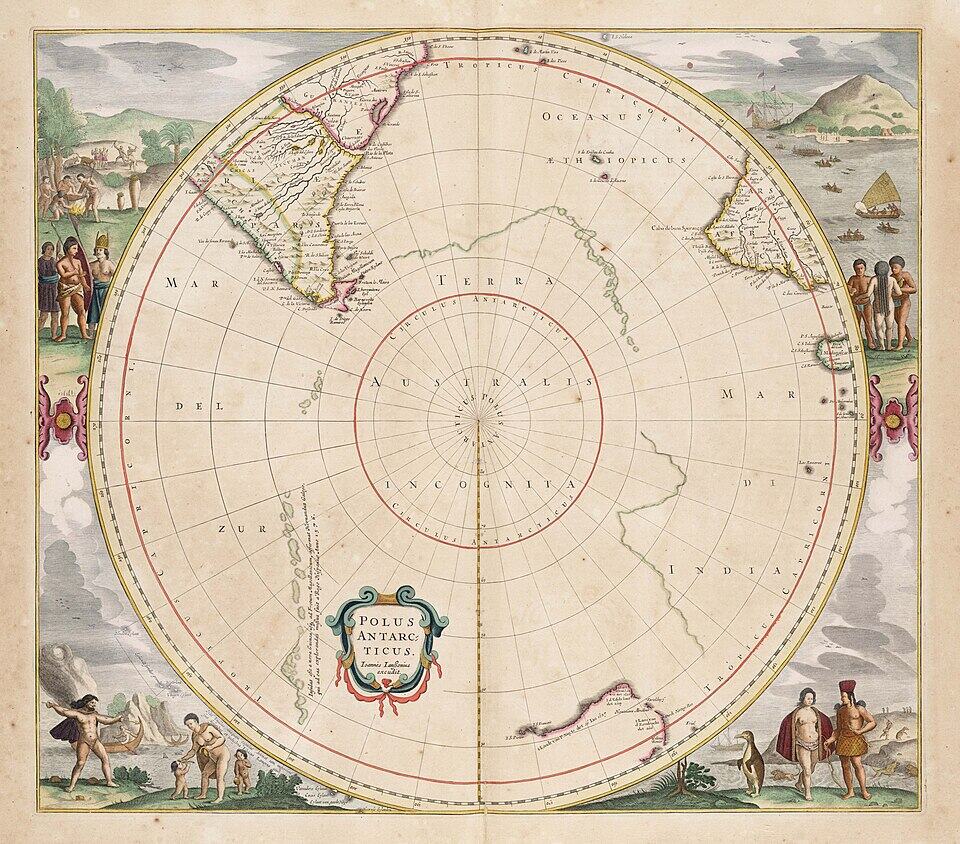
Antarctica is the most isolated continent, located far from major population centers and surrounded by some of the roughest seas in the world.
During winter, flights often cannot land, and ships cannot reach the stations because of thick sea ice and severe storms.
This means that people living there may be completely cut off from the rest of the world for months.
Medical emergencies, equipment failures, or personal crises must be handled on-site.
The feeling of being unable to leave, combined with the endless ice and empty horizon, can be psychologically intense.
Many describe the experience as both peaceful and unsettling. The extreme isolation makes Antarctica feel less like a destination and more like a distant frontier at the edge of the world.

自出生以来,我一直感觉到自己与神灵有着紧密的联系。作为一名作家和导师,我的使命是帮助他人在最黑暗的时刻找到爱、幸福和内心的力量。