
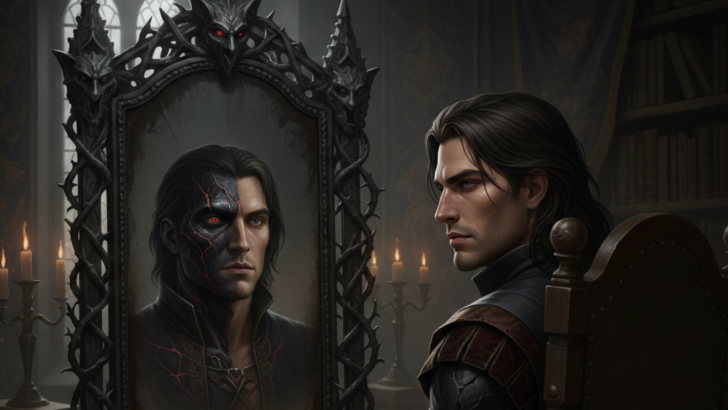
Among the many strange figures found in old legends, Agares stands out as one of the most unsettling.
Some stories describe him as a demon of disruption who encouraged people to use the wrong words at the wrong time.
Other stories paint him as a traveler who moved across the world with unnatural ease. Yet there is another version of Agares that feels far darker and far more haunting.
In this story, he lived inside mirrors and fed on reflections. This made him a presence that waited in quiet corners, observing the world through polished surfaces.
His story explores fear, temptation, and the fragile nature of identity. It invites us to imagine what might watch from behind the glass when no one else is there.
The Demon Who Watched From the Other Side of the Glass
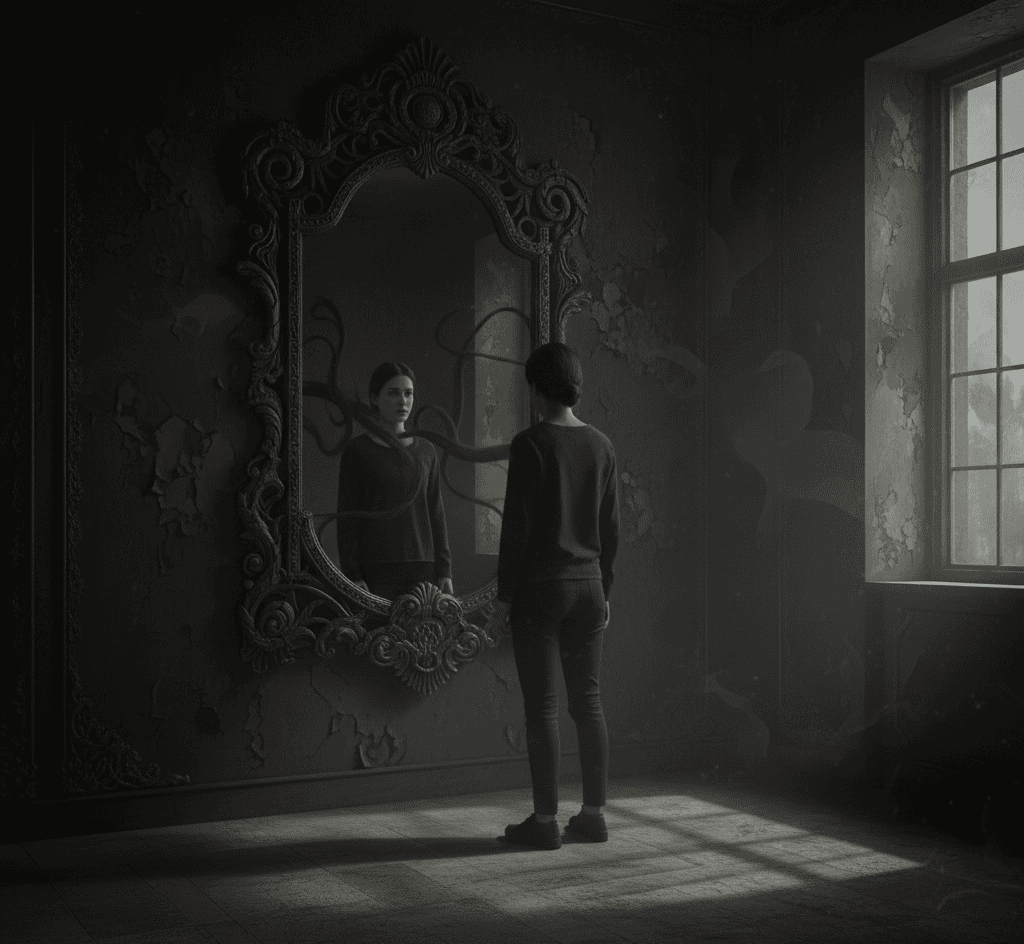
Mirrors have always carried a sense of mystery. People once believed they did more than show a simple image.
They thought mirrors revealed parts of the soul. This belief grew stronger when stories of Agares began to spread.
According to these tales, he did not walk among people in the usual way. Instead, he moved through mirrors.
People said that Agares appeared only when someone looked at themselves for too long. He waited behind the surface with patience.
The moment a person began to study their reflection closely, he would sense their thoughts.
Mirrors often bring out emotions that stay hidden during the day. A person might notice a small flaw or admire something they like. E
Legend says he did not want the person. He wanted the reflection. A reflection is a copy of the self but without weight or flesh.
This weakened the person slightly. They might feel uneasy or strangely tired afterward. They might walk away wondering why their own face had seemed different for a moment.
Agares was believed to study these reflections to understand the hidden parts of people. Mirrors show truth without emotion.
They show age, fear, pride, and uncertainty. For a demon who fed on weakness, this made the glass a perfect place to live.
The Power Reflections Held and Why Agares Fed on Them
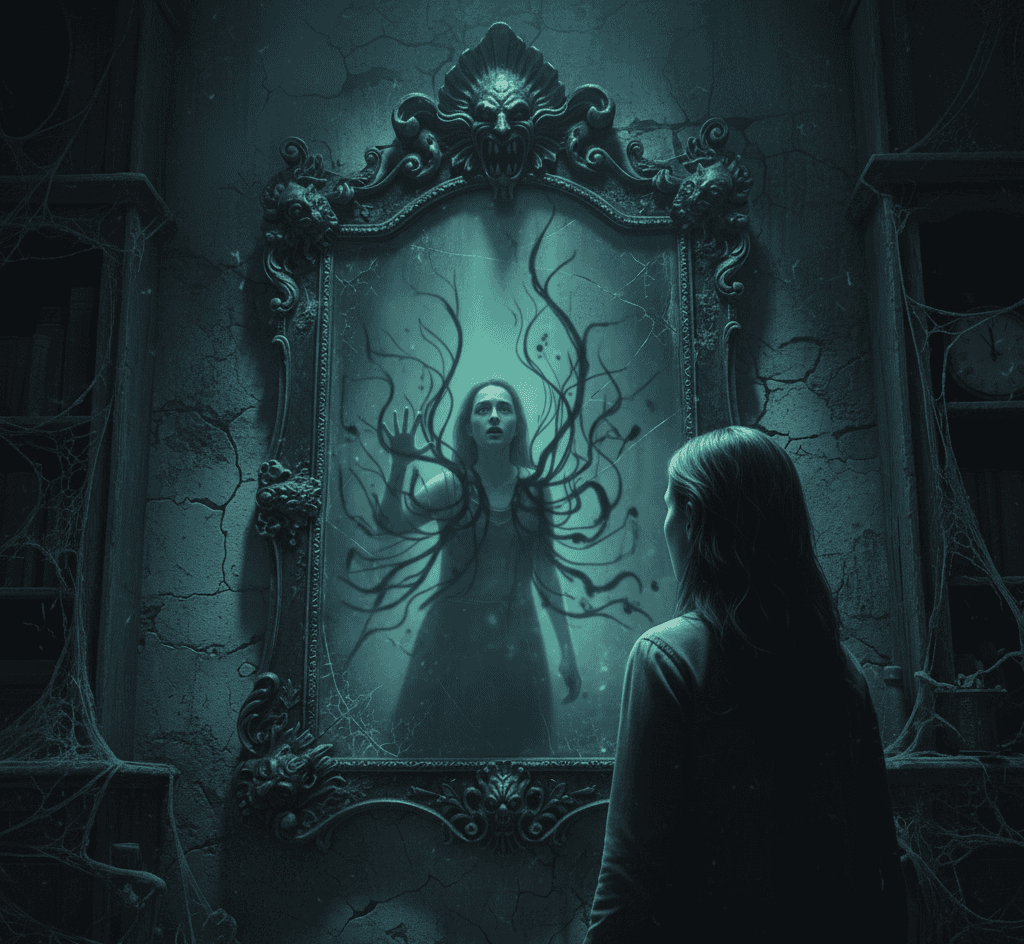
To understand why Agares fed on reflections, it helps to understand how ancient people viewed them. Reflections were seen as pieces of the spirit.
They were not separate from the person but were delicate extensions of their identity. When someone smiled, the reflection smiled.
When someone cried, the reflection softened. This connection made reflections valuable in spiritual stories. Losing a reflection was believed to weaken the soul.
Some legends describe how a mirror would grow slightly darker after Agares fed on it.
The silver beneath the glass would lose some of its brightness. People believed this was a sign that part of their spirit had been taken.
They would wipe the mirror, but the darkness remained because it was not dirt. It was the mark of a feeding.
This belief made mirrors both magical and dangerous. Many families covered their mirrors at night because they feared that Agares roamed freely after dark.
They thought the quiet hours when the world was still gave him more strength. Dreams made reflections vulnerable, and sleeping beside an uncovered mirror was considered risky.
Agares did not always appear to feed. Sometimes he watched quietly. He studied the emotions people brought to the mirror.
People who looked into a mirror too often or too long were said to fall under his influence. They might become overly focused on their appearance or begin to mistrust their own image.
This created a slow and unsettling fear. They started to feel that someone else was watching from behind the surface. They felt their reflection was no longer fully their own.
How Agares Used Reflections to Influence the Living
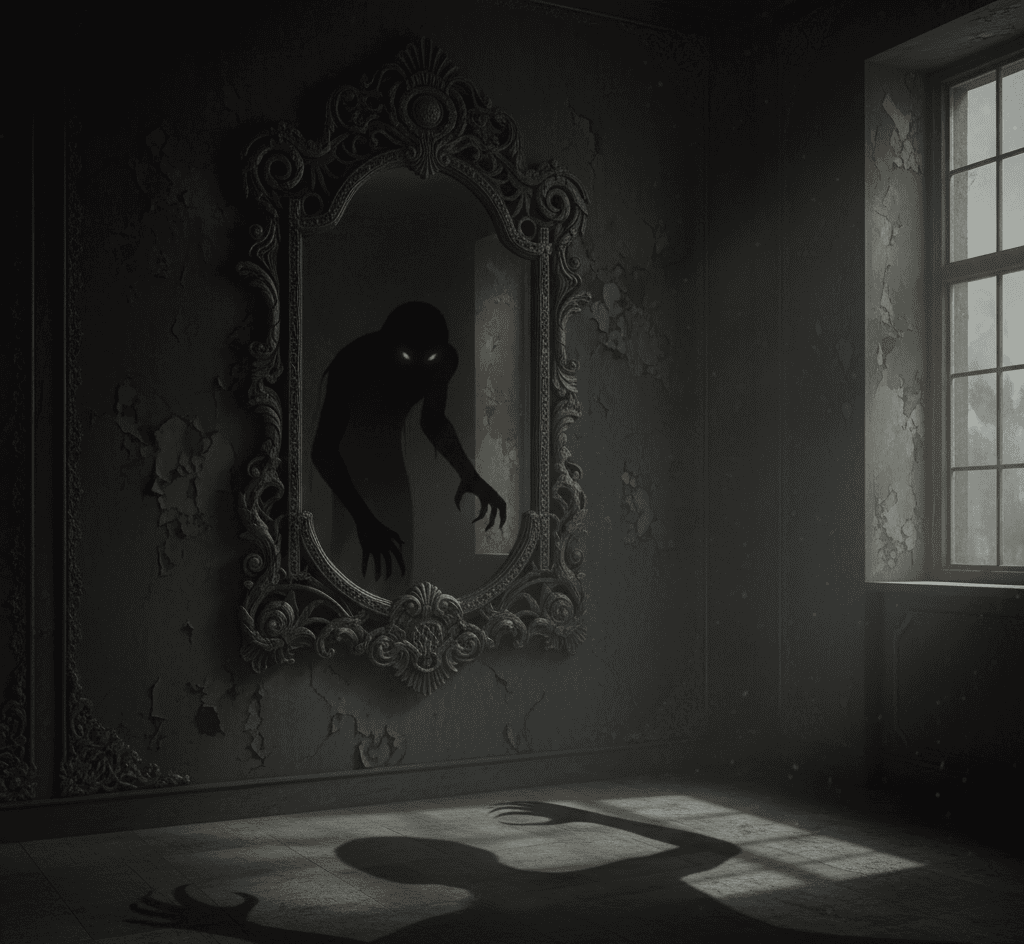
The stories go further by describing how Agares used reflections not only to feed but also to influence.
When he took energy from a reflection, he gained a small piece of the person’s inner world.
He understood their thoughts, doubts, and private feelings. With this knowledge, he could whisper suggestions into their mind through the mirror.
People described seeing their reflection move in ways they did not. A blink that felt too slow. A smile that appeared too quickly.
These small changes were signs that Agares was close. When these moments happened, people often looked away quickly, afraid of what might come next.
Agares was not described as wanting destruction. Instead, he wanted disturbance. He fed on imbalance.
If he could make a person doubt themselves or act in ways they later regretted, the emotions that followed created even more reflection energy. This fed him again.
In many versions of the myth, there was only one way to free oneself from Agares. A person had to stop seeking answers in their reflection.
They had to walk away from the mirror and look toward the world instead. This broke his influence because he needed reflections to reach the living. If the glass remained empty, he could not feed.
Why the Legend of Agares Still Feels Unsettling Today
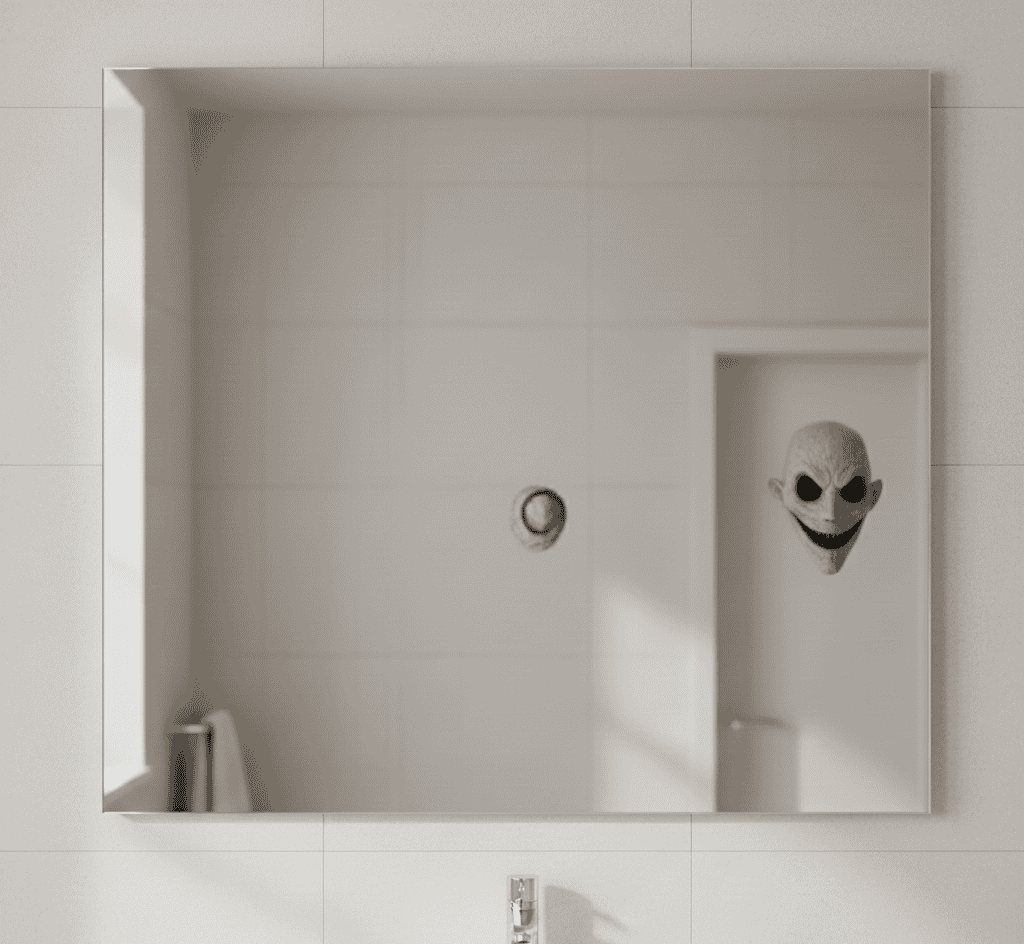
Even though the story of Agares is ancient, it still captures the imagination because it touches on something universal.
Mirrors are part of everyday life. People look into them to check their appearance, study their expressions, or simply see themselves clearly.
Agares represents the fear that something else might share that space. Something that watches quietly.
Something that understands more than it should. His ability to feed on reflections symbolizes the way insecurities can grow when someone focuses too much on their image.
The story of Agares gives these emotions a shape and a name. The idea of a demon who feeds on reflections also reminds people that identity is fragile.
A reflection can change with light or emotion. It can look different from one moment to the next. This uncertainty can be unsettling.
The myth suggests that when people lose confidence in themselves, something dark can slip through the cracks.
Agares remains a powerful figure because he represents quiet fear rather than loud terror. He waits behind calm surfaces.
He watches people when they believe they are alone. His presence is subtle but chilling. The thought that someone might study us through our own reflection makes his story unforgettable.
The legend of Agares continues to echo in modern imagination because it blends mystery, fear, and the delicate nature of identity.
It reminds us that sometimes the scariest stories are not about monsters we can see but about the ones that watch from behind the glass, waiting for the moment when we look too closely.

自出生以来,我一直感觉到自己与神灵有着紧密的联系。作为一名作家和导师,我的使命是帮助他人在最黑暗的时刻找到爱、幸福和内心的力量。