
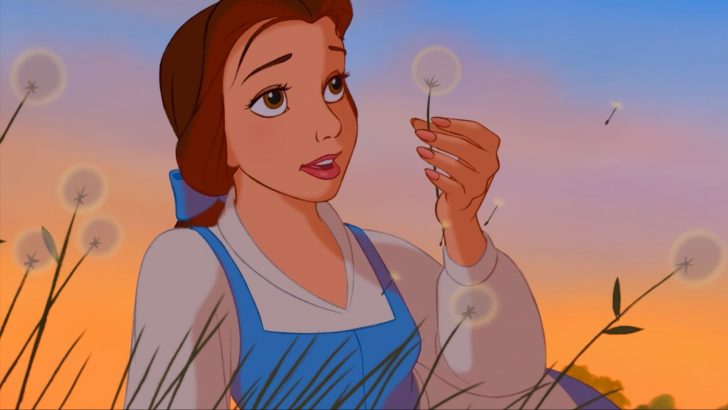
Every Disney princess has a certain pattern of behavior influenced by her emotional wound.
我们 identify with some of 他们 precisely because we recognize a part of ourselves in their reasoning and choices.
Even the partners they end up choosing as their happily ever after reflect this.
Healing can only begin once we start to question these shadow patterns, asking why we’re giving in to them, instead of just labeling them as coincidences.
1. Ariel: Sacrificing Her Voice
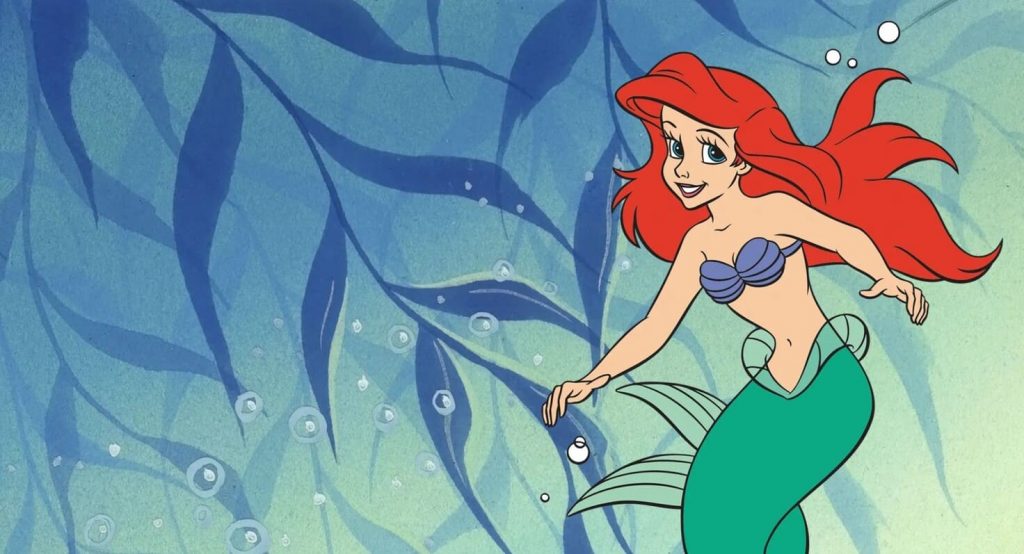
Ariel’s wound was her controlling, dismissive father. Her desires were constantly invalidated, leading her to feel like she wasn’t enough.
Her belief was that to be loved, she had to become someone else entirely.
Her shadow pattern was giving up her voice, no questions asked, just so she could be chosen.
This led her to enter a relationship based on 缄默 和 self-erasure; she sacrificed her greatest talent for a chance to become someone else and live in a different world.
She kept shrinking herself to fit into the Prince’s world, losing her identity in the process.
The Little Mermaid recognized this unfair trade-off as something many of us make.
To heal, we first must ask: Did Ariel need to give up her voice so Prince could love her, or is that a pattern she chose to follow because of her wound?
2. Belle: Fawning
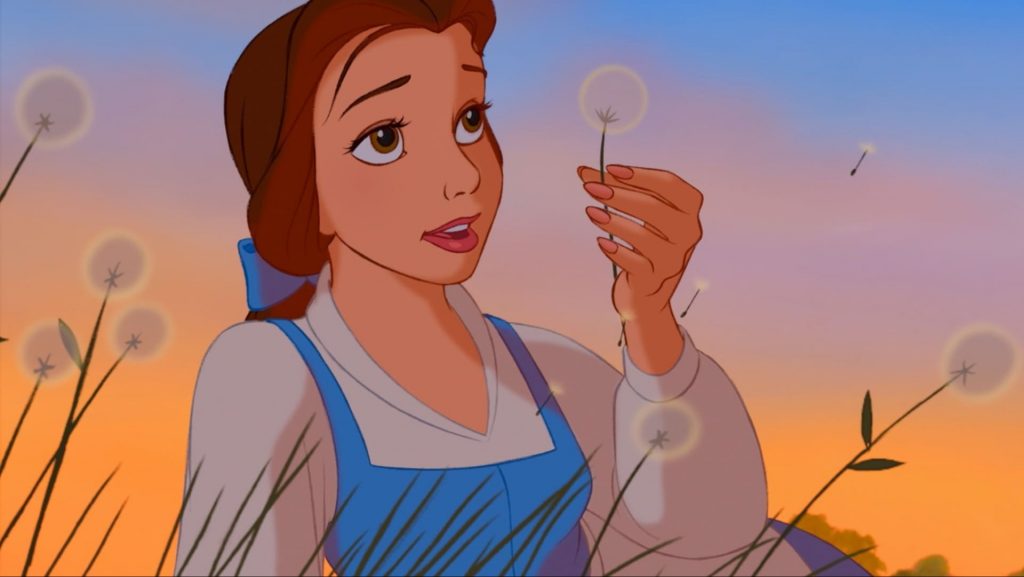
Belle’s wound was being overly attached to her father. He was her whole world. And though he was gentle and kind, their relationship isolated her from the reality of the world.
Her belief was that love means staying even when it hurts.
Her shadow pattern was choosing a man who imprisoned her, and then convincing herself that she was in love.
This is what we call fawning: trying to find some goodness in an abusive person to cope with the situation.
Belle kept mistaking intensity for depth, believing that enduring hardship proved her love and her strength.
Her wound led her to romanticize the very things that restricted her.
The healing question would be: Is someone’s need for you the same as love?
It challenges us to see if we are staying in these difficult situations because we care, or because we’re afraid to leave.
3. Cinderella: Conditional Love
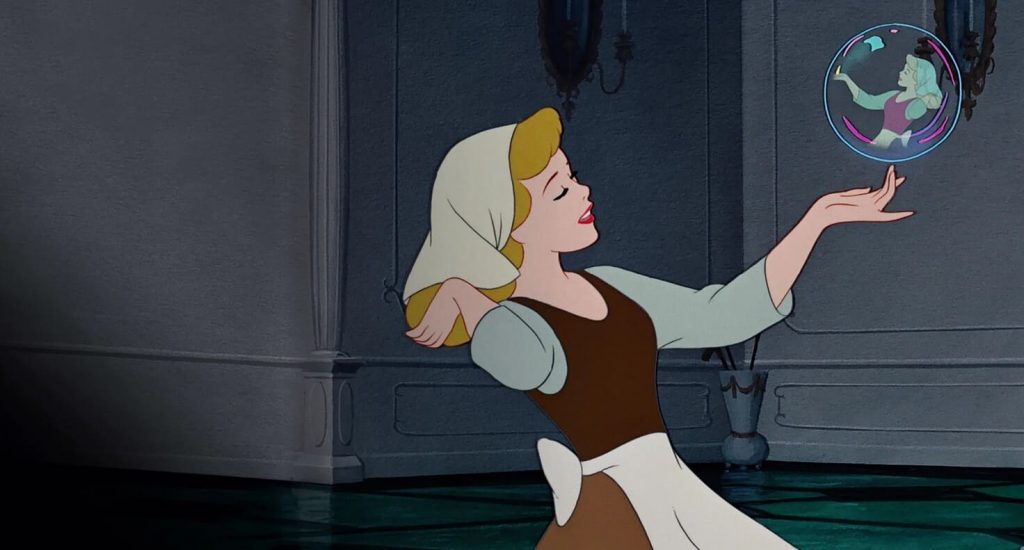
Cinderella’s wound was being abandoned by her father. He didn’t leave; he died, but she internalized it as abandonment all the same.
She also didn’t have a loving mother or any safety at home.
She was raised under cruelty and silence, learning early on that she didn’t matter.
Her belief was that she was only 配称 如果 she could be useful, so she always tried to earn her place.
Cinderella’s shadow pattern was waiting to be rescued.
That’s how she ended up being attracted to a man defined only by his status, because authority felt like safety to someone who was orphaned early on.
She kept making herself small, hoping that someone would manage to see beyond the surface and decide to rescue her.
The healing question would be: Why are you still waiting for permission to take up space?
Are you serving others because you genuinely want to or because you hope it will earn you their affection?
4. Rapunzel: Mother Wound and Guilt
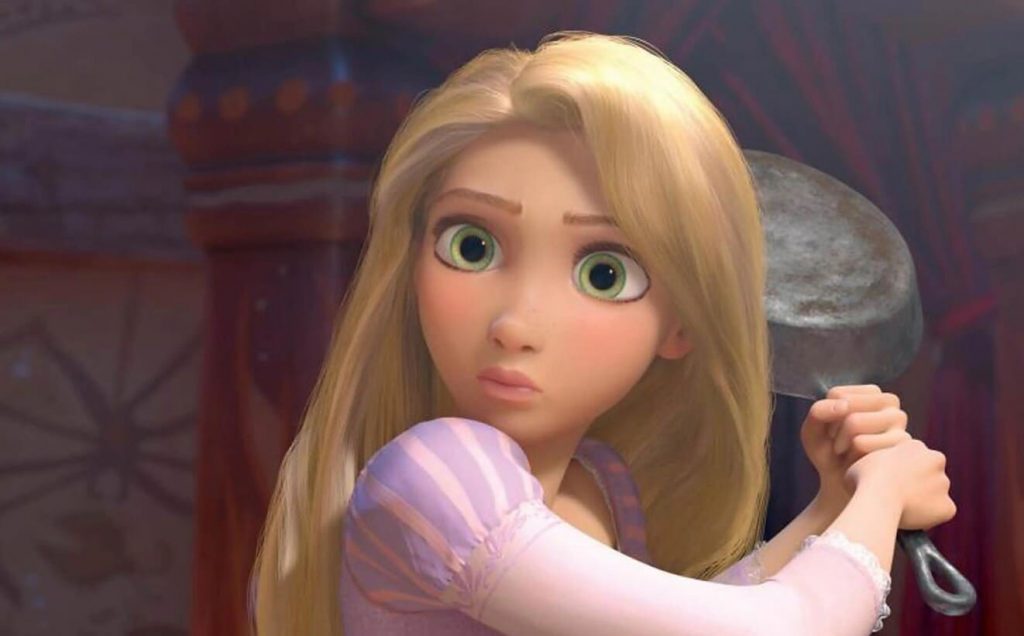
Rapunzel’s wound was a narcissistic mother-figure who used love to control her every move.
Her conscious belief was that the outside world was dangerous, and that she needed her mother to survive.
However, her shadow pattern was normalizing constant surveillance and emotional manipulation.
She felt guilty for wanting freedom, thinking her desire for independence was the same as betraying a mother who saved her.
It’s heartbreaking to realize that the people who claim to love us most can be the ones holding us back.
The healing question is: Do you feel guilty for doing something wrong or simply for wanting to live your life?
Your instinct to break free is valid, and wanting autonomy at a certain age is natural.
5. Jasmine: Performance
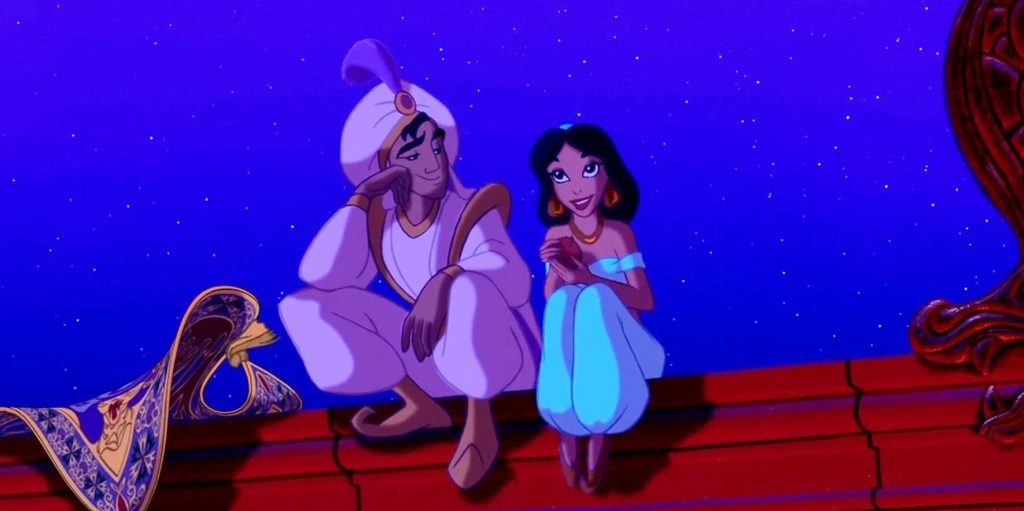
Jasmine’s wound was being stifled and overprotected by a father who meant well but suffocated her spirit.
Her belief was that everyone else saw her as a golden prize, as her father did, and so no one could genuinely love her.
Her shadow pattern, on the other hand, was attracting a man who was also hiding his true self.
Jasmine and Alladin performed for each other, both afraid of being seen and rejected for who they really were.
Jasmine kept mistaking his grand gestures for genuine intimacy when neither of them was willing to be vulnerable.
The healing question would be: Do you show people who you are, or do you show them a curated version that you believe they’ll like?
And why do you even assume that they wouldn’t like the real you?
This question forces us to be brave enough to show people our insecurities and flaws. They will repel some people, but that’s exactly what they’re meant to do.
The right ones will stay.

A little Aquarius, devoted to writing and embroidery. Through my writing, I hope to empower readers to align with their true selves and navigate life’s mysteries with confidence.