
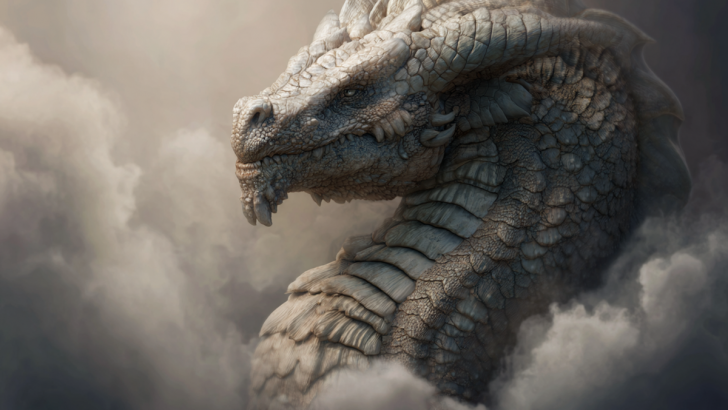
Before dragons became fantasy villains or CGI spectacles, they were powerful symbols woven into the spiritual DNA of civilizations around the world. These legendary creatures weren’t just fire-breathing nightmares—they represented chaos, wisdom, greed, protection, creation, and sometimes the universe’s general lack of patience with humanity.
From dragons who controlled rain and rivers to those who hoarded gold and bad decisions, each culture shaped its dragons to reflect its deepest fears and values. Some were gods, some were monsters, and some were moral lessons with scales. These mythical dragons weren’t meant to be slain casually—they were meant to be remembered.
So buckle up, because these aren’t just dragons; they’re ancient warnings, cosmic forces, and dramatic overachievers with wings.
1. Smaug (Norse-Inspired, Popularized by English Myth & Legend)
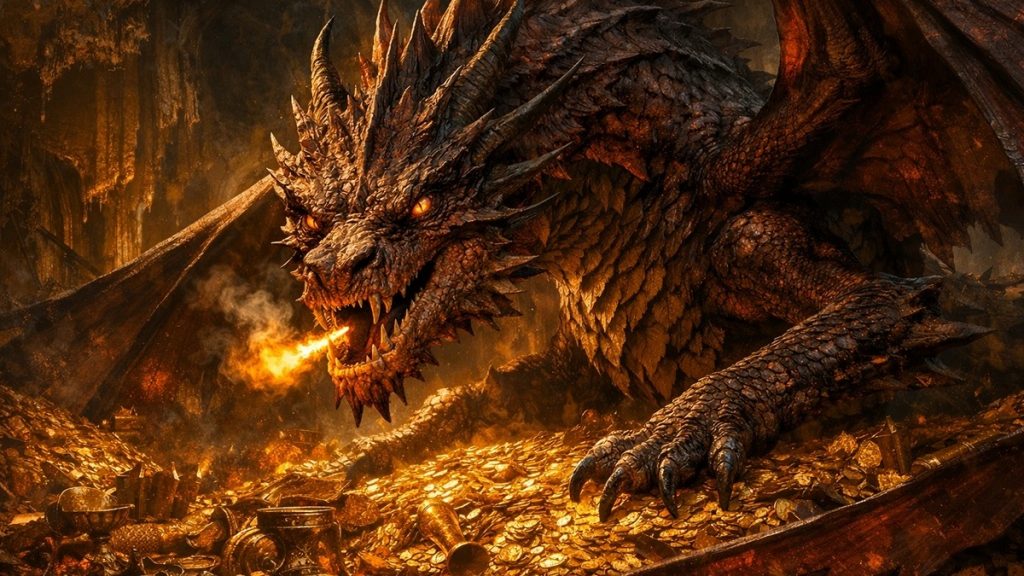
Smaug is the dragon who single-handedly rebranded “greedy” as a lifestyle choice. While most people know him from The Hobbit, Smaug is heavily inspired by older Norse and Germanic dragon myths, where dragons weren’t just monsters—they were cautionary tales with wings.
Smaug represents unchecked greed, obsession with wealth, and the belief that owning everything will somehow fill the emotional void. Spoiler: it doesn’t. He sleeps on gold, talks like a smug aristocrat, and believes himself intellectually superior to literally everyone.
Dragons like Smaug weren’t just meant to be scary; they were moral lessons wrapped in fire and arrogance, reminding humans that hoarding wealth eventually attracts trouble, heroes, and very sharp objects.
2. Fafnir (Norse Mythology)
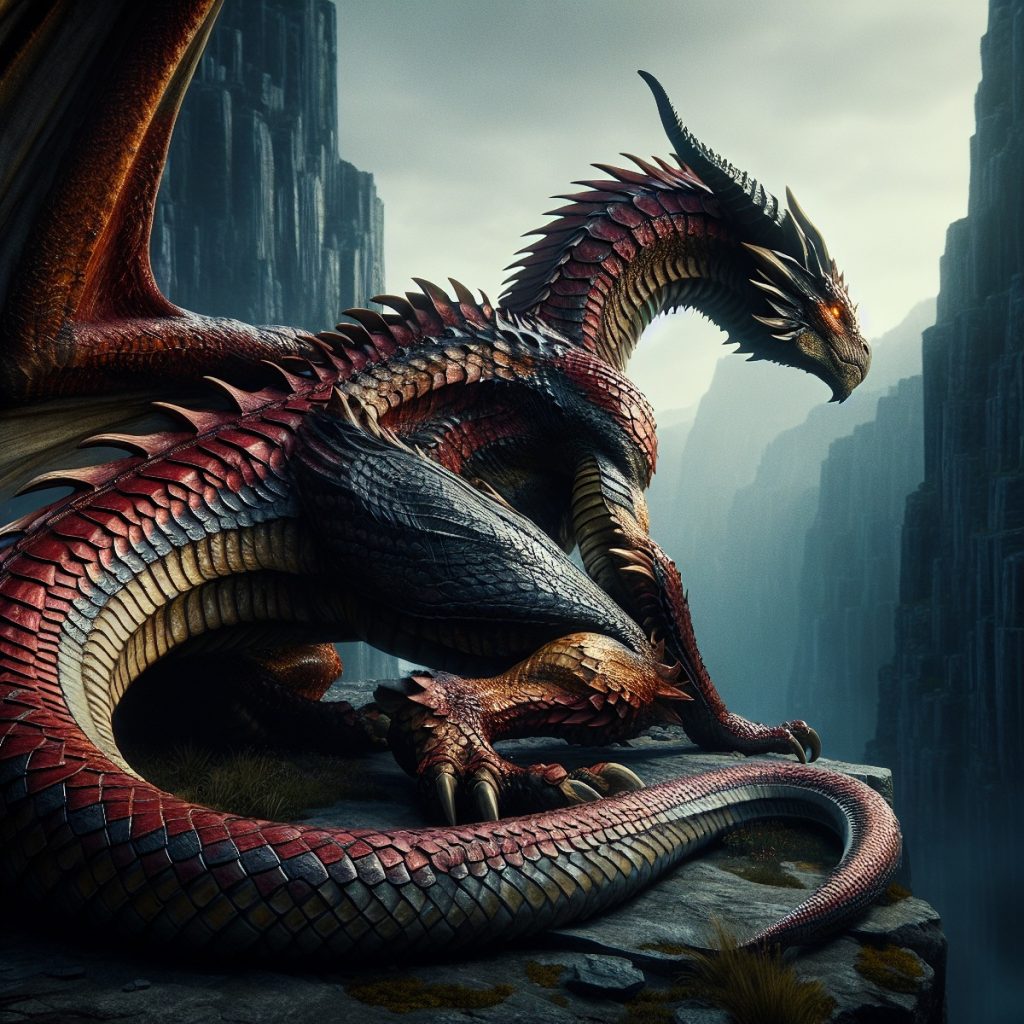
Before becoming a dragon, Fafnir was just a deeply unpleasant man with a jealousy problem. In Norse mythology, Fafnir transforms into a dragon after murdering his father for cursed gold, proving once and for all that emotional issues plus money equals disaster. As a dragon, he guards his treasure obsessively, isolated, bitter, and very flammable.
Fafnir represents how greed doesn’t just corrupt—it physically transforms you into something monstrous. He’s less glamorous than modern dragons and more tragic, serving as a mythological warning that wealth pursued without morality leads to isolation and paranoia. Basically, Fafnir is the original “this could’ve been an email” of mythic consequences.
3. The Chinese Dragon (Lóng)
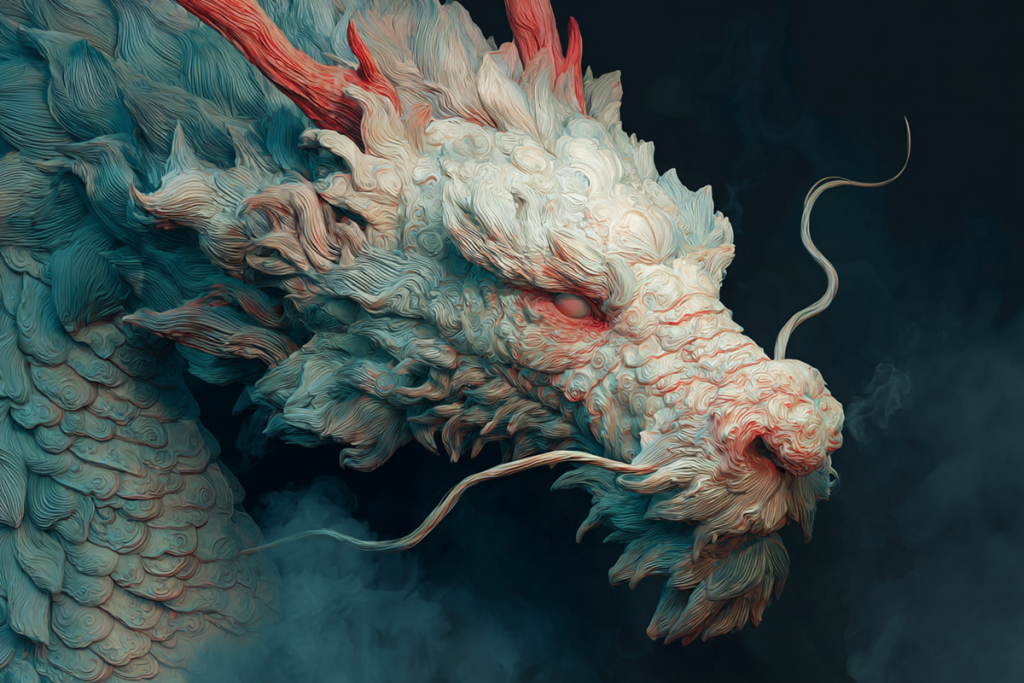
Unlike its Western cousins, the Chinese dragon is not here to burn villages or hoard gold—it’s here to manage the weather and your destiny. Chinese dragons symbolize power, wisdom, balance, and prosperity, and were historically associated with emperors, rainfall, and cosmic order. These dragons don’t breathe fire; they control water, clouds, and rivers, which is frankly more useful.
Long, serpentine, and elegant, the Chinese dragon embodies harmony between heaven and earth. If Western dragons are chaotic problem-makers, Chinese dragons are celestial administrators. They’re respected, revered, and deeply polite by dragon standards. You don’t slay these dragons—you thank them and hope they like you.
4. Quetzalcoatl (Aztec Mythology)
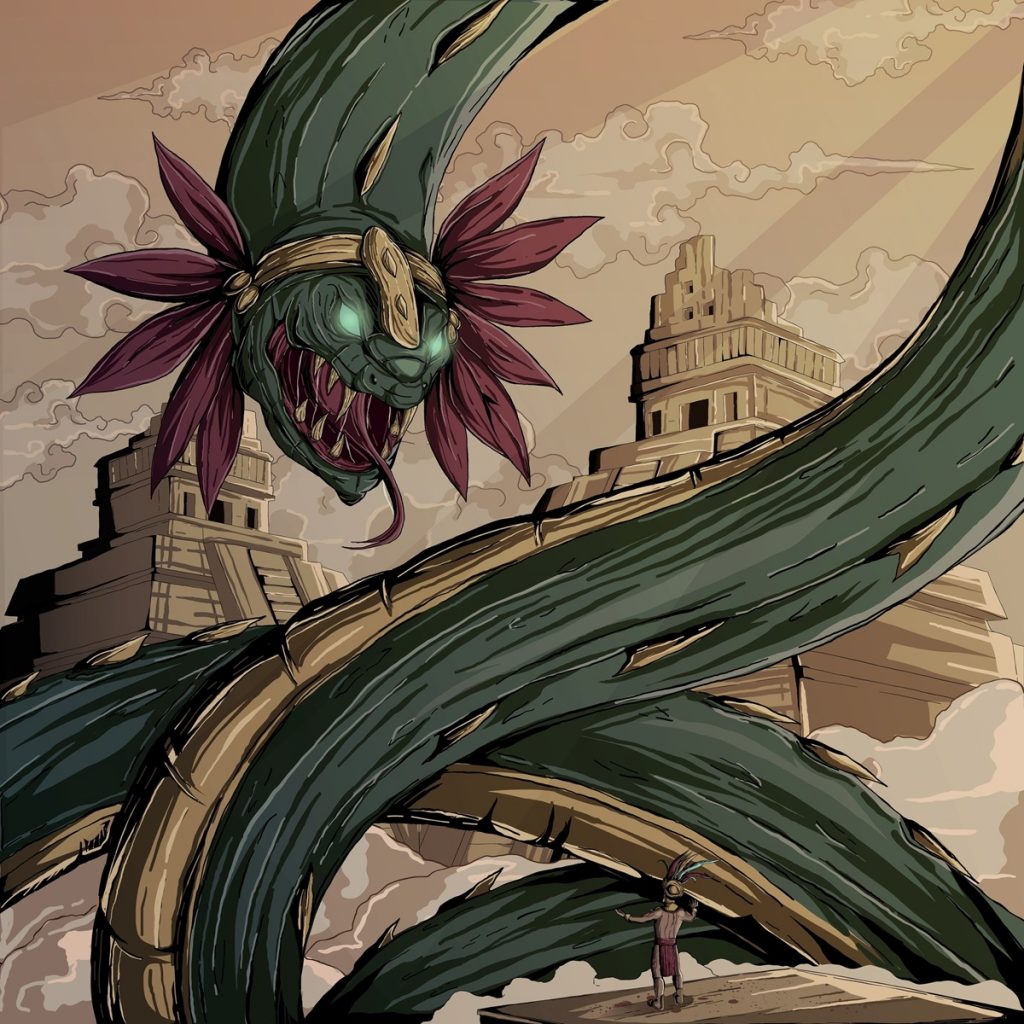
Quetzalcoatl is a dragon, a god, a feathered serpent, and an overachiever. Worshipped by the Aztecs and other Mesoamerican cultures, Quetzalcoatl represents creation, wisdom, wind, and life itself. Unlike many dragons who destroy indiscriminately, Quetzalcoatl is a civilizing force who taught humans agriculture, science, and morality. He’s less “fear me” and more “let me elevate humanity.”
His serpent body symbolizes earth and renewal, while his feathers represent the heavens. This dragon proves that power doesn’t have to be loud or violent. Sometimes the most legendary dragons are the ones who build civilizations instead of burning them down.
5. Yamata no Orochi (Japanese Mythology)
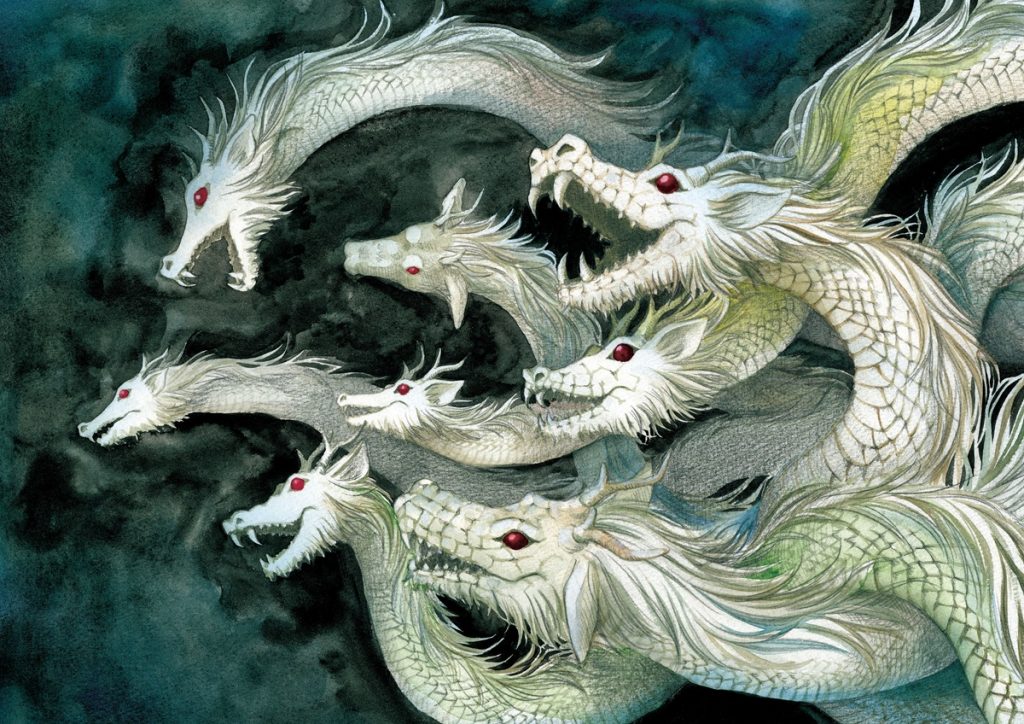
Yamata no Orochi is what happens when a dragon forgets the concept of moderation. With eight heads, eight tails, and a fondness for terrorizing villages, this Japanese dragon is pure chaos. Each head represents overwhelming forces like floods and storms, making Orochi a walking natural disaster. He famously gets defeated by the god Susanoo, who tricks him with alcohol—proof that even mythical horrors have weaknesses.
Orochi symbolizes uncontrollable destruction and the danger of forces that grow too large to manage. He’s not subtle, wise, or charming. He’s a reminder that sometimes problems multiply because no one stopped them early.
6. Vritra (Hindu Mythology)
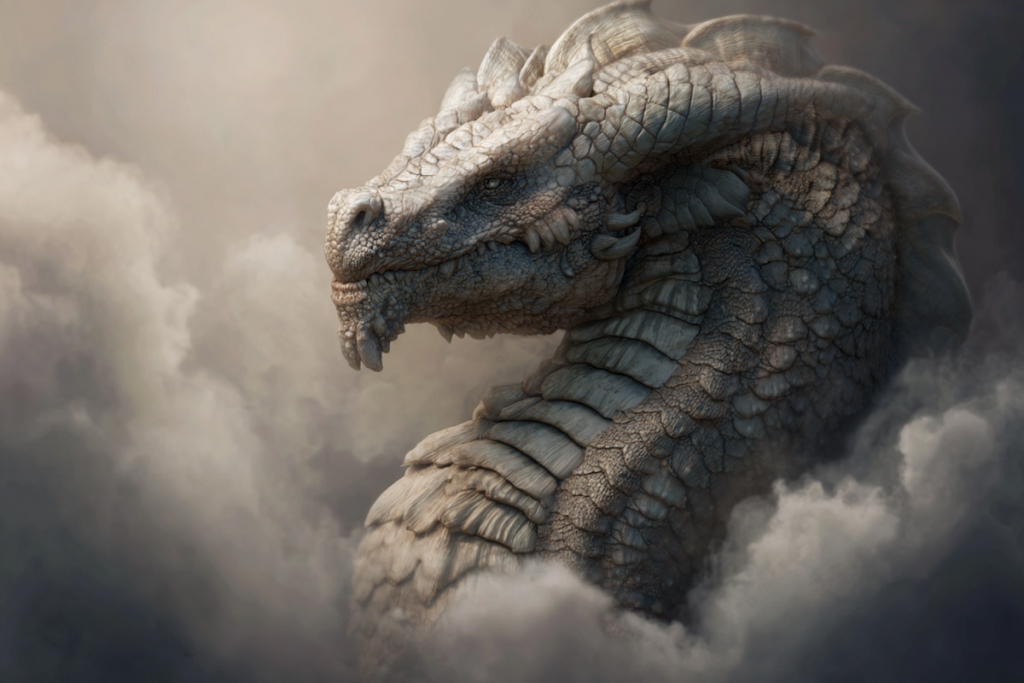
Vritra is the dragon of drought, chaos, and obstruction in ancient Hindu mythology. He blocks rivers, traps life-giving waters, and generally ruins everyone’s plans. Slain by the god Indra, Vritra represents forces that prevent growth and renewal. This dragon isn’t just a physical monster; it’s a metaphor for stagnation, fear, and resistance to change. Vritra’s defeat releases the waters back into the world, restoring balance.
Mythologically speaking, he’s less about evil and more about the necessary struggle against inertia. Vritra exists to be overcome, reminding humanity that progress often requires confronting massive, uncomfortable obstacles head-on.
7. The Hydra (Greek Mythology)
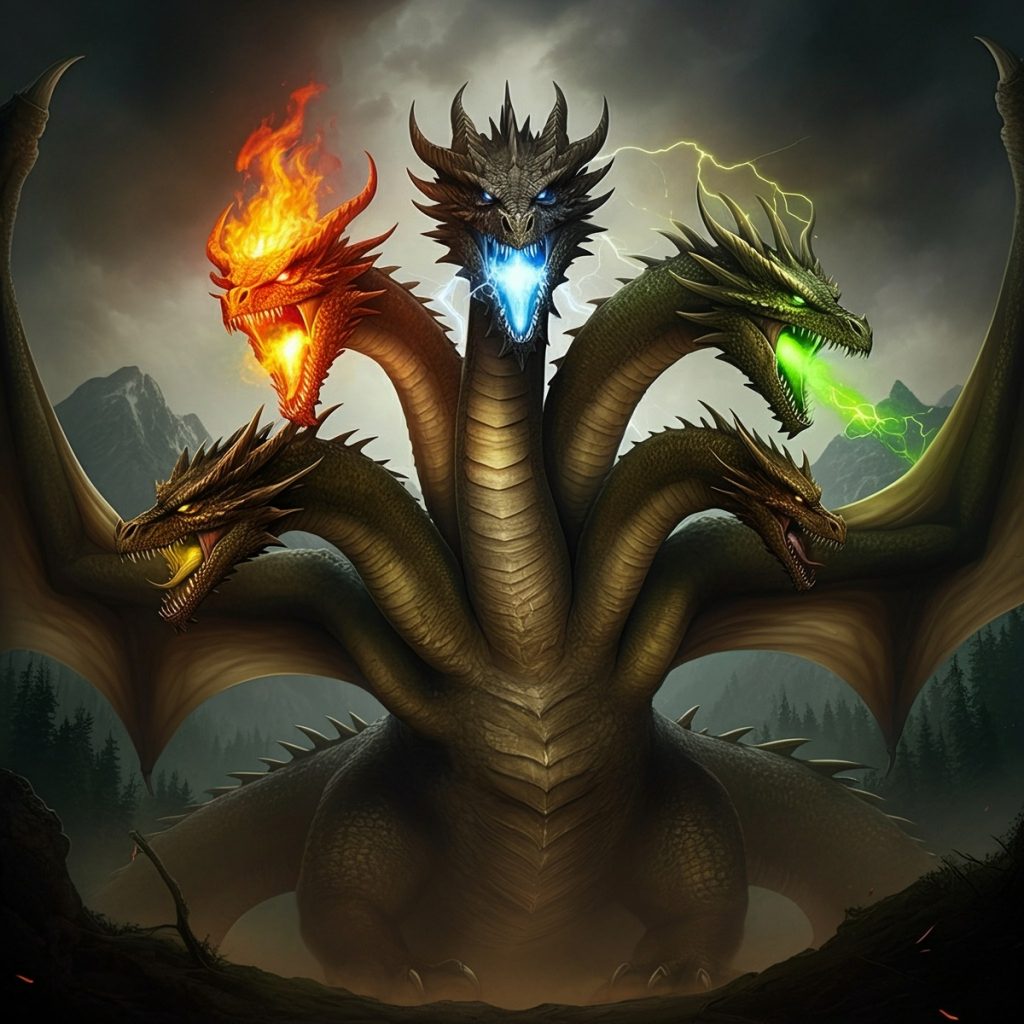
The Hydra is the dragon equivalent of a problem that gets worse every time you try to fix it. With multiple heads that regenerate when cut off, this Greek monster represents chaos, persistence, and the dangers of half-solutions. Slain by Heracles as one of his labors, the Hydra teaches a brutal lesson: brute force alone won’t work. You need strategy, patience, and a trusted assistant with a torch.
The Hydra symbolizes problems like corruption or vice—cut off one head and two more appear. It’s not glamorous, but it’s painfully relatable. Ancient Greeks clearly understood spiraling issues long before modern bureaucracy existed.
8. Níðhöggr (Norse Mythology)
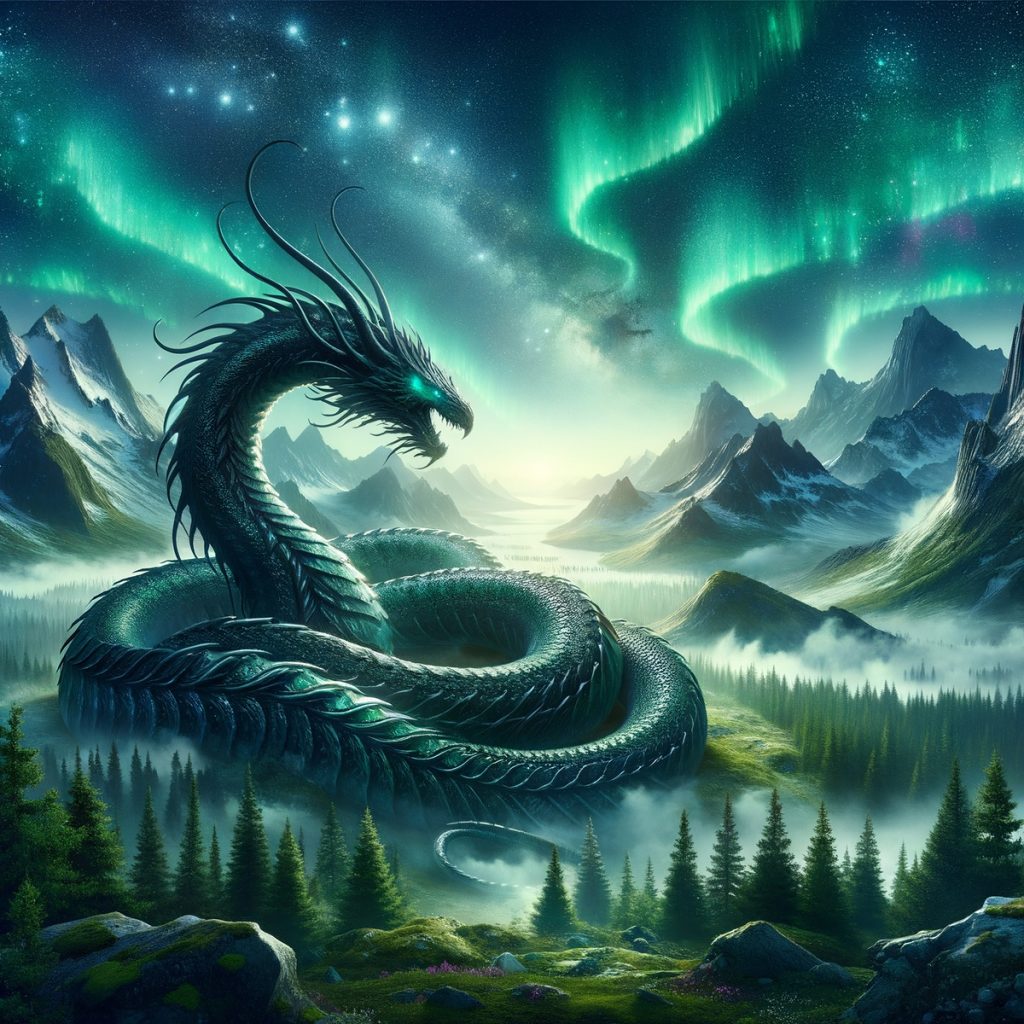
Níðhöggr is not soaring through the skies or hoarding treasure—he’s gnawing at the roots of the world tree, Yggdrasil, like an apocalyptic termite. This dragon represents decay, moral corruption, and the slow destruction of cosmic order. While other dragons are dramatic, Níðhöggr works quietly, persistently, and with terrifying patience.
He embodies the idea that not all destruction is loud; some of it happens over time through neglect and cruelty. In Norse belief, Níðhöggr punishes the wicked after death, proving he’s not just destructive but judgmental. Honestly, he’s less dragon, more existential dread with scales.
9. Ladon (Greek Mythology)
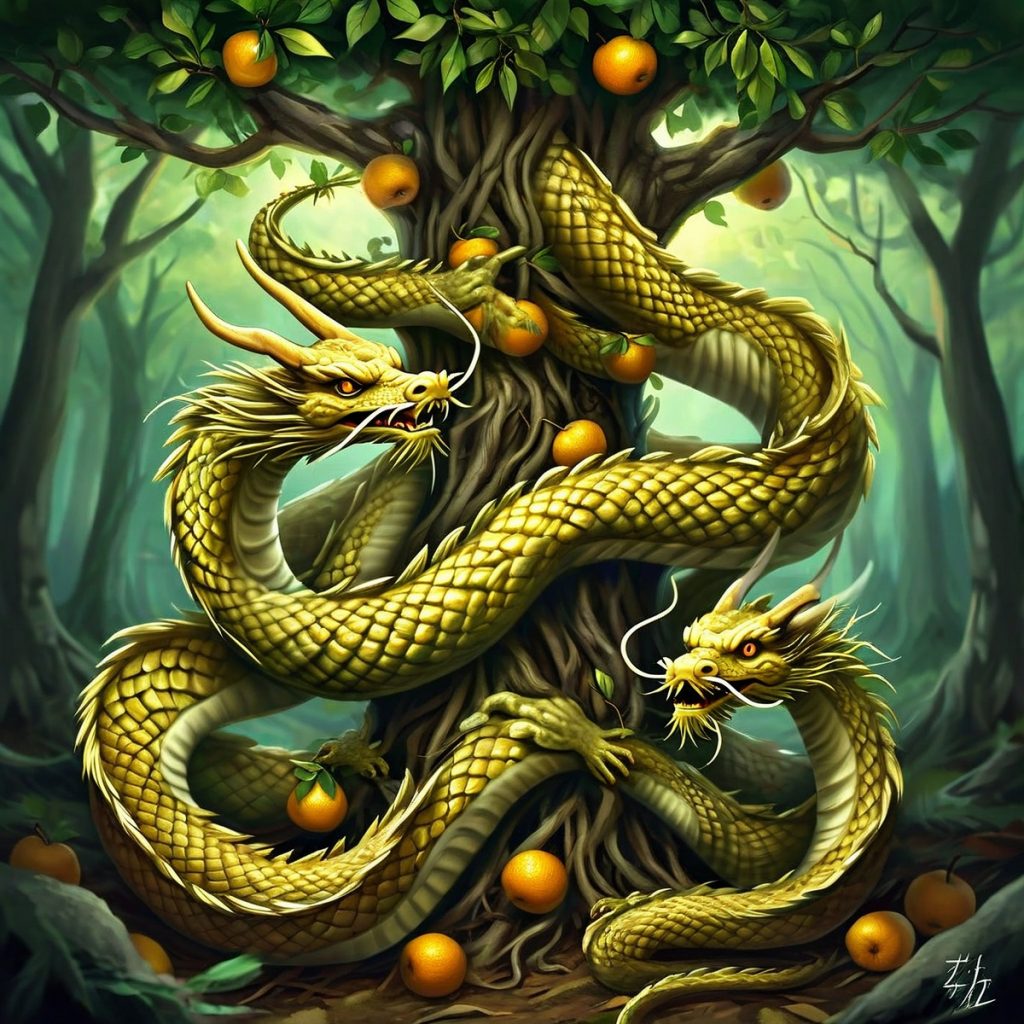
Ladon is the dragon assigned to guard the golden apples of the Hesperides, and he takes his job very seriously. With multiple heads and eternal vigilance, Ladon symbolizes guardianship and divine protection. Unlike chaotic dragons, Ladon doesn’t destroy for fun—he exists to protect sacred resources from unworthy hands. Naturally, Heracles shows up anyway, because heroes love ignoring boundaries.
Ladon represents the idea that some treasures aren’t meant for everyone, and protection often requires constant vigilance. He’s not greedy, evil, or dramatic—just eternally alert. In dragon terms, Ladon is professional, reliable, and tragically underappreciated.
10. The Rainbow Serpent (Aboriginal Australian Mythology)
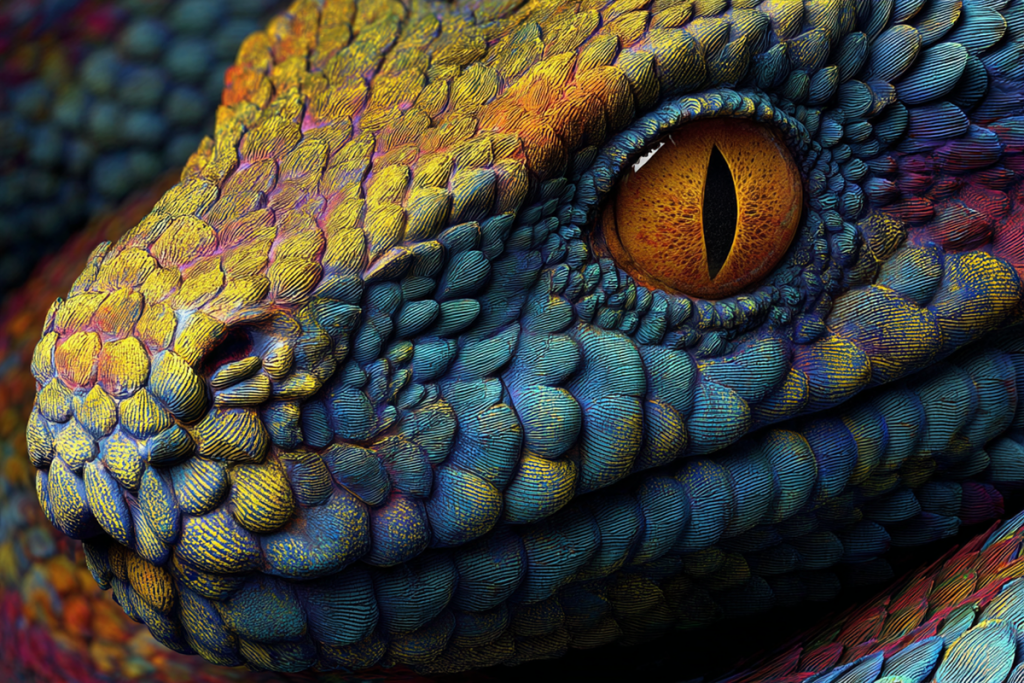
The Rainbow Serpent is one of the oldest dragon-like beings in human mythology, representing creation, water, fertility, and the shaping of the land. Revered across Aboriginal Australian cultures, this serpent formed rivers, mountains, and life itself. Unlike European dragons, the Rainbow Serpent is deeply tied to balance and respect for nature. It rewards those who honor the land and punishes those who disrespect it.
This dragon isn’t about fear—it’s about responsibility. The Rainbow Serpent reminds humanity that nature is powerful, ancient, and not to be taken lightly. In other words, the original environmental guardian, centuries ahead of its time.

Lover of good music, reading, astrology and making memories with friends and spreading positive vibes! 🎶✨I aim to inspire others to find meaning and purpose through a deeper understanding of the universe’s energies.