
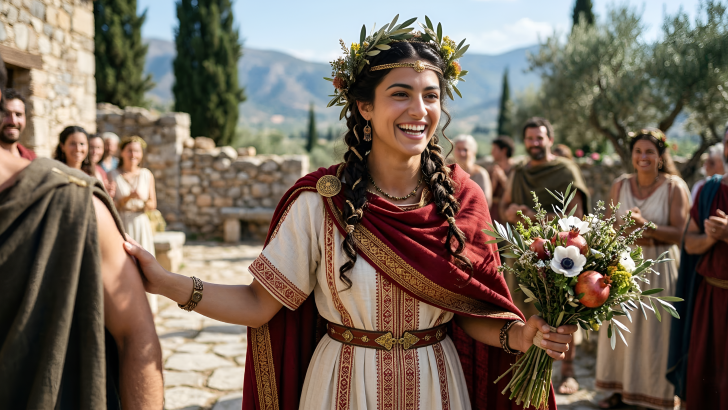
Ancient Sparta is often remembered for its warriors, strict training, and powerful army. Spartan society focused heavily on strength, discipline, and loyalty to the state.
However, one surprising aspect of Spartan life was its approach to marriage and the treatment of young girls.
Unlike many other ancient societies, Sparta created laws and customs that discouraged girls from marrying too early.
The Spartans believed that strong women would give birth to strong children who could become future soldiers.
Because of this belief, they allowed girls to grow, exercise, and mature before marriage. This idea was unusual in the ancient world, where early marriages were common.
Spartan leaders believed that waiting until women were physically mature helped create healthier families and stronger citizens.
These traditions show that Spartan laws about marriage were very different from those in other Greek city-states.
Here are eight fascinating facts about the strange Spartan law that protected young girls from early marriage.
1. Spartan Girls Usually Married Later Than Other Greek Women

In many ancient Greek city-states, girls were often married when they were still very young, sometimes around fourteen years old or even earlier.
In Sparta, however, marriage usually happened much later. Most Spartan women married in their late teenage years or even around twenty.
This was unusual compared with other parts of Greece. Spartan leaders believed that waiting allowed women to grow stronger and healthier before becoming mothers.
They thought that mature women were more likely to give birth to strong children who could serve the state.
Because Spartan society focused heavily on military strength, the health of future generations was extremely important.
This difference in marriage age was one of the ways Sparta tried to control and improve its population.
The practice surprised many writers from other Greek regions who saw Spartan customs as very different from their own traditions.
2. Physical Training Was Required for Girls
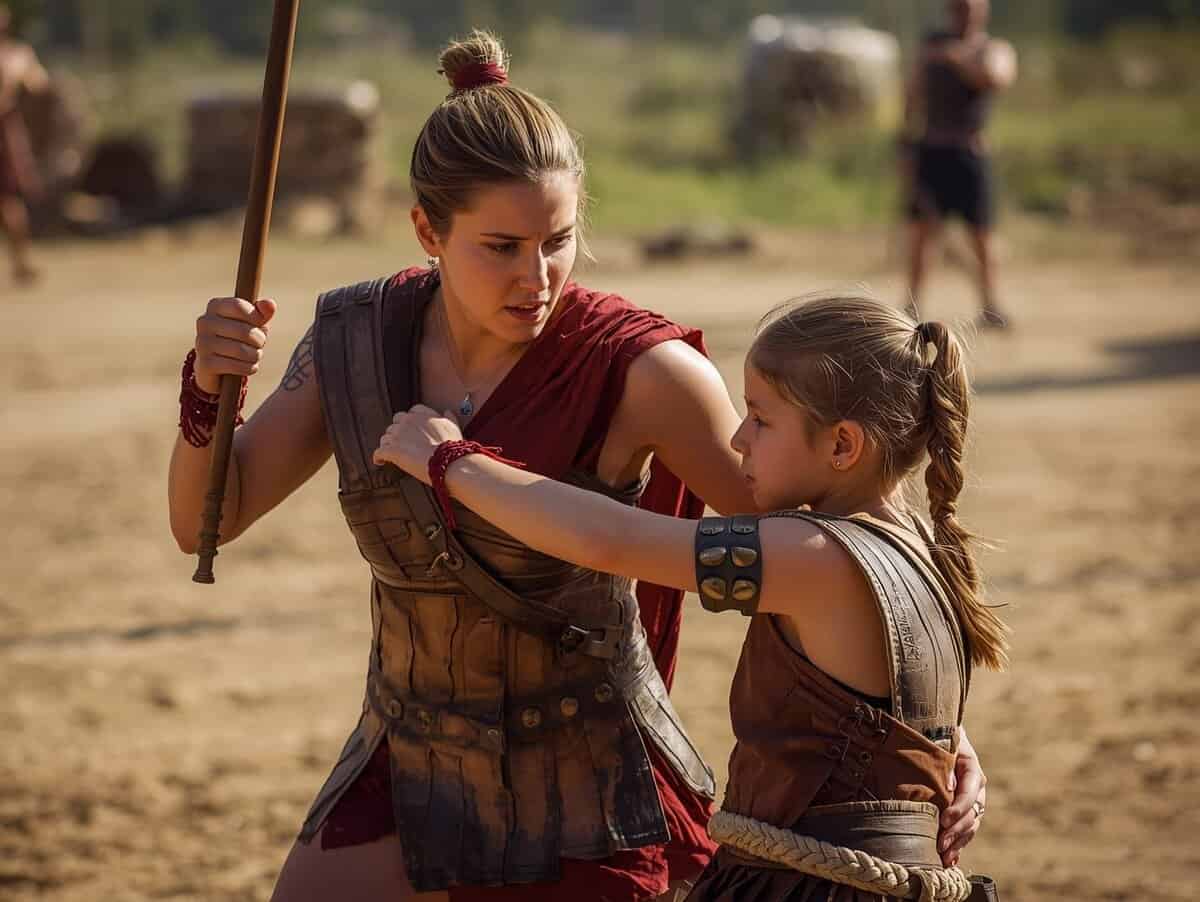
While girls in most ancient societies were expected to stay at home and learn domestic tasks, Spartan girls were encouraged to exercise and train physically.
They took part in running, wrestling, and other athletic activities. These exercises were meant to strengthen their bodies and prepare them for motherhood later in life.
Spartan leaders believed that strong mothers would produce strong children. Because girls spent many years training and growing physically, marriage was naturally delayed.
This training also gave Spartan women greater confidence and independence compared with women in other Greek cities.
Greek writers often commented on how active and physically strong Spartan women were.
The focus on athletic training helped shape the law and custom of waiting until girls were older before marriage.
3. Spartan Leaders Believed Mature Mothers Produced Stronger Children

The main reason for delaying marriage in Sparta was connected to the health of future children.
Spartan lawmakers believed that young teenage mothers were less likely to give birth to strong and healthy babies.
They thought that women who had reached full physical maturity were better prepared for pregnancy and childbirth.
Since Sparta depended heavily on strong soldiers, the birth of healthy children was seen as a matter of national importance.
This belief turned marriage into something connected with the future of the state, not just personal family life.
Because of this idea, Spartan society encouraged women to wait until their bodies were fully developed.
The goal was to create stronger citizens who could serve the army and protect the city. This unusual focus made Spartan marriage customs stand out in the ancient world.
4. Women Had Greater Social Status in Sparta
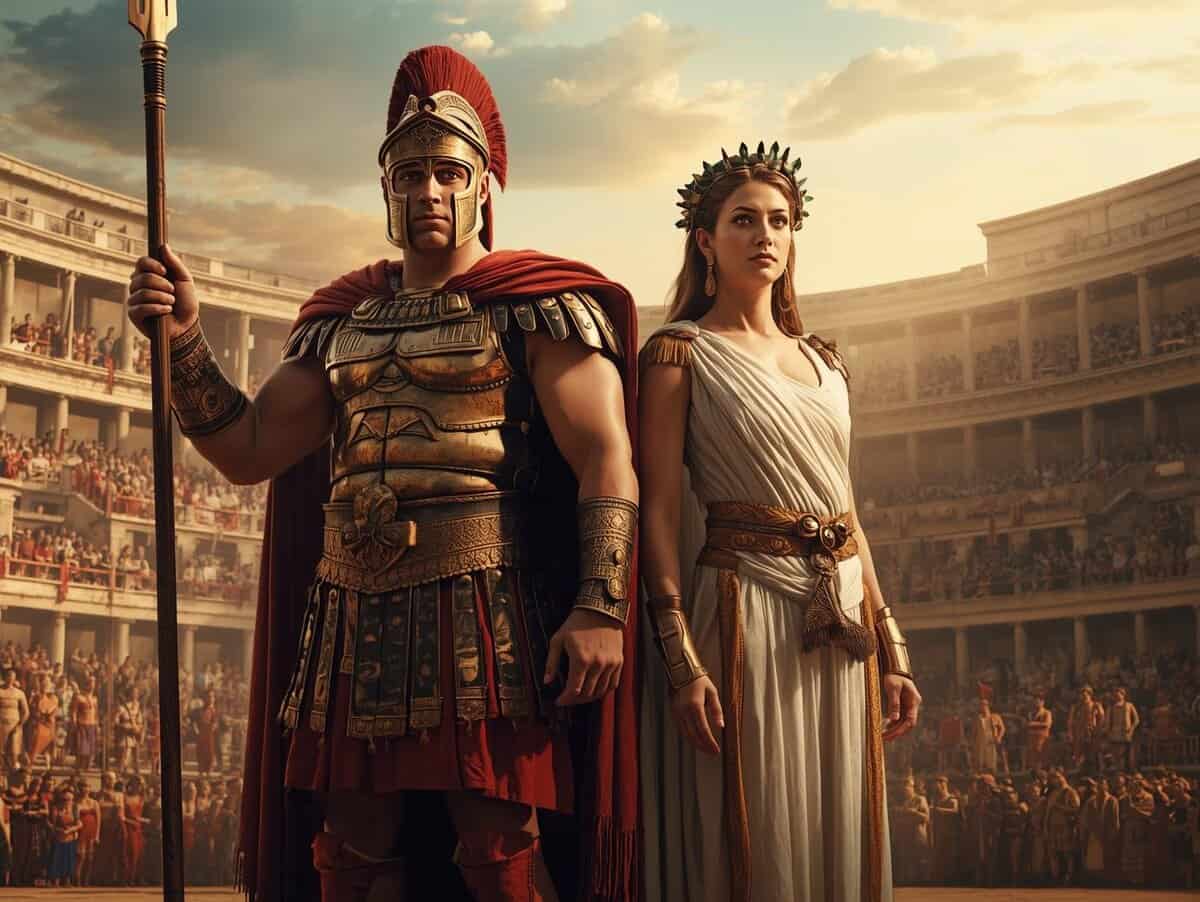
Spartan laws that delayed marriage also contributed to the higher status of women in society.
Since girls spent more years growing, learning, and training before marriage, they gained confidence and independence.
Spartan women could own property, manage land, and speak more freely in public than women in many other Greek city-states.
Their role in raising future warriors gave them an important place in society. Because they married later, they were often more mature and capable of managing households and estates.
This greater independence surprised visitors from other parts of Greece, where women were expected to live more restricted lives.
Although Sparta was strict in many ways, its treatment of women was unusually different for the time. The law against early marriage helped shape this unique position of women in Spartan culture.
5. Marriage Itself Followed Strange Rituals
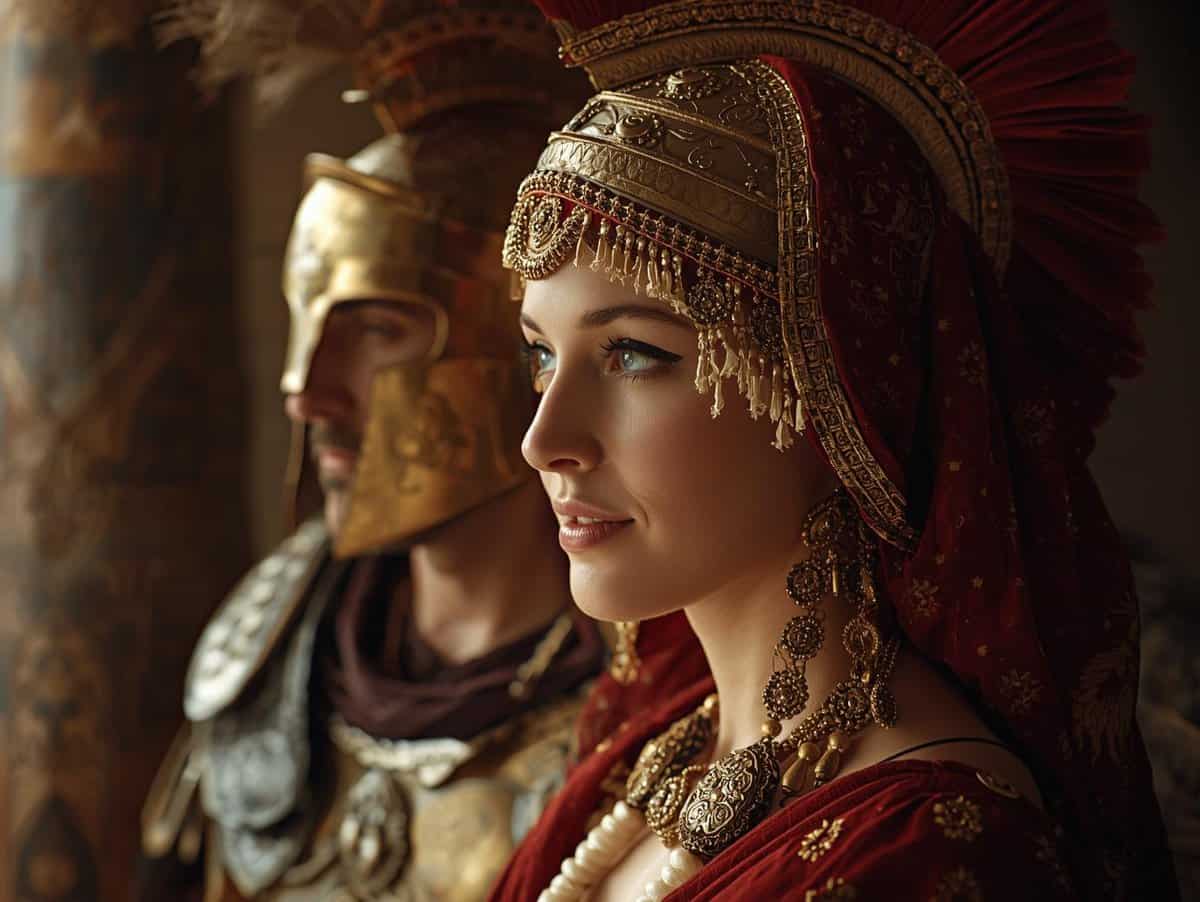
Even when Spartan women finally married, the customs were very unusual compared with other Greek traditions.
According to ancient writers, a symbolic ritual sometimes took place where the bride’s hair was cut short, and she was dressed in clothing similar to a man’s cloak and sandals.
The groom would visit her secretly at night while still living in the military barracks.
This strange custom was meant to keep the husband focused on his military duties while still allowing marriage to take place.
Some historians believe these rituals also helped maintain excitement and attraction between couples.
The unusual marriage ceremony shows how deeply Spartan society was shaped by military discipline. Even family life had to adjust to the needs of the state and the army.
6. Spartan Laws Focused on the Strength of the Whole Society

Spartan rules about marriage were not just personal family matters. They were part of a larger system designed to strengthen the entire state.
The famous Spartan lawgiver Lycurgus is often credited with creating these policies. His laws focused on discipline, health, and loyalty to the community.
Delaying marriage for girls was believed to improve the quality of future generations. This approach shows how strongly the Spartans connected family life with the needs of the state.
Every citizen was expected to contribute to the strength of Sparta. Even decisions about when women should marry were influenced by this larger goal.
This way of thinking made Spartan society very different from most other ancient cultures.
7. Other Greeks Found Spartan Customs Shocking
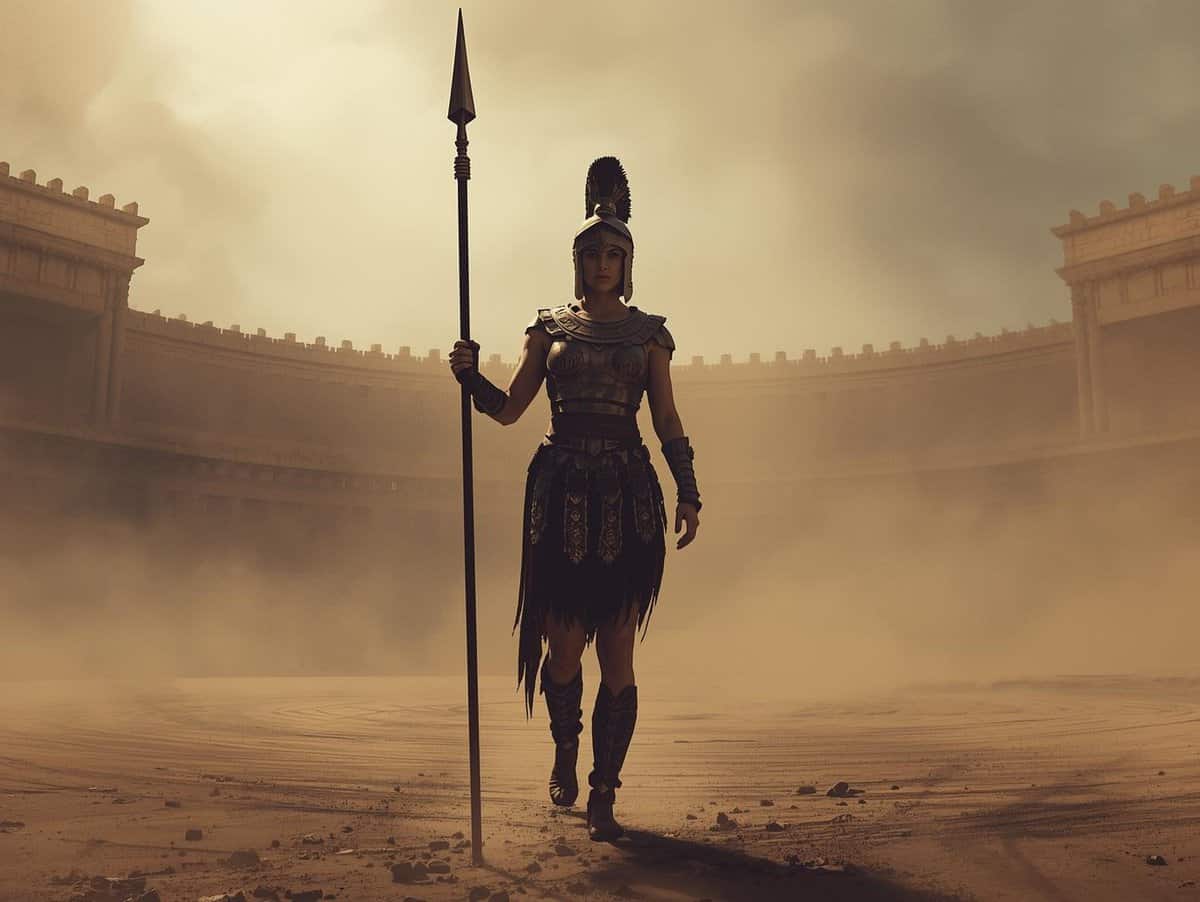
Many writers from other parts of Greece were surprised or even shocked by Spartan customs. They were especially surprised by the freedom and physical strength of Spartan women.
In many Greek cities, women rarely appeared in public and were expected to remain quiet and modest.
Spartan women, however, were known for speaking openly and participating in athletic events.
The idea that girls would train physically and marry later seemed strange to outsiders. Some writers criticized these customs, while others admired them.
Regardless of opinion, the Spartan approach to marriage and women clearly stood out in the ancient world.
These laws and traditions remain one of the most unusual and fascinating aspects of Spartan society today.

自出生以来,我一直感觉到自己与神灵有着紧密的联系。作为一名作家和导师,我的使命是帮助他人在最黑暗的时刻找到爱、幸福和内心的力量。