
In the world of Greek mythology, people often talk about Zeus, Athena, Hades, and the many famous gods who shaped the stories we still know today.
But long before they took control, there lived the Titans. These were ancient beings who carried deep knowledge and powerful gifts.
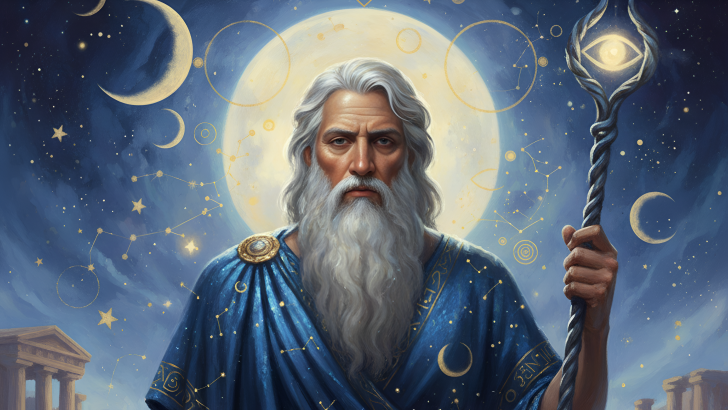
Among them was Coeus, a Titan most people have never heard of, even though he played an important part in the old stories.
Coeus was linked to wisdom and the search for truth. Some myths even say he was one of the first to understand the power of prophecy.
His story is not well known, but it gives us a look into how ancient people imagined knowledge itself.
It also shows what can happen when the desire to know everything becomes too heavy to carry.
Coeus and His Place Among the Titans
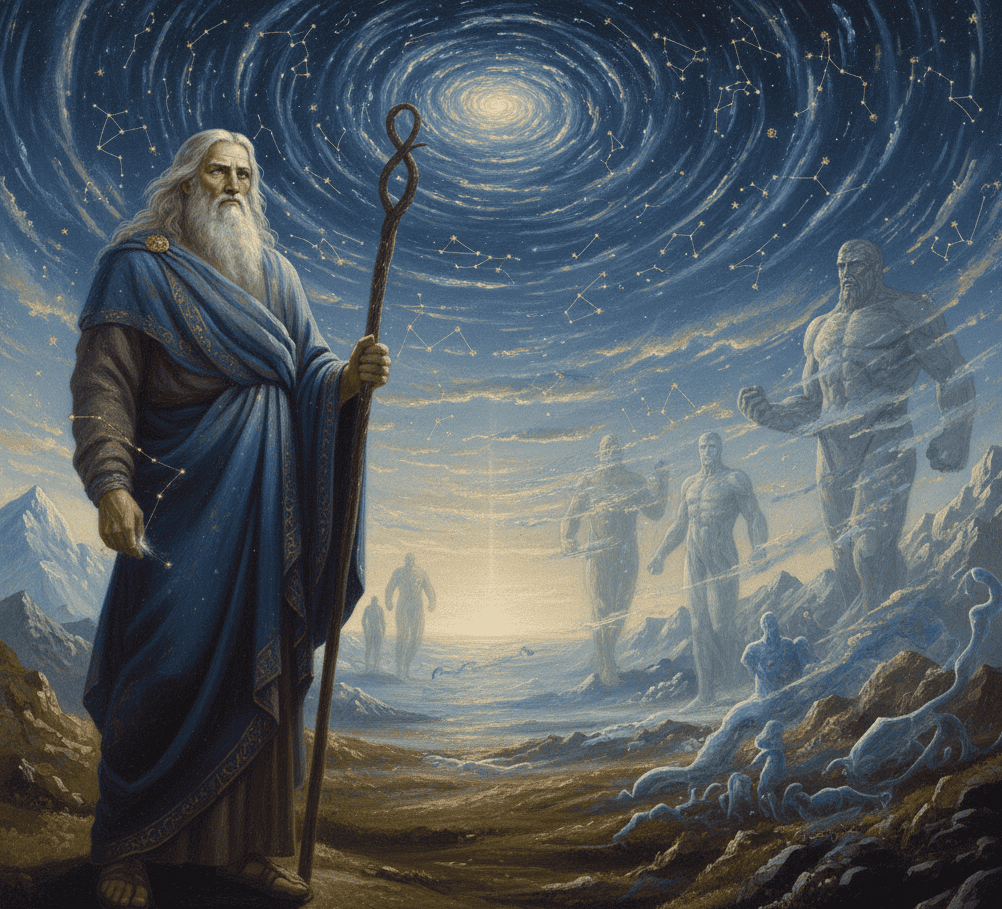
To understand Coeus, it helps to picture the world before the Olympian gods arrived. In the early days, the Titans ruled.
They were children of Gaia and Uranus, and each of them represented a part of nature or a force in the universe.
Coeus was often described as the Titan of wisdom and inquiry. His name was connected to the idea of sharp thinking and the ability to ask meaningful questions.
Ancient people believed that knowledge had to start somewhere, and Coeus represented that beginning.
Unlike some Titans who were known for strength or battle, Coeus was quieter. He was thoughtful and curious.
He was said to live with his sister and wife Phoebe, who was connected to light and the moon. Together, they became parents to Leto and Asteria.
Through Leto, Coeus became the grandfather of Apollo and Artemis. This meant the gift of prophecy that later defined Apollo may have started with Coeus himself.
Apollo became the god of oracles and truth, but Coeus carried those ideas long before him.
This connection alone shows how important Coeus once was, even if people do not talk about him today.
Even though Coeus was wise, he did not have a loud role in the myths. Ancient storytellers focused more on the dramatic or violent Titans.
Coeus remained in the background, yet his presence shaped the stories of the gods who came after him.
He was the quiet source of knowledge that others later built upon. This makes his tale feel almost like a forgotten foundation buried under the more popular myths.
The Gift of Prophecy and the Weight It Brought
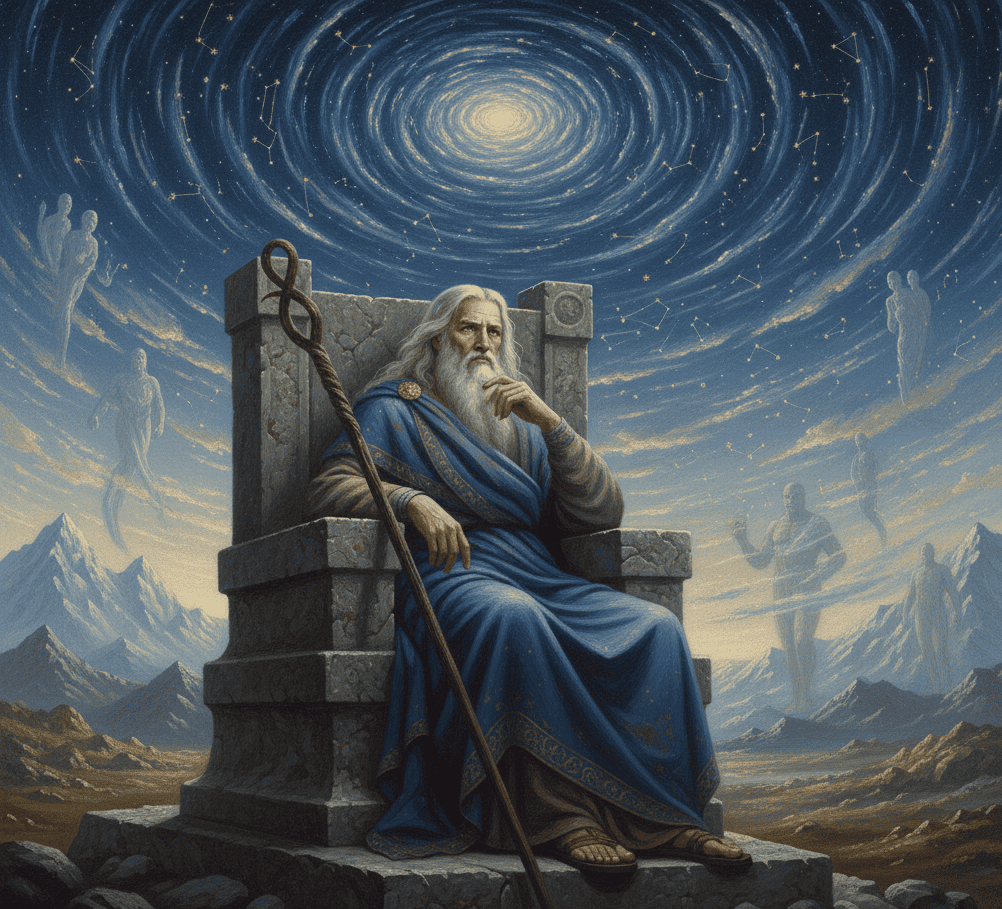
Many myths claim that Coeus had something rare. He could sense the flow of time and understand how events connected.
This made him one of the first beings tied to prophecy. In ancient stories, prophecy was not simply about predicting the future.
It was about understanding the hidden meaning behind events. People believed only very wise beings could handle such knowledge.
The gift of prophecy, however, came with a cost. The myths suggest that Coeus did not always enjoy what he could see.
The future is not always bright and pleasant. Some stories say he slowly became overwhelmed by the things he sensed.
Imagine knowing the mistakes people would make before they made them and being unable to change anything.
Imagine seeing your own downfall before it happened and having to walk toward it anyway. This is the world Coeus lived in.
Ancient storytellers believed that too much knowledge could be dangerous. They saw it as a fire that could warm a home or burn it down.
For Coeus, the fire grew stronger over time. The more he understood, the heavier it became.
Some myths even say the visions drove him into isolation because he felt lost in his own mind.
Others say the knowledge made him restless and angry. The stories differ, but they share one message. Even the wisest minds can struggle.
The Titan War and the Breaking of a Mind
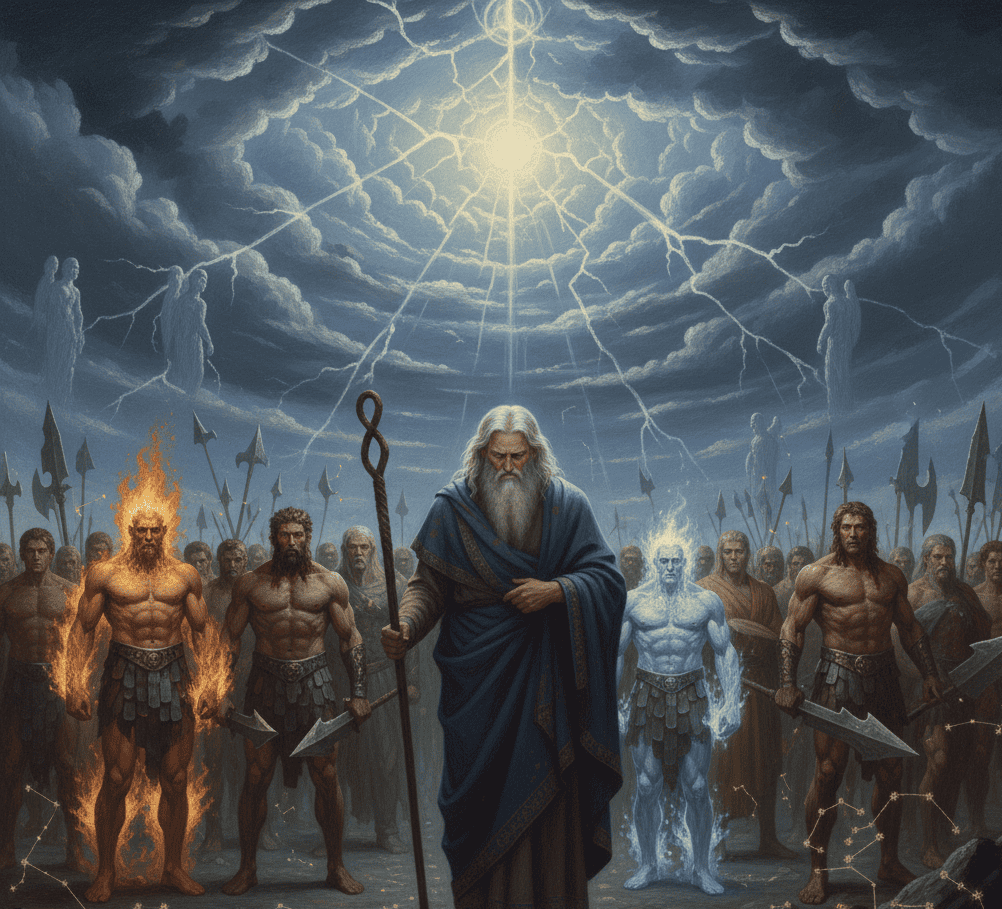
When Zeus led the Olympians in the great war against the Titans, each Titan faced a choice. They could fight, or they could surrender.
Coeus was not a warrior, but he still took part. Some storytellers say he fought because he believed the future had already shown him the outcome.
He knew the Titans would lose, and he felt trapped in a story he could not change. This created a deep frustration inside him.
It made him reckless in battle and pushed him toward a fate he believed was unavoidable.
During the war, the Titans were eventually defeated and thrown into Tartarus. This dark and endless prison was a place where time and silence stretched forever.
For most Titans, this was punishment. For Coeus, it was worse. A being connected to knowledge and prophecy found himself locked away from the world.
With nothing to observe and no flow of time, to read his gift began to twist. With no future to sense, he turned inward.
In Tartarus, his thoughts had nowhere to go. Some described him pacing endlessly while speaking to visions only he could see.
Others said he tried to piece together the future but only found confusion. The myths do not all agree, but they paint the same picture.
Coeus was a Titan who once held great wisdom, yet became lost in his own mind when stripped of purpose.
The fall from knowledge to madness was meant to show how fragile even the greatest minds could be.
Why Coeus Still Matters in Stories Today
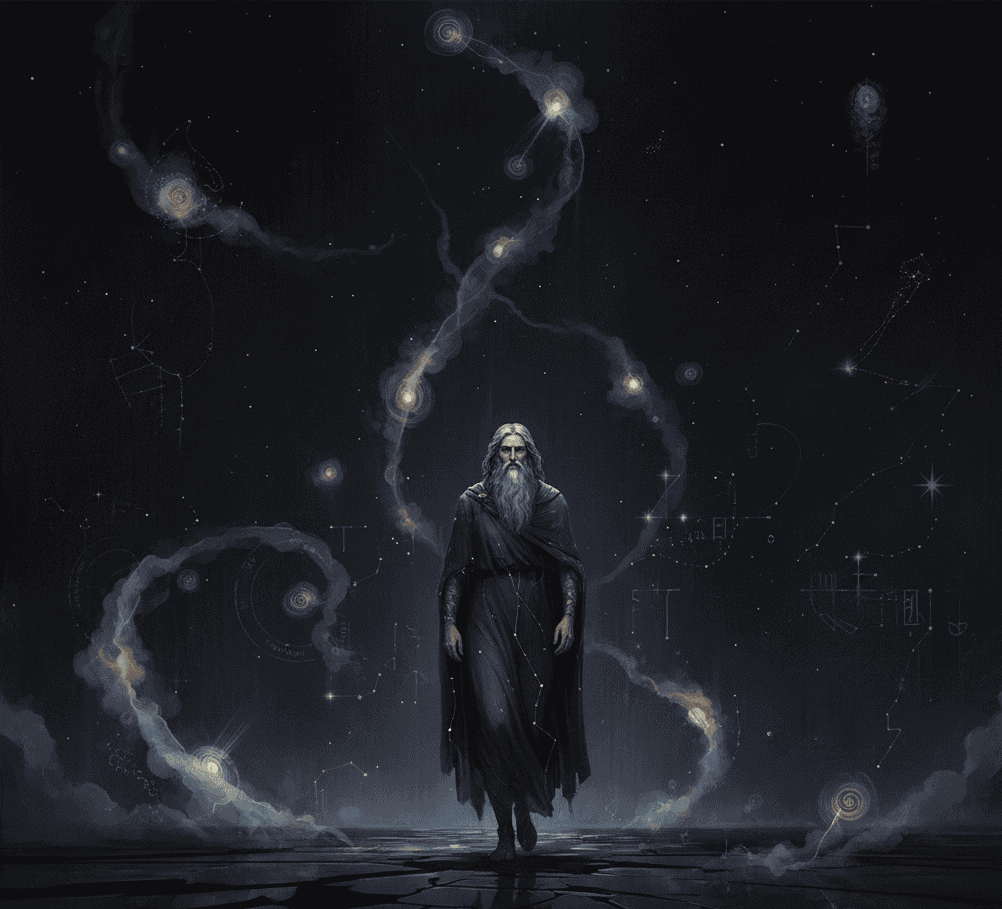
Today, Coeus rarely appears in popular tales, but his story carries meaning. Many ancient myths were reminders about human nature, and Coeus is no different.
His tale warns us about the burden of trying to know everything. Knowledge is powerful, but when it becomes too much, it can make people feel overwhelmed.
The story also teaches that even wise minds need balance. Without rest or connection to others, wisdom can become a prison instead of a gift.
Most of all, Coeus represents the timeless struggle between curiosity and caution. People want to understand the world, but they also fear what they might discover.
His story captures that tension in a simple and human way. It shows that myths are not only about gods and monsters. They are also about the inner battles people face every day.

自出生以来,我一直感觉到自己与神灵有着紧密的联系。作为一名作家和导师,我的使命是帮助他人在最黑暗的时刻找到爱、幸福和内心的力量。