
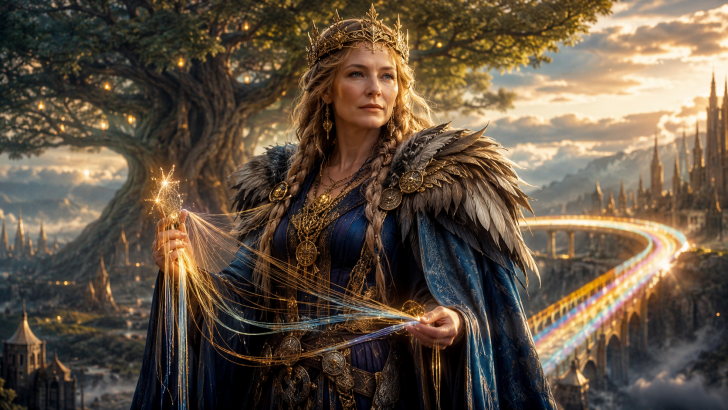
When people think of Norse goddesses, Freyja often receives most of the attention.
But long before modern books and movies popularized the world of the Vikings, Frigg stood as one of the most respected and powerful figures in Norse mythology.
As the wife of Odin and the queen of Asgard, Frigg occupied one of the highest positions among the Norse gods.
She was associated with marriage, motherhood, wisdom, and the home, but her influence extended far beyond family life.
Ancient stories describe her as a goddess who possessed deep knowledge of fate and the future, making her one of the most fascinating figures in the Norse world.
Here are ten fascinating facts about Frigg, the queen of Asgard.
1. Frigg Was the Queen of the Gods
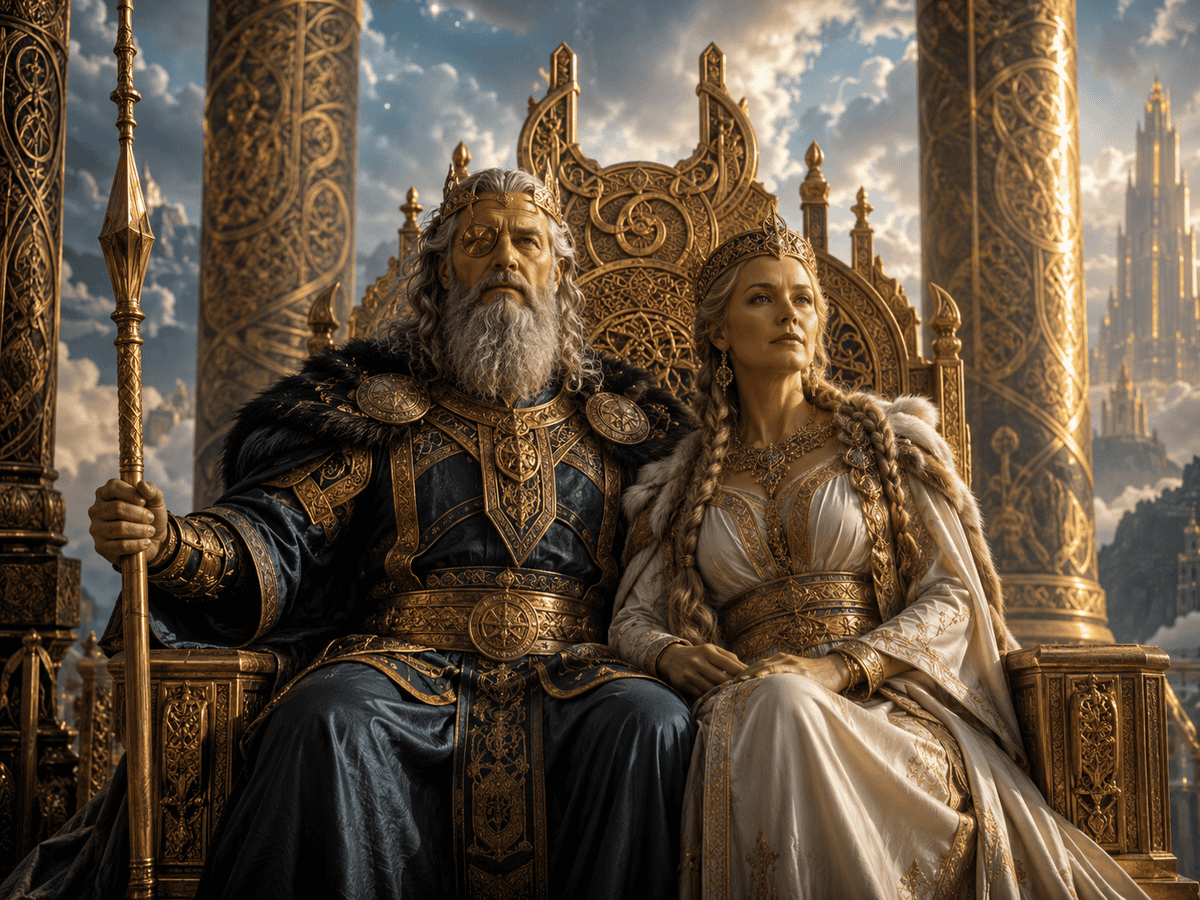
Frigg held one of the most important positions in Norse mythology. As the wife of Odin, she ruled beside the king of the gods and shared responsibility for the divine realm of Asgard.
This made her the highest-ranking goddess among the Aesir gods. Odin often traveled in search of knowledge and wisdom.
Frigg remained an important source of stability and leadership within Asgard itself. Her role as queen gave her influence over both divine and mortal affairs.
The respect she received from the other gods reflects her importance within the Norse pantheon and her status as one of its central figures.
2. She Was the Goddess of Marriage and Family
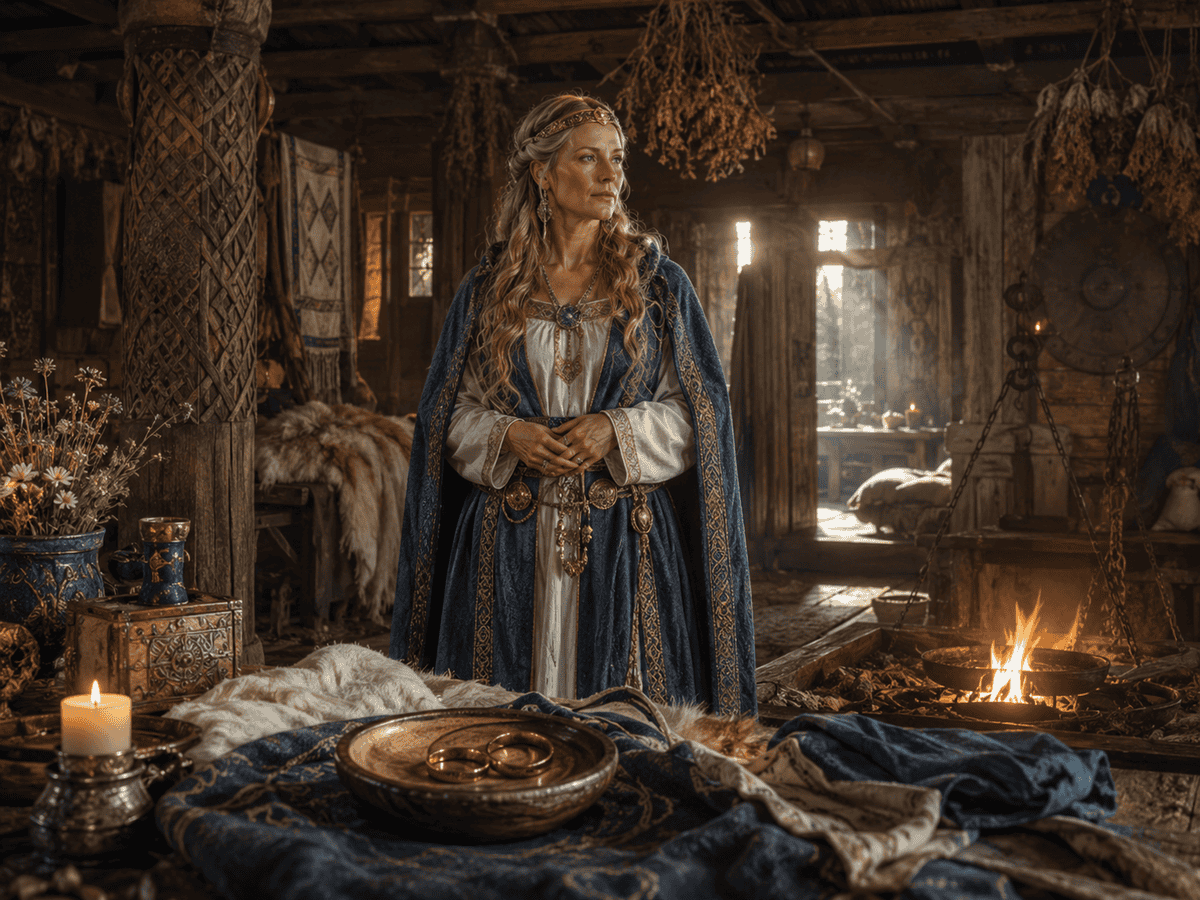
Frigg was strongly associated with marriage, motherhood, and family life. Many Norse people looked to her as a protector of households and relationships.
Her connection with marriage made her one of the most important goddesses for women in Viking society.
Although modern audiences sometimes focus mainly on warriors and battles, family and community were equally important parts of Norse life.
Frigg represented the bonds that held families together through difficult times. Her role reminds us that Norse mythology valued care, loyalty, and responsibility alongside courage and strength.
3. Frigg Knew the Future
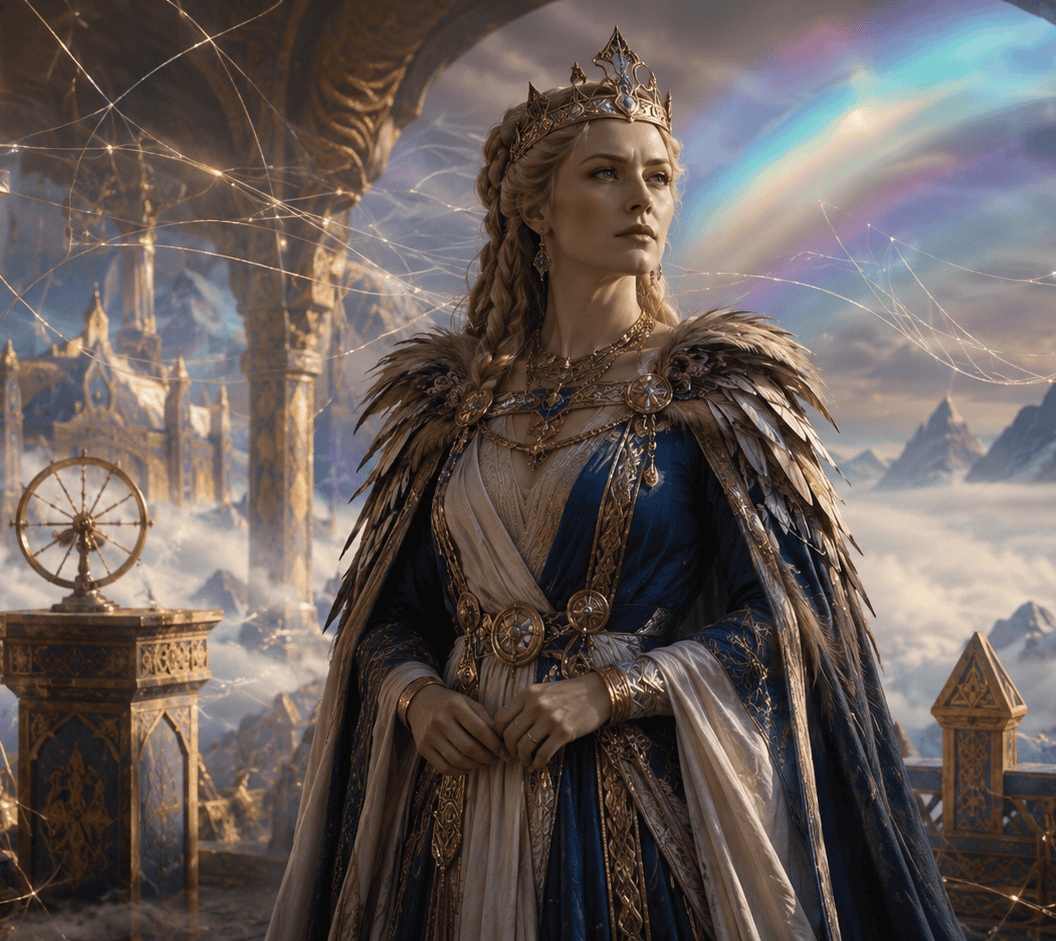
One of Frigg’s most remarkable abilities was her knowledge of fate. According to the myths, she possessed the power to see future events before they happened.
This ability placed her among the wisest beings in the Norse cosmos. Yet despite knowing what lay ahead, Frigg often remained silent about what she had seen.
This detail reflects an important theme in Norse mythology. Even the gods could not always escape destiny once it had been set in motion.
Frigg’s wisdom came not only from knowledge but also from understanding the limits of power.
4. She Was the Mother of Baldr
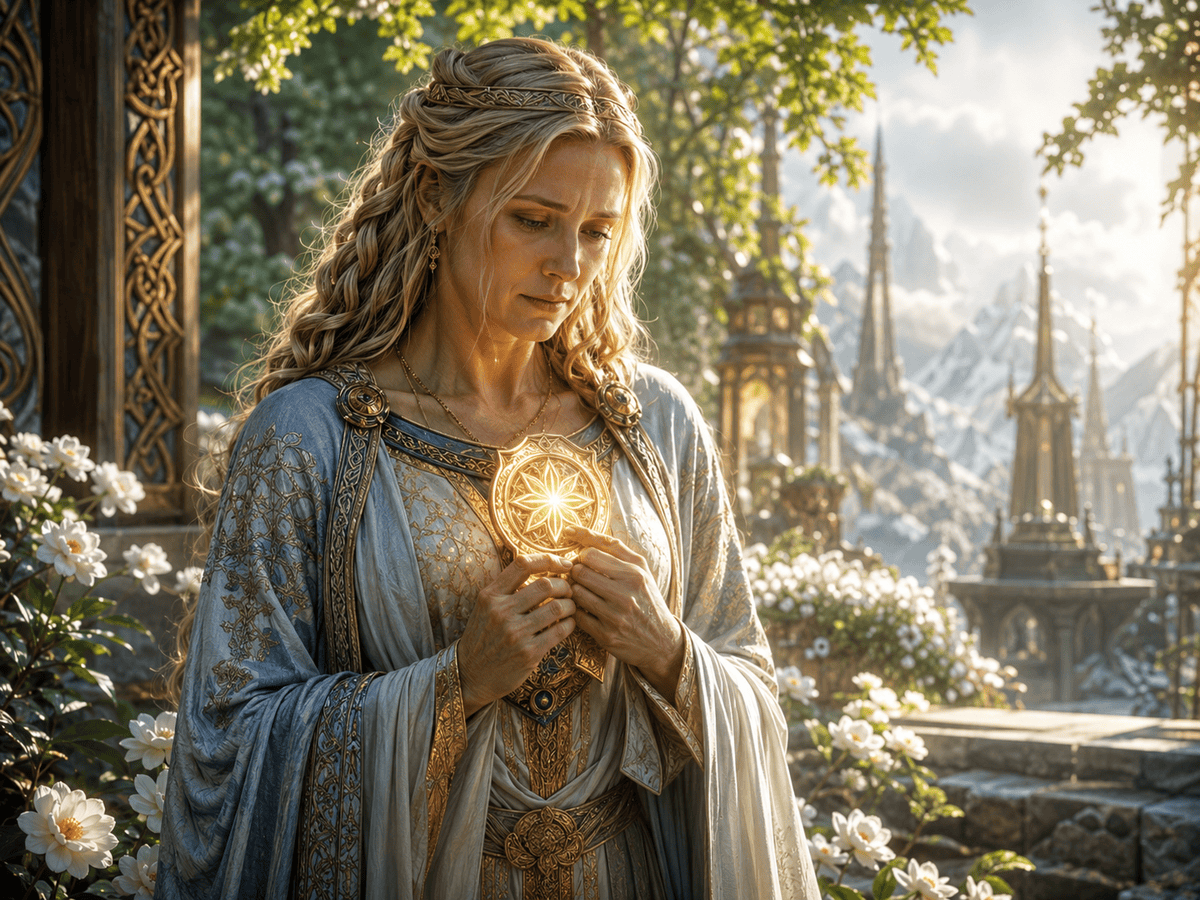
Frigg is perhaps best known as the mother of Baldr, one of the most beloved gods in Norse mythology.
Baldr was associated with beauty, goodness, and light, and many believed he was destined for greatness.
When Frigg learned through prophecy that her son faced danger, she tried to protect him by securing promises from everything in the world not to harm him.
Her actions reflected the determination and love of a mother trying to protect her child. The story would later become one of the most tragic and famous tales in Norse mythology.
5. The Mistletoe Story Changed Everything
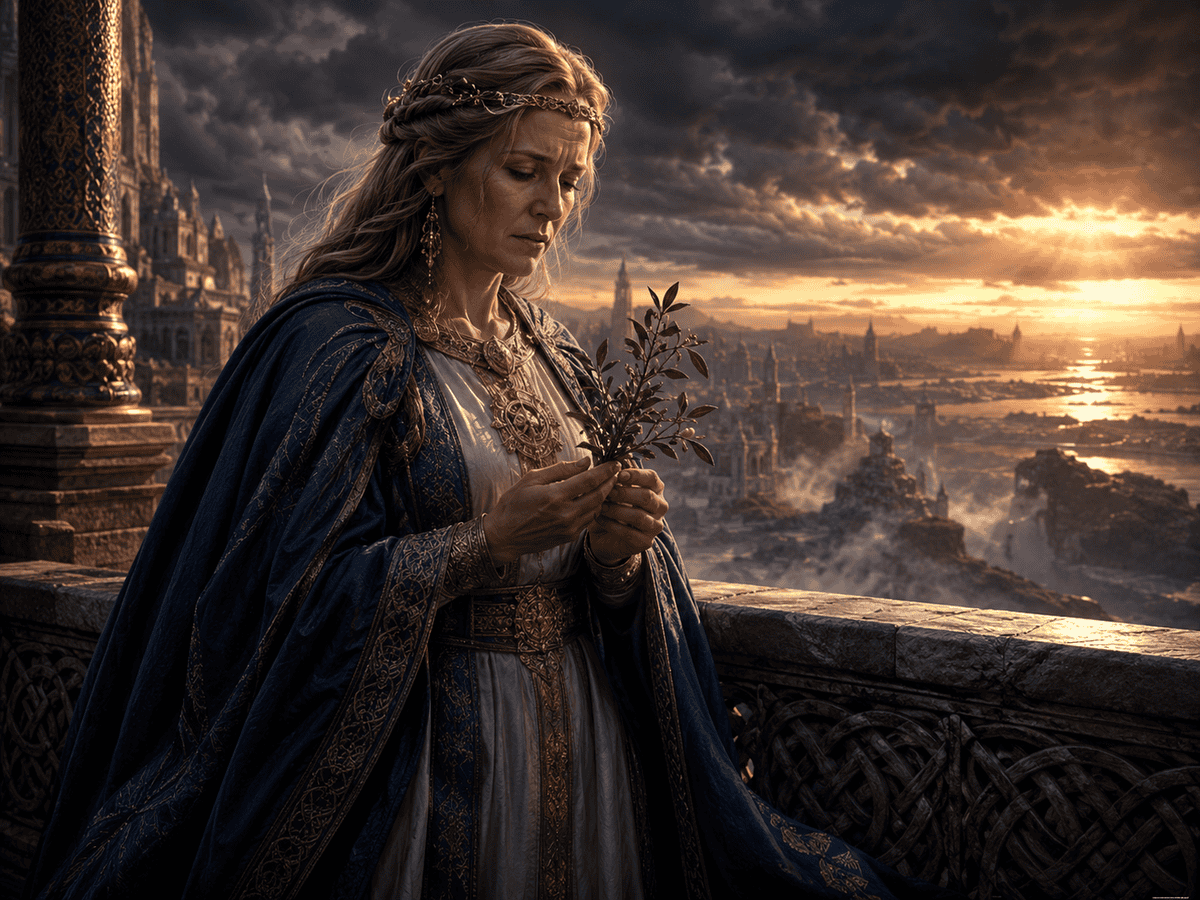
While seeking promises to protect Baldr, Frigg overlooked one small plant. She believed mistletoe was too young and harmless to pose any threat.
Unfortunately, this decision had enormous consequences. The trickster Loki later used mistletoe to bring about Baldr’s death through deception.
This moment became one of the most heartbreaking events in the Norse myths. The story serves as a reminder that even the smallest details can have enormous consequences.
6. Friday May Be Named After Her

Many scholars believe the English word Friday may trace its origins to Frigg or possibly Freyja. The exact answer remains debated among historians and linguists.
The name comes from the Old English Frigedaeg, meaning Frigg’s day. This connection means millions of people continue speaking her name every week without even realizing it.
Very few mythological figures remain so closely connected to everyday life in the modern world. Her influence survives not only in stories but also in language itself.
7. She Was Skilled in Spinning and Weaving

Frigg was closely associated with spinning, weaving, and domestic crafts. In many ancient cultures, weaving carried symbolic meaning connected with fate and destiny.
Some traditions even linked spinning threads with the lives of human beings. Frigg’s connection with these crafts reflected both practical responsibilities and spiritual symbolism.
For Viking women, weaving was an essential skill that supported entire communities.
Her association with these tasks highlights the importance of work that often receives less attention in heroic stories.
8. She Lived in a Hall Called Fensalir
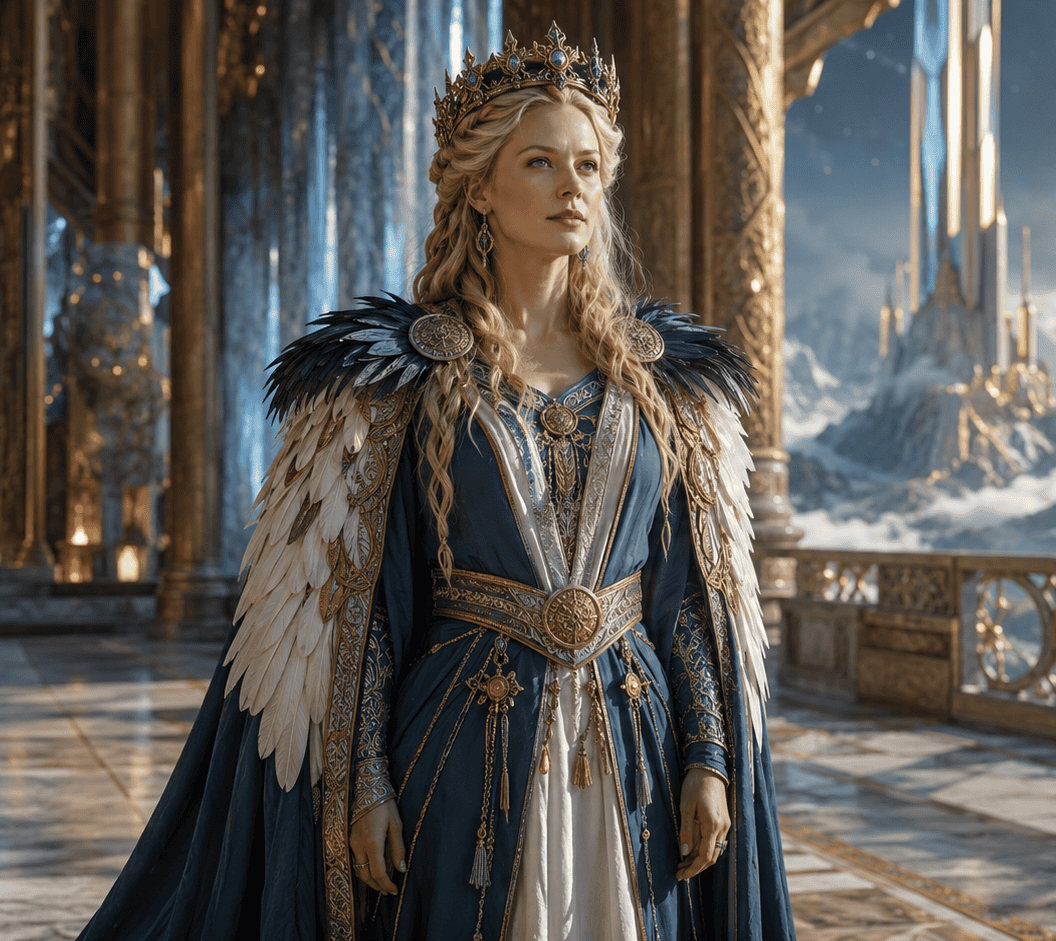
According to Norse mythology, Frigg lived in a magnificent hall known as Fensalir. The name is usually translated as “Hall of the Marshes” or “Hall of the Fen.”
Although less famous than Valhalla, Fensalir was one of the important locations within Asgard. The myths provide only limited details about the hall itself, leaving much to the imagination.
This mystery has encouraged centuries of speculation among historians and mythology enthusiasts. Its quiet reputation seems fitting for a goddess associated with wisdom and reflection.
9. Some Scholars Compare Her to Other European Goddesses
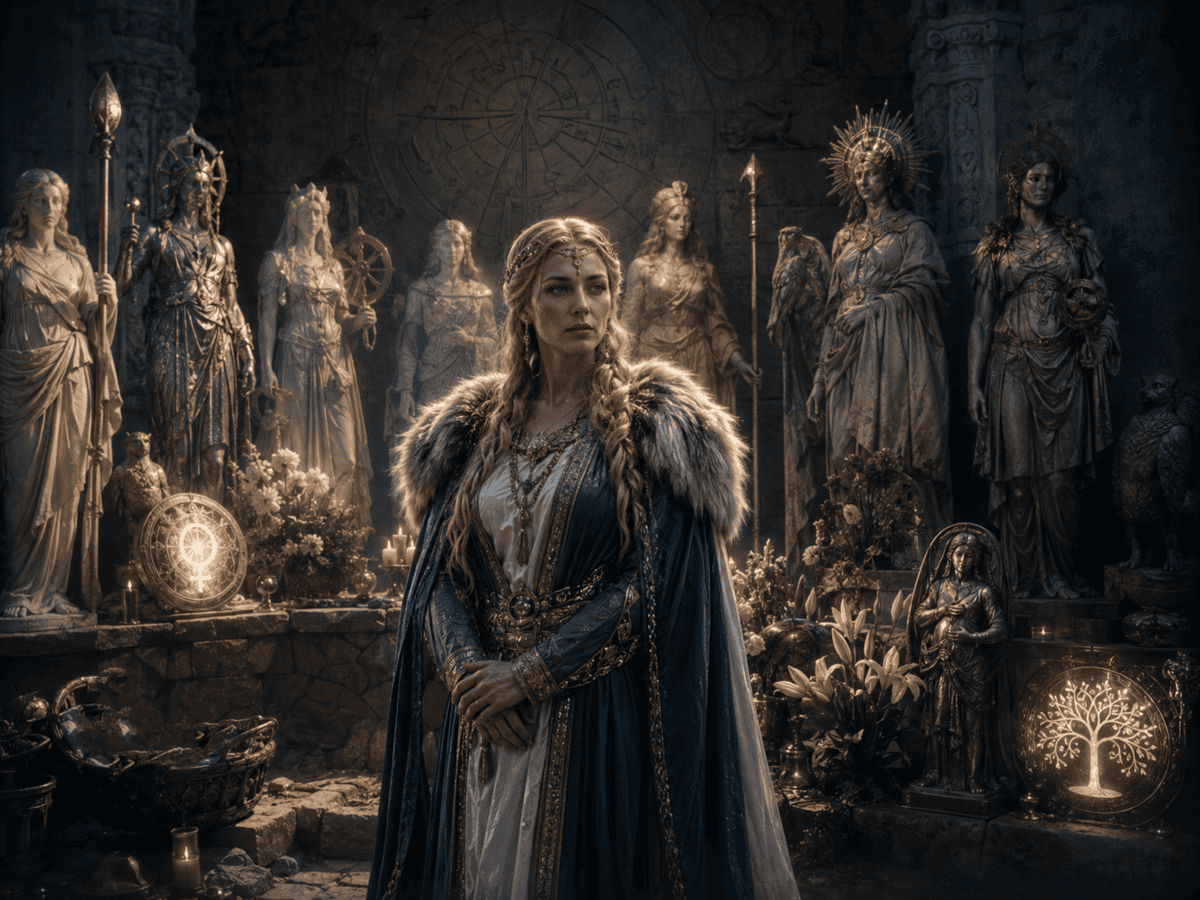
Historians have long noticed similarities between Frigg and other European goddesses.
Certain themes involving motherhood, wisdom, marriage, and prophecy appear across many ancient cultures.
Because of this, some scholars believe Frigg may share very old roots with earlier traditions that existed before the Viking Age.
Although the details remain uncertain, these comparisons help researchers understand how myths can spread and change over time.
Frigg’s story may preserve memories of beliefs far older than the surviving Norse texts themselves.
10. Frigg Remains One of Norse Mythology’s Most Important Figures

Although modern popular culture often focuses on Odin, Thor, and Loki, Frigg remains one of the most influential figures in Norse mythology.
Her stories involve family, wisdom, leadership, prophecy, grief, and resilience. These themes continue to resonate with readers today.
As queen of Asgard, she represented far more than royalty alone. She embodied the strength found in wisdom, responsibility, and devotion to those she loved.
Thousands of years after the Viking Age, Frigg continues to hold an important place in the world of mythology.

自出生以来,我一直感觉到自己与神灵有着紧密的联系。作为一名作家和导师,我的使命是帮助他人在最黑暗的时刻找到爱、幸福和内心的力量。