
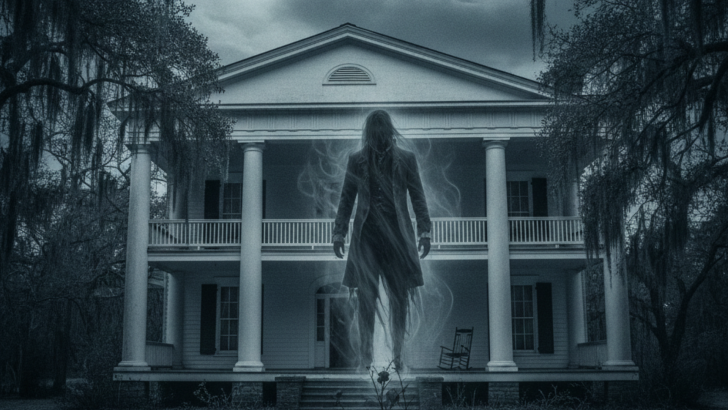
The old plantations of the American South have long been a source of fascination, fear, and mystery.
These grand estates, with their wide porches, tall columns, and sprawling grounds, were once symbols of wealth and power.
Today, they are often remembered for darker reasons. Stories of ghosts and restless spirits seem to follow these properties, drawing in curious visitors, paranormal investigators, and storytellers alike.
But why do these old plantations attract so many ghost stories? The answer lies in a mix of history, tragedy, and the human imagination.
The Weight of History

Plantations were sites of immense wealth, but also deep suffering. Many of them were built on the labor of enslaved people, whose lives were harsh and often short.
The harsh realities of slavery left emotional and physical scars that cannot be ignored.
When people speak of ghosts haunting these places, they are often referring to the lingering presence of those who suffered and died there.
The walls of the plantation houses, the fields where workers toiled, and the quarters where enslaved families lived all carry echoes of a painful past.
It is as if the sadness and injustice of these places have left behind an energy that cannot rest.
Even after the end of slavery, these estates often witnessed more tragedies. Families faced economic hardship, accidents happened, and some residents died unexpectedly.
Historians and ghost hunters suggest that spirits are drawn to places where strong emotions occurred, and plantations certainly saw their share of love, loss, anger, and fear.
These emotional imprints may explain why some people report feeling uneasy or seeing apparitions when they visit.
Tragedy and Violence

Many ghost stories from the South focus on tragic events and acts of violence. Some plantations were the sites of family feuds, murders, or accidents involving slaves, servants, and owners.
Stories passed down through generations often highlight specific figures who met violent or untimely deaths.
Visitors to these plantations sometimes report seeing these figures appearing as shadows, hearing cries in empty hallways, or sensing a sudden chill in the air.
The connection between tragedy and ghostly activity is a common theme in folklore around the world, but it seems especially potent in the South, where plantations were scenes of extreme highs and lows.
Slavery itself was an extreme source of suffering. Beatings, punishments, and forced labor were everyday realities for many enslaved people.
Even small incidents, when combined over the years, created a sense of lingering despair. Ghost stories often focus on these past cruelties, turning them into tales that haunt us.
When visitors recount stories of ghostly sightings, they are sometimes unknowingly remembering a history of violence and grief that cannot be erased.
Legends and Local Stories
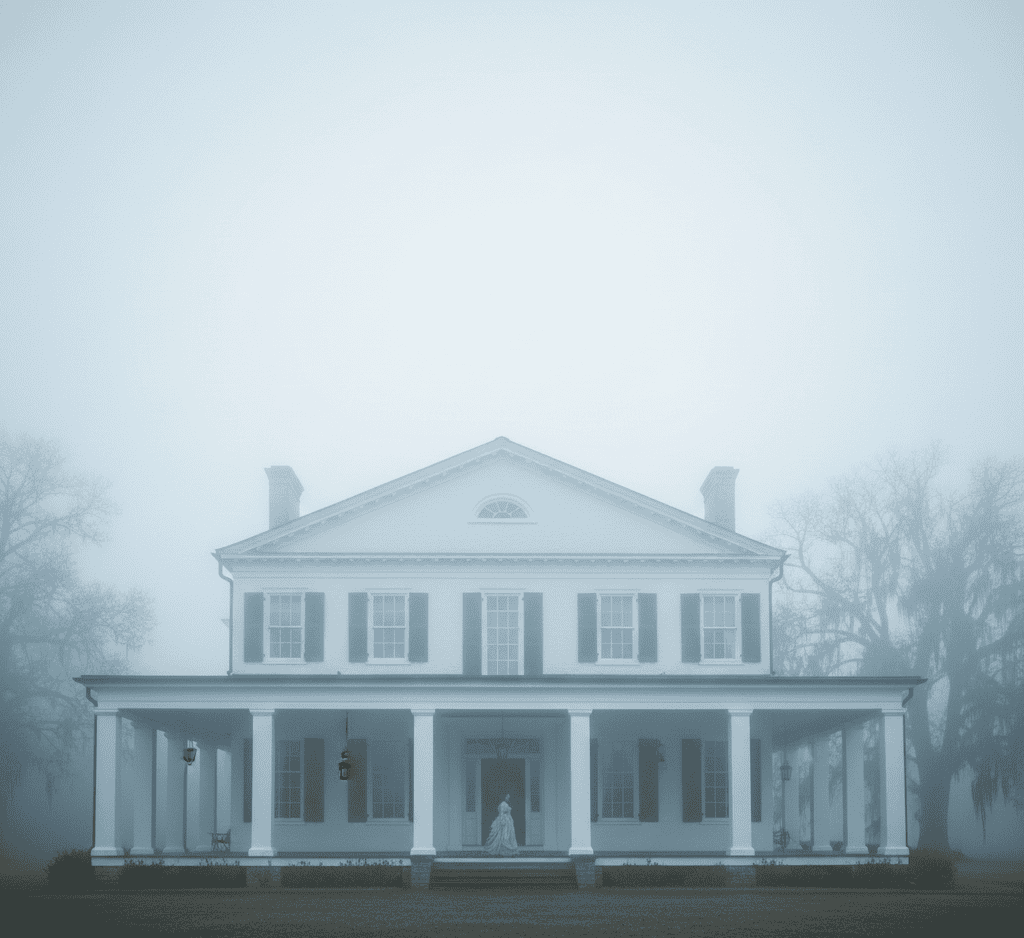
Ghost stories are also a product of human imagination. Over the years, plantations have inspired countless tales that mix real events with folklore.
Some plantations are known for specific hauntings, such as a lady in white who roams the halls or a shadowy figure that watches from the trees.
These stories are shared in books, tours, and local lore, keeping the spirits alive in the minds of the living.
The more a story is told, the more it seems to come alive, creating a self-perpetuating cycle of fear and fascination.
Local legends also often focus on moral lessons or dramatic tales of betrayal, love, and revenge.
In some cases, the ghostly figure is said to appear to warn of danger or to remind people of past mistakes.
This storytelling tradition is especially strong in the American South, where oral histories and tales of spirits have been passed down for generations.
The combination of dramatic history, tragedy, and creative storytelling ensures that these plantation ghosts remain a vivid part of the culture.
The Human Desire to Connect
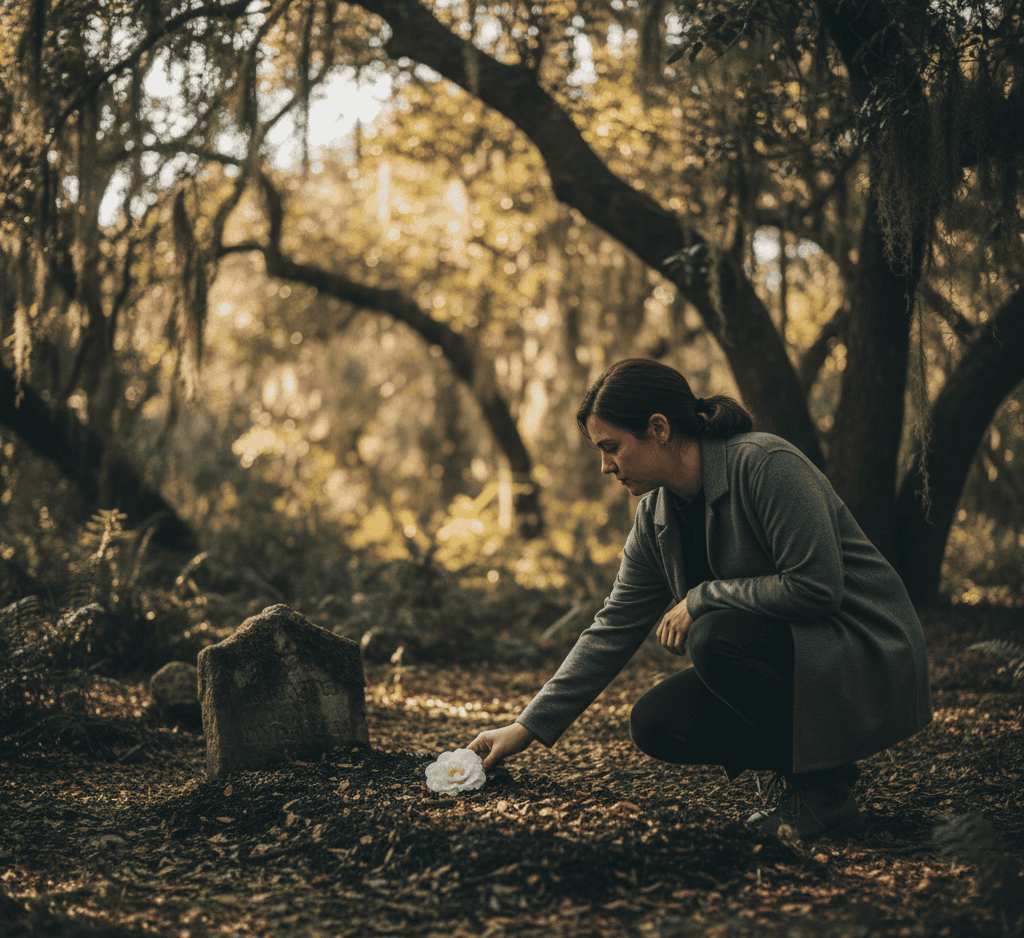
Another reason ghosts are so often reported at old plantations is the human desire to connect with the past.
People are naturally curious about history, and visiting a plantation can feel like stepping back in time.
When a visitor feels a chill, sees a shadow, or hears a strange noise, the mind often fills in the gaps with a story that makes sense.
Ghosts, in this sense, are a way of connecting with those who lived long ago. They remind us that the people of the past experienced love, fear, hope, and sorrow just as we do today.
The haunted reputation of these plantations also attracts tourism and attention.
Haunted tours, books, and media coverage keep the stories alive and introduce new audiences to the idea that the past is never really gone.
The combination of historical tragedy, local legend, and human imagination creates the perfect environment for ghost stories to flourish.
Each visitor who hears or tells a story adds another layer to the history of the place, blending fact and folklore into a rich tapestry of haunting tales.
In conclusion, the ghosts of the American South’s old plantations are tied to a mix of history, tragedy, storytelling, and human emotion.
The suffering of enslaved people, the violent events that took place, and the powerful legends passed down over generations all contribute to the haunted reputations of these estates.
Visiting these plantations can be both a reminder of a painful past and an opportunity to explore the ways humans cope with memory, loss, and the mysteries of the unknown.
Ghosts may not be real in the literal sense, but they continue to live on in our stories, our fears, and our fascination with the past.

自出生以来,我一直感觉到自己与神灵有着紧密的联系。作为一名作家和导师,我的使命是帮助他人在最黑暗的时刻找到爱、幸福和内心的力量。