

This is something many people think, but a few want to say out loud: the traditional picture of heaven sounds a little boring.
These kinds of thoughts create a sense of guilt and discomfort that we should acknowledge.
Let’s revisit what the religious books actually say about heaven, and where the idea of the boring heaven actually comes from.
1. What Actually Shaped Our View of the Afterlife

The idea of a boring, sterile heaven where souls eventually lose their minds has nothing to do with what Scripture promised.
It was shaped by modern movies and books.
And before that, it traces back to Greek philosophical ideas about the soul escaping the corrupt physical world and achieving eternal stillness.
There, we exist in a disembodied state, completely different from anything we can even imagine in the real world.
This influenced early Christian art and literature over centuries, mixing with medieval imagery until heaven became synonymous with white robes and serenity.
Then Hollywood got involved, specifically with titles like “Defending Your Life” or “The Good Place,” where the idea of heaven is actually soul-crushing!
2. What Scripture Describes
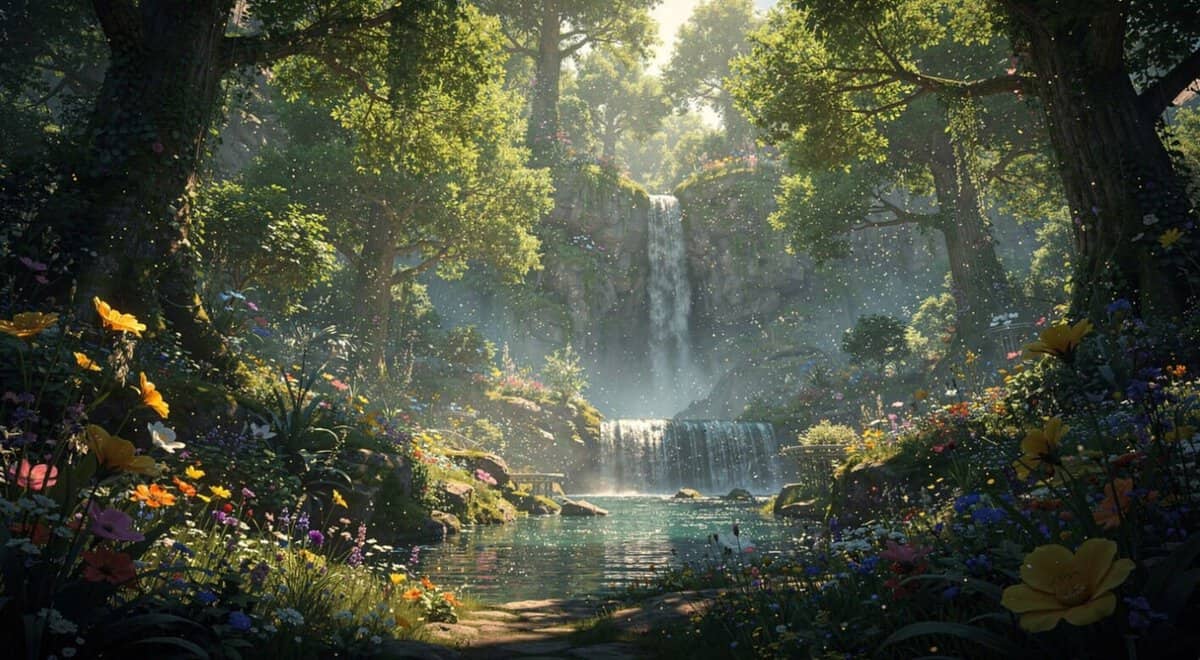
When you turn to the holy texts, the imagery changes.
The Book of Revelation doesn’t describe floating souls living in idleness.
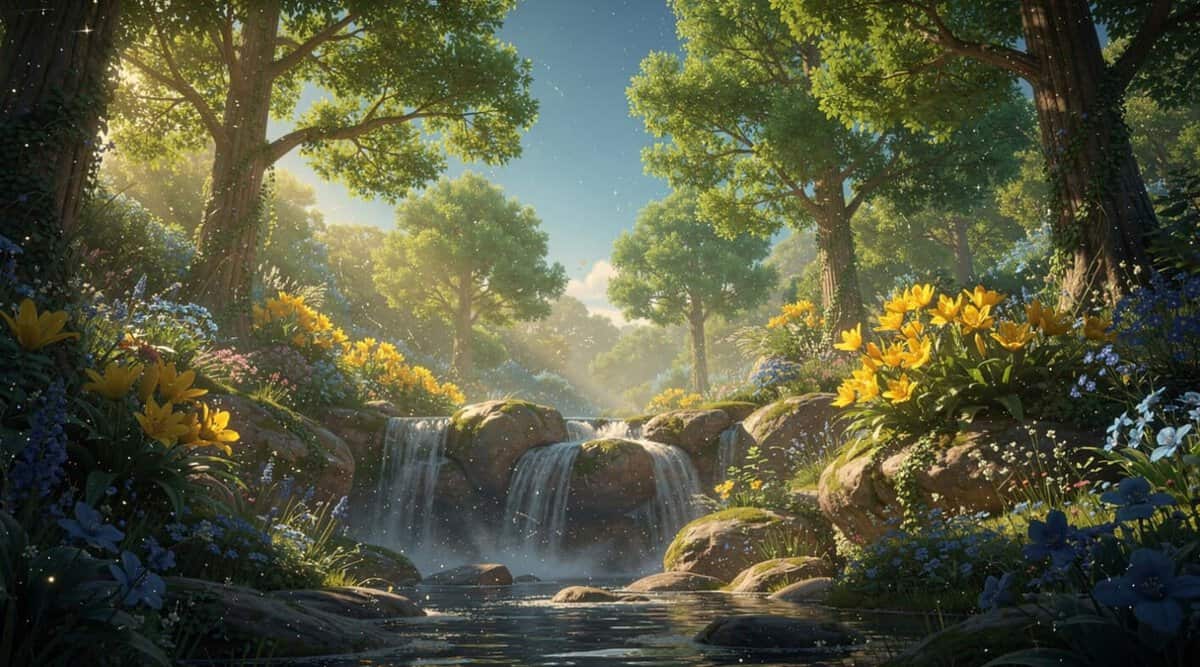
It describes a city, the New Jerusalem, with walls, gates, rivers, trees, streets, and architecture so breathtaking that the writer barely finds the right words to describe it!
Isaiah describes feasts and a renewed earth. Jesus describes a place with many rooms and active living.
The Quran describes gardens with flowing water, rich food, deep rest, and 陪伴.
Jewish tradition speaks of the World to Come, a place where we can engage with 神智.
All of this paints a picture of a very physical and active world. There’s no room for the word boring anywhere when you look at these descriptions.
Heaven isn’t nothingness; it’s an improved existence.
3. A New Physical World
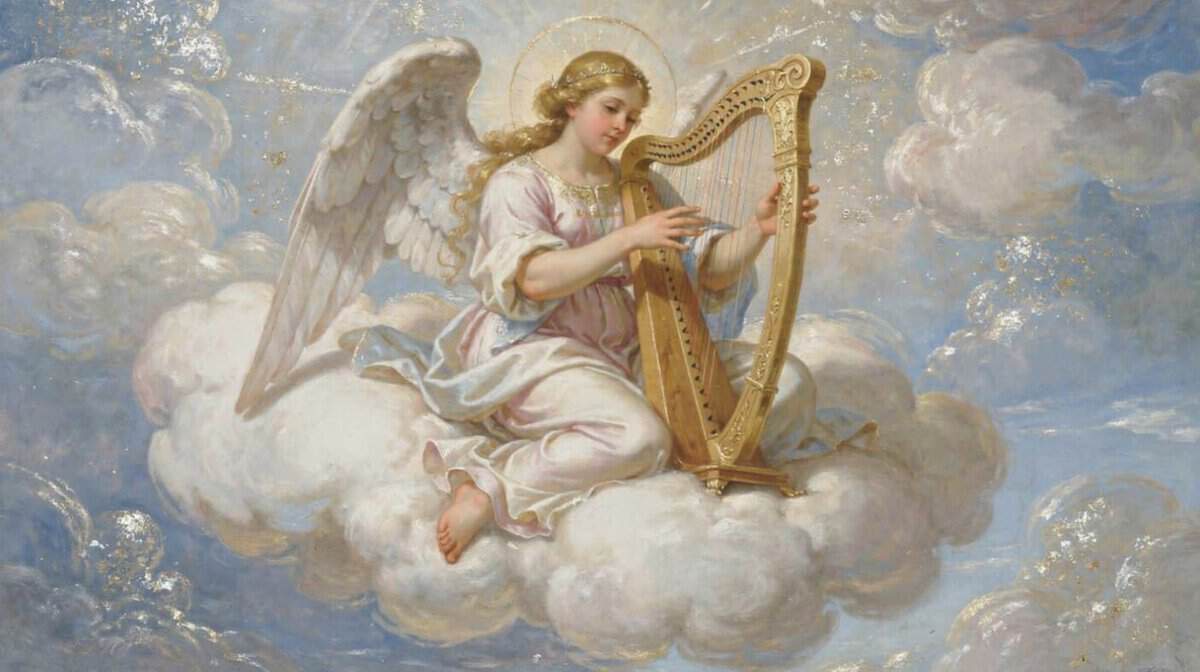
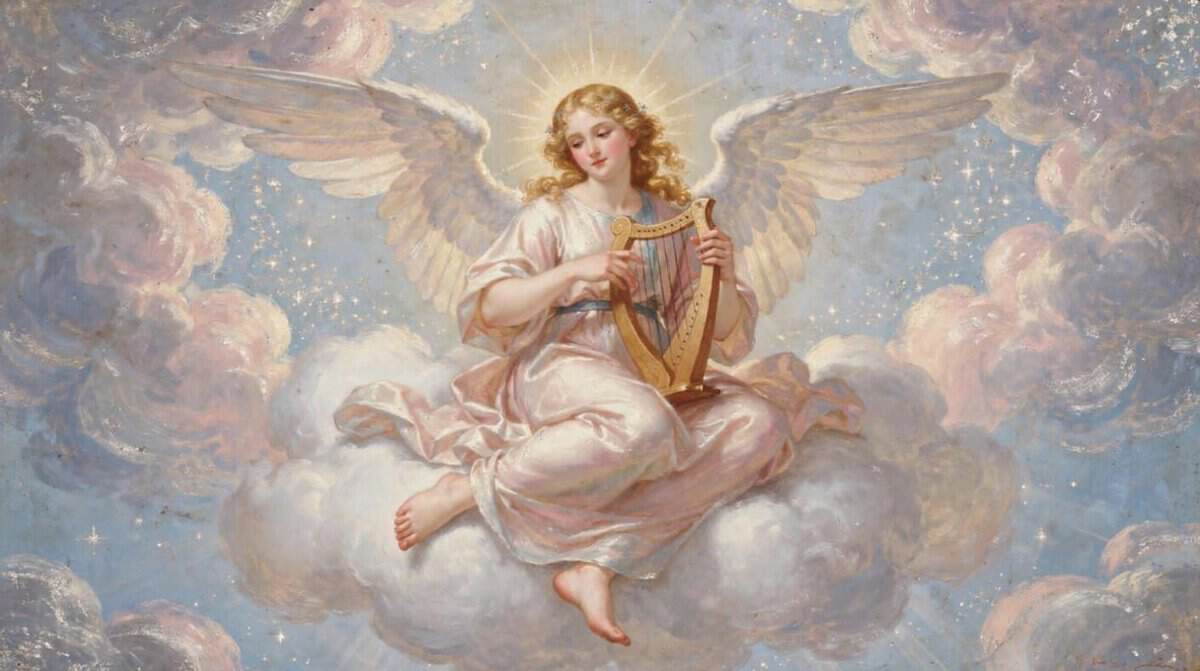
The imagery of clouds and harps has nothing to do with Scripture. Though it sounds lovely to float on clouds, doing so for eternity surely sounds boring.
This idea actually comes from Renaissance paintings, highly inspired by the classical Greek and Roman heritage.
Renaissance artists sought to express spiritual transcendence through symbols. Clouds meant elevation, and harps meant praise.
But many theologians argued that this is just a human expression, not what the holy texts actually promise.
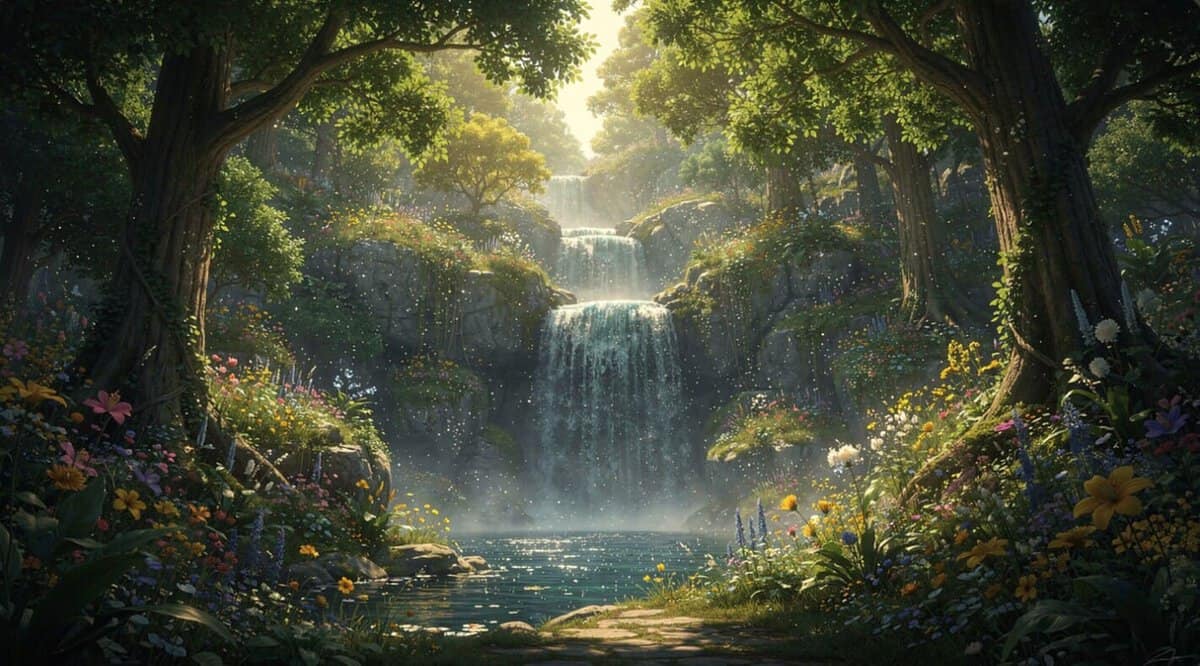
Scripture speaks of a remade creation where everything broken about the current world is restored and elevated.
有 no decay and corruption.
Think of everything you love about the world right now, but it lasts, intact and forever.
How could that sound boring?
4. The Universe Is Too Big to Be Boring
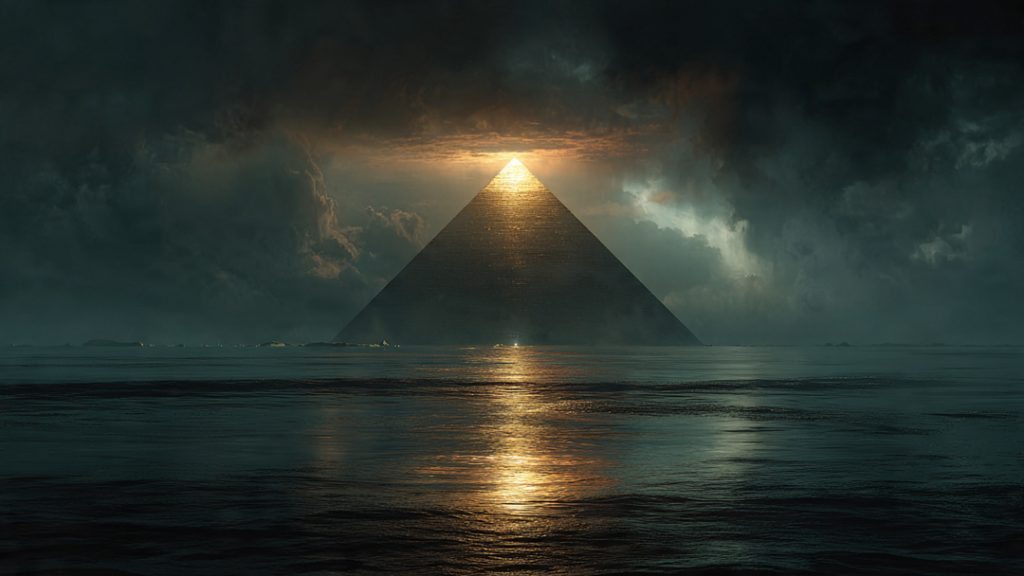
This is regarded as one of the best arguments against heaven being boring, and it doesn’t even require any words.
We only need to look up at the night sky.
The observable universe contains over two trillion galaxies, each holding hundreds of billions of stars, many of them wth systems we don’t even understand.
If eternity involves learning, then how could it be boring?
Theologians describe heaven as an eternal journey of growth, where you slowly begin to understand and approach the divine.
5. Relationships Without Issues
One of the most exciting promises is that in heaven we’ll finally get to have perfect relationships.
On earth, even the best relationships carry the risk of being hurt or betrayed, of jealousy and insecurity. Not to mention, knowing that it won’t last forever is especially painful.
In heaven, you’ll be reunited with the people you’ve lost. Beyond that, you’ll get to meet people from every era of human history, and no barriers will stand between you.
Some would say that the total absence of conflict sounds boring, but I don’t agree.
There’s only one thing that we need to keep boredom away, and that is 变化. In heaven, your connections will change and evolve, except there, it’ll be for the better!
6. The Issue With Our Imagination
Human imagination is incredible, but it’s not without its limits.
We only have our own experiences to work with, so everything we imagine and create starts from this point.
Every single thing we currently find enjoyable and meaningful is experienced by the body that gets tired.
Our brains get used to things quickly, so excitement tends to fade easily. We can’t help but project all of this onto the idea of heaven.
We can’t comprehend an existence where we’re always rested, pleased, and amused.
However, theologians argue that this comparison misunderstands how heaven transforms us.
The consciousness we possess now changes in heaven. It’s an elevated version of ourselves with a greater capacity for joy and wonder.
7. What Causes Earthly Boredom?

Once we understand what causes boredom in our earthly life can help us understand why heaven won’t be boring.
Earthly boredom almost always comes from lacking energy, not being able to fulfill our desires, or lacking stimulation.
None of this happens in heaven.
There’s no fatigue, and we possess endless potential to make our desires come true. There are no hollow days when you wonder if daily life makes sense.
Religious scholars point out that boredom is a symptom of being a limited creature.
Heaven removes all of our limits, and with them, boredom.
8. Heaven Is an Expansion, Not an Ending
This might be the most important part: heaven isn’t the end of your life.
We imagine that, at the end of our earthly lives, God would send us off into this unfamiliar, sterile world where we couldn’t do any of the things we actually enjoy.
However, heaven is often described as a continuation of 的 生活 we already have.
Death might interrupt that life, but it doesn’t end it. It only allows the life to continue elsewhere, happier and unburdened by earthly worries.
At last, we’ll be able to truly understand the universe.

A little Aquarius, devoted to writing and embroidery. Through my writing, I hope to empower readers to align with their true selves and navigate life’s mysteries with confidence.