
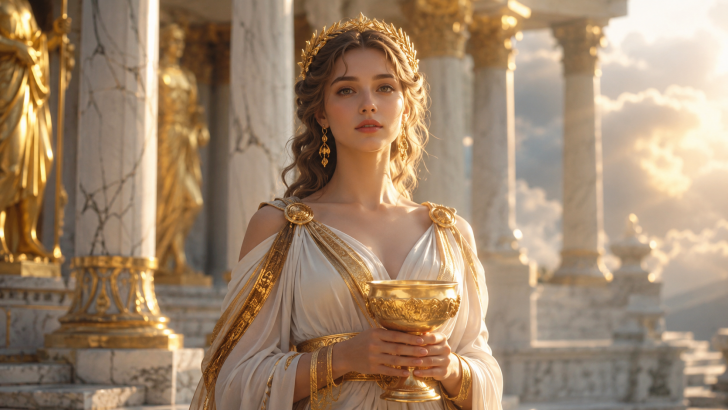
Greek mythology was filled with many fascinating figures who played important roles even if they were not always the center of famous stories.
One of the most captivating goddesses was Hebe. Known as the goddess of youth, Hebe represented beauty, renewal, vitality, and the freshness of life.
She was connected with the youthful energy that allowed gods and heroes to remain strong and full of life.
Unlike many Olympian figures associated with war, wisdom, or romance, Hebe represented something much simpler but equally powerful.
The desire to remain young, hopeful, and full of possibility has fascinated humans throughout history.
Her story also connects her with some of the most important figures in Greek mythology, including Zeus, Hera, and Heracles.
Here are eight fascinating facts about Hebe, the Greek goddess of youth.
1. Hebe Was the Daughter of Zeus and Hera

Hebe was born into one of the most powerful families in Greek mythology. She was the daughter of Zeus, the king of the gods, and Hera, the queen of Olympus.
As the child of two major Olympian deities, Hebe held an important position among the gods.
Her family connections placed her alongside famous siblings and relatives, including Ares, the god of war, and Eileithyia, the goddess associated with childbirth.
However, Hebe’s role was very different from many of her family members. She was not known for battles, revenge, or dramatic conflicts.
Instead, her identity centered around youth, beauty, and service to the gods. Her peaceful role reflected an important aspect of Greek mythology.
Not every divine figure represented a powerful force of nature or a dramatic human emotion.
Some represented simple but meaningful parts of life. Youth itself was considered a valuable gift, and Hebe personified this quality among the immortals.
2. She Served Nectar and Ambrosia to the Gods
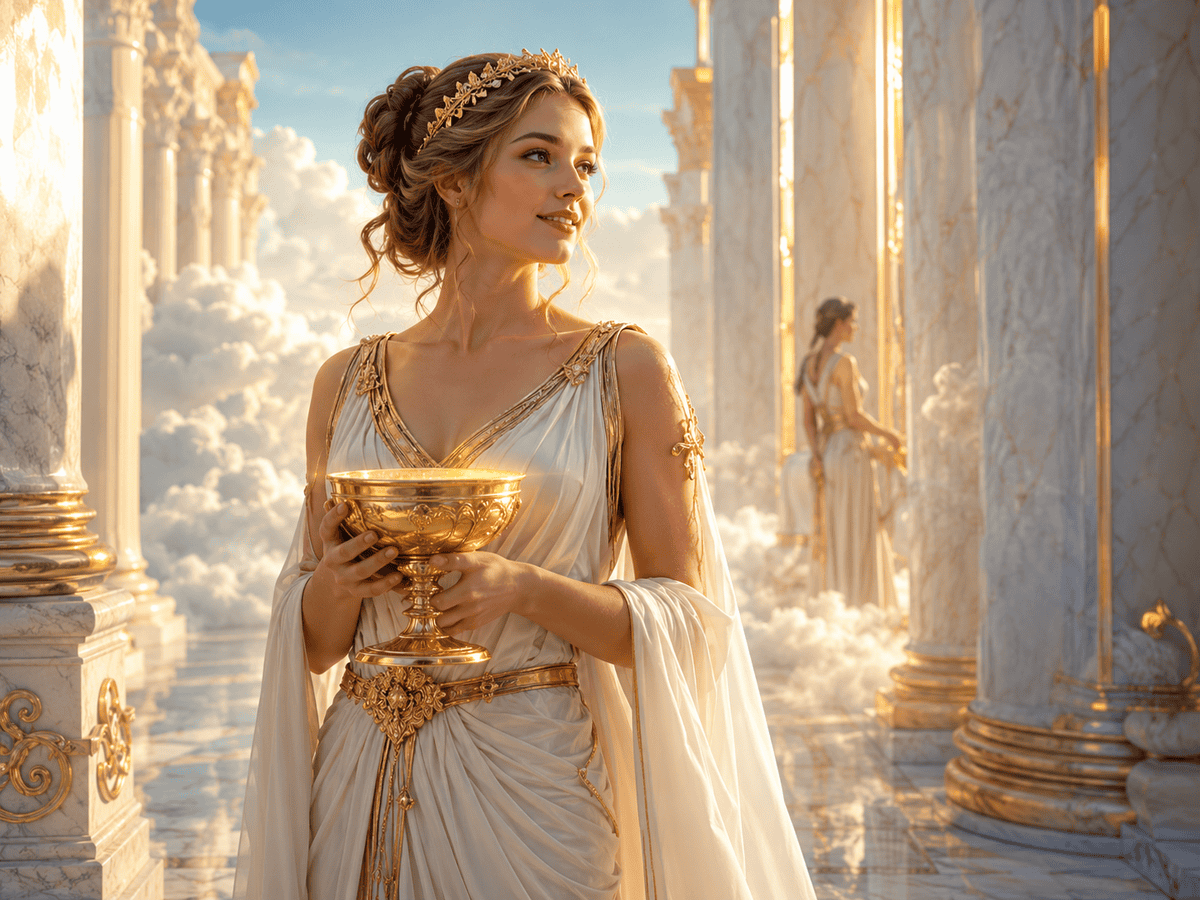
One of Hebe’s most famous roles was serving nectar and ambrosia to the gods of Mount Olympus.
In Greek mythology, nectar and ambrosia were believed to provide immortality and maintain the divine nature of the gods.
As the cupbearer of Olympus, Hebe performed an important ceremonial duty. Her role placed her at the center of divine gatherings and celebrations.
Serving the gods was not considered a lowly task. Instead, it reflected trust and honor.
Hebe was responsible for bringing the substances that symbolized eternal life, making her closely connected with the preservation of divine youth.
Some later stories describe her eventually being replaced in this role by Ganymede, a beautiful mortal prince who was taken to Olympus by Zeus.
This change became one of the reasons Hebe appears less frequently in later myths. Even so, her original role remained an important part of her identity.
3. Hebe Symbolized Eternal Youth and Renewal
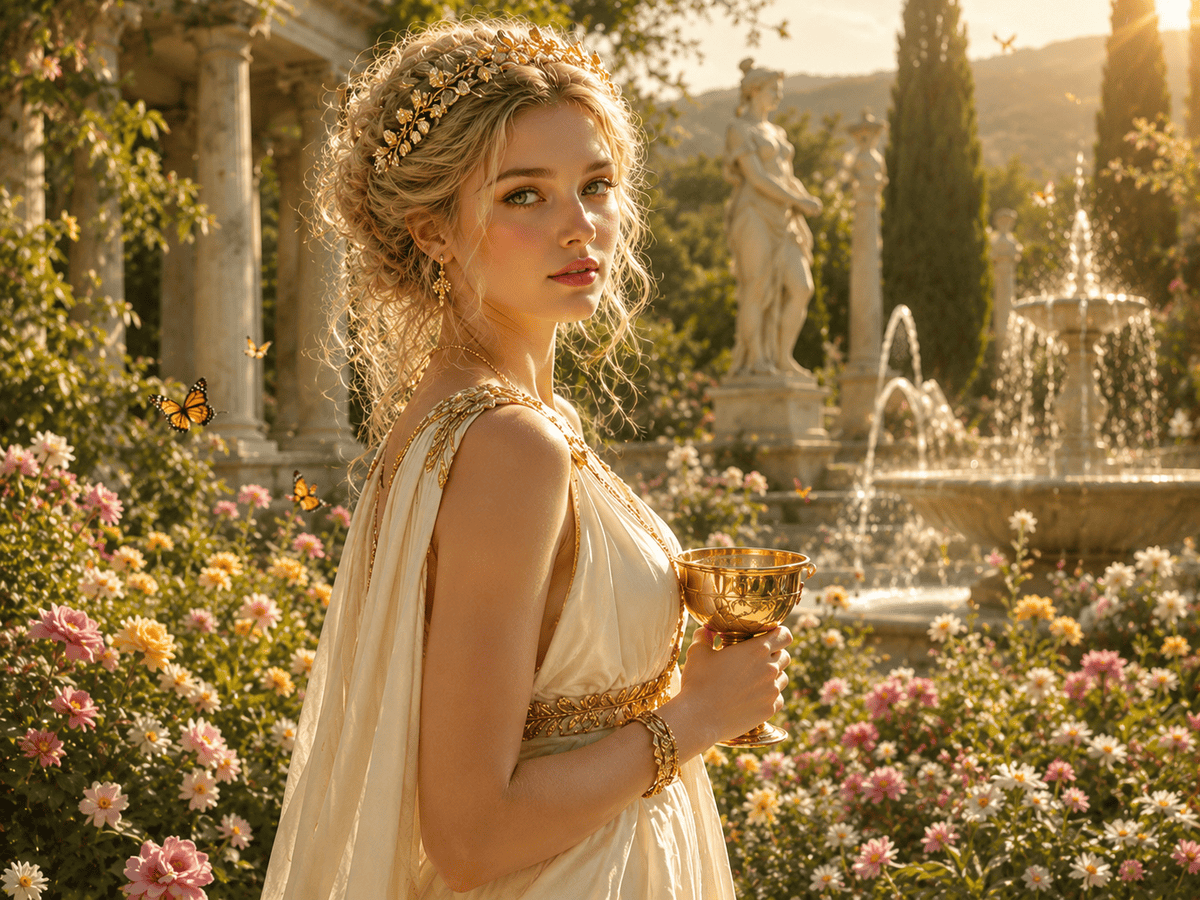
The central idea behind Hebe was the beauty of youth. For the ancient Greeks, youth represented energy, strength, possibility, and new beginnings.
Hebe embodied these qualities. She was often portrayed as a young woman carrying a cup and flowing garments.
Unlike gods who represented specific skills or powers, Hebe represented a stage of life.
Her symbolism reflected humanity’s long fascination with staying young and preserving vitality.
However, Greek myths often showed that youth was not simply about appearance. It also represented optimism, curiosity, and the ability to begin again.
In this way, Hebe’s influence extended beyond physical beauty. She symbolized the feeling of having energy and hope for the future.
Her presence on Olympus reminded the gods of the qualities associated with youth and renewal.
4. Hebe Married Heracles After His Apotheosis
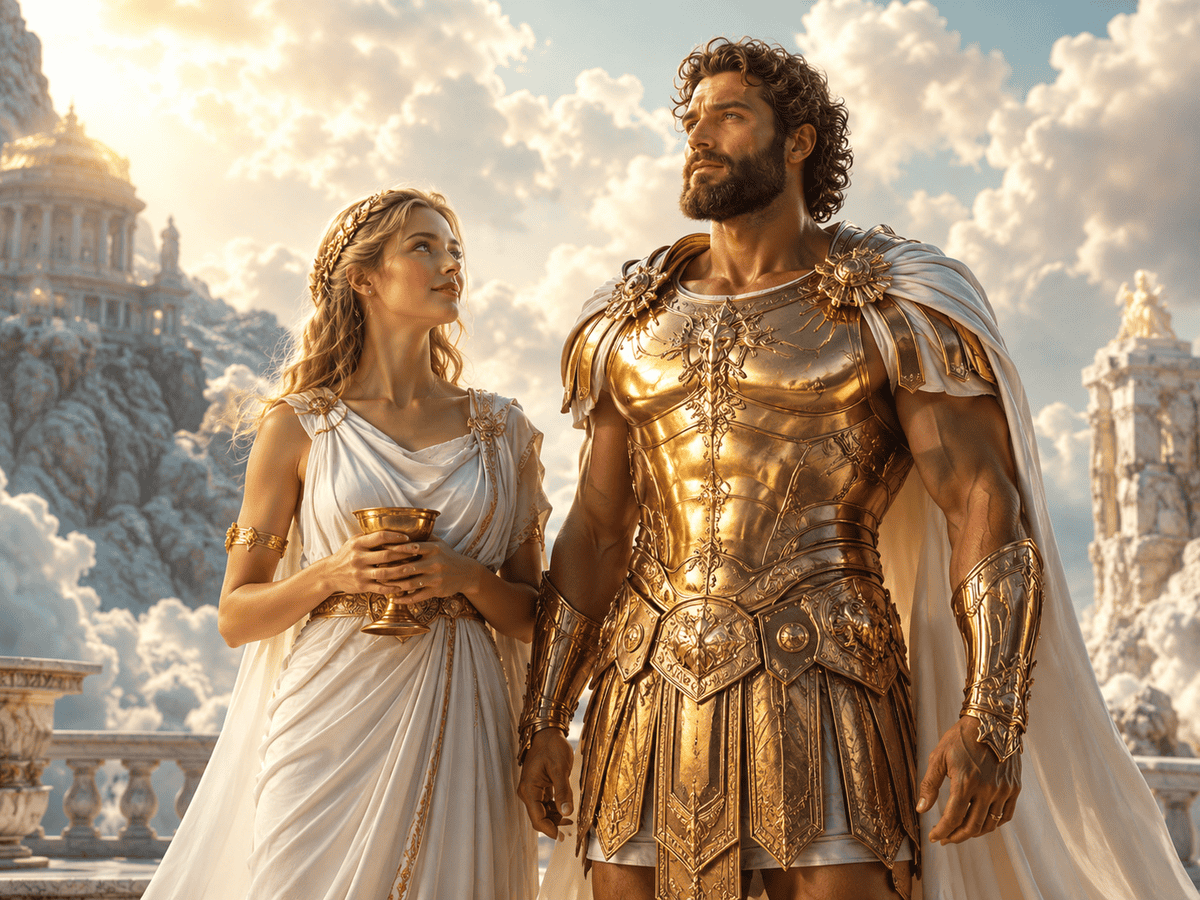
One of the most famous stories involving Hebe is her marriage to Heracles.
Heracles, known in Roman mythology as Hercules, was one of the greatest heroes of Greek mythology.
After completing his famous labors and experiencing his mortal struggles, Heracles was eventually accepted among the gods of Olympus.
This transformation from mortal hero to immortal god is known as apotheosis.
According to some traditions, Zeus and Hera welcomed Heracles into the divine family, and Hebe became his wife.
Their marriage symbolized the union between heroic achievement and eternal youth.
It also represented a happy ending for Heracles after a life filled with hardship and challenges.
The story gave Hebe a connection to one of the most celebrated heroes of the ancient world.
Through this marriage, she became part of one of mythology’s most famous examples of a mortal rising to divine status.
5. She Was Associated With Beauty and Grace
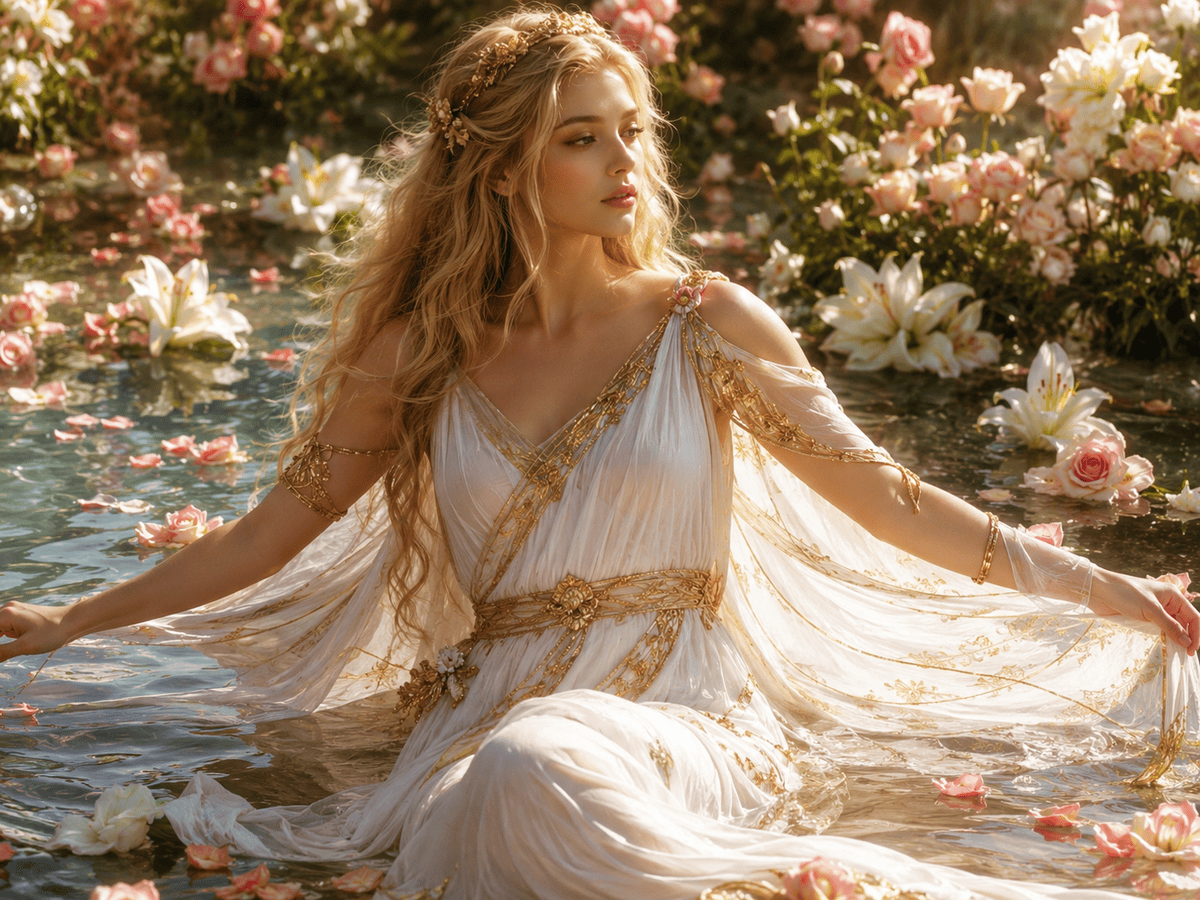
Although Aphrodite was the goddess most strongly connected with beauty and love, Hebe also carried associations with youthful charm and elegance.
Her beauty was often described as reflecting the freshness and innocence of youth. Ancient artists frequently portrayed her as graceful and radiant.
Her appearance represented the idealized image of youth that many cultures have admired throughout history.
However, Hebe’s beauty was not portrayed as a source of power or conflict.
Unlike stories involving jealousy and competition among goddesses, Hebe’s symbolism was gentler.
She represented the natural appeal of youth and the joy associated with being full of life.
Her image reminded ancient audiences of a stage of existence that everyone experiences but cannot permanently hold onto.
6. Hebe Had the Power to Restore Youth
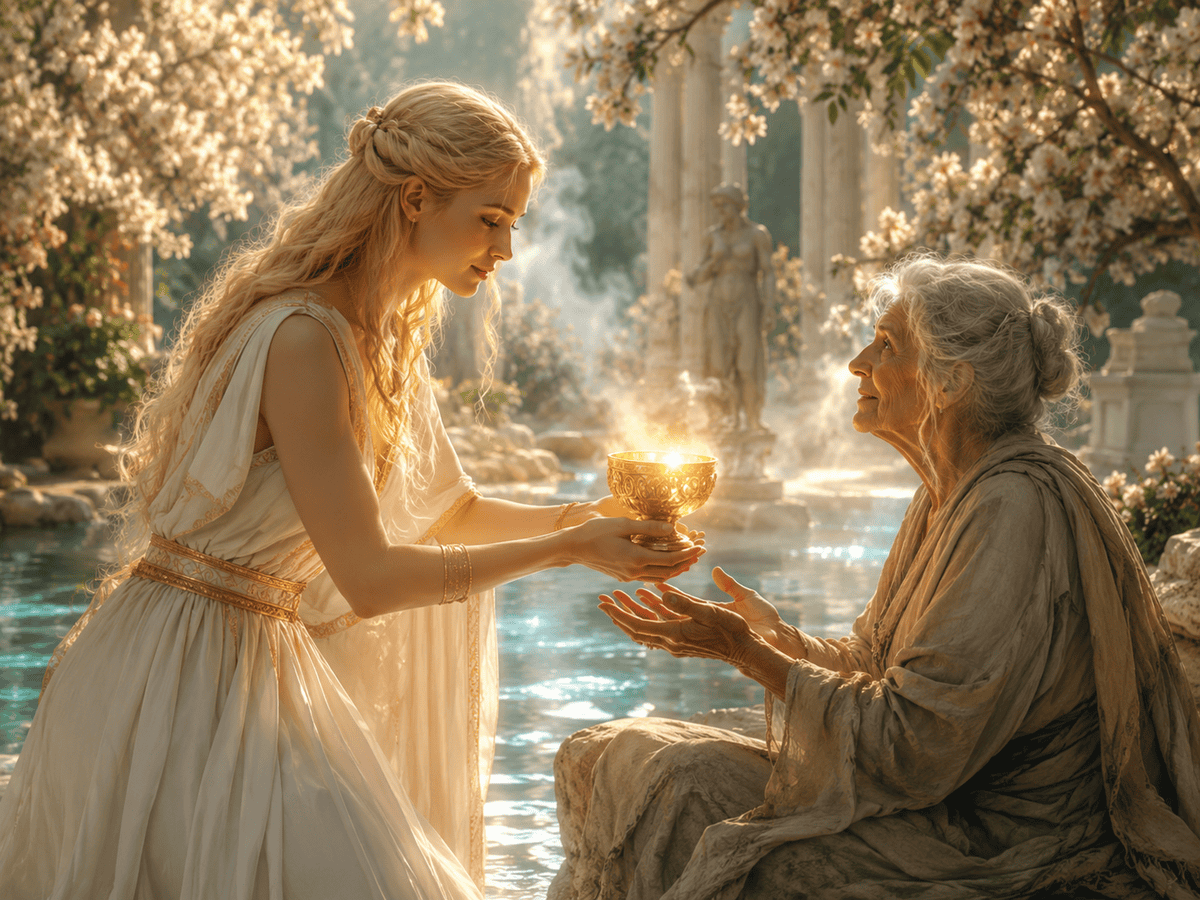
Some traditions describe Hebe as having the ability to restore youth. This power fit naturally with her role as the goddess of renewal.
In ancient mythology, youth was sometimes imagined as something that could be restored through divine intervention.
Hebe represented the dream of returning to a state of strength and vitality.
One story connected with her involves restoring the youth of Iolaus, a companion of Heracles, although versions of this tale vary.
These myths reflect a common human desire that has existed for thousands of years.
People have always wondered whether aging could be reversed or whether youth could somehow be regained. Hebe’s powers represented this timeless wish.
7. Her Name Means Youth

The name Hebe comes from the ancient Greek word meaning “youth” or “young age.”
Unlike some gods whose names are connected with complex myths or hidden meanings, Hebe’s identity is immediately clear.
She was youth itself personified. This naming style was common in Greek mythology, where gods often represented specific concepts or forces.
For example, Nike represented victory, and Thanatos represented death. Hebe followed the same tradition by embodying the idea of youth.
Her name helped preserve her role throughout history. Even people unfamiliar with her myths can understand her connection through the meaning of her name.
She became a symbol of something universal that every generation experiences.
8. Hebe Remains a Symbol of Hope and New Beginnings

Although Hebe is not as famous as many other Greek goddesses, her symbolism remains meaningful.
Youth is often associated with possibility, imagination, and the belief that new things can begin.
These ideas continue to inspire people today. Hebe represents the part of life that embraces curiosity and growth.
She reminds people that renewal is not only about age. A person can experience new beginnings at any stage of life.
Fresh ideas, new goals, and personal changes can all bring a sense of youthful energy.
Perhaps this is why Hebe has remained fascinating for centuries. Her story is not only about staying young forever.
It is about appreciating the qualities that make youth special and carrying those qualities forward throughout life.

自出生以来,我一直感觉到自己与神灵有着紧密的联系。作为一名作家和导师,我的使命是帮助他人在最黑暗的时刻找到爱、幸福和内心的力量。