
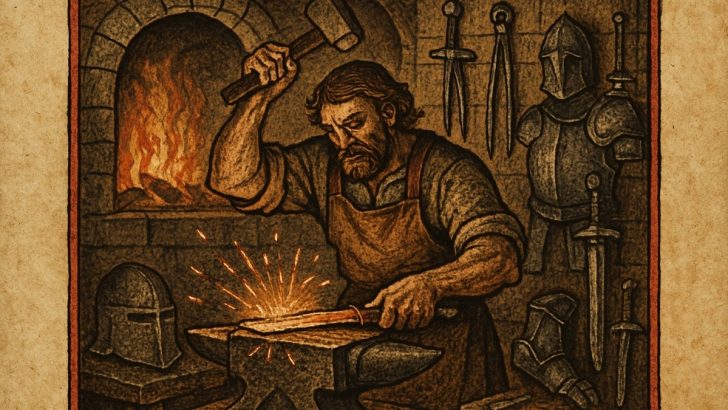
Few historical periods have a reputation as dramatic as the “Dark Ages.” The name alone conjures images of gloomy castles, muddy roads, mysterious forests, and people wandering around wondering if anyone remembers how the Roman Empire used to do plumbing. Popular culture has often portrayed the era as one long medieval blackout where progress packed its bags and left Europe altogether.
The reality, however, is much more interesting—and much less dark. Historians today generally avoid the term because it oversimplifies a complex period filled with cultural change, technological innovation, and political upheaval. So why did people start calling it the “Dark Ages” in the first place? Here’s the surprisingly fascinating story behind one of history’s most misunderstood nicknames.
1. The Name Wasn’t Invented During the Middle Ages
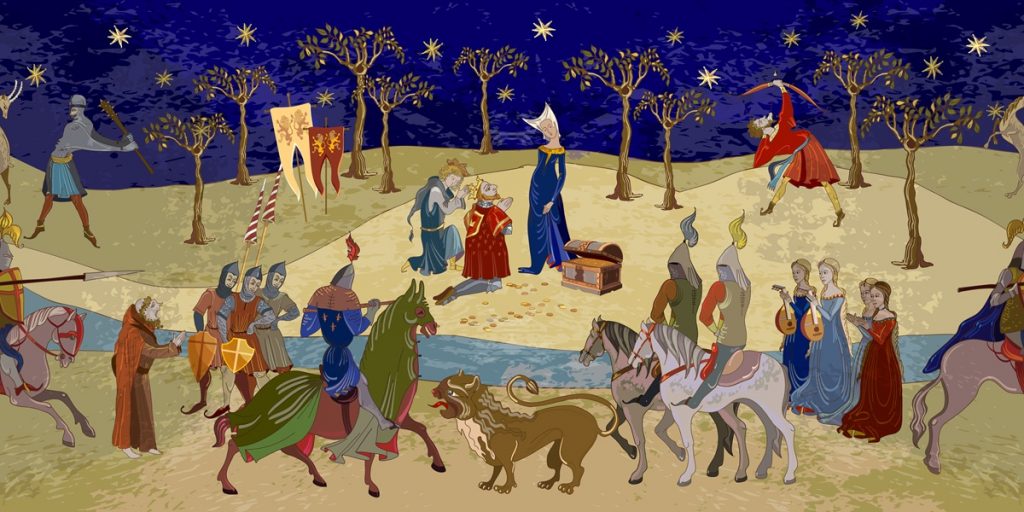
Despite sounding wonderfully medieval, nobody living in the so-called Dark Ages ever woke up and said, “Another gloomy Tuesday in the Dark Ages.” The term was actually coined centuries later, during the 14th century, by the Italian scholar and poet Francesco Petrarch.
Petrarch adored the literature, philosophy, and art of ancient Rome. When he looked at the centuries that followed the collapse of the Western Roman Empire, he believed Europe had experienced a decline in intellectual achievement. To him, the brilliance of classical civilization had been replaced by what he saw as a period of cultural “darkness.”
Importantly, Petrarch wasn’t talking about literal darkness or claiming everyone had suddenly forgotten how to read and write. He was referring to what he viewed as a lack of great classical scholarship. He believed the light of ancient learning had dimmed, and he hoped the Renaissance would restore it.
Ironically, Petrarch himself helped ignite the Renaissance by rediscovering and promoting classical texts. In other words, he criticized an era while simultaneously helping create the movement that would eventually redefine how people viewed history. Not bad for someone who was mostly just enthusiastic about old books.
2. “Dark” Originally Meant a Lack of Historical Records

Another reason the period became associated with darkness has nothing to do with civilization collapsing into permanent chaos. For many historians, “dark” referred to the fact that there were relatively few surviving written records from certain parts of Europe between roughly the 5th and 10th centuries.
Compared with the Roman Empire, which produced mountains of official documents, legal records, and literature, early medieval Europe left behind far fewer written sources. Historians trying to reconstruct events often found themselves piecing together fragments from monasteries, archaeological discoveries, and scattered chronicles.
Imagine trying to write someone’s biography using only three diary entries, a grocery list, and a rumor from their neighbor. That’s essentially how some early medieval history has been reconstructed.
This lack of documentation created genuine gaps in historical knowledge, making the era seem “dark” simply because less was known about it. Modern archaeology, improved dating techniques, and new manuscript discoveries have filled in many of those gaps, revealing a far richer and more dynamic period than earlier generations realized.
3. The Fall of Rome Changed Everything—But It Wasn’t the End of Civilization
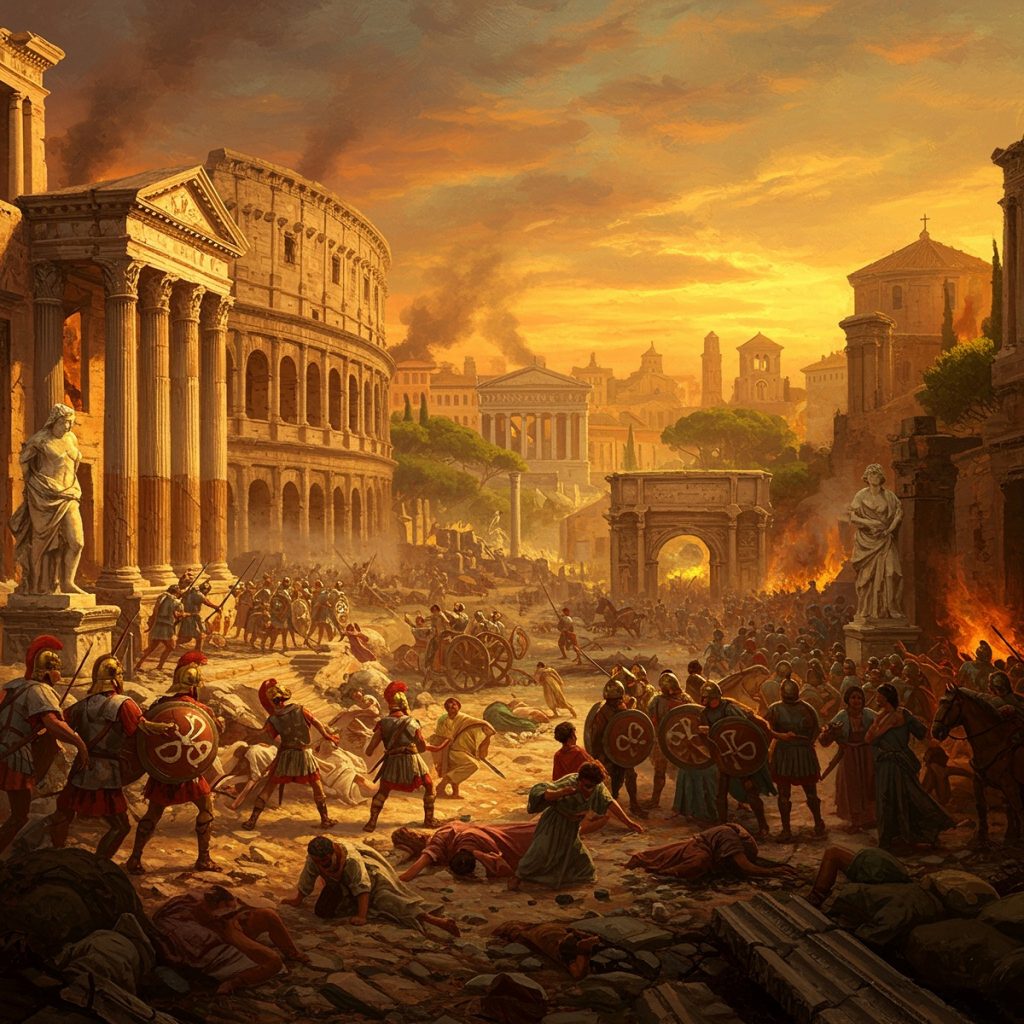
The traditional beginning of the Dark Ages is often linked to the fall of the Western Roman Empire in AD 476, when the last Western Roman emperor was deposed. While this was undoubtedly a major political turning point, it wasn’t the moment Europe collectively forgot how to function.
Instead, power shifted from a centralized empire to numerous kingdoms ruled by groups such as the Visigoths, Ostrogoths, Franks, and Anglo-Saxons. Cities shrank in some regions, trade networks changed, and political instability became more common, especially in Western Europe.
Life certainly became more difficult in many places. Long-distance commerce declined, infrastructure deteriorated, and maintaining Roman-style public works became increasingly challenging. If you had grown accustomed to impressive aqueducts and paved highways, the changes probably felt significant.
Yet civilization continued. Agriculture evolved, local economies adapted, new kingdoms emerged, and Christianity became an increasingly important cultural force. The world wasn’t ending—it was reorganizing itself. History rarely hits a giant pause button, even when textbooks sometimes make it seem that way.
4. The “Dark Ages” Were Actually Full of Innovation
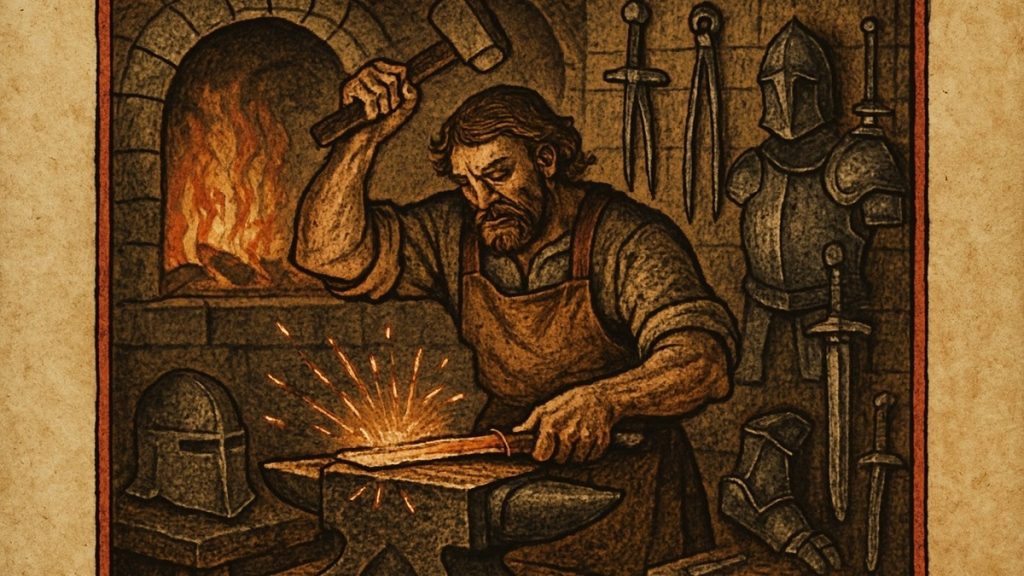
One of the biggest reasons historians dislike the term today is because it suggests nothing important happened for hundreds of years. In reality, the early Middle Ages saw numerous technological, agricultural, and cultural developments that shaped the future of Europe.
Heavy plows improved farming in northern Europe, allowing more efficient cultivation of difficult soils. Horse collars made draft animals significantly more effective, while watermills and windmills helped mechanize labor. Monasteries became centers of education where monks carefully copied countless manuscripts, preserving both religious works and many classical texts that might otherwise have disappeared forever.
Universities hadn’t yet appeared, but learning certainly hadn’t vanished. Skilled metalworkers produced remarkable weapons and tools, architects developed new building techniques, and artists created stunning illuminated manuscripts that remain masterpieces today.
Even everyday life gradually improved through practical innovation. People were busy solving problems, adapting to changing conditions, and building new societies—not sitting around waiting for history to become exciting again. If anything, the nickname unfairly ignores just how creative people remained during difficult times.
5. Most Historians Prefer Different Names Today
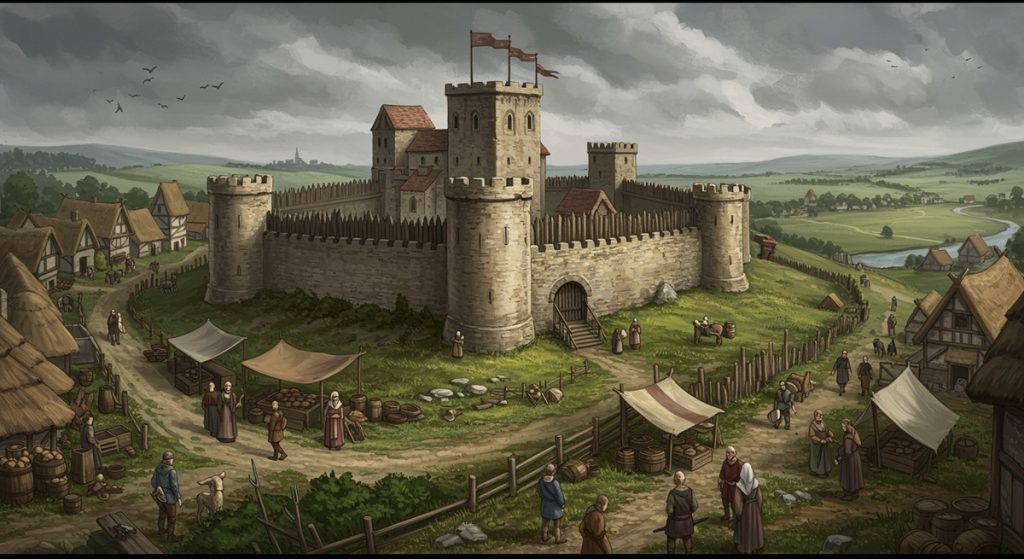
Ask a modern medieval historian about the Dark Ages, and you may notice a slight wince before they gently explain that the term has largely fallen out of academic favor. Today, scholars usually prefer phrases like “Early Middle Ages” because they’re more neutral and accurately describe the period without suggesting cultural inferiority.
The term “Dark Ages” survives mainly because it’s memorable. It appears in movies, novels, television shows, and everyday conversation, even though it doesn’t reflect current historical understanding. While certain regions did experience economic decline and political instability after Rome’s fall, other parts of Europe and the wider world flourished during the same centuries.
Meanwhile, the Byzantine Empire preserved much of Roman culture, the Islamic Golden Age produced extraordinary advances in science and mathematics, and kingdoms across Europe continued to evolve in diverse ways. History, as usual, was far more complicated than a catchy nickname suggests.
So while “Dark Ages” makes for an unforgettable label, it’s less a factual description and more a historical opinion inherited from scholars who viewed the past through the lens of the Renaissance. The irony is delightful: one of history’s most famous names turned out to need a bit of historical correction itself.

Lover of good music, reading, astrology and making memories with friends and spreading positive vibes! 🎶✨I aim to inspire others to find meaning and purpose through a deeper understanding of the universe’s energies.