
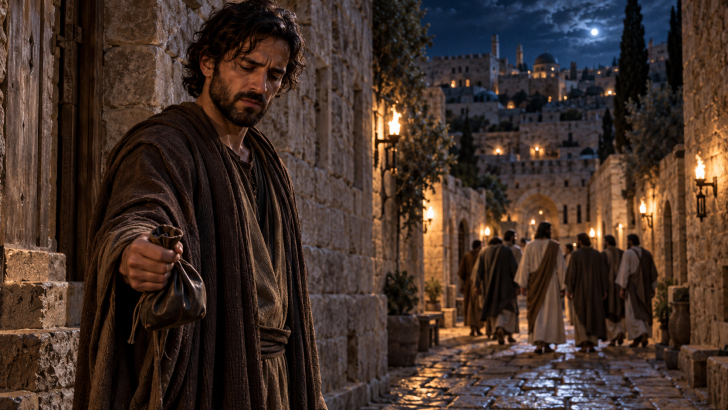
Judas Iscariot made one of the most famous choices in the New Testament. He betrayed Jesus.
The Gospels describe Judas arranging with the religious authorities to hand Jesus over to them.
He later led a group to Jesus at night and identified him, with the Gospel of Matthew describing the famous kiss of betrayal.
But what if Judas had changed his mind before any of this happened?
What if he had refused the money, stayed with the other disciples, and never told the authorities where to find Jesus?
We can only imagine how the story might have unfolded differently.
Here are five things that might have happened if Judas had refused to betray Jesus.
1. Jesus Could Still Have Been Arrested
Judas made the arrest easier, but he was not necessarily the only possible way to reach Jesus.
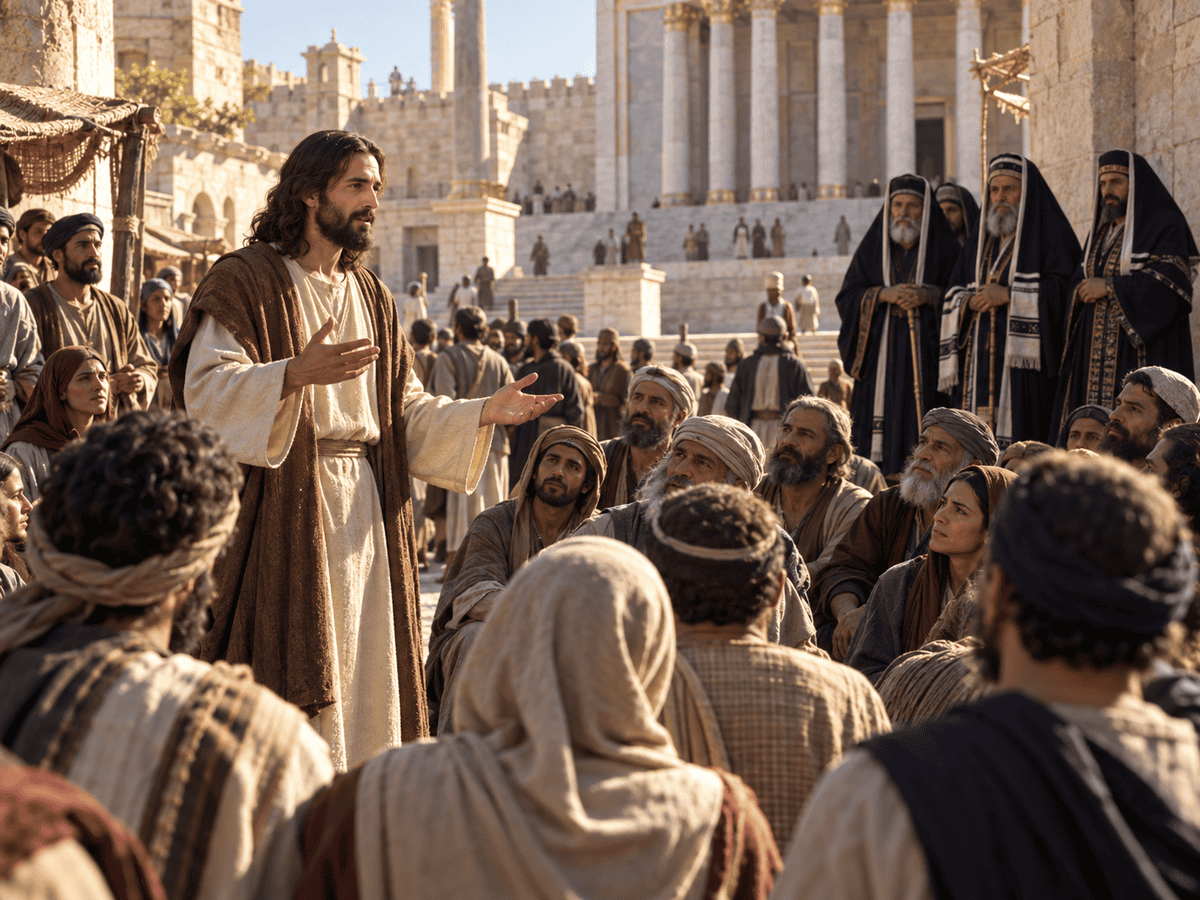
By the final days of Jesus’s life, he was hardly an unknown person.
He had entered Jerusalem publicly. Crowds had seen him. He had taught openly, including at the Temple.
The authorities therefore did not need Judas to explain who Jesus was in the general sense.
What Judas could provide was something more useful. He knew Jesus personally.
He knew where he went with his disciples, and he could help the authorities arrest him away from a large crowd.
Luke even says that the religious leaders were looking for a way to deal with Jesus while avoiding a public disturbance.
If Judas had refused to help, the arrest might have been delayed or carried out differently. Another opportunity could have appeared.
So refusing to betray Jesus would certainly change Judas’s role in the story.
It would not necessarily mean that Jesus could never be arrested.
2. The Last Supper Would Have Felt Very Different
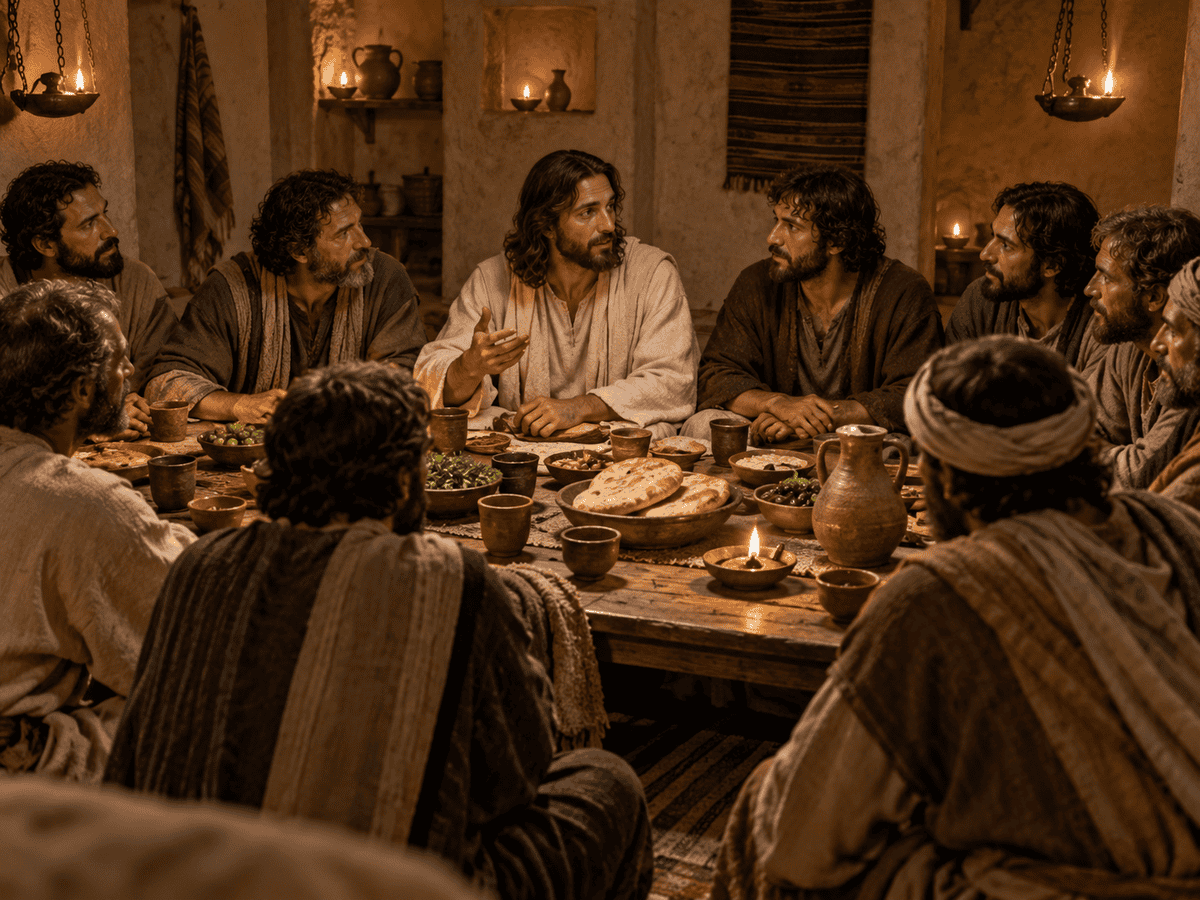
The Last Supper contains some of the most tense moments involving Judas.
Jesus tells the disciples that one of them will betray him. They are shocked.
In the Gospel accounts, Judas’s coming betrayal hangs over the meal while Jesus spends his final hours with the Twelve.
Now imagine that Judas had already decided not to go through with it. The entire emotional atmosphere changes.
There is no secret agreement waiting to be completed. There is no disciple preparing to lead Jesus’s enemies to him.
Perhaps Judas would have remained at the table with the others. Maybe he would have gone with them afterward.
We cannot know. But the famous image of betrayal coming from inside Jesus’s closest circle would disappear.
That would matter because Judas’s story is so painful partly because he was not a distant enemy.
He was one of the Twelve. Without his betrayal, the final meal would still be important, but one of its darkest elements would be gone.
3. Someone Else Might Have Betrayed Jesus

This is possible, but the Bible never says it would have happened. The authorities wanted Jesus arrested.
If Judas refused, they might have looked for another person who could give them information.
Perhaps another follower could have been approached. Perhaps someone outside the Twelve knew enough about Jesus’s movements to help.
Did Judas have a genuine choice? Could he have acted differently?
Different Christian traditions have answered questions about free will, prophecy, and God’s knowledge in different ways.
The Gospels themselves still present Judas as responsible for what he chooses to do.
He is not described as an innocent person who has no involvement in his own decision.
4. Judas Himself Would Be Remembered Completely Differently
Few biblical names carry a reputation as dark as Judas. His name has become almost another word for traitor.
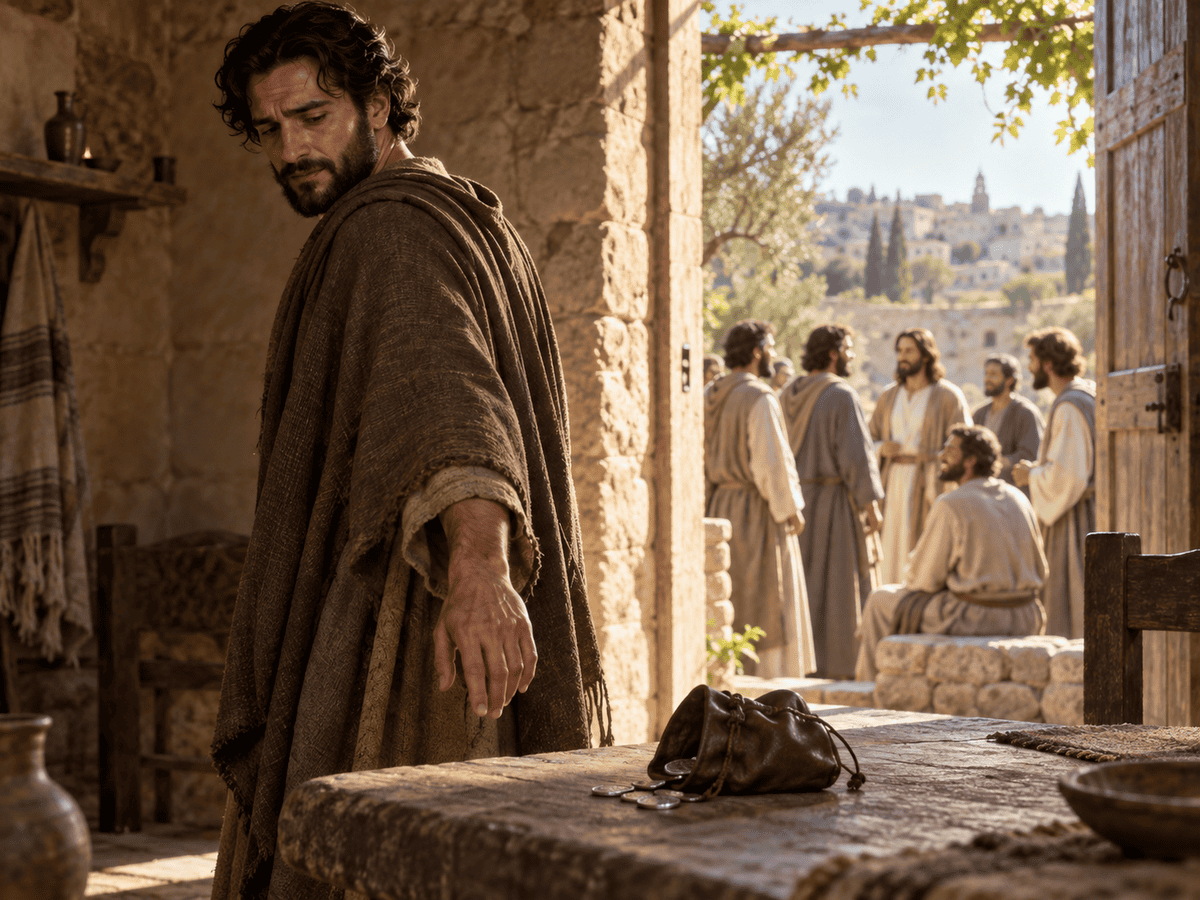
But that reputation depends on what he did. Imagine that Judas felt tempted to betray Jesus but stopped himself.
Perhaps he returned the money before revealing anything. Perhaps he confessed what he had planned.
Perhaps he simply walked away from the agreement. Suddenly, Judas becomes a completely different character.
Instead of representing betrayal, he could become a story about stepping away from a terrible decision before it is too late.
This would also change how people remember the Twelve. Judas might have remained among the disciples after Jesus’s death.
The book of Acts describes Matthias being chosen to take the place Judas had left behind.
If Judas had remained faithful, that replacement might never have been needed. One decision changes his entire legacy.
The man remembered for betraying Jesus might instead have been remembered simply as another apostle.
5. The Crucifixion Could Still Have Happened in Another Way
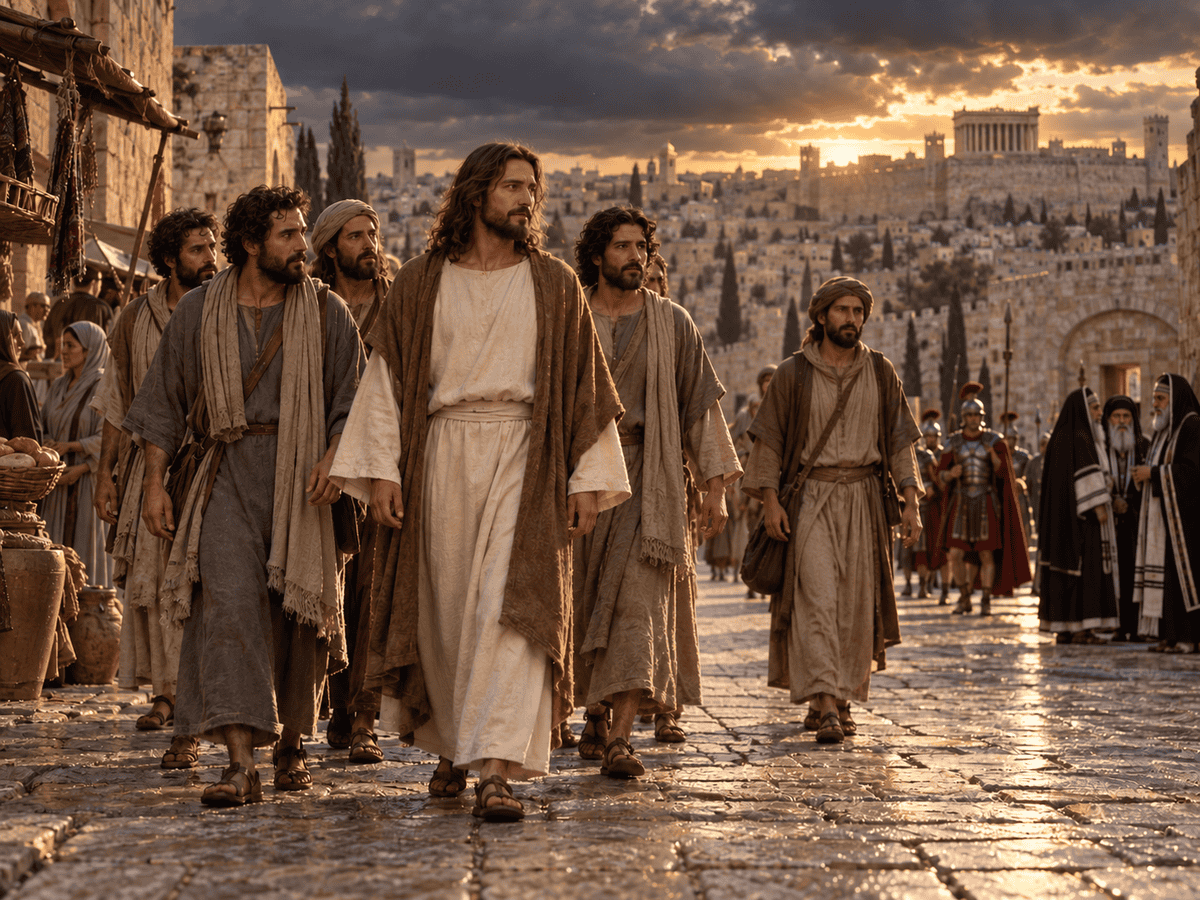
This is the biggest question. If Judas never betrayed Jesus, would the crucifixion still happen?
From a traditional Christian perspective, the death of Jesus is much bigger than Judas.
The New Testament presents Jesus’s death and resurrection as central to God’s plan of salvation.
Jesus also speaks about his coming suffering and death before Judas completes the betrayal.
That means Christianity does not present Judas as the person who invented the entire chain of events.
He participates in it. The religious authorities already oppose Jesus, and Roman authority ultimately carries out the crucifixion.
Without Judas, the road to that moment could have looked different. The arrest might happen later.
It might happen publicly rather than quietly at night. A different person might provide information.
The exact events could change while the larger outcome remains. And that leads to the most interesting part of the question.
Judas’s betrayal matters enormously, but the Christian story does not depend on Judas being more powerful than everyone else.
He does not control Jesus’s entire fate. He makes his own choice inside a much larger story.
If he had refused, he might have saved himself from becoming history’s most famous betrayer.
But whether he could have stopped everything that followed is a very different question.

自出生以来,我一直感觉到自己与神灵有着紧密的联系。作为一名作家和导师,我的使命是帮助他人在最黑暗的时刻找到爱、幸福和内心的力量。