
History remembers great battles, revolutions, and political intrigues—but it also remembers the moments when a perfectly crafted insult landed perfectly.
Long before social media snark, some of history’s most famous figures wielded language with razor precision.
Writers, politicians, and philosophers turned wit into a weapon, delivering remarks that could humiliate rivals while entertaining audiences for generations.
Here are ten legendary historical insults—each with a story behind the sting.
1. Oscar Wilde’s Literary Rebuttal (1890)
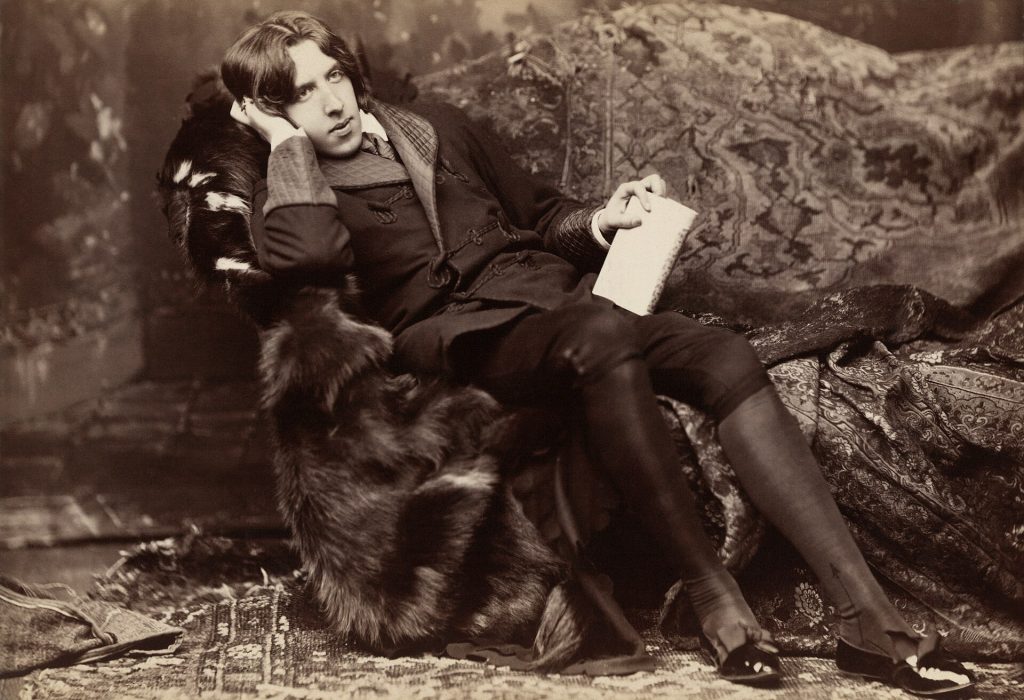
Few writers wielded wit like Oscar Wilde. In 1890, his novel The Picture of Dorian Gray sparked outrage among Victorian critics, particularly in the conservative British newspaper the St. James’s Gazette, which suggested the book was immoral.
Wilde responded with characteristic elegance in a letter defending his work. When critics suggested the novel should be thrown into the fire, he replied:
“To say that such a book as mine should be ‘chucked into the fire’ is silly. That is what one does with newspapers.”
The remark perfectly captured Wilde’s style: polished, biting, and devastatingly calm. Rather than argue directly with critics, he dismissed them—and their medium—as disposable.
2. Benjamin Disraeli’s Political Riposte
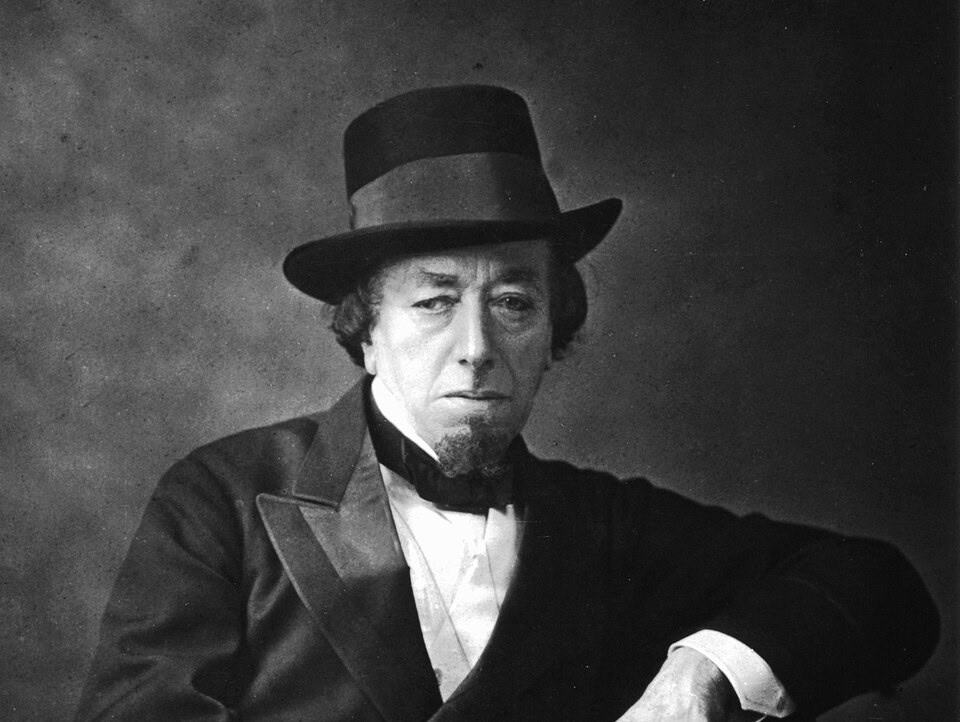
Politics in 19th-century Britain was famously combative, and few politicians were sharper with their words than Prime Minister Benjamin Disraeli.
During one particularly nasty exchange in Parliament, an opponent sneered at him:
“Sir, you will either die on the gallows or of some unspeakable disease.”
Disraeli replied:
“That depends, Sir, whether I embrace your policies or your mistress.”
In one line he managed to insult both the man’s politics and his personal life.
3. Winston Churchill and Lady Astor
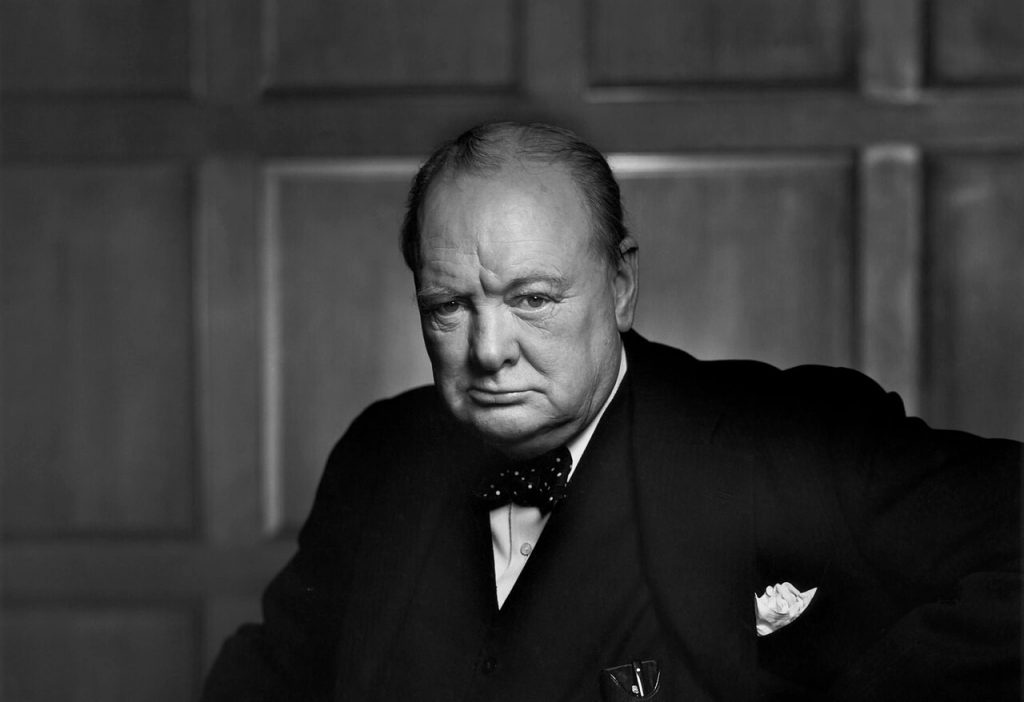
Winston Churchill’s speeches helped rally Britain during World War II, but he was just as famous for his biting humor.
One of the most famous exchanges attributed to him involved Nancy Astor, the first woman to sit in the British Parliament. The two strongly disliked each other, and their arguments were legendary.
At one point Astor snapped:
“If you were my husband, I’d give you poison.”
After which Churchill responded:
“If you were my wife, I’d drink it.”
It’s hard to imagine a sharper or faster response.
4. George Bernard Shaw’s Ticket Joke
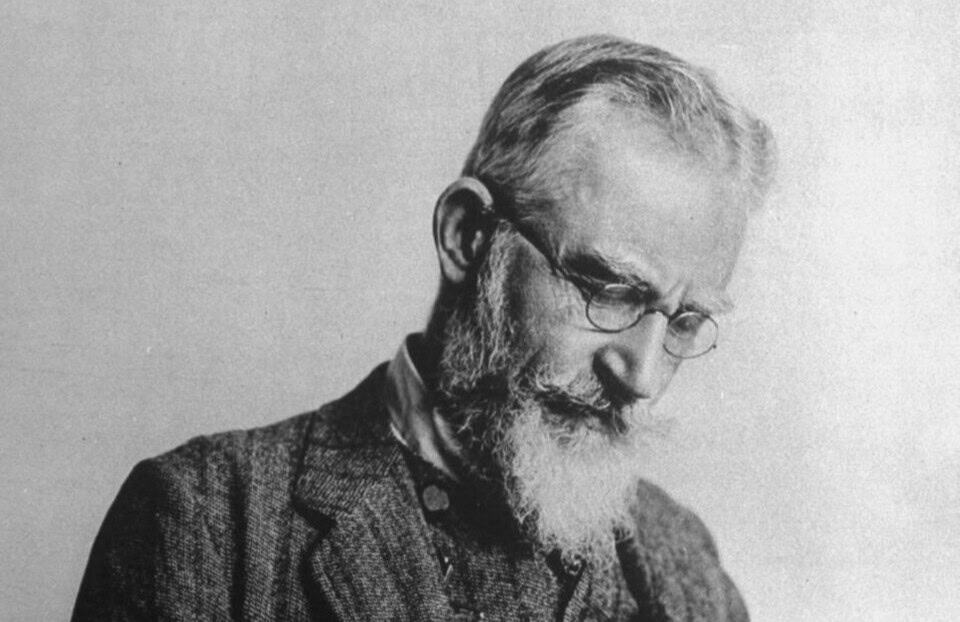
The playwright George Bernard Shaw was another master of witty insults, and he once aimed one at Churchill.
When Shaw premiered a new play, he sent Churchill two tickets along with a note:
“I am enclosing two tickets to the first night of my new play; bring a friend—if you have one.”
Churchill responded with a note of his own:
“Cannot possibly attend first night. Will attend second… if there is one.”
It’s basically a perfect comedic exchange—two public figures politely implying the worst about each other.
5. Mark Twain’s Funeral Comment
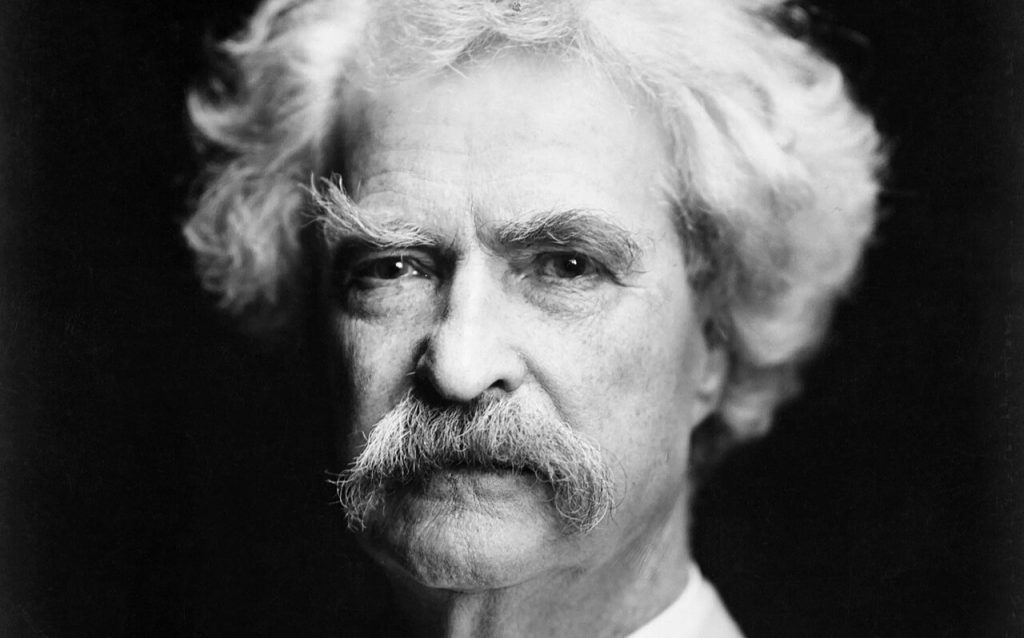
Mark Twain built an entire career on sharp humor and satire, so it’s no surprise he had a talent for insults too.
In one famously cold remark about someone he disliked, Twain said:
“I didn’t attend the funeral, but I sent a nice letter saying I approved of it.”
The joke works because it sounds almost polite—until you realize just how brutal it actually is.
6. Churchill’s Character Assessment
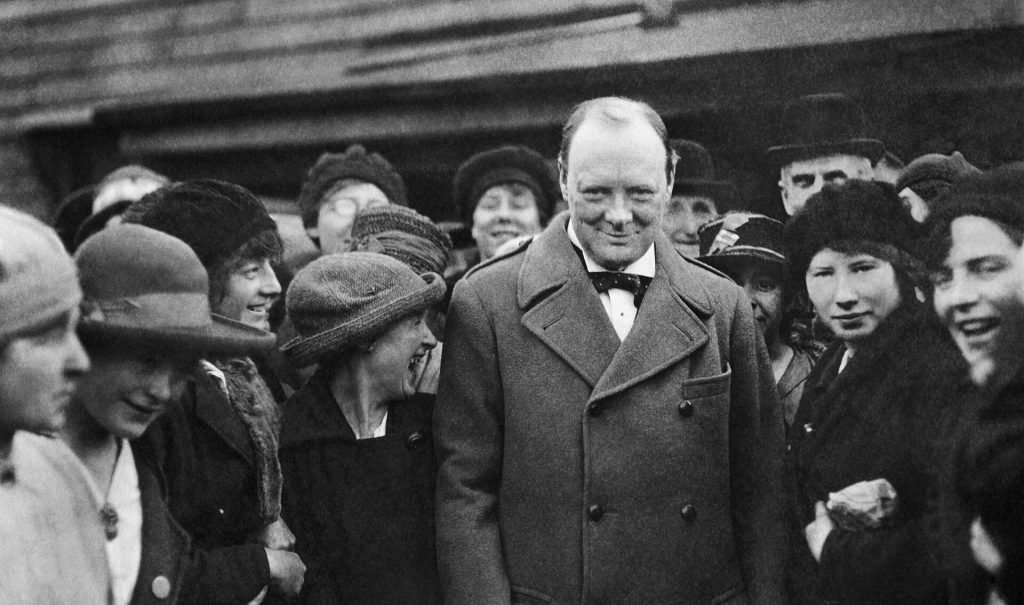
Churchill shows up again on this list because he produced so many great lines.
Speaking about one political opponent, he once observed:
“He has all the virtues I dislike and none of the vices I admire.”
It’s a wonderfully twisted compliment—technically polite on the surface, but completely devastating once you think about it.
7. Dorothy Parker’s Savage Book Review
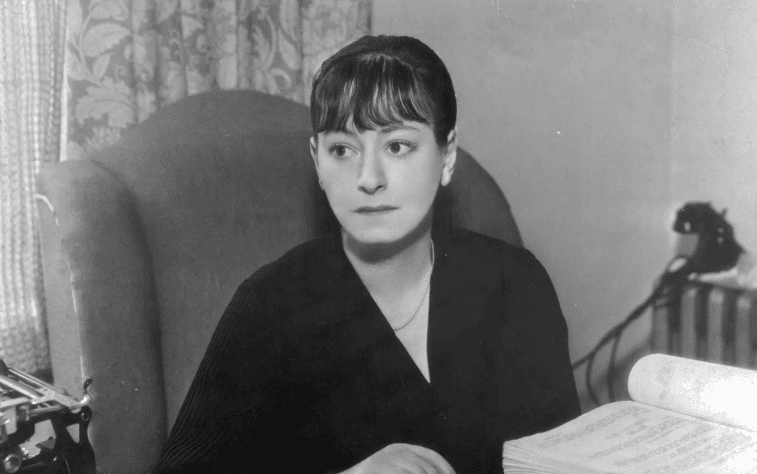
Dorothy Parker, the American writer and critic famous for her razor-sharp wit, had a reputation for delivering brutally funny reviews.
When she encountered a particularly terrible novel, she summed it up with a line that’s still quoted today:
“This is not a novel to be tossed aside lightly. It should be thrown with great force.”
It’s probably one of the most entertainingly savage book reviews ever written.
8. William Faulkner on Ernest Hemingway
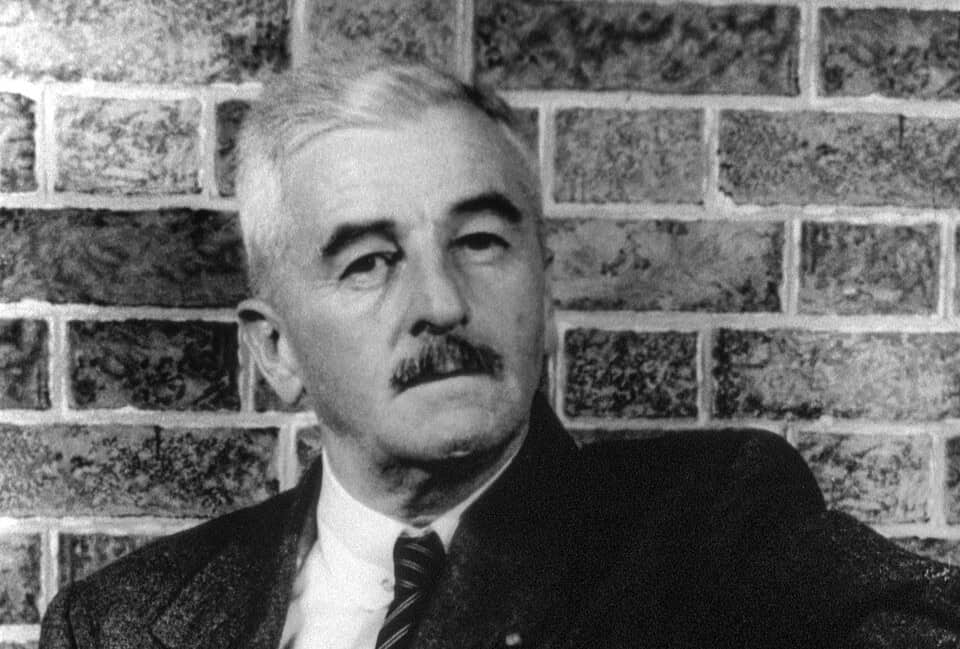
Even literary giants sometimes take shots at each other. American novelist William Faulkner once commented on the writing style of Ernest Hemingway, who was famous for his short, simple sentences.
Faulkner’s remark:
“He has never been known to use a word that might send a reader to the dictionary.”
It was a subtle way of saying Hemingway’s writing might be a little too simple.
9. Clarence Darrow’s Dark Humor
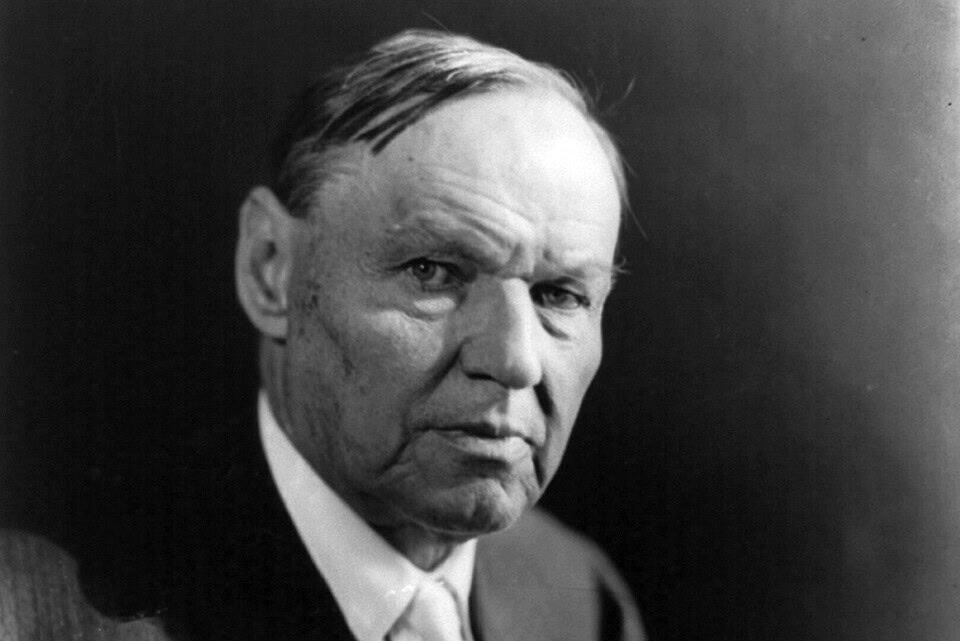
Clarence Darrow, one of the most famous American defense attorneys in history, was known for his powerful courtroom arguments—and his dry sense of humor.
At one point he made this chillingly funny remark:
“I have never killed a man, but I have read many obituaries with great pleasure.”
It’s the kind of line that makes you laugh first and then realize just how ruthless it really is.
10. Oscar Wilde on Disliked People
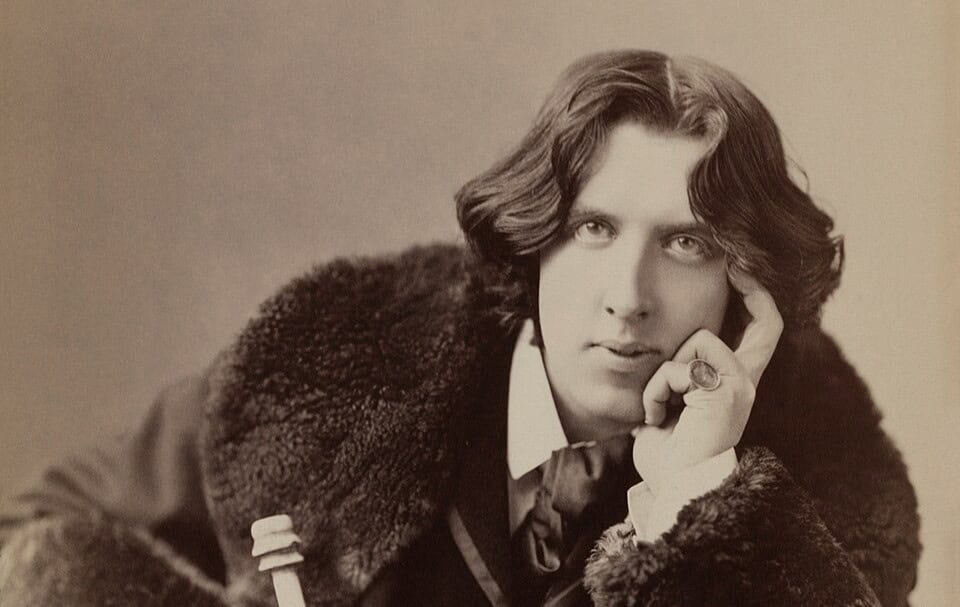
Oscar Wilde had so many great insults that he easily earns a second spot on this list.
One of his most cutting observations about human nature was this:
“He has no enemies, but is intensely disliked by his friends.”
In typical Wilde fashion, the line is short, clever, and quietly devastating.
