
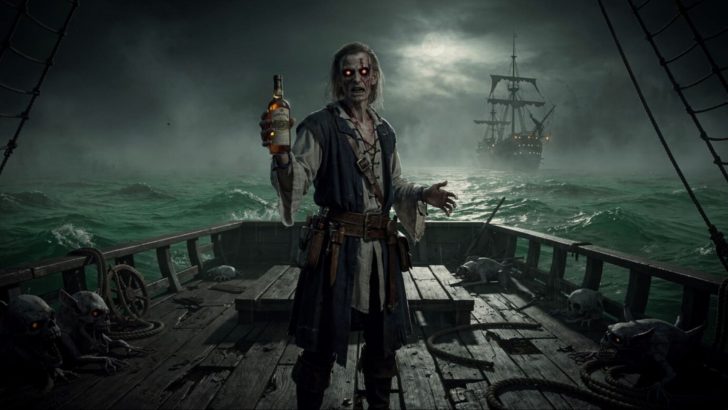
From the modern and privileged point of view, the sea is a place that makes our eyes sparkle. We hear ocean and see a mirage of vacation and cocktails.
But for most of human history, the sea stood for life-risking adventure and the horrors of the unknown.
The terrifying tales that originated from one of the oldest human fears continue to fascinate us to this day!
1. Leviathan
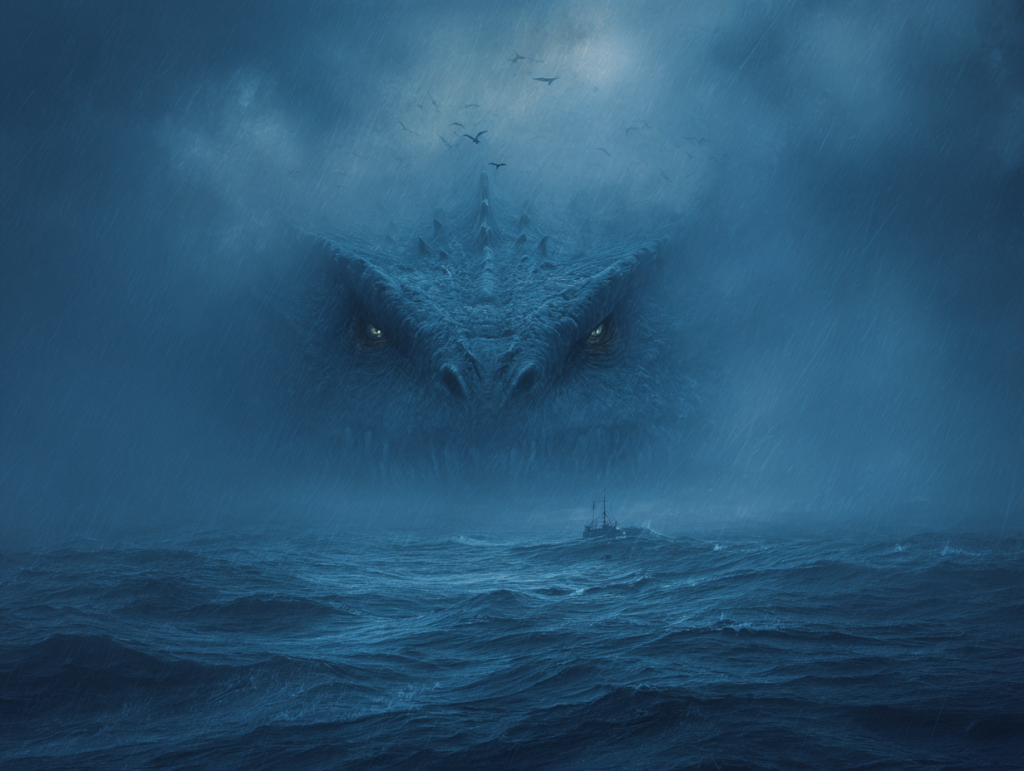
The Leviathan is more than a sea monster; it’s an embodiment of a cataclysmic event!
It comes from the Judeo-Christian mythology, and it exists as a dreadful presence, meant to remind us of the sheer power of nature.
There’s no escape, and there’s no fighting it.
Frequently depicted as a fire-breathing sea dragon or serpent, the Leviathan was said to engulf entire fleets in a single bite!
Sailors frequently reminded themselves of the Leviathan, never to forget the overwhelming dangers of the waters they were crossing!
It was the ultimate symbol of anarchy and devastation.
2. Kraken
As of the 13th century, the Kraken has been a constant presence among the seamen, striking terror into their hearts.
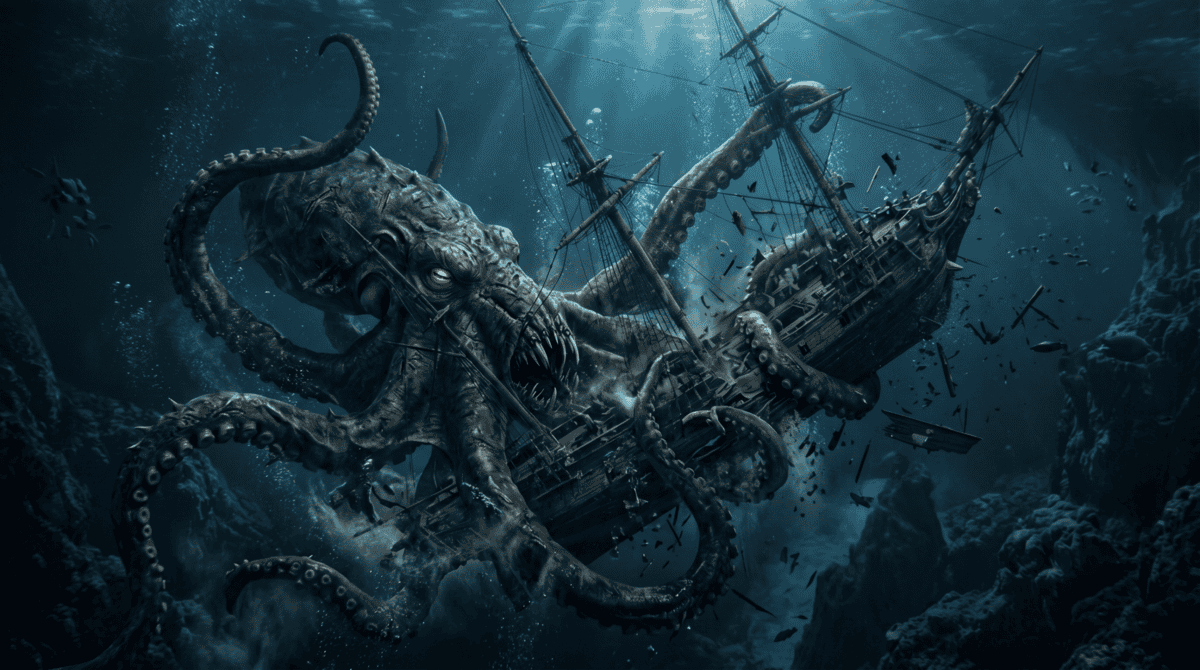
The idea of this creature originated in 北欧神话, where it’s portrayed as an enormous, squid-like monster with only one purpose: to destroy.
It would wrap its giant tentacles around ships and crush 他们 into pieces, dooming entire fleets to death.
No one can agree on its exact size; at the end of the day, if it ever existed, I’d imagine there were very few survivors to pass on the details.
In modern day, we tend to agree that ancient sailors had encountered the elusive giant squids and freaked out.
Still, the ocean hasn’t been even nearly explored enough to claim with certainty that such a monster doesn’t still lurk in the depths.
3. The Flying Dutchman
Sailors tend to be very superstitious, constantly scanning the horizon for sea monsters. And can anyone blame them?
The fog, isolation, and the vast water would turn the best of us paranoid; I’m sure the rum didn’t help, either.
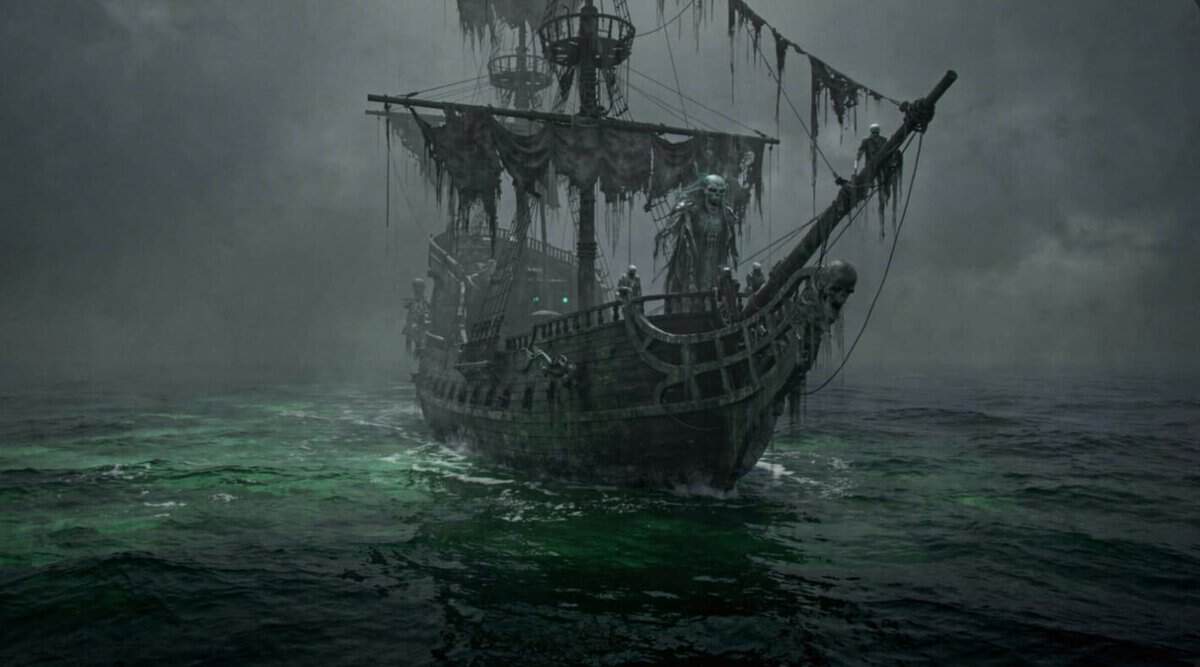
This collective haze produces a tale of the most famous ghost ship in history, The Flying Dutchman.
The story begins with 骄傲. A Dutch East India Company captain was returning from a successful mission in India.
在 Cape of Good Hope, the fleet’s luck started to change.
A violent storm started to rage, and while the sailors begged the captain to seek cover and wait out the storm, he refused.
The captain swore that he would finish the voyage even if it lasted until Doomsday!
The devil heard this blasphemy and condemned the crew to sail the oceans for eternity!
4. The Legend of Dahul
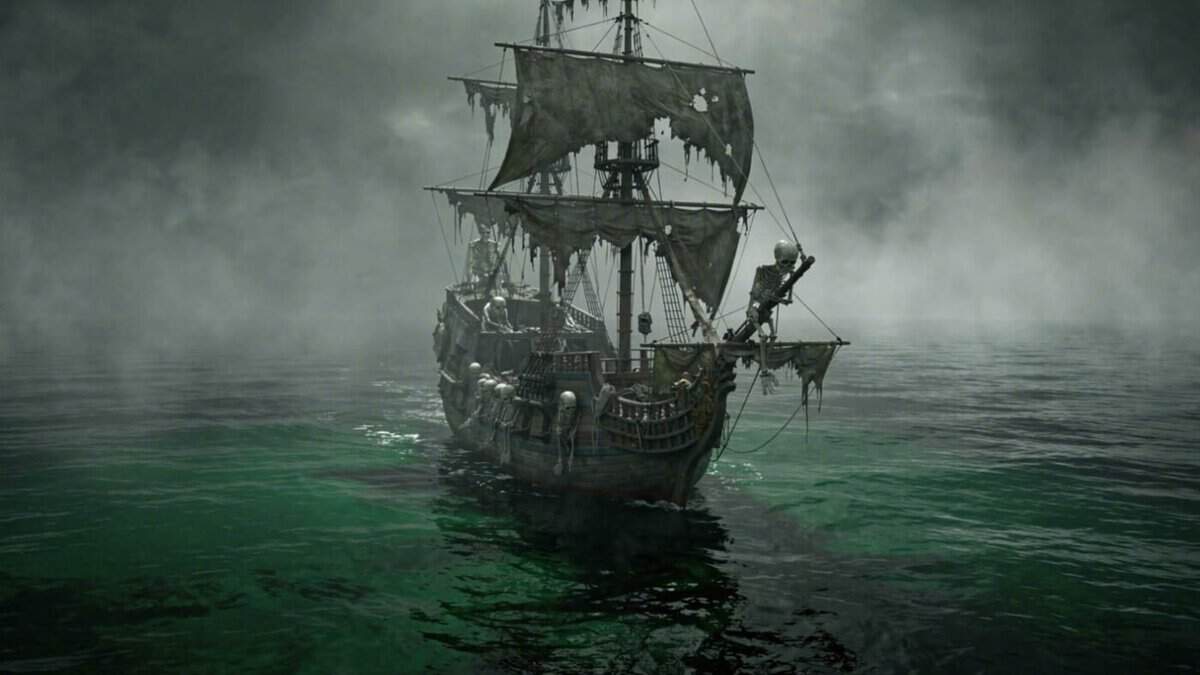
There are several variations of the eternal damnation at sea, and the legend of Dahul is among the most terrifying!
The myth describes a cursed pirate captain who terrorized the seas out of sheer cruelty!
He is remembered as a twisted variant of the Flying Dutchman, a bloodthirsty captain whose arrogance doomed him and his whole crew.
Dahul committed every conceivable crime, holding absolutely no respect for human life or the divine. It’s said that even his own crew was scared of him.
As a result, they were all cursed to forever roam the oceans, so their phantom ship became a sign of terrible luck for anyone who saw it.
5. The Sirens
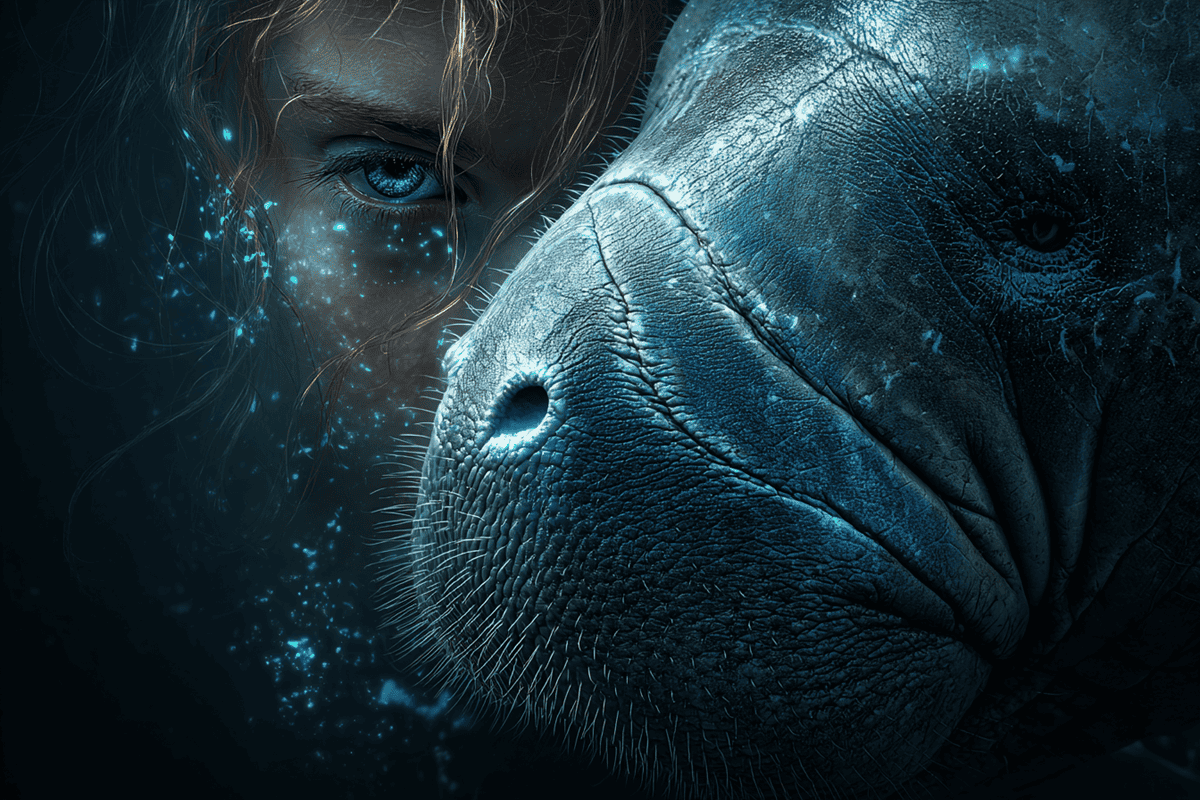
The sirens come from Greek mythology, and it’s said they live in the trickiest parts of the western seas that were still left uncharted.
They didn’t attack with brute strength or fear, but the very opposite!
The sirens used their voices and charms to get the sailors to relax, allowing themselves to be dragged down into the depths where they would meet an ugly end.
This myth can also be tied to the illusions that plagued sailors after months of isolation and misery out on the water.
They thought they saw beautiful women when they were looking death in the eyes!
The sirens represent the ocean’s deceptive beauty.
It might call to us with the sun glittering on its surface, but its depths remain just as dangerous!
6. Scylla
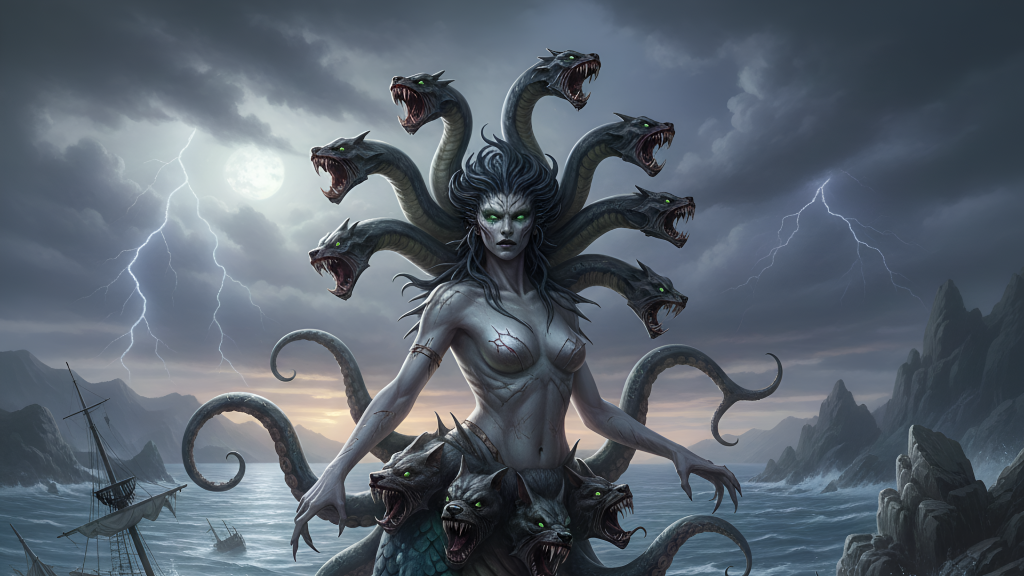
Unlike the sirens’ deceptive beauty, Scylla attacked with unmasked horror!
Also coming from the Greeks, Scylla was a nightmare in physical form. She later came to be associated with the narrow waters of the Strait of Messina (between Sicily and mainland Italy).
Scylla couldn’t be escaped or outsmarted. She had multiple heads and waited in ambush for ships to arrive.
Ships were forced to sail dangerously close to her cliffs to avoid the opposing whirlpool of Charybdis, and as they approached, she would strike!
Her heads would dart out and start snatching poor sailors, eating them alive.
Scylla represents the lose-lose situation ancient sailors found themselves in. Unlike the monster, the natural dangers were very real!
While Scylla represents the cliff, the whirlpool of Charybdis is also a real phenomenon. It’s created due to the opposing tides of the Ionian and the Tyrrhenian Sea.
7. Funayūrei
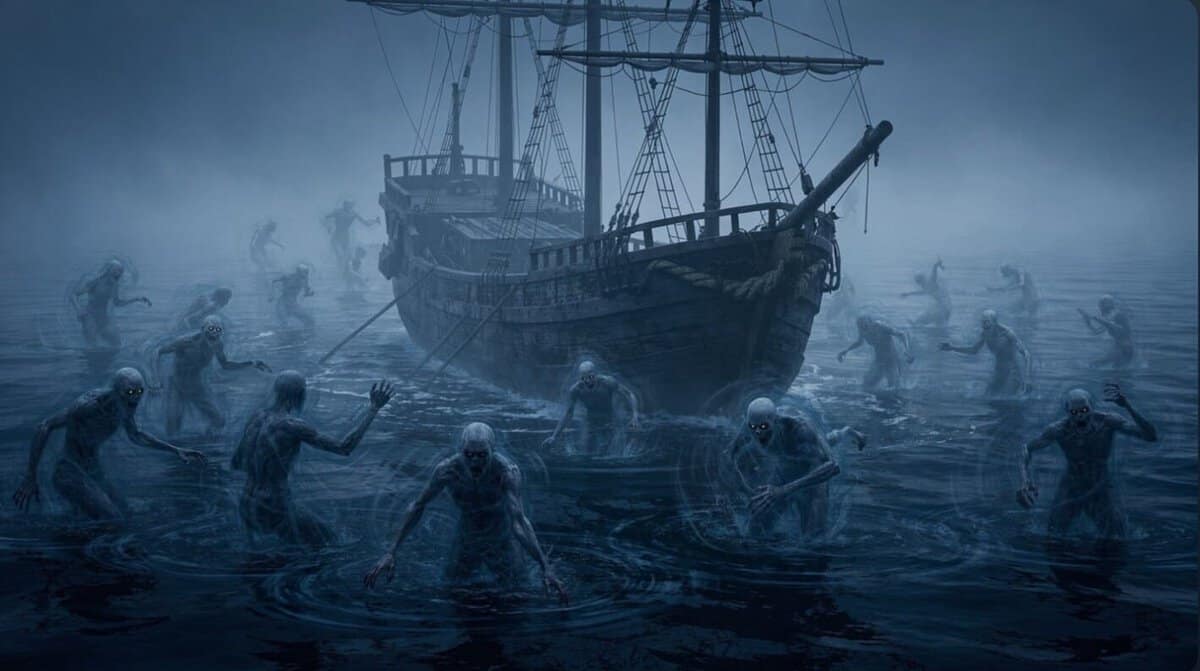
The terror of the sea doesn’t always end with death; sometimes, it only begins!
In Japanese folklore, the Funayūrei are spectral ships filled with furious spirits of those who tragically died at sea.
Sailors feared them for centuries because these ships wouldn’t just sail by. The malevolent entities aboard were jealous of everything that lived!
They approached random ships in the dead of night, and the whole thing started in an unassuming way.
The spectral sailors would request something mundane from the living crew: a bucket or a ladle.
If the living gave in to their fear and handed the object over, the dead would use it to scoop water into their ship, rapidly dragging it down into the depths!
8. Launching a Ship
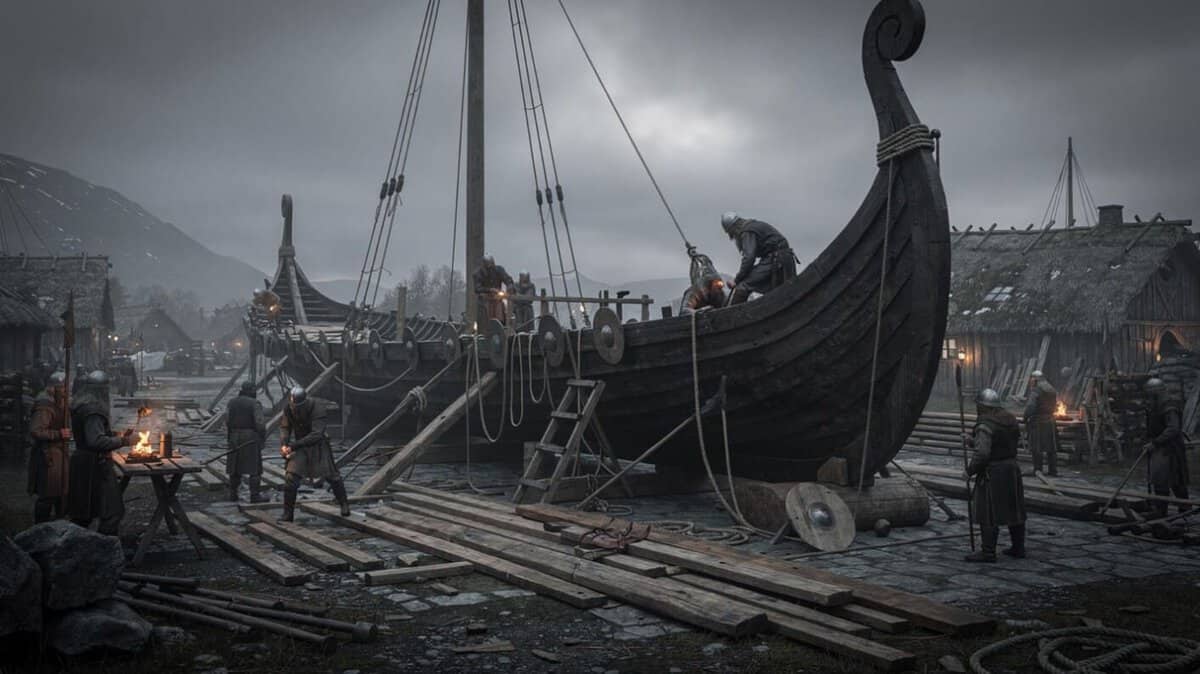
The creation and the first-time launching of the ship was a sacred ritual; one that often required a blood sacrifice!
The whole thing was designed to appease the sea gods and bring good fortune for the crew.
It’s said that when a new ship was sent into the water, it would be splashed with human blood as a tribute to ocean deities.
The offering was meant to satisfy the hunger of the deep before the crew set off.
To this day, some form of ritual persists, though, thankfully, it doesn’t include actual blood.
Instead, a bottle of wine or champagne is shattered across the bow of a ship, and this is known as “ship christening.”
Much like in all other religious rites, we’ve replaced actual blood sacrifice with wine.
9. Whistling
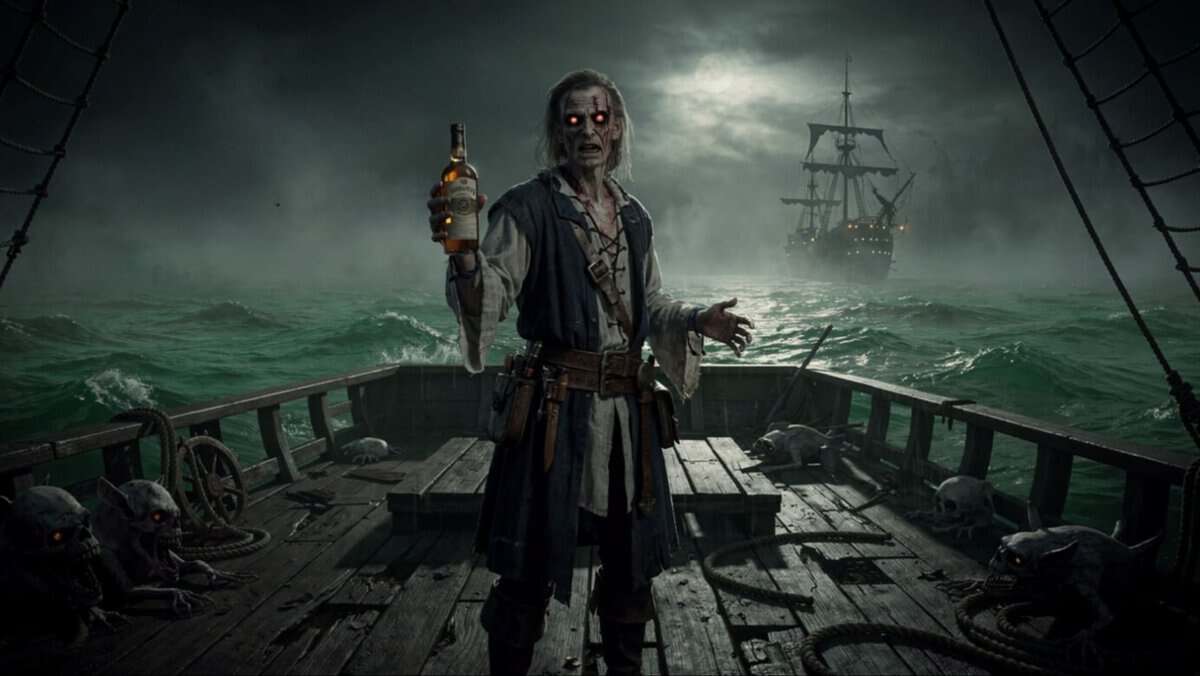
Like any liminal space, the sea also requires silence and respect as the living navigate it.
Places that are out of human control, such as wilderness, the ocean, graveyards, and abandoned places, are believed to be homes of spirits.
这些 spirits guard their territory jealously, and if disturbed with loud noises or disrespect, they would set out to destroy the culprit!
That’s why whistling on the sea is seen as a sign of bad luck.
It’s regarded as an arrogant challenge to the winds, and as we know, the fate of entire crews depended on the winds.
It was believed that whistling could provoke violent storms, even if the sky was perfectly clear just a moment ago!

A little Aquarius, devoted to writing and embroidery. Through my writing, I hope to empower readers to align with their true selves and navigate life’s mysteries with confidence.