
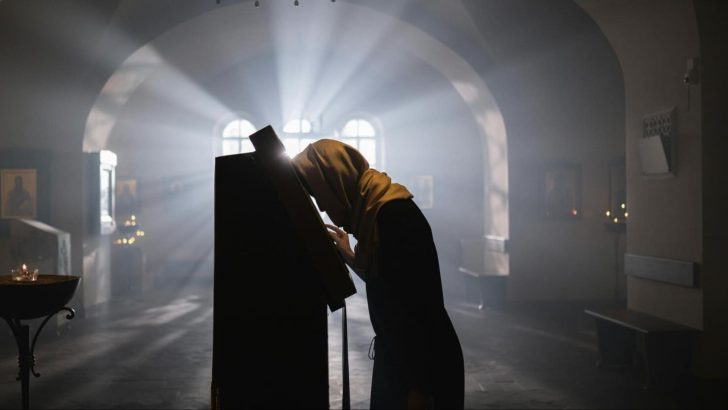
Monasteries look like idyllic places where time stands still, and your soul enjoys complete peace.
These stone buildings with their gardens and intricate iconography look like heaven on earth, but the reality of monastery life is far more rigorous than it seems.
这是 demanding and structured, and faith alone isn’t enough to help you endure it.
Behind the walls lies a complex society governed by ancient rules. It’s a life of sacrifice that calls for a strength of character that few people possess.
1. Daily Routine

Monks and nuns typically follow a structured daily schedule, centered around prayer, work, reflection, and service to the monastery and the community.
The day often begins long before the sun rises.
They pray multiple times a day (early morning, midday, evening, and night), using traditional prayers and psalms to nurture their connection to God.
This rhythm is called Lithurgy of the Hours, and everything is organized around it.
The devotees constantly need to maintain this dialogue with God, to make sure no part of their day is secular.
Whether they are working, eating, cleaning, or tending the garden, the cycle of worship always reminds them of their primary purpose.
It keeps their devotion disciplined and active.
2. Manual Labor
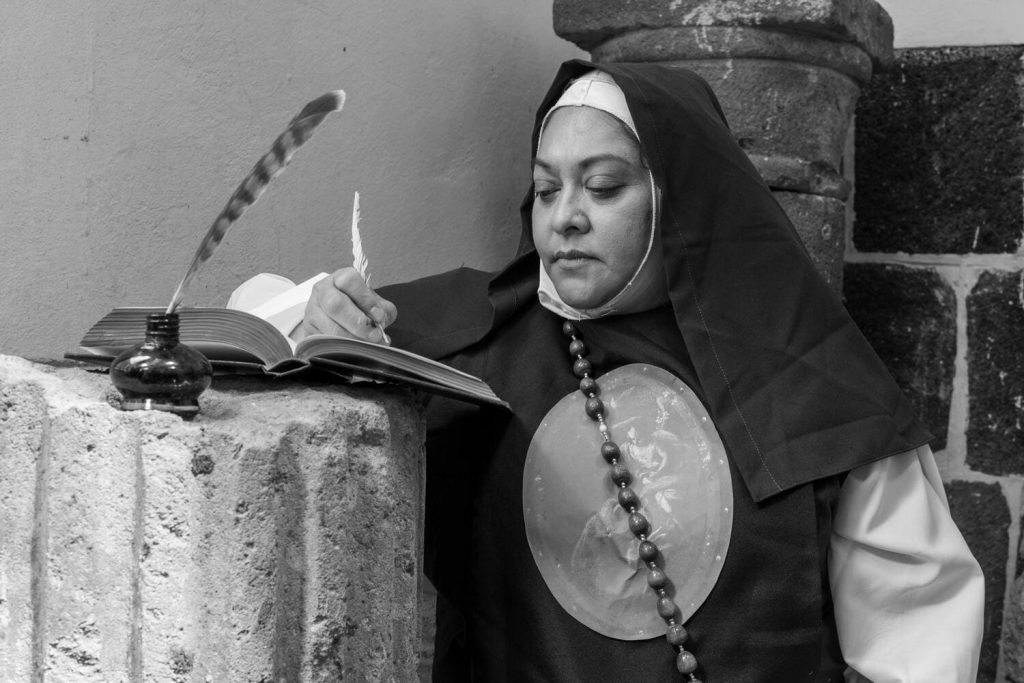
Prayer is at the center of everything, but it’s far from being the only thing monks and nuns do.
The monastery is their home, so they engage in various forms of work, from regular upkeep to farming, cleaning, cooking, and creating produce.
Many monasteries produce their own homemade wine, cheese, honey, and flour, which visitors can buy.
These tasks help to sustain the community physically and spiritually.
Their philosophy is laborare est orare, meaning “to work is to pray.” The devotees offer their physical effort to God.
In the past, monks also preserved important texts by copying them by hand. It’s a task that required immense patience and talent.
This hard work is important because it keeps devotees grounded in reality, ensuring they don’t become too detached.
It’s a humble reminder that serving God often means serving your fellow people.
3. Religious Services
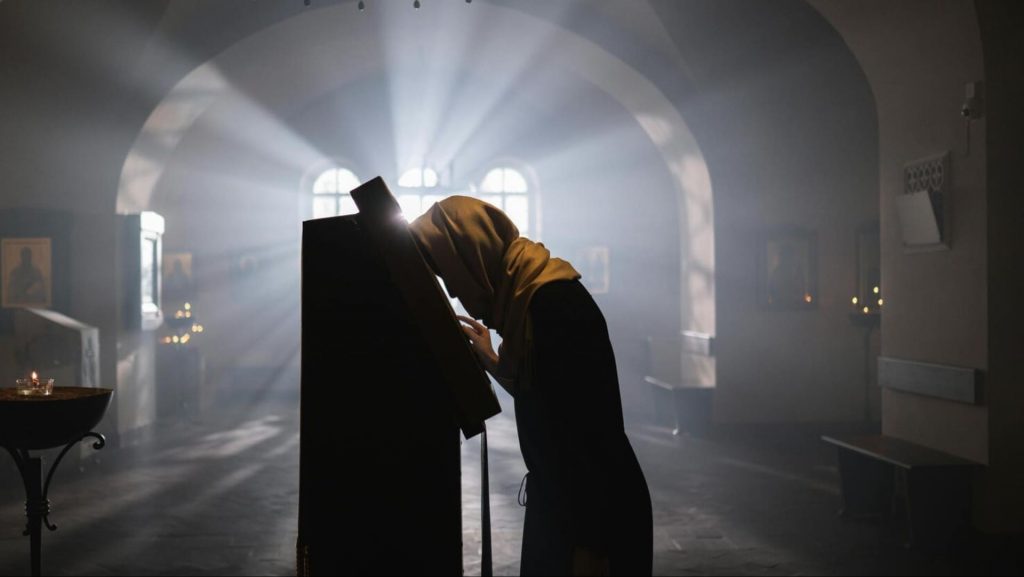
A significant part of a devotee’s duties involves participating in liturgical services at the altar.
They prepare the space, serve during the mass, sing hymns, and assist in rituals that honor their faith. The liturgy is where they most visibly encounter the divine.
For those talented in music, this involves hours of choir practice, where they master complex chants and polyphony.
There’s repetition and order to everything they do in the monastery. They try to offer perfection to God.
This is the high point of their day, which holds everything together.
4. Living in Harmony with Nature
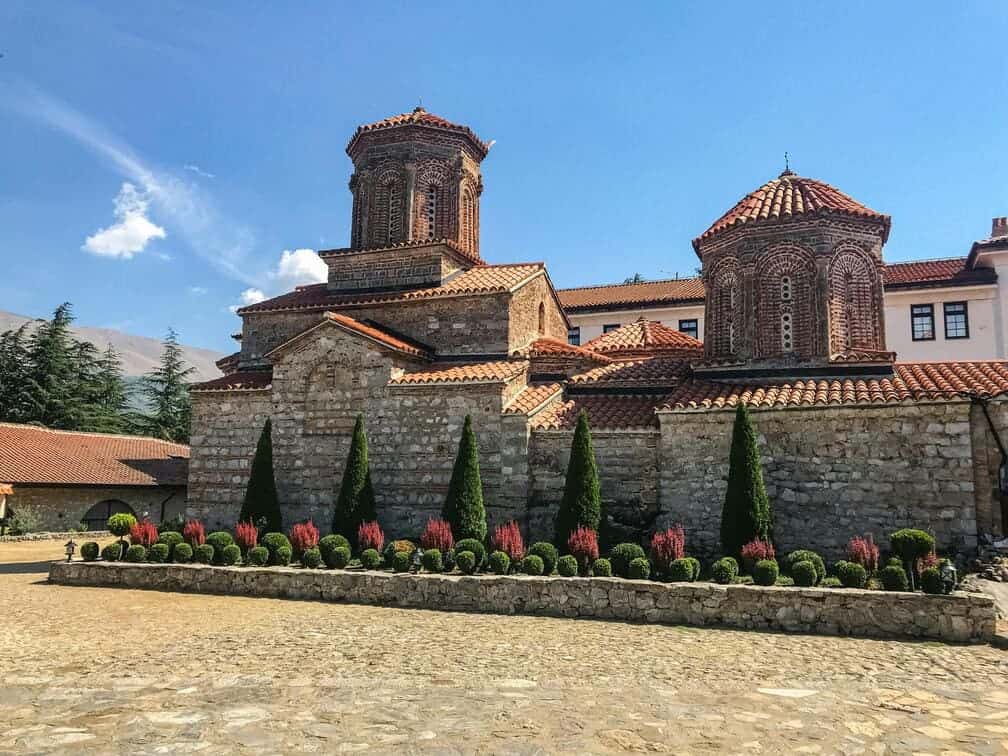
Monasteries are often located in secluded, lush settings, such as mountains or 的 countryside. These locations are chosen to provide solitude and beauty.
Devotees live close to nature, tending to gardens, orchards, and animals. This helps them stay humble and patient, and they act as stewards of God’s creation.
Nature reveals the glory of God in a profound way, so this choice of location isn’t accidental.
Think of any monastery in the Meteora, and the natural wonders that surround it. Its magnificence renders you speechless, and you can’t help but feel the greatness of the Creator.
Living in harmony with nature also forces devotees to adapt to the limitations of the land.
It’s a hard but deeply rewarding lifestyle.
5. Spiritual Initiation
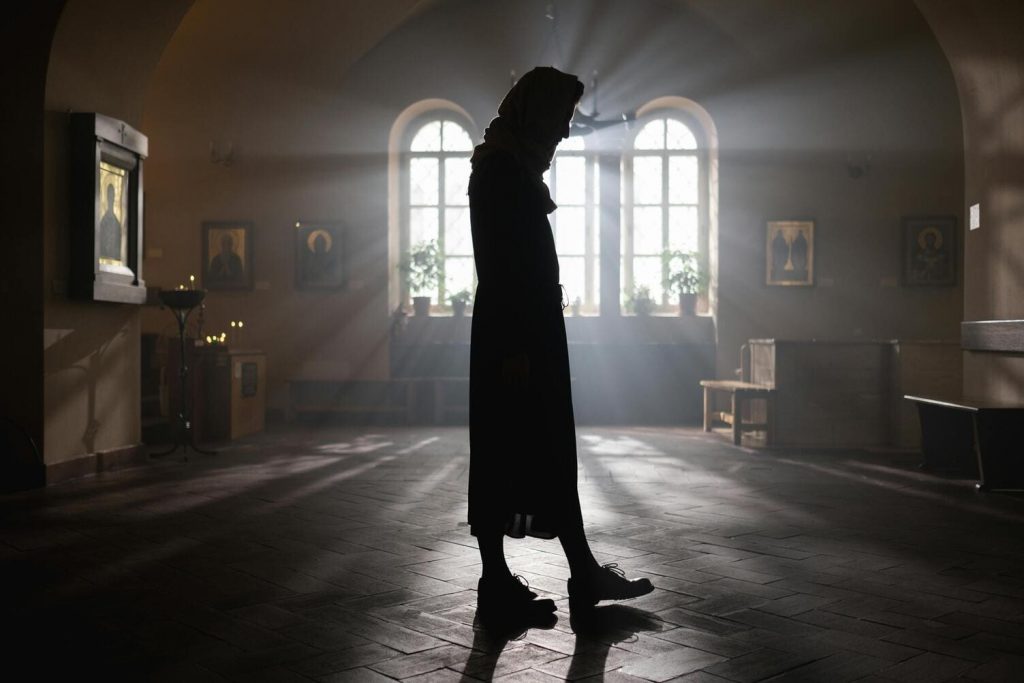
Entering a monastery involves a formal initiation and a trial phase where candidates learn the rules and decide whether the calling suits them.
It’s not a decision to be made lightly, and even if you’re eager to take the vows, the monastery administration will make you wait.
This process can last about a year.
Eventually, a devotee commits to vows such as poverty, chastity, obedience, 和 稳定性, renouncing their personal possessions and will.
The vow of stability binds a devotee to one specific community for life. The vow of poverty means they won’t try to accumulate personal wealth.
The vow of obedience means that they will always trust in the wisdom of their abbot above their personal desires.
These rules are meant to liberate the soul and open it up for love.
6. Living for God
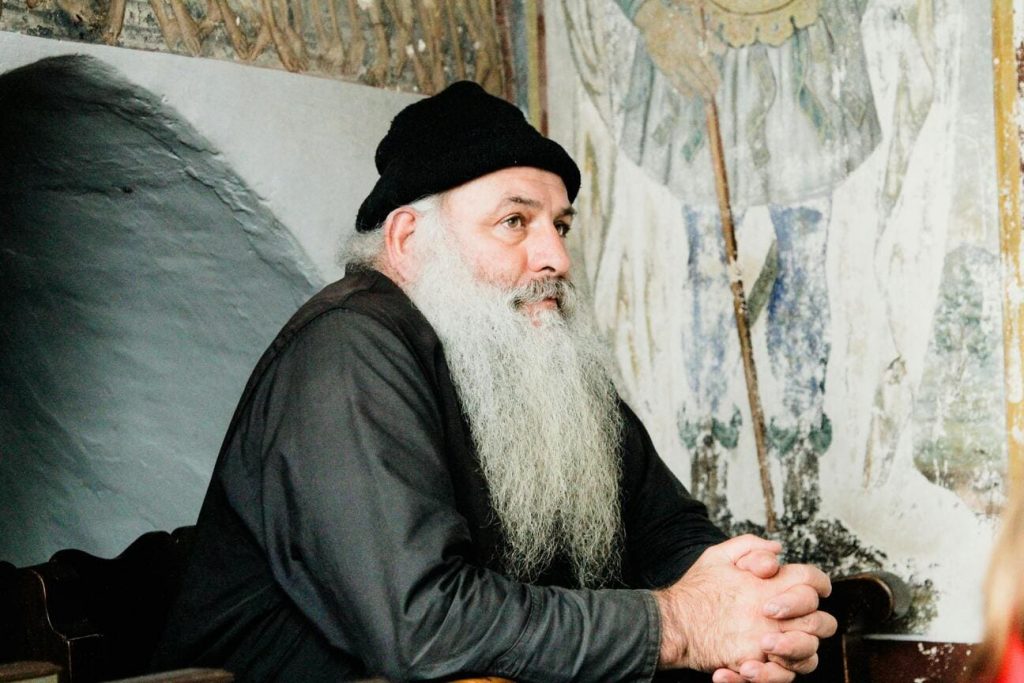
Monks and nuns dedicate their lives to spiritual growth and contemplation, aiming for a state of constant communion 与上帝同在
They seek to overcome worldly distractions and focus on inner purification.
这 internal battle is likely the hardest thing they have to endure in order to stay in the monastery.
They have to silence their ego, give up personal achievements and pride, give up worldly love, and silence their wandering mind.
In order to serve God, they have to go against their very nature.
This is called “The Great Work.”
It requires brutal honesty and vulnerability. It’s fueled by the desire to become a pure vessel for divine grace, at a great personal cost.
7. Monastery Community
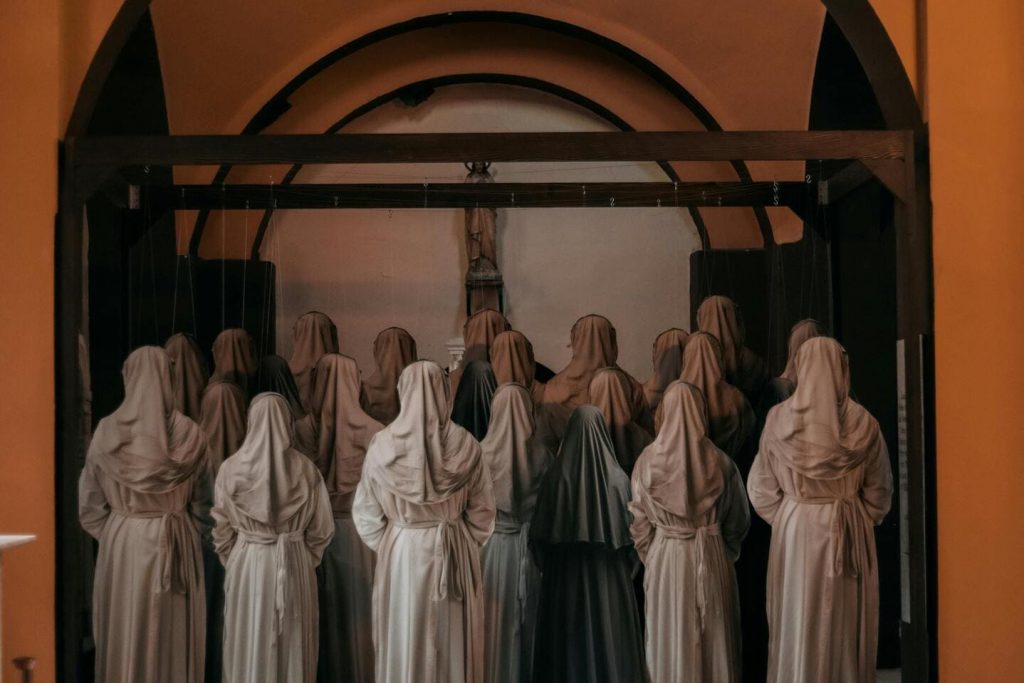
Monastery devotees live in a tight community; they share meals, work, pray, and worship together. They become a family that’s bound by spirit.
Discipline isn’t optional. They must obey strict rules and support one another through physical and spiritual work.
It’s a bit of a paradox, where they live a life of solitude, but they also have to exist within a community.
There’s very little room for privacy or autonomy, and that is the point. That’s what they agreed to give up when they decided to walk down that path.
Conflict is inevitable, but part of their calling is learning to love and accept the people God has given them, and not only those they choose.
Their service is mutual, and the success of one is the success of all.
8. Simple Living
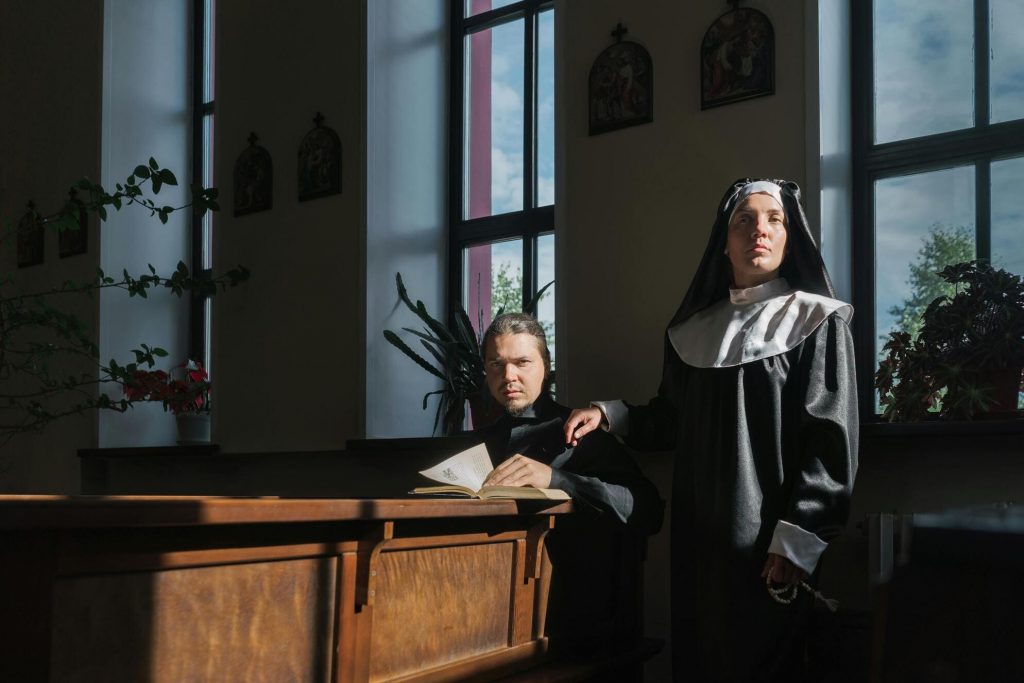
In order to live in a monastery, one must reject the consumerist culture.
Monks wear a humble uniform and own a few essential belongings.
This simplicity brings them freedom. By owning less, they have less to worry about, so their attention stays on their mission.
ǞǞǞ uniform they wear erases any markers of status or individuality.
Their cells are also very simple, often including a bed and a desk.
Those of us who live worldly lives could also learn from this way of life, by proving to ourselves that joy doesn’t depend on having the latest things.
9. Service to Others
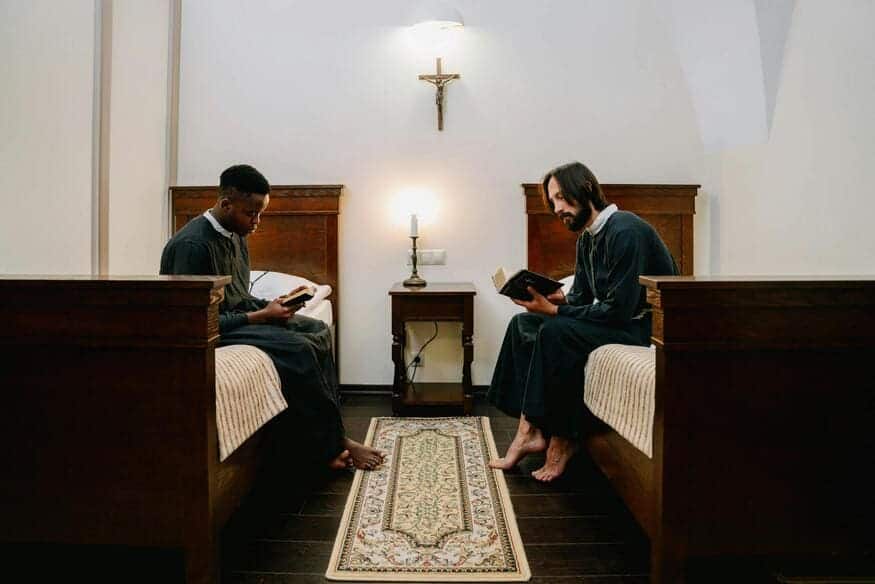
Many monks and nuns dedicate their lives to helping others. They might teach, give to charity, and care for the needy.
Through these deeds, they serve both God and humanity.
Monastery might be a place of withdrawal, but it’s not a place of indifference. Through worship and selflessness, devotees gain incredible compassion.
Some monasteries run schools while others offer hospitality.
In times of crisis, monks have historically been the first to tend to the sick and the poor. They see Christ in all of suffering.
This service is an extension of their prayer.
10. End of the Day
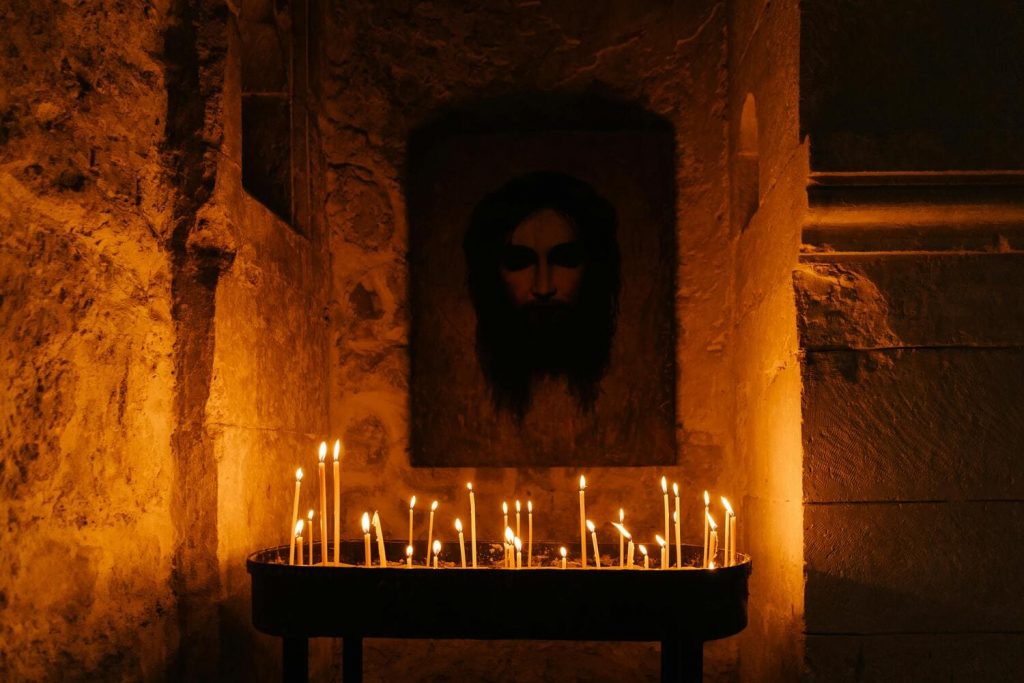
Evenings in a monastery are often spent in reflection and preparing for the next day.
The day usually concludes with Compline, the final prayer service of the night, often held in darkness. This is a moment of surrender.
ǞǞǞ “Grand Silence” comes after, where no talking is allowed until the next morning.
Devotees can spend this time by reading Scripture, writing, meditating, or resting.
Their evenings also reflect the focus on discipline and detachment.

A little Aquarius, devoted to writing and embroidery. Through my writing, I hope to empower readers to align with their true selves and navigate life’s mysteries with confidence.