
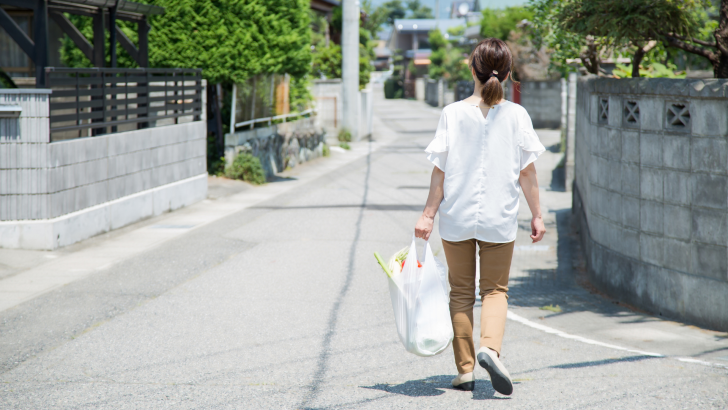
Many married women do not realize it, but they live as single women/moms even though they have a husband.
They carry a lot of everyday burdens by themselves, and these subtle changes in the husband’s absence are hard to spot at first.
If any of these signs sound like they are describing your life, you might be a single married woman.
You Handle Every Responsibility Without Help

If all responsibilities in the household, family, or general day-to-day living are your burden to carry, this is a clear indicator that you are in a single marriage as a ‘married single wife.’
When you are solely responsible for meal planning, billing, scheduling, and crisis management, your spouse may be physically present, but their contribution is often minimal and/or inconsistent.
This creates a mental burden that makes you feel worn out and invisible. You are likely to feel as though you are doing everything in the relationship and that this imbalance is normal, although it should not be.
When one person carries the entire workload, the relationship shifts from a partnership to a state of silent survival.
Your Emotional Needs Are Ignored or Minimized

Another indication of emotional neglect is when your partner prioritizes their needs over yours in a relationship.
For example, you may feel isolated because you are trying to get comfort or support from your partner, and you feel like they will not provide it.
They may be physically present but mentally or emotionally disengaged from the situation (for example, using their phone during your conversation). As time passes, you may develop a habit of hiding your true feelings from your partner.
This situation results in you feeling lonely emotionally, the most profound kind of loneliness for a wife within a marriage. Although you live together, your spouse is unaware of your emotional needs, and you feel as though you have no one to share your heart with.
When you are no longer able to connect with your partner emotionally, you will eventually become emotionally alone, even when you are living together in a relationship.
You Make All the Decisions Alone

You often make decisions without consulting your spouse because they choose not to participate in your daily and major life choices. You decide how to handle finances, parent, make social plans, and set future goals on your own.
Depending on someone else to help you make proactive decisions so you don’t have to work so hard is no longer an option; none of us should feel this way about our partner. Being independent is healthy, but forced independence is exhausting!
You have a partner who is a spouse, but it appears they are only there to witness your successes and failures.
You’ve taken on all of the responsibilities in the relationship; your partner appears to be an afterthought or a volunteer; therefore, they no longer take on responsibilities and do not provide you with the benefits of being in a relationship. Emotional fatigue and resentment are clear signs of living alone within your marriage; you are not alone!
You Feel More Like a Caregiver Than a Partner

Many married single wives experience their partners as children rather than as equals.
They often find themselves serving as the appointment reminder, caretaker, emotional support, and general organizer.
This reversal of roles drains the wife’s energy and erodes her attractiveness to the partner over time. Constantly feeling responsible for a partner who will not grow up leaves the wife with feelings of invisibility and lack of appreciation.
Your Partner Is Present Physically But Absent Mentally

Your partner may physically be present, but mentally, they may not be involved. They may spend most of their time engaged with their phone, the television, or hobbies at home or at work, and not engage with you.
Shallow conversations, very little to no quality time together, and living as roommates instead of as a married couple create this emotional distance.
You are responsible for carrying the emotional baggage of the marriage, while your spouse drifts away from you. The disconnect between your partner’s presence and participation can leave you feeling alone, even when your partner is physically beside you.
If you experience these signs, you are most likely experiencing the feelings of being a single married woman.
You Don’t Feel Supported in Your Personal Growth
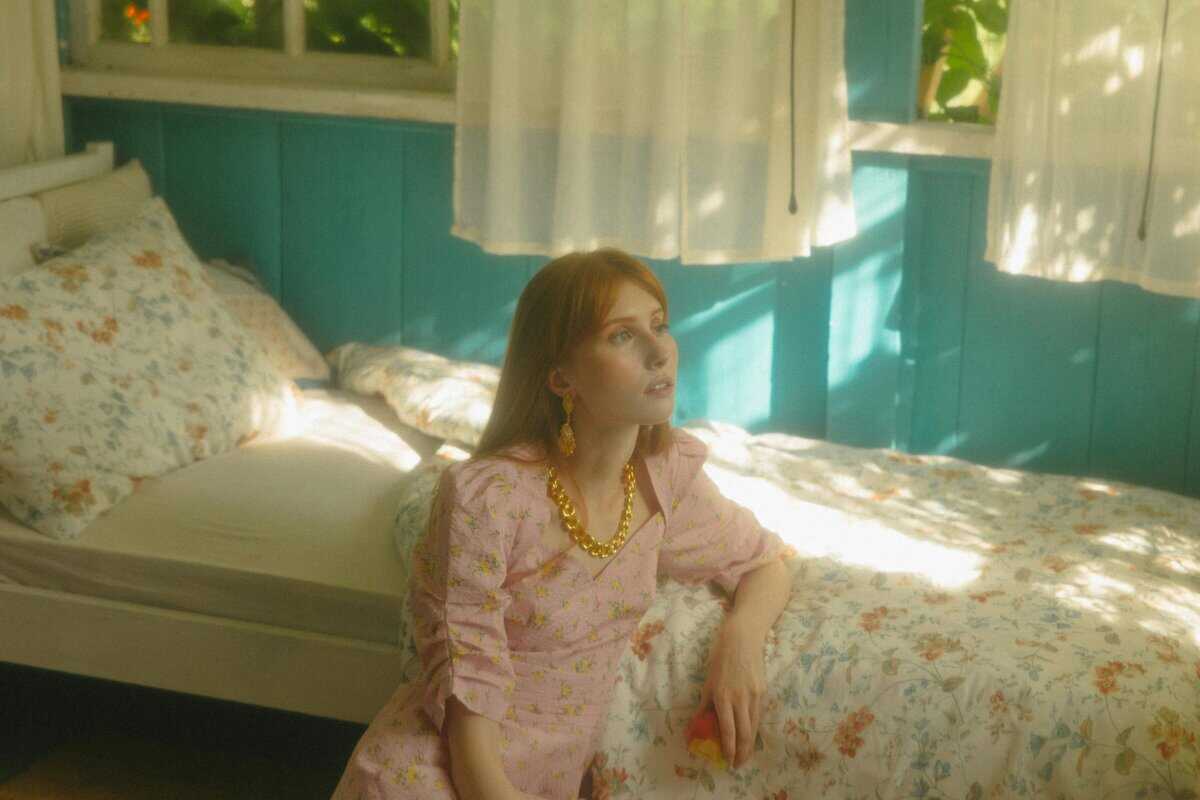
A single wife in a marriage typically feels unsupported or dismissed in her ambitions, goals, and personal growth.
Your partner does not encourage your quest for success or celebrate your victories, nor do they show an interest in you, the person you want to be, or what you are becoming. If there is no one cheering for you, you will feel as though you are navigating this journey alone.
This lack of encouragement will foster emotional disconnection and self-doubt. Relationships are meant to foster personal growth and development, not limit them.
If you feel that you are solely responsible for your personal development because you are not receiving any validation or support from your spouse, this is an indication that you are currently living your life independently within the confines of marriage.
Therefore, support is considered one of the rudimentary forms of love, and if you do not receive support from your spouse, this is indicative of profound emotional loneliness within the relationship.
You Feel Lonelier With Them Than Without Them
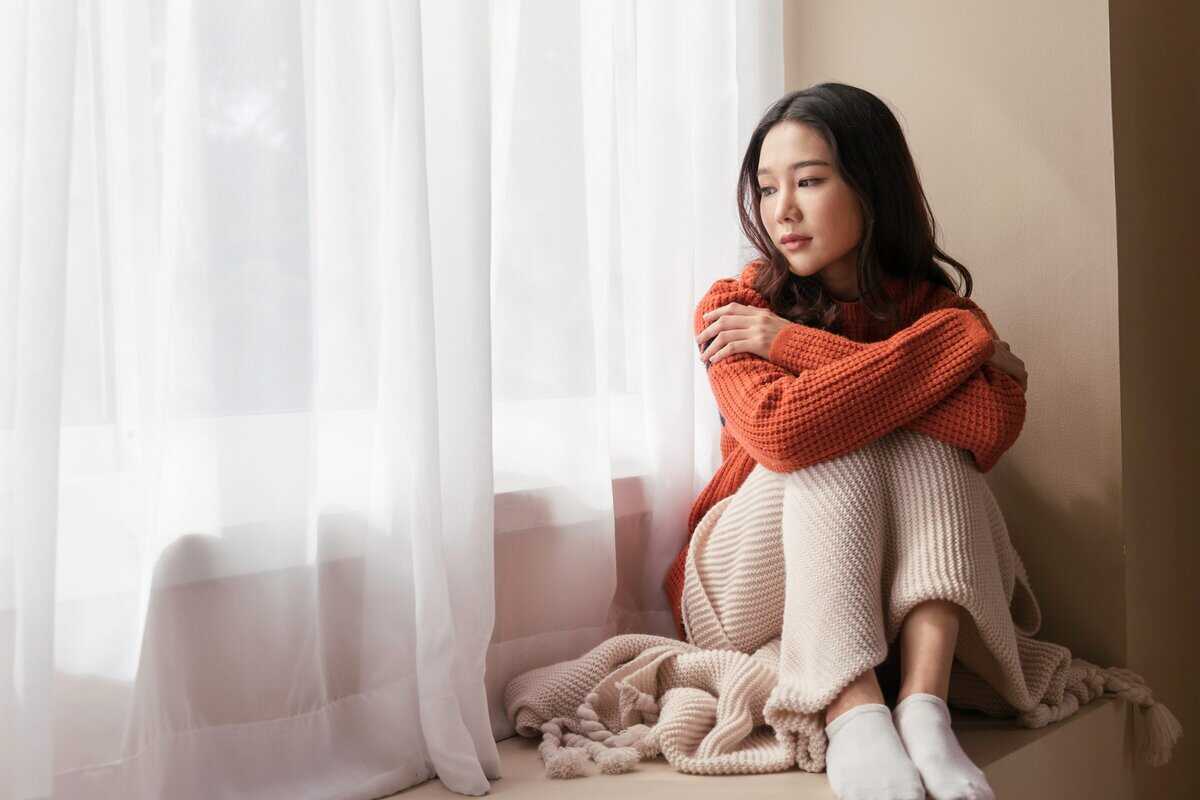
The most painful sign that you are experiencing the “married single” life is when you feel more alone within a relationship than when you were single. While you may share space, meals, and routines, you do not really share your lives.
Your heart goes unnoticed, your efforts go unacknowledged, and your existence in the relationship goes ignored. The feeling of loneliness in this way is at the core of the “married single” experience.
A true partnership will be replaced by feelings of isolation, and the term “married” will simply represent a legal agreement. Recognizing the loneliness you feel is the first step to healing, to speaking up for your needs, and to reclaiming what has been lost of yourself.

Born and raised in Bosnia and Herzegovina. Ever since I was a little girl, my imagination knew no bounds. I remember vividly how I’d scribble down short stories, each page bursting with adventures and characters conjured up from the whimsy of my mind. These stories weren’t just for me; they were my way of connecting with my friends, offering them a slice of my fantasy world during our playtimes. The joy and excitement on their faces as we dived into my fictional realms motivated me to keep writing. This early passion for storytelling naturally evolved into my pursuit of writing, turning a childhood hobby into a fulfilling career.